Week 24 Inspiration: Who inspires you (Inspiration comes from many places. Tell us about who inspires you.)
Sony NEX-5N f/13 1/800s 150mm 100 ISO
My introduction to Bruce Percy’s color landscape images invited me to study the amazing images of Michael Kenna and to visualize landscape photography through an eye towards minimalism and muted colors. “As I’ve grown older, I’ve found that I’m much more attracted to the wilderness and the people that live on the edges of it. Photography is a great way of getting closer to the land and the cultures that inhabit it.” ~Bruce Percy cited: Wotfoto.com
Ricoh GX100 f/3.5 1/620s 10.5mm 80 ISO
What I have found interesting in this exploration and study of various photographers, is that while I am inspired by Bruce Percy and Michael Kenna, I am also drawn to the street photographs created by Jasper Tejano who offers the viewer amazing colored images of life on the street, “… color street photography, to me, presents life with much more realism and dynamism. Especially with my work on silhouettes, the darkness of my subjects will just drown in the different shades of gray. I need color to make my subjects emerge from the frame.” ~Jasper Tejano
Images submitted in response to Dogwood Photography’s annual 52-week photography challenge.
Today, I like the word Wintering (the act of staying at a place throughout the winter) as it has an underlying message of being at…rest, peace. A seasonal nap time.
Nikon D750 f/7.1 1/500 50
During this time of year in which nature slumbers, there is an invitation to sit beside the fireplace and study the amazing images of Michael Kenna and Bruce Percy.
February has within it whispers of spring, It also–like November–is a time of heavy snow storms and cabin fever. Last year I set out on a “frame within a frame” photo assignment.
What gifts did February, 2018 bring you this year?
Photography, in a nut shell, is lines, shapes, colors, and feelings
In photography negative space is perhaps the most important element as it embraces the subject within your image — the element of interest — helping it stand out and inviting the viewer’s attention. It is the aspect within a photograph that generally doesn’t attract much attention. It is sometimes referred to as white space and has the potential to change what appears to be an average subject into an outstanding image.
The simplest example of positive and negative are the words in this blog. These words draw your attention while the background doesn’t. The words are positive space, and the white background is negative space
Some images have high amounts of positive space creating what some identify as busy, cluttered, crowded creative works. These types of images generally reflect the busy nature of the scene being photographed.
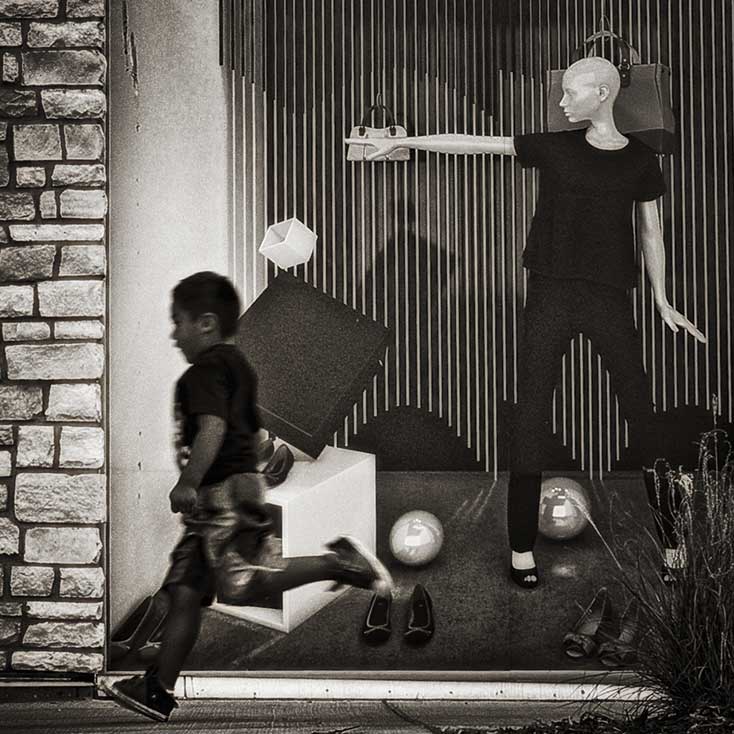
The elements of positive and negative space are two elements of photography that are important because of the emotions they evoke. Images created with high amounts of positive space have the potential to evoke feelings of power, strength, action, chaos, busyness, or…as in the image above…anticipation.
Negative space, in contrast, awakens feelings of peace, calm, quiet, loneliness, isolation. It is less about the subject within a photograph and more about awakening a feeling in the viewer.
Negative space can create a sense of lightness, airiness…it can strengthen the positive emotions in a photography, emphasize the feelings of your subject, conveying whatever story you as a photographer wishes to evoke in your viewer.
Negative space provides “breathing room” giving the viewer’s eyes a place to rest and preventing an image from appearing too cluttered…creating a more engaging composition.
Negative space generally mutes detail or color; yet, in some cases well-defined buildings and people can act as negative space as it conveys a story or evokes feelings.
It is easy to focus our attention on the subject, on what we see as most important element of the photograph. Adding to or taking away negative space affects the subject within an image as they effectively become smaller or larger within the frame of your image.
At first, it seems that to set out to find empty space may be a difficult undertaking; yet, searching for elements that don’t stand out becomes more natural over time…try including the sky in your composition…it is expansive, everywhere, and often filled with negative space.
Our mind formulates ideas about how objects in our world look and that is the reason an art instructor may invite her class to draw an object upside down. This engages the eye to see as opposed to allowing the mind to impose a preconceived idea into a drawing.
Unfortunately these preconceptions distort the way we see a scene, and this can lead to photographs that we see as good, but not so in reality. My readings noted that a way to step out of the boundary of our minds is to ignore the objects in the scene altogether and instead concentrate on the gaps between and around them. This also aids in giving more attention to composition and seeing sizes and shapes in a more accurate manner.
Negative space, in the world of photography, may be more important especially if the photographer tends towards creating images that are simple; yet effective. Michael Kenna, Bruce Percy, and Masao Yamamoto are three artists known for their minimalistic images.
Examples of images that “focuses” on specific compositional tools are an invaluable learning tool. I hope you enjoy seeing these amazing images offered through Ted Forbes.
In closing, I’m deeply grateful for the exchange of ideas and images that I have experienced thus far in this photo study project and am looking forward to reading your thoughts and seeing your images.
During this week a memory came to mind a number of times in which a classmate, who was doing an internship in an adolescent treatment program, shared her understanding of the process of reflective listening within a therapeutic session. She ended her narrative with the teen’s response, “duh.”
The photographer, the basic third element in photography who stands on one side of the camera, looking through the view finder, seeing and focusing. Her personality as a photographer — motivation, interest, patience, attitude, etc. all require attention and adjusting…”duh,” Brenda.
This moment of enlightenment that shed awareness on the fact that I am mostly ignorant about one important aspect of photography, me. Thus far, my photography journey has included an investment in learning about various components of the camera as well as exploring basic elements of composition. Beyond a moment or two about how to manage anxiety within street photography or the motivation to get out of a warm bed at predawn to photograph the golden light not much attention has been given to…me, the photographer.
Narrow the focus – a) Determine what it is that you want to get better at. b) What kind of styles of photography interest you – still life, portraiture, improvisation, head shots, street photography, landscapes? c) Study those photographers that inspire and challenge you.
Shoot less, Think more or Think more, Shoot Less. a) Strive for quality over quantity. b) be less involved in the viewfinder and open yourself to the environment. c) Ask yourself if is this the right time…golden hour, decisive moment, what would happen if….
Understand improvisation. a) Photographing in the moment relies on the foundation of: understanding theory, past experiences, knowing what will work…an accumulation of what happened before. b) Gift yourself with experience by going out and photographing. c) Accept making mistakes…practice…to create something that is happening in the moment – the decisive moment – is sum of all one’s past photographs. d) Understand what you don’t like and apply what you do like.
So this week, my photo study assignment was to explore
Identify one photographer that inspires and study their work.
Explore my history – where have I’ve been?
Find one element to photography during the week to build upon.
Remember that it is not the camera I own or the camera’s settings, it is transcending the moment and taking it beyond.
Identifying Photographers that inspire (street photographers, minimalist, long exposure)
When exposures last hours rather than fractions of a second, there is much time for watching. Sometimes it is a basic concern for security but at others it is a more meditational activity. I watch the sky and imagine what patterns the clouds and stars will make on my film. I watch the water, the leaves on the trees, passing cars, changing shadows, smoke from chimneys, whatever is around. Wind, rain, mist, etc., all have effects on the eventual image. …Nothing is the same twice and every moment in time is unique. ~Michael Kenna (Photo Review interview, January 2003 with Carole Glauber)
Take some genuinely good picture… Using a watch with a second hand, look at the photograph intently for two minutes. Don’t stare and thus stop looking; look actively. It will be hard to do, and you’ll find it useful to take up the time by naming everything in the picture to yourself: this is a man, this is his arm, this is the finger on his hand, this is the shadow his hand makes, this is the cloth of his sleeve , and so on. Once you have done this for two minutes, build it up to five, following the naming of things with a period of fantasy, telling yourself a story about the people and things in the picture. The story needn’t be true; it’s just a device for externalizing and making clear to yourself the emotion and mood the picture has evoked, both part of its statement
When you have done this exercise many times, a more careful way of looking will become habitual. Two things result. You will realize that ordinarily you have not consciously seen most of what is in an image even though you have been responding to it You will also find that you can now remember the photographs you have studied much as you can remember a book you have taken careful notes on. They become part of a mental collection available for further work. (When you do this exercise a number of times you will acquire new habits of seeing and won’t have to spend as much time looking at a new print).
Photographer’s past journey As I reviewed this week’s photo study, I realized that I’m a photographer who enjoys being engaged by spontaneous moments. The images below are a review of past images that I chose to “re-see” as part of my study of Kenna’s work.
Patience…mindfulness…characteristics which are extremely useful and priceless tools for me, the photographer.
Nikon D750 f/7.1 1/500 50
Sony NEX-5N f/5.6 1/400 56
Nikon D740 f/5.6 1/4 28
Sony NEX-5N f/8 1/800 150
Sony NEX-5N f/13 1/800 91
Sony NEX-5N f/6.3 1/400 186
One element to develop this week – This week as I am out and about – walking as prescribed by my doctor – my intention is to scan my environment from right-to-left. I’ve read that this way of “seeing” will gradually become an intuitive process and I’ll see more than I ever imaged. Seeing is the gateway.
Lumix DMC GX85 f/7.1 1/250 43mm
I would love to hear your thoughts about yourself as the photographer and to see where you have been and one element you are invested in developing.


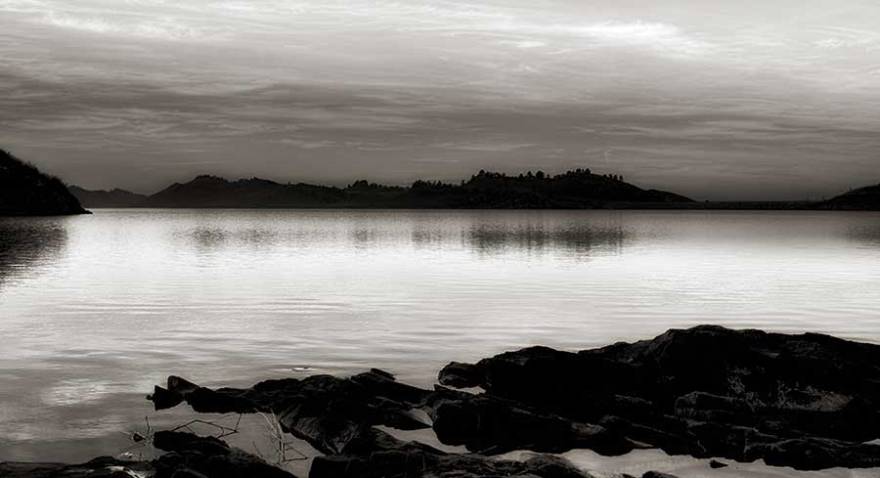
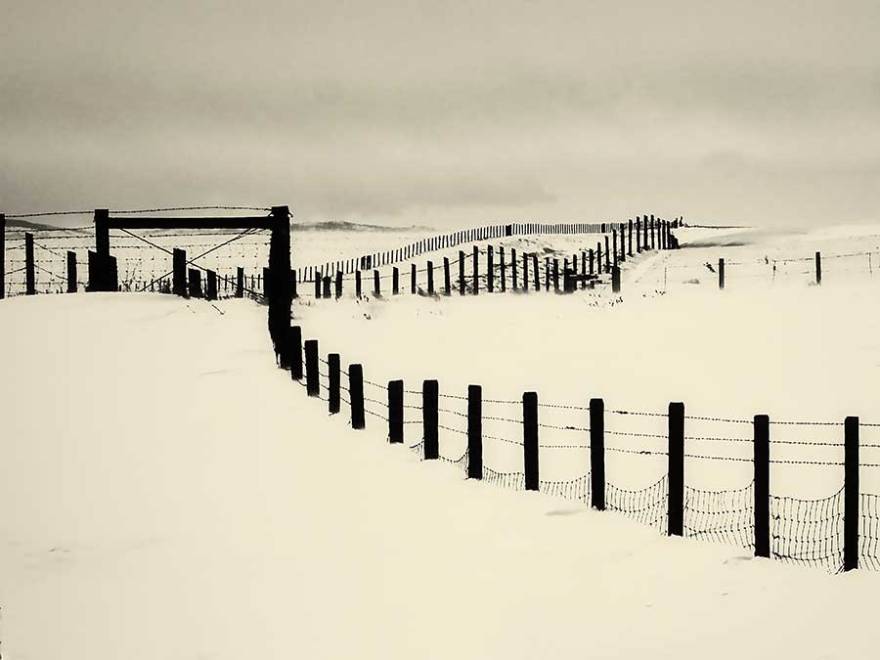
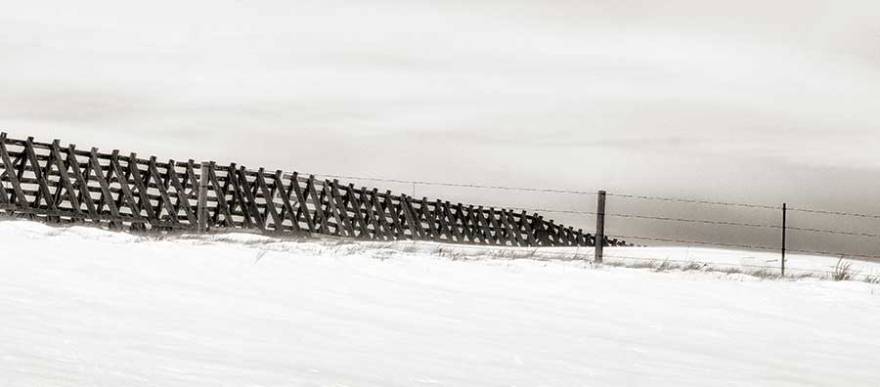


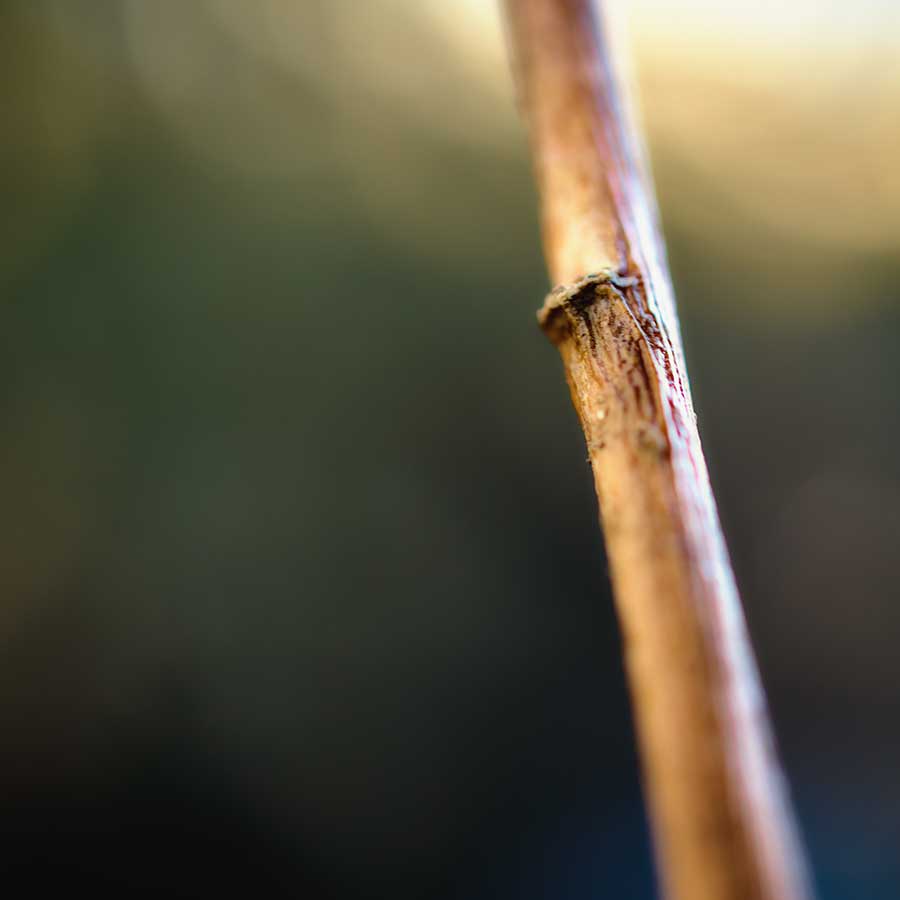


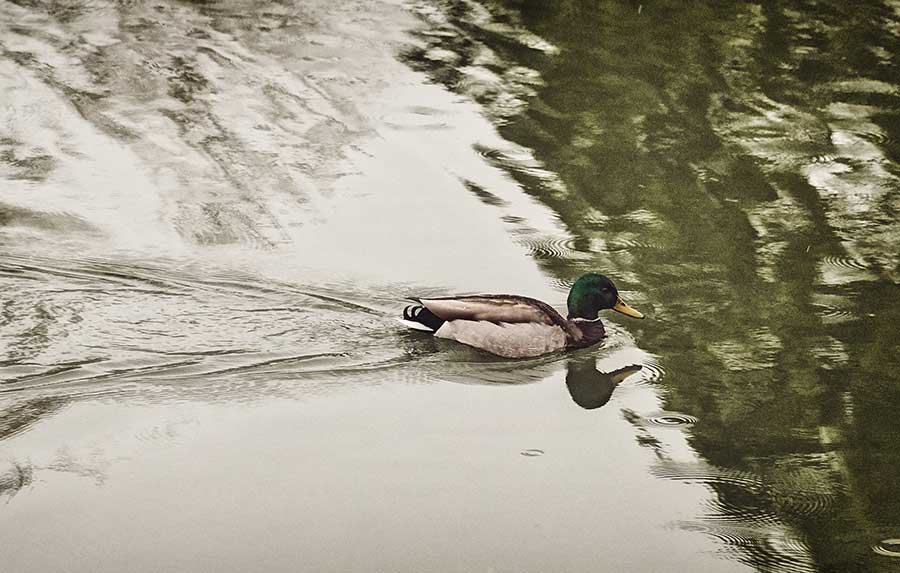 Negative space provides “breathing room” giving the viewer’s eyes a place to rest and preventing an image from appearing too cluttered…creating a more engaging composition.
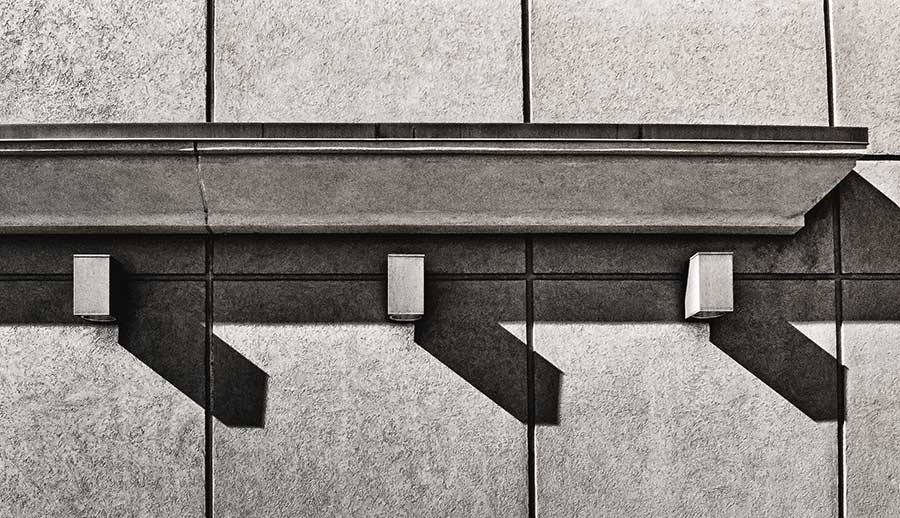

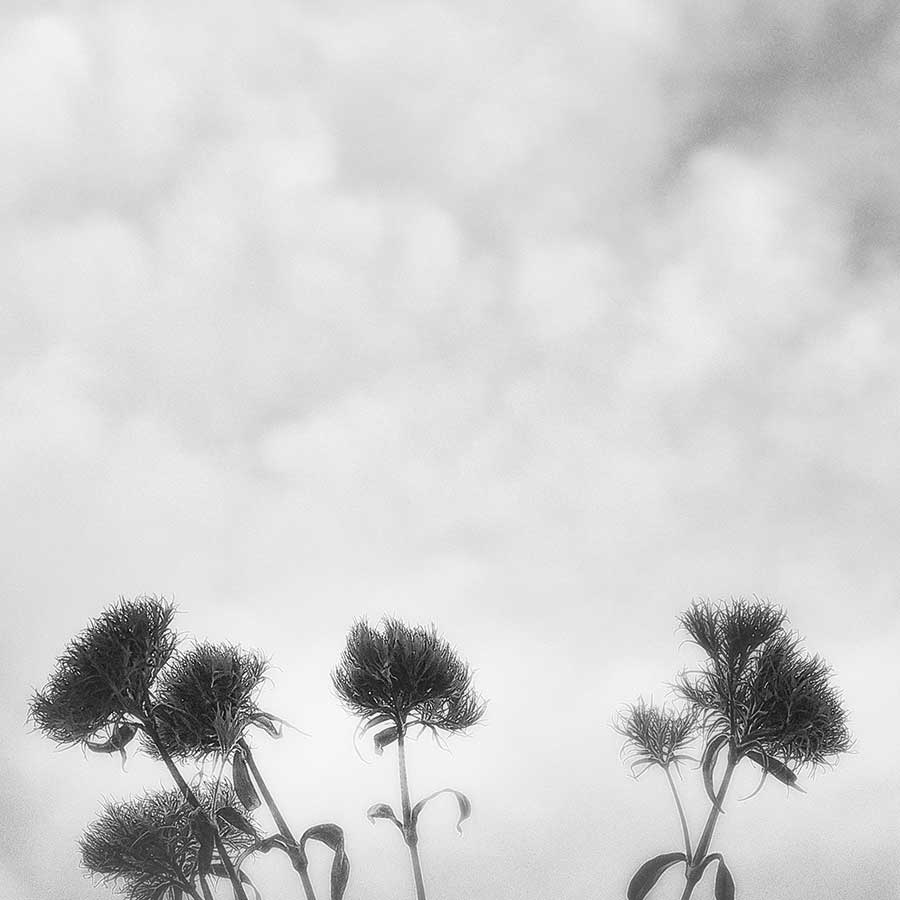
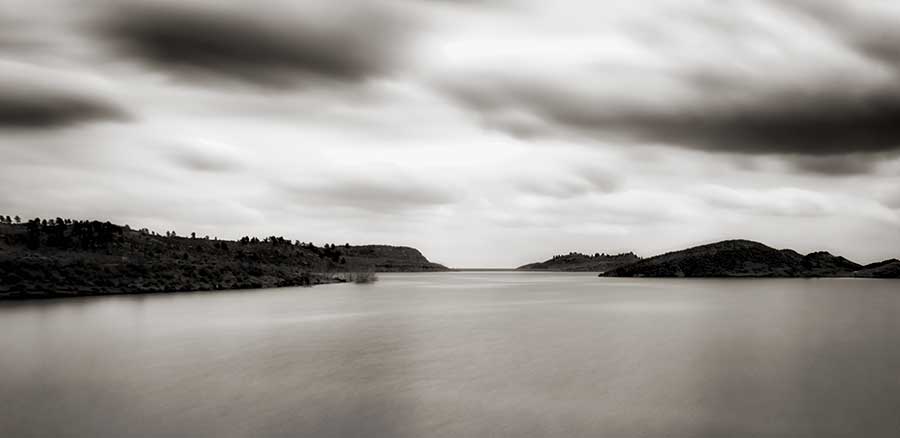


 a meditative journey
You must be logged in to post a comment.