The pattern of the maple leaves in Autumn dyed with the rain–
Beautiful in the deep mountain! ~ sarashina diary
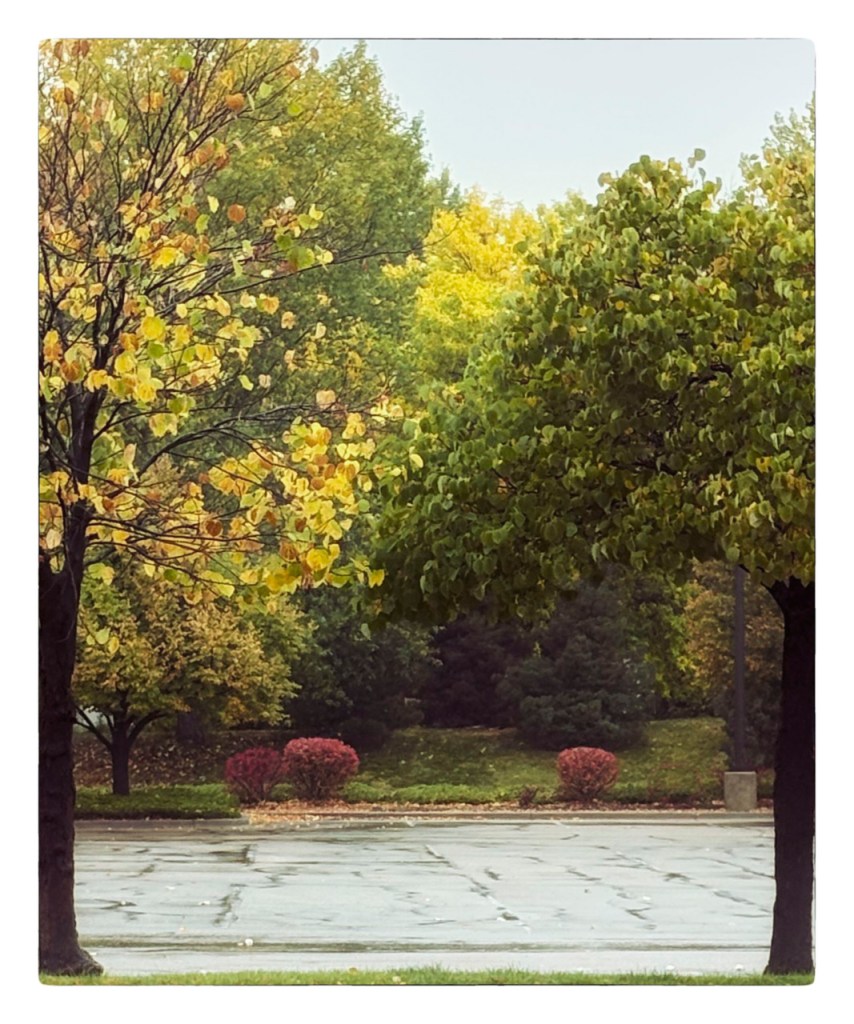
iPhone 16: f/1.6 1/240 s 6 mm ISO 32
The pattern of the maple leaves in Autumn dyed with the rain–
Beautiful in the deep mountain! ~ sarashina diary
iPhone 16: f/1.6 1/240 s 6 mm ISO 32
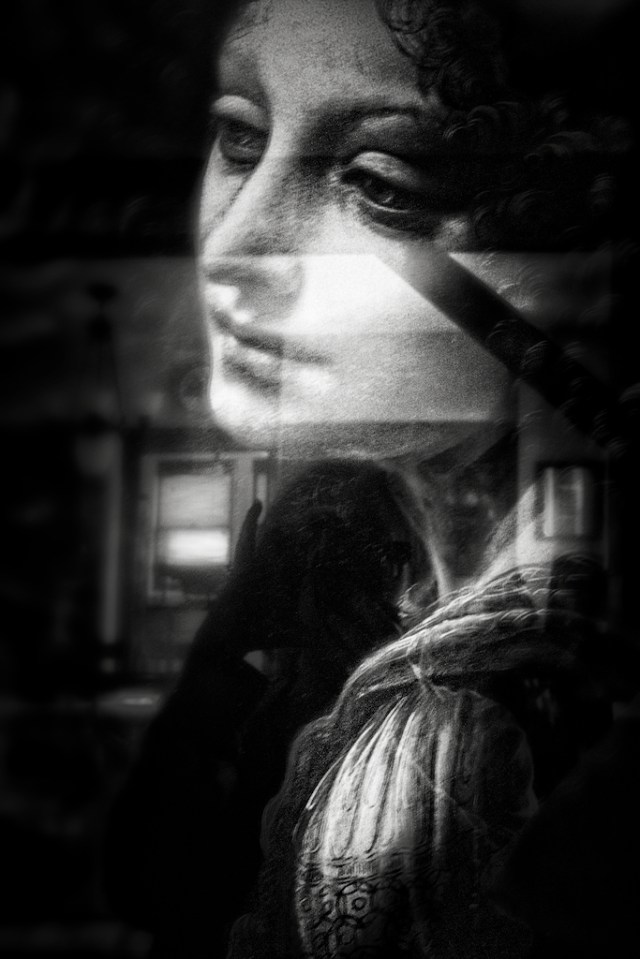
Sitting in the lobby waiting for a dry cleaning pickup … internally struggling with the angst of the anticipated cost of having a down jacket dry cleaned … flipping through a copy of The Wall Street Journal Magazine (October, 2026) to escape from the imprisonment of “waiting time” … becoming stunned by multiple advertisements … and then … finding myself intrigued, Aspens’ Existential Crisis.
Do memories of the 60s still linger within Aspen and Steamboat Springs?
I read, “In June, Aspen’s city council members gather for a presentation from the mountain town’s largest employer about the state of its business–and future of the place itself.
‘What does Aspen want to be'” read one slide prepared by David Tanner, president and CEO of Aspen One, which owns four mountains …”
How does one even own one mountain?
“‘The deck laid out three options: ‘A ski town.’ ‘A gated community for the ultra-wealthy.’ ‘A playground for influencers.’
Aspen has been soul-searching for half a century, since hippie ski bums began ceding ground to luxury real-estate developers, but the question of its identity has become more urgent as the city of roughly 7,000 has transformed into a year-round billionaire retreat.
It was time for the community to confront the headwinds it was facing. Tanner and his fellow executives told the council. … transportation remained a major barrier for visitors.
Aspen caters to the super rich, but it needs the plain-old rich, too. It’s a city that’s hard to reach–no direct commercial flights from New York or Miami–and expensive to stay in. … ‘We can’t understate the importance of getting the airport done,’ Tanner told the officials at City Hall. ..
‘It’s like an existential crisis’ … ‘Who are we? What do we stand for?’
… As the city contends with a string of challenges–declining snowfall and plummeting real-estate sales among them–it is the runway reconstruction that has become one of the hottest-button topics. … A rabbi referenced the runway overhaul in a recent sermon. …
… the Federal Aviation Administration recently told Pitkin County that it would stop funding renovations unless Aspen added more distance between the runway and taxiway …
The effort is expected to cost over $250 million, but the FAA will cover 90% of the bill…
90% of $250 million? 90% of $250 million for … who? what? … a ski town? A gated community for the ultra-wealthy? A playground for influencers? a year-round billionaire retreat?
Who actually is shouldering the cost of this 90% of 250 million project? You? Me? Ultra-wealthy? Influencers? Billionaires?
Really, Brenda! Aspen is in the middle of an existential crisis. Quit being so self-serving. Be honest. Do you really need to have your winter coat dry-cleaned?
but … I need to ask
Who are we? What do we stand for? What do we want to be?
The fall of leaves
has left some autumn
on the upper branches
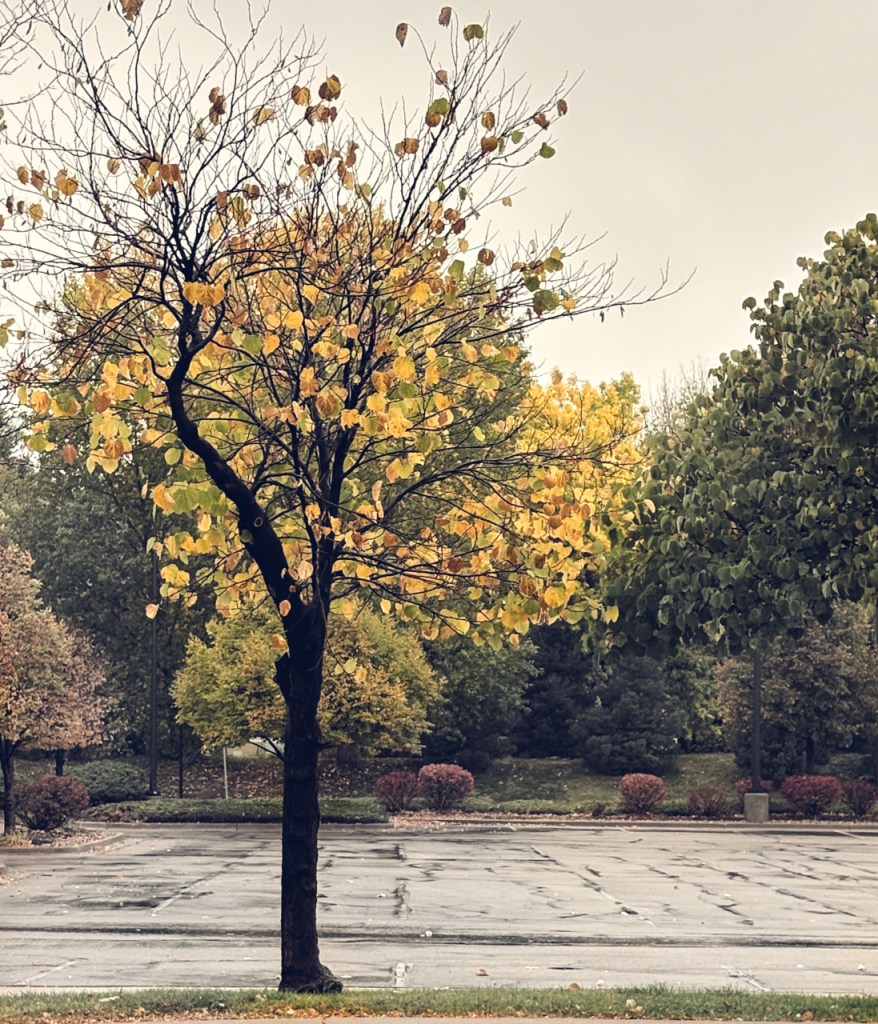
Through Brazilian Eyes invites Lens-Artists to “… explore Where Does it Lead in what ever direction speaks to you.”
One may find themself on a path that feels empty, uncertain, broken, forgotten, lost. There is no self sense direction …

… a journey within the mind of possibilities begins … forming a path created by emerging dreams, expectations, doubts, opportunities, courage, self validation. Then … an unavoidable moment … when …
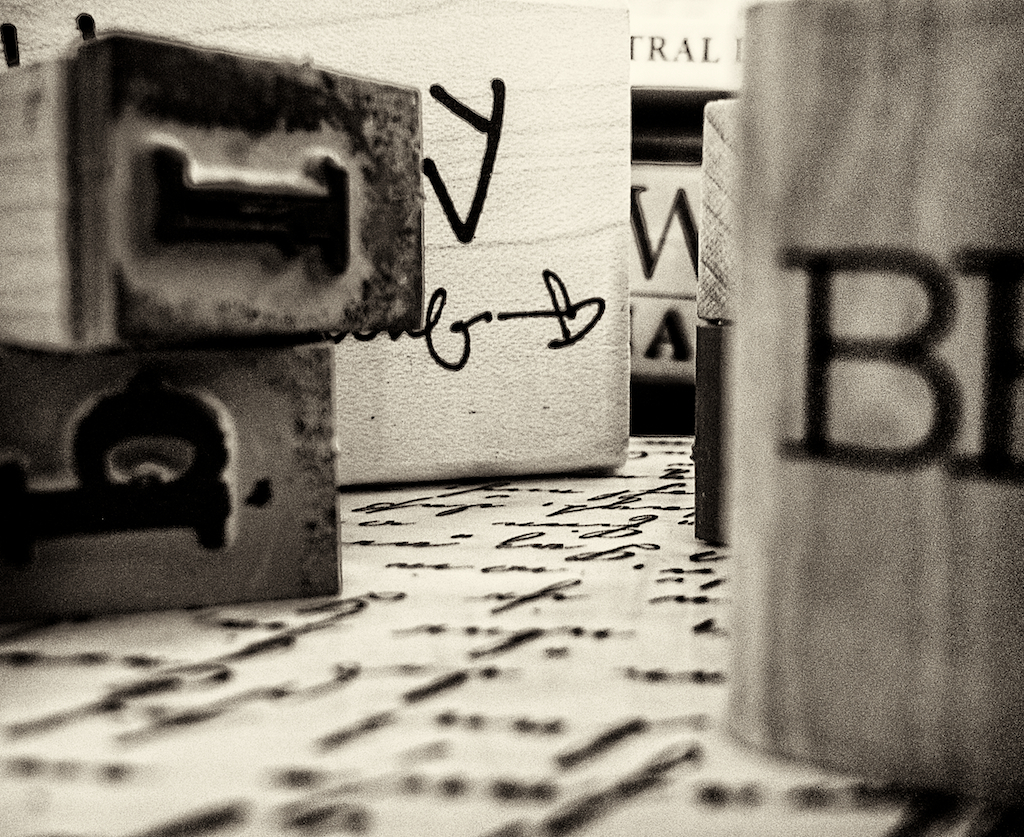
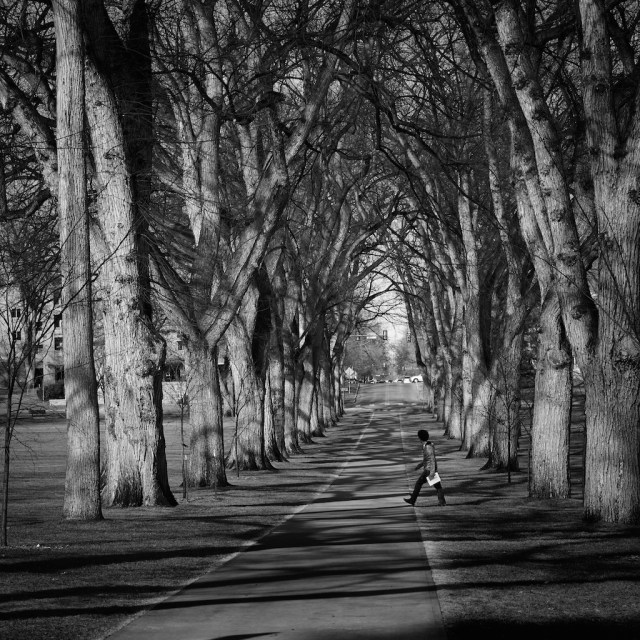
the impermanence of life … a clearly defined path fragmenting by change, uncertainty, regrets … and then … a merging of pathways of wonder, “what is beyond the horizon?”
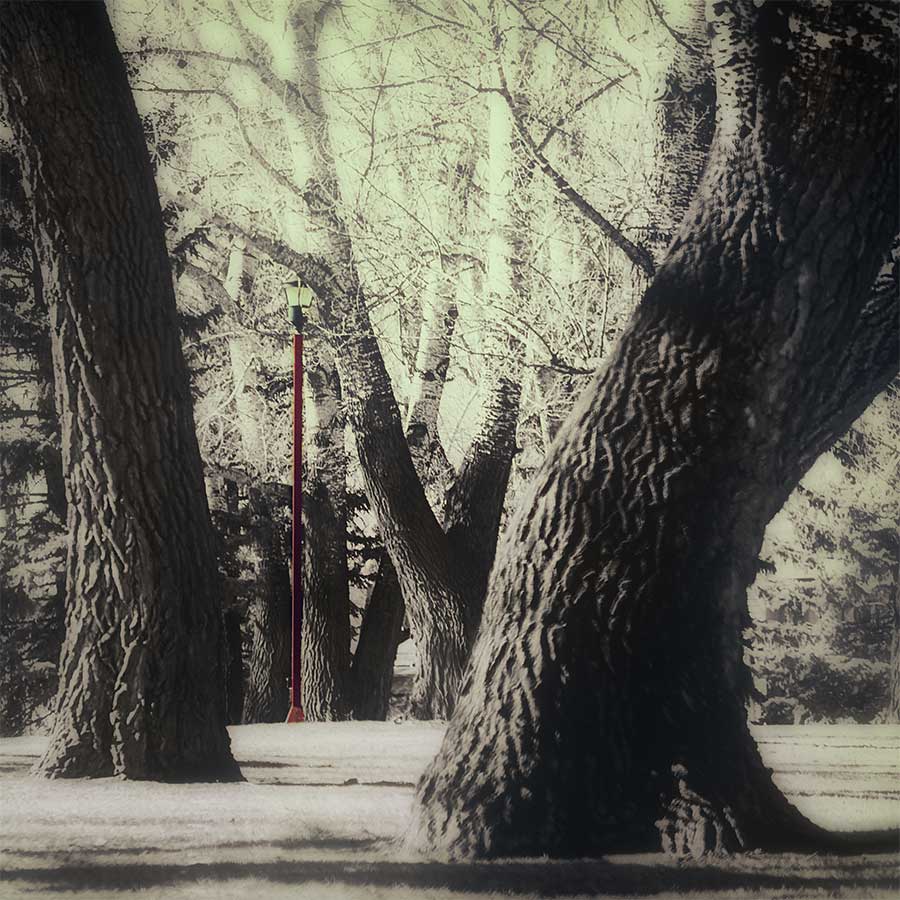

A short night
wakes me from a dream
that seemed so long ~Yayo
The life these words speak of is not the worth the ink they are written in…
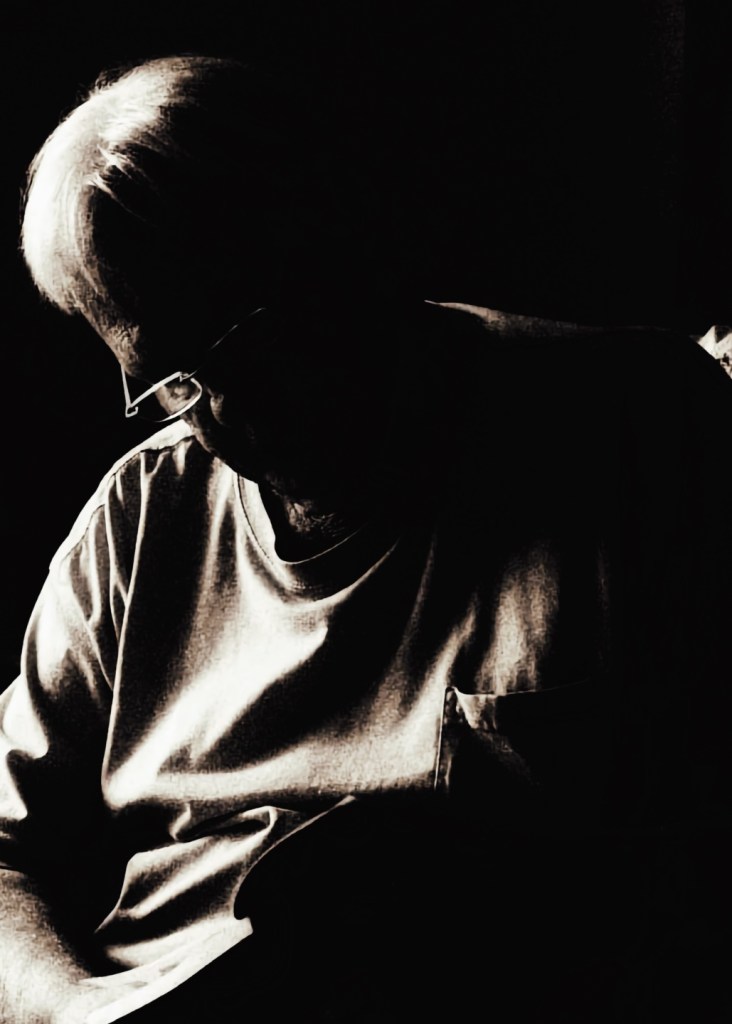
He now knows that the only words worth writing down arise when language is impossible.
~Andreï Makine, The Life of an Unknown Man
being open to beauty in imperfection

Sony RX100M3: f/3.2 1/6 s 8.8 mm 80 ISO
This week Anne (Slow Shutter Speed) begins the lens-artist challenge with a question, “Now what would happen if you had a fixed lens and had to walk forward, backward or sideways to get the shot?” Well … it is interesting how this simple question took me back to why I invested in telephoto lens … fixed lenses and street photography … yeah … even to image today using a fixed lens while walking down town … anxiety provoking.
Today, an autumn dove-gray sky … the gray that opens up the magnificence of reds, yellows, and oranges. A sweater-weather morning walk – forward, closer, and sideways – through the neighborhood garden.
Rather busy … should I move closer?
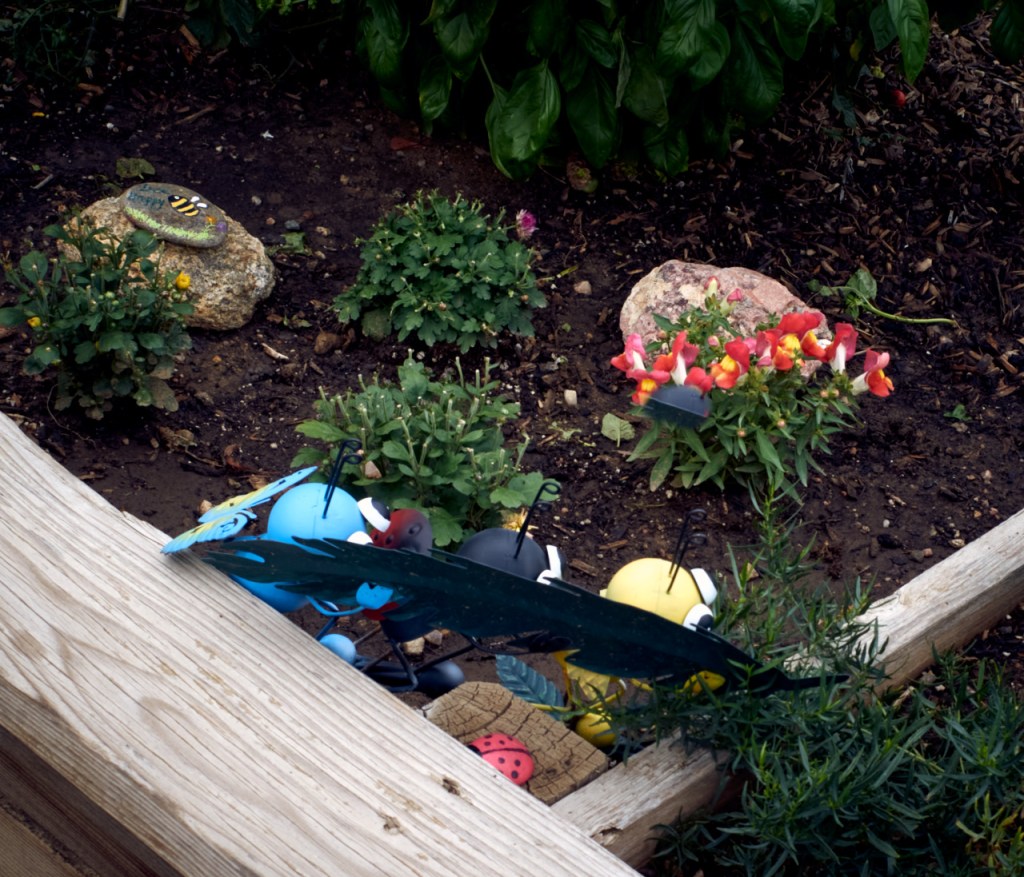
Ricoh GR III: f/8 1/25 s 18.3 mm 100 ISO
The painted rock in the left corner … more interesting than the blossoms?
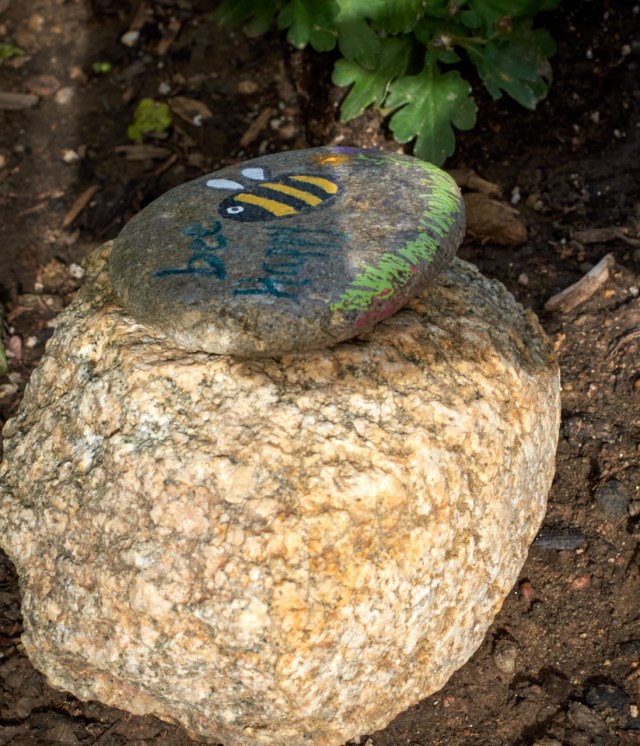
Ricoh GR III: f/8 1/125 s 18.3 mm 100 ISO
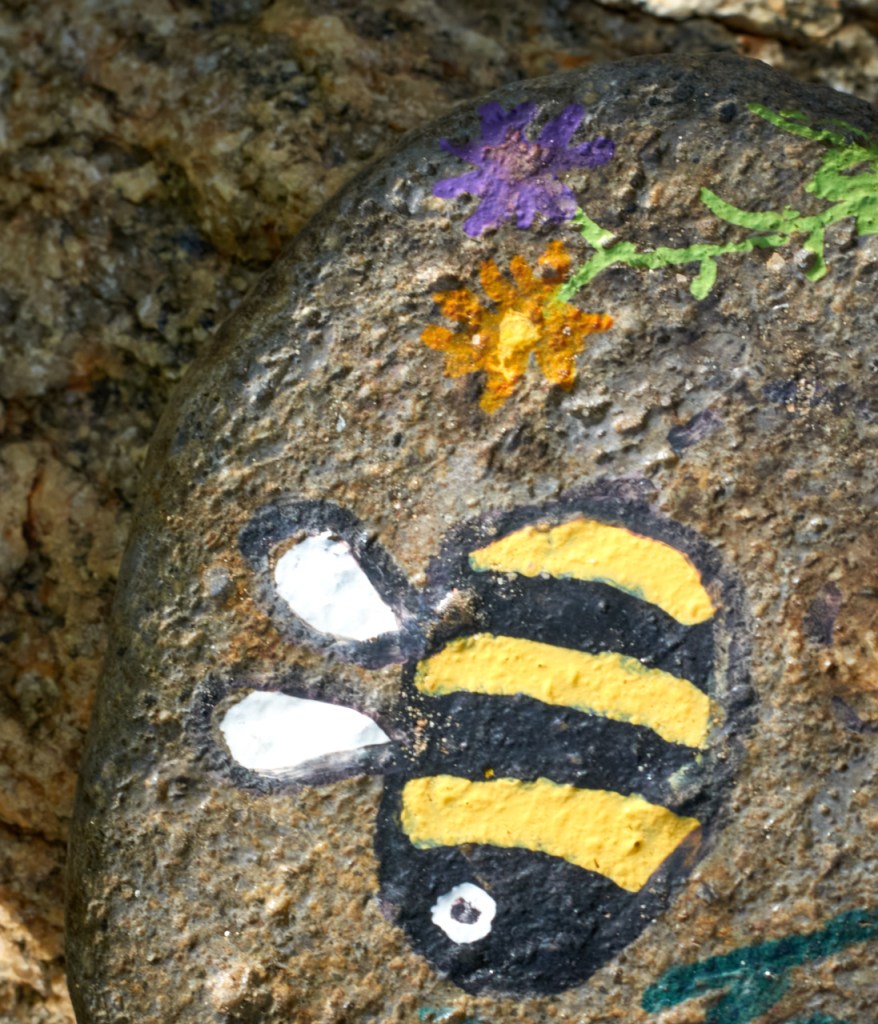
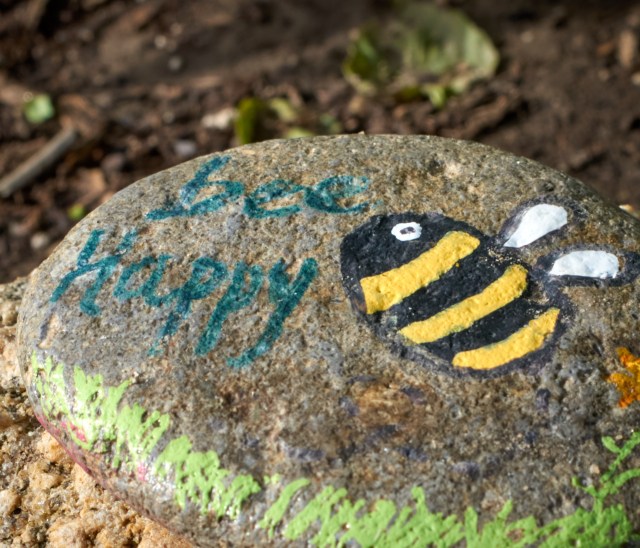
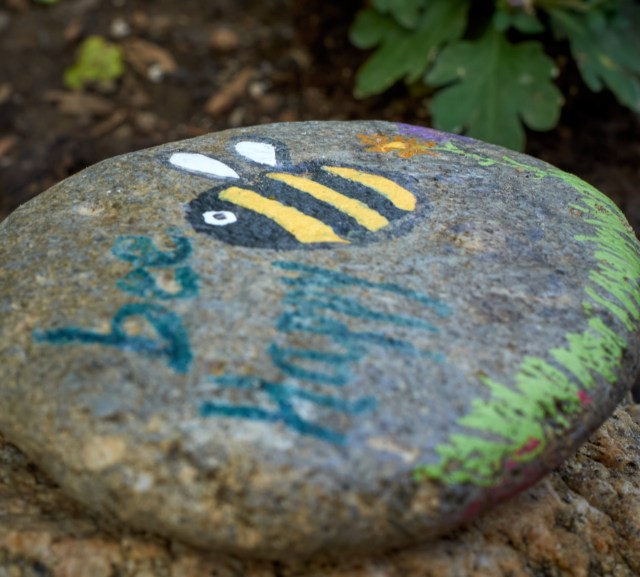
bee happy
taking up the brush
just for the joy of it
writing on and on
leaving behind
long lines of dancing letters. ~Otagaki Rengetsu

Fujifilm X-T4: f/4 1/25 s 80 mm 400 ISO
Leya invites lens-artist to share … a maximum of seven pictures illustrating harmony – the combination of separate but related parts within a work of art that uses their similarities to bring unity to a painting, drawing, or other art object.”
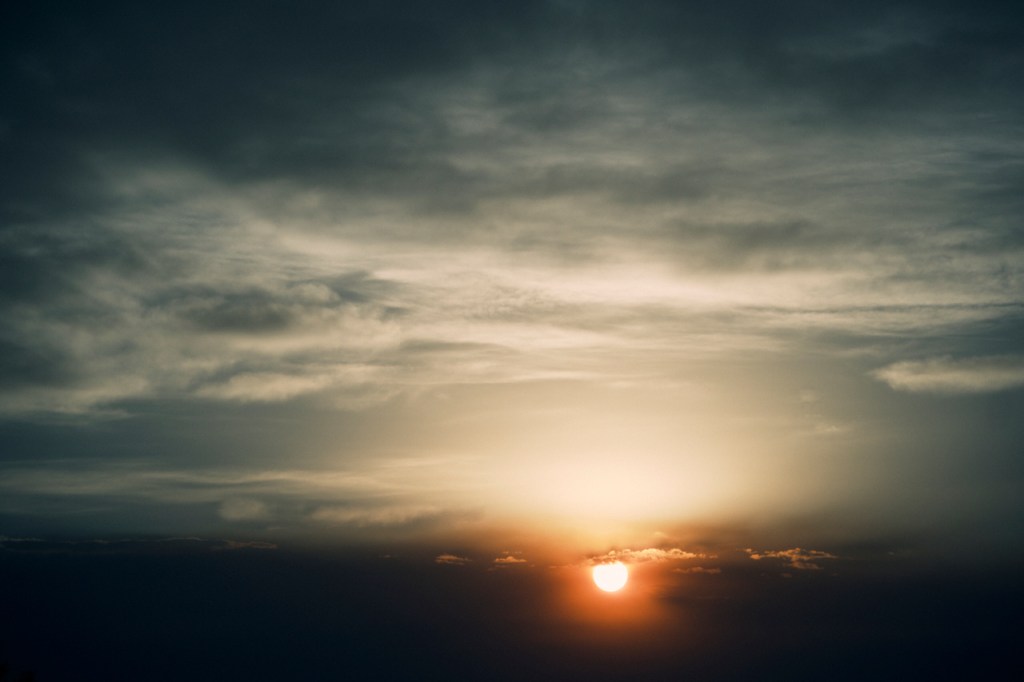
Visual harmony refers to the balance and cohesion of elements within an image. It involves strategically placing key components to create a sense of unity, order, and aesthetic appeal. When a photograph possesses visual harmony, it engages the viewer and guides their gaze through the frame, allowing them to appreciate the subject in a captivating manner. ~Boluwatife Ogunojuwo





Ricoh GR III: f/2.8 1/30s 18.3 mm 100 ISO
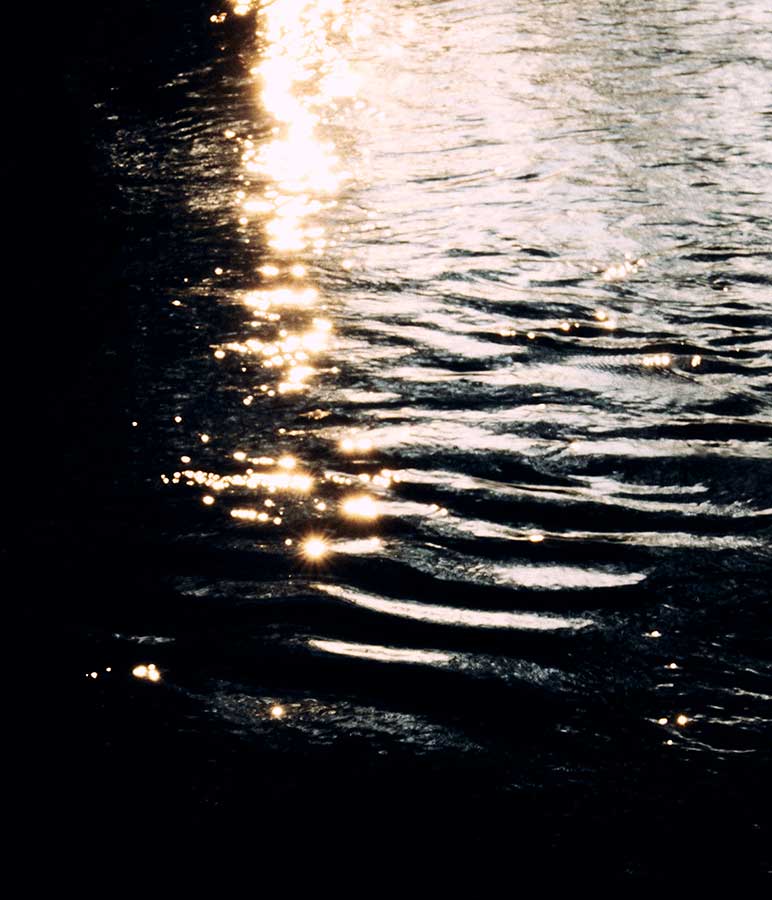
Journeys with Johnbo invites lens-artists to “share up to six waterscapes—images where water shapes the scene. Choose your favorite places, your favorite photos, or a single location that inspires you. Natural or man‑made, peaceful or wild—if water helps tell the story, it’s fair game.
Horsetooth Reservior
Long before white settlers and local folklore emerged, the mountains and plains surrounding Fort Collins and Larimer County were inhabited by Indigenous peoples for up to 12,000 years.
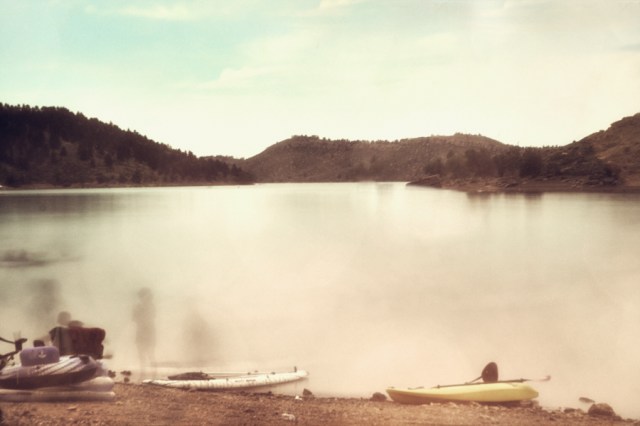
Tribal Presence: The traditional homelands in the Cache la Poudre River and Horsetooth area were shared, hunted, and traversed by the Ute, Arapaho, Cheyenne, and Shoshone peoples.
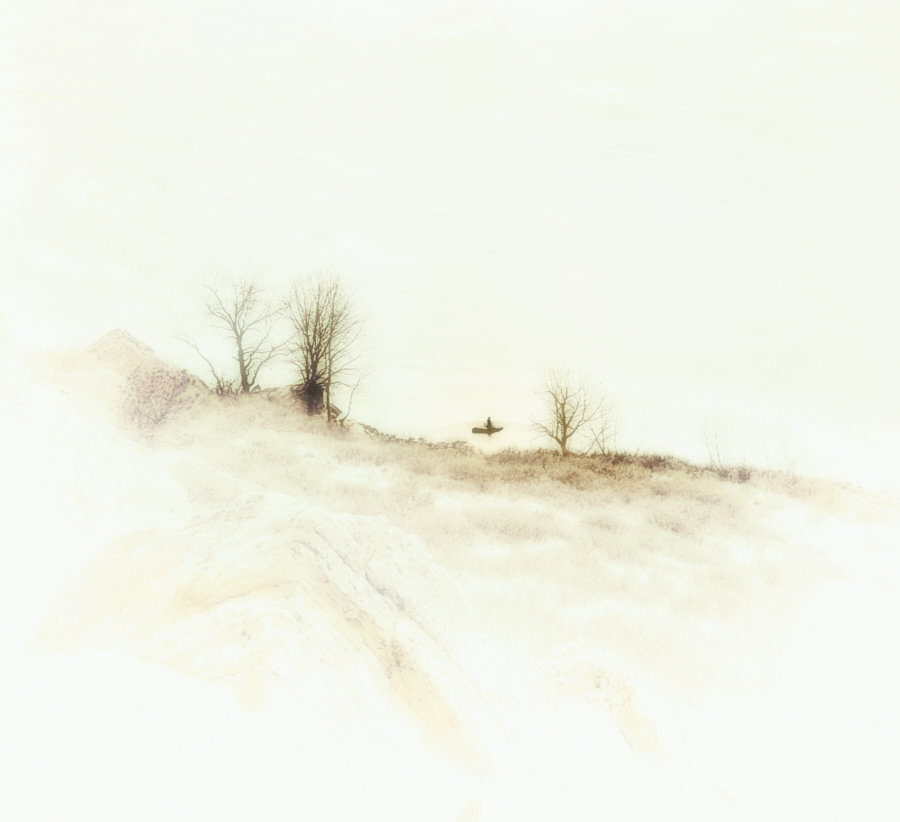
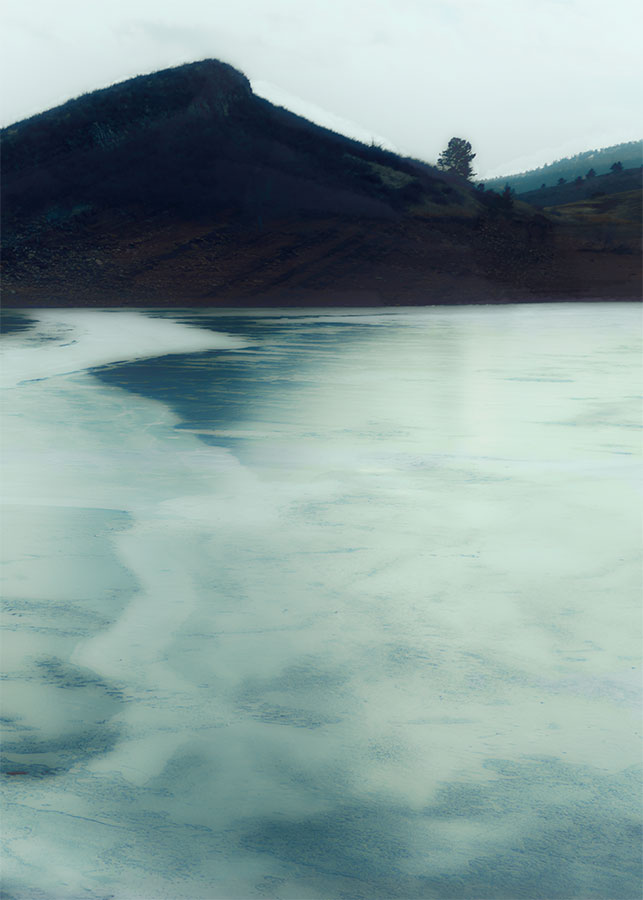
Relocation: During the mid-to-late 19th century, increased Euro-American settlement and federal policies forced these nations off their traditional lands onto distant reservations in Wyoming, Oklahoma, and southwestern Colorado.
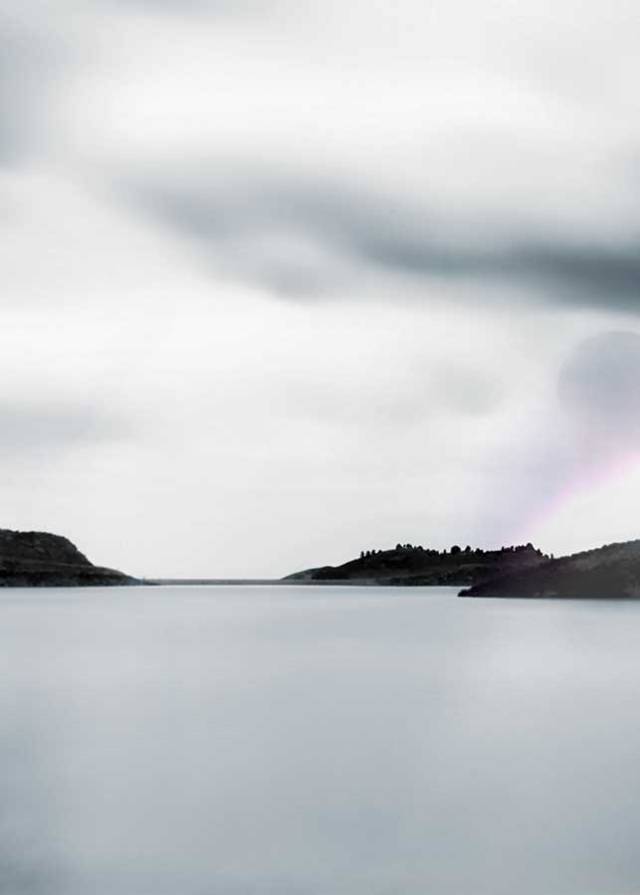
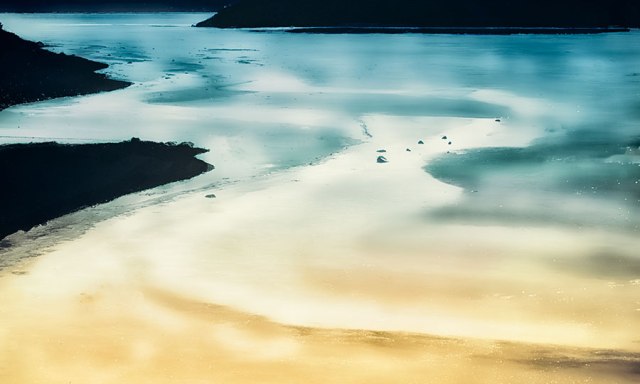
It is often recommended by photographers to return to the same location to help one to become aware of the changes of light and shadow and unseen details while building a unique personal history with the location that over times shares it’s history.

under exposure – ?
Sofia invites lens-artist to “think of anything that looks ambiguous, difficult to understand or unusual, look for details instead of the whole thing, conceal what might give away what your subject with editing, but most of all, have fun!”
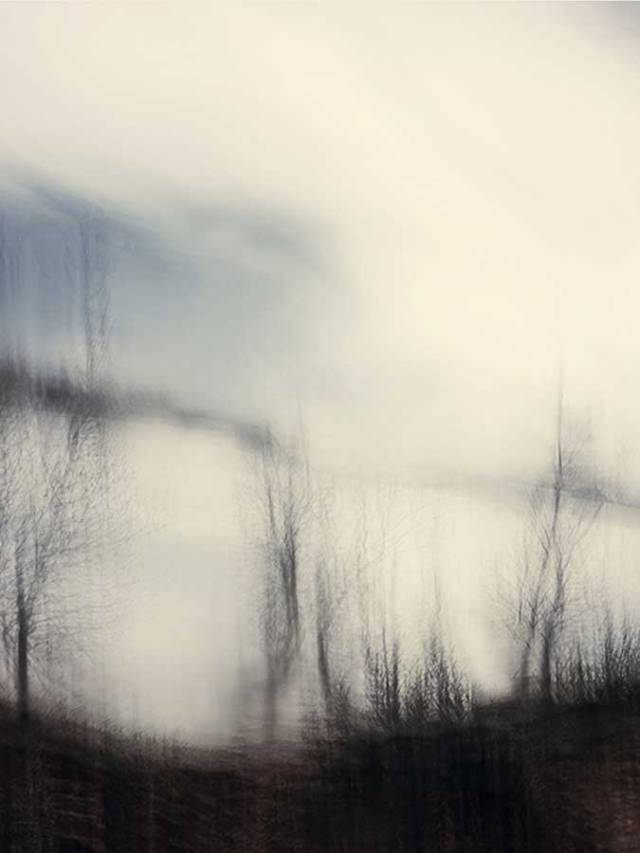
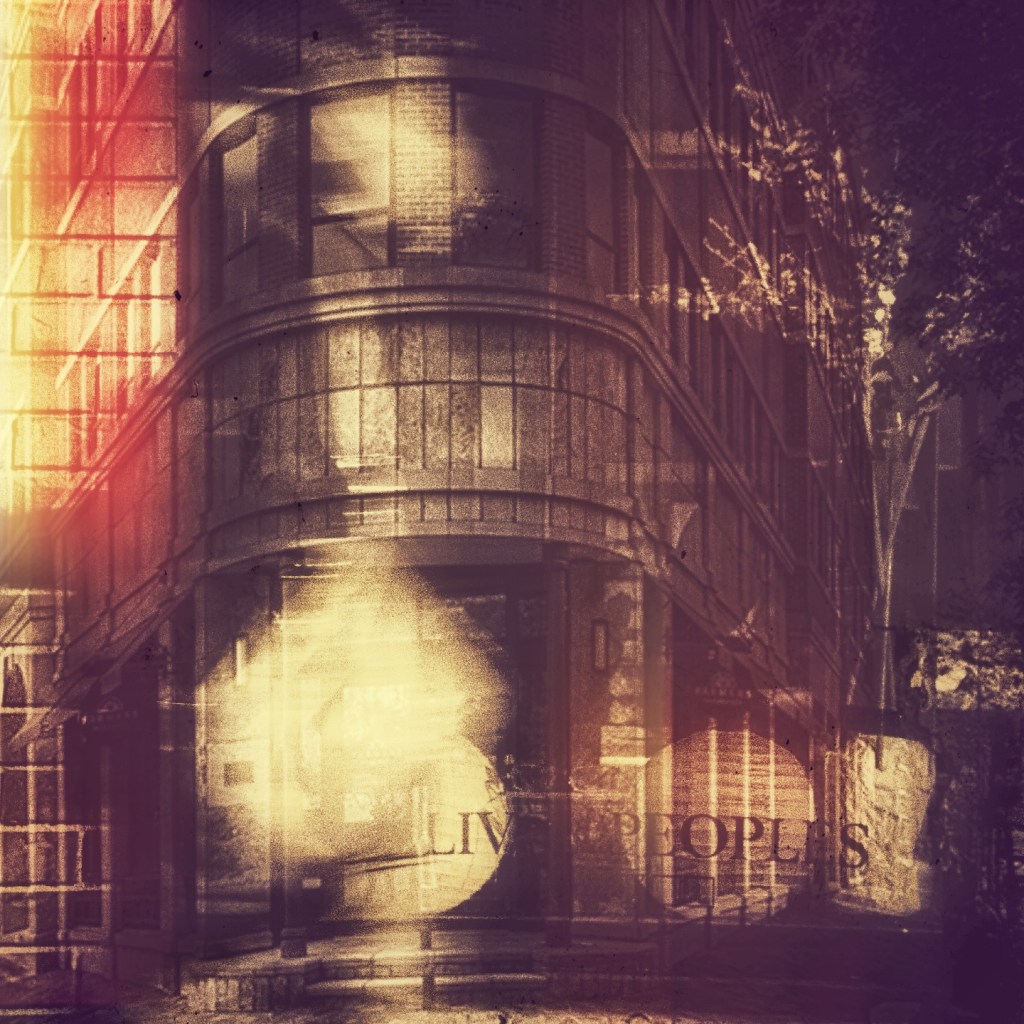
Looking back through images one finds a self on a journey of exploration. An exploration of the many ways to create images, in and out of camera: long exposure, double exposure, intentional blur, macro, points of view, long exposure combined with double exposure, selective coloring, and the list goes on.



Gallery
1.long exposure – lake, 2 macro/pov – salsifies, 3 edited blur – campus walkway
4. long exposure combined with double exposure – town square, 5. macro – jewelry, 7. dusk light – creek


You must be logged in to post a comment.