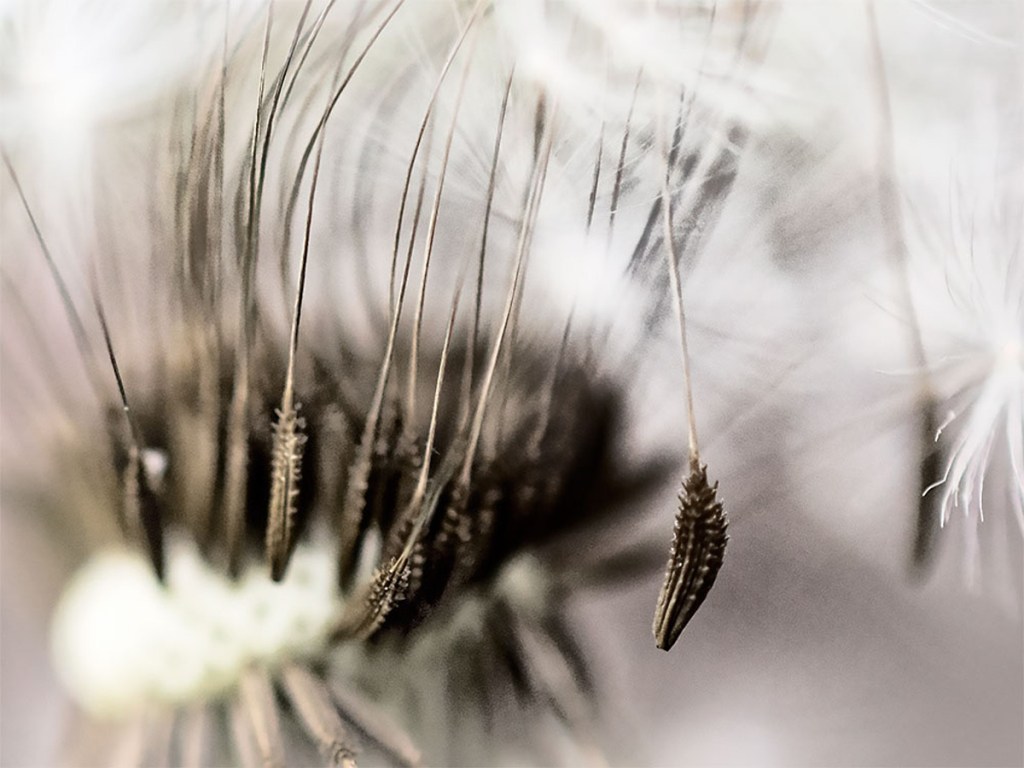
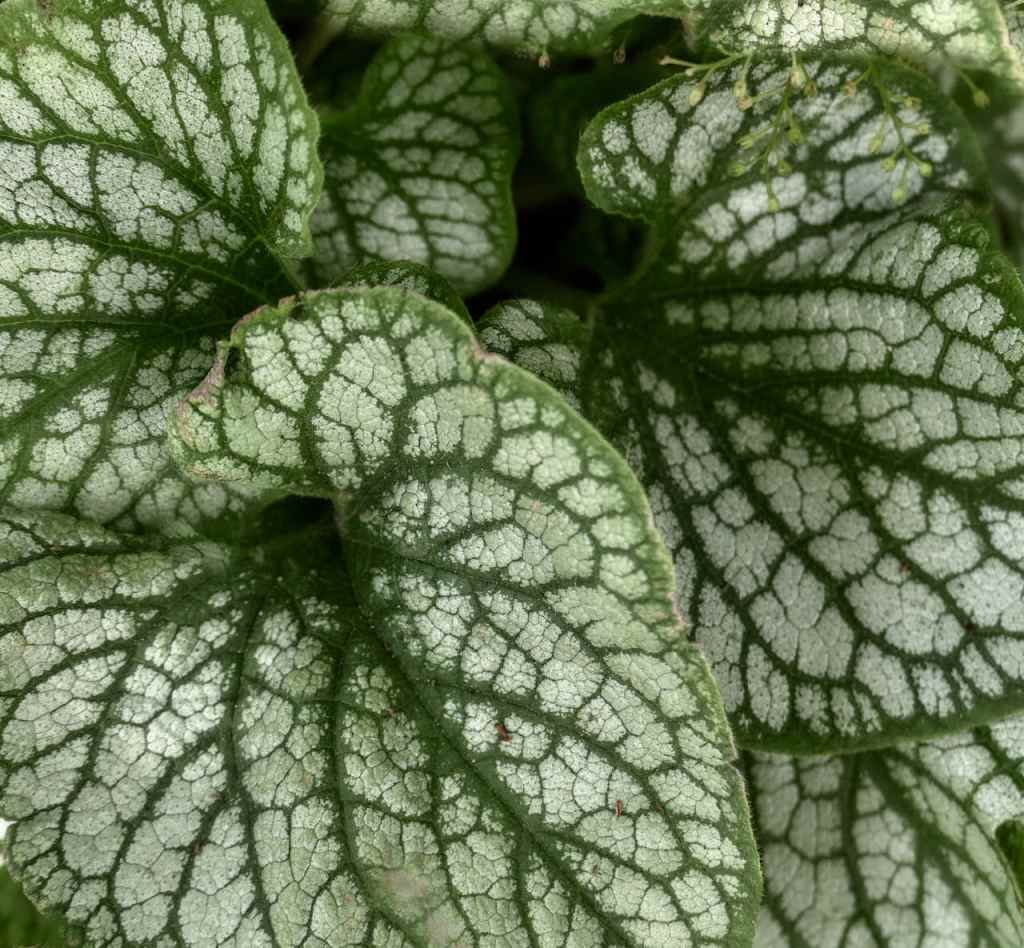
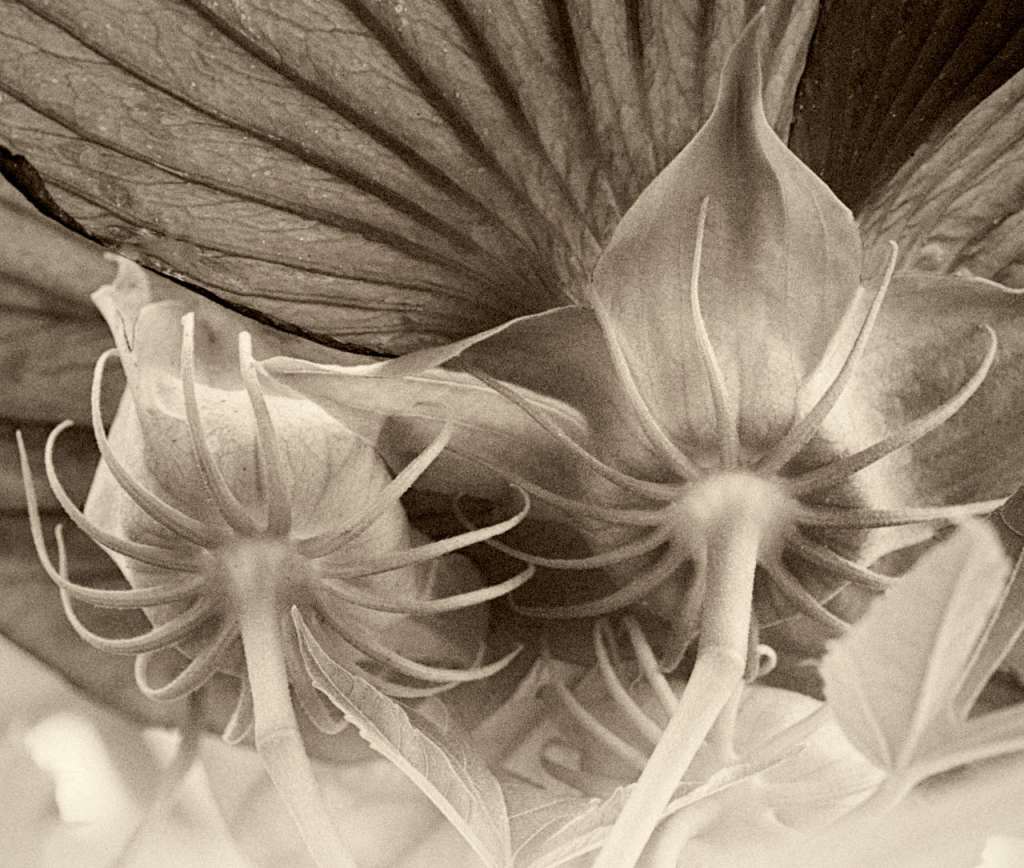
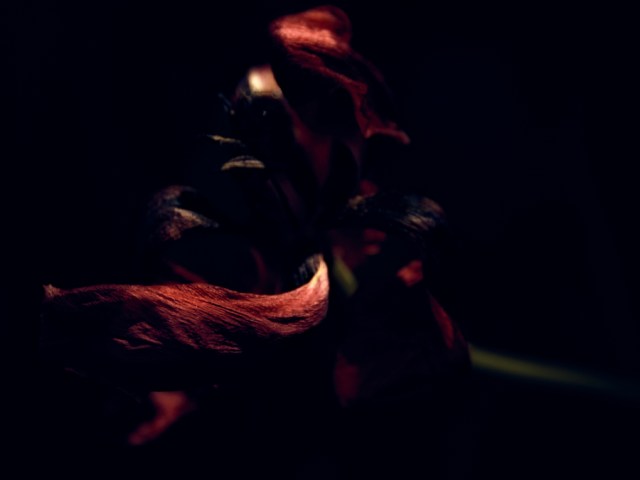
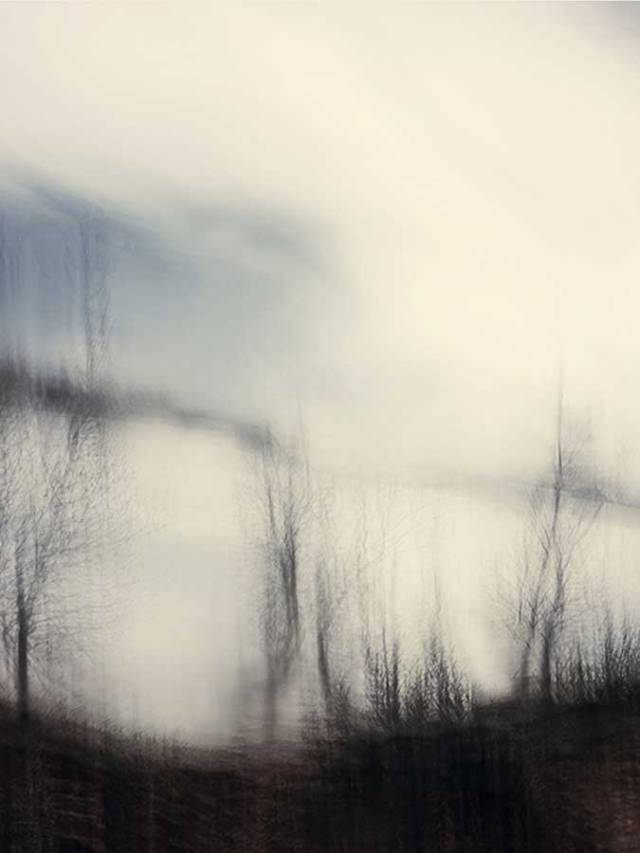
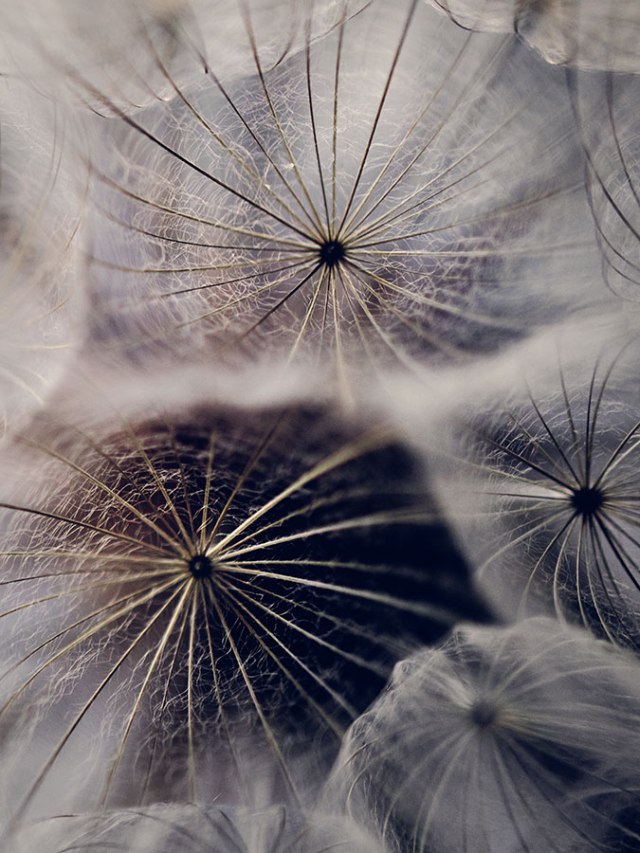
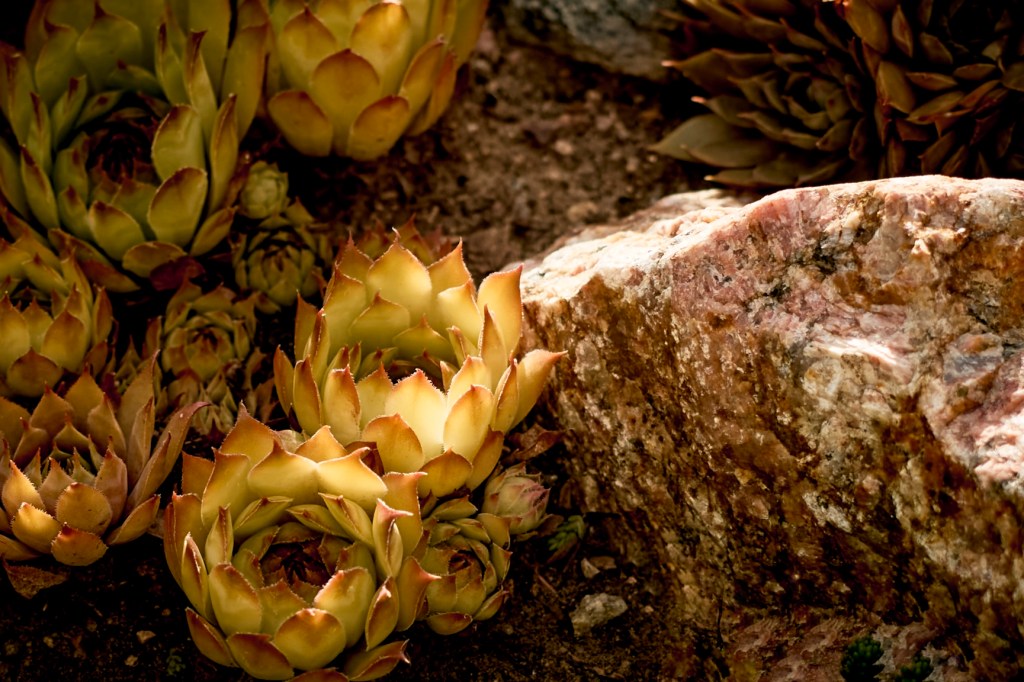
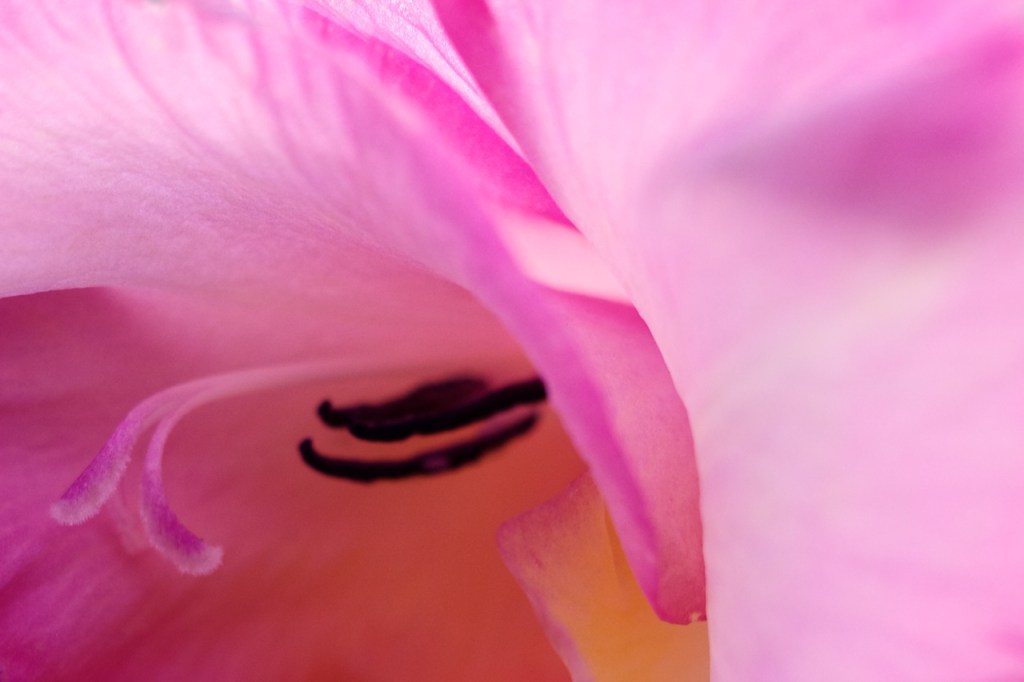
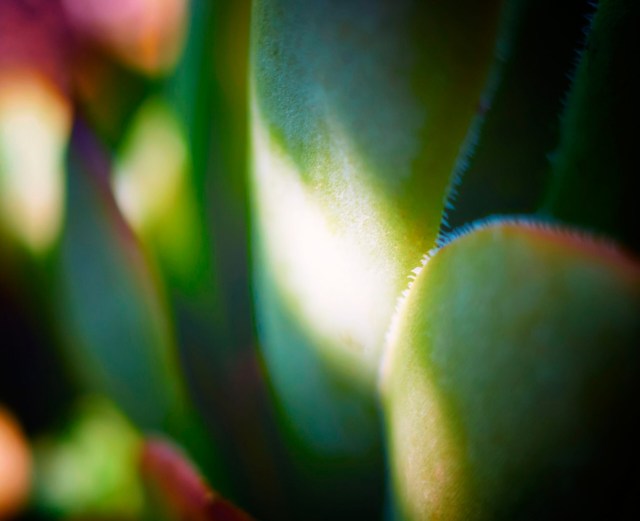
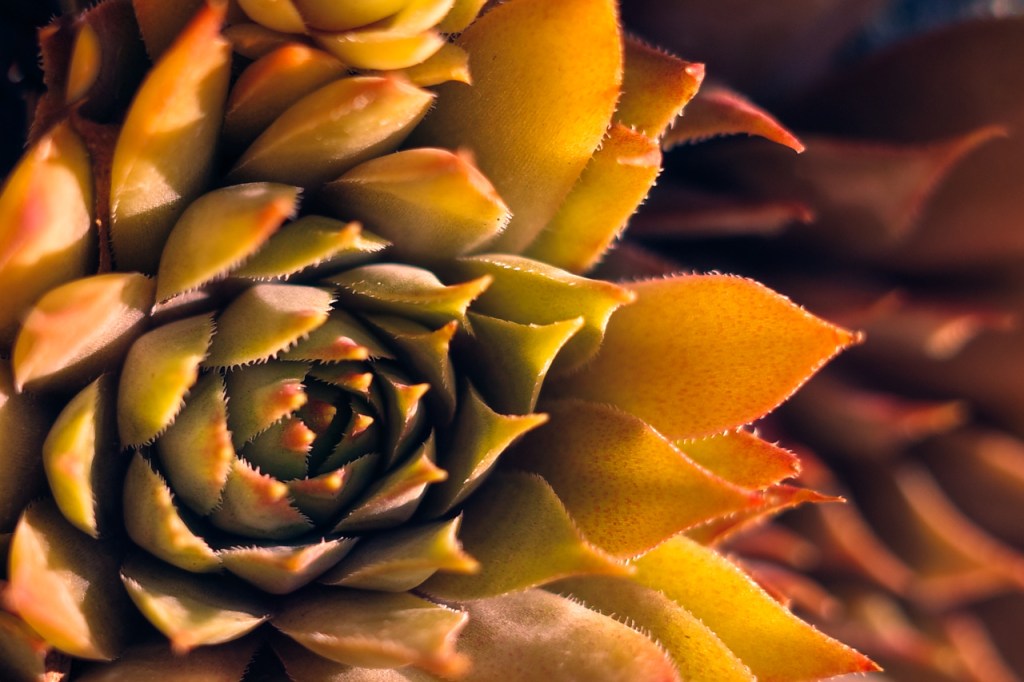
As I was strolling around the neighborhood garden, I was drawn to these 3 blossoms which would have been ideal for last week’s challenge: Rule of Thirds.
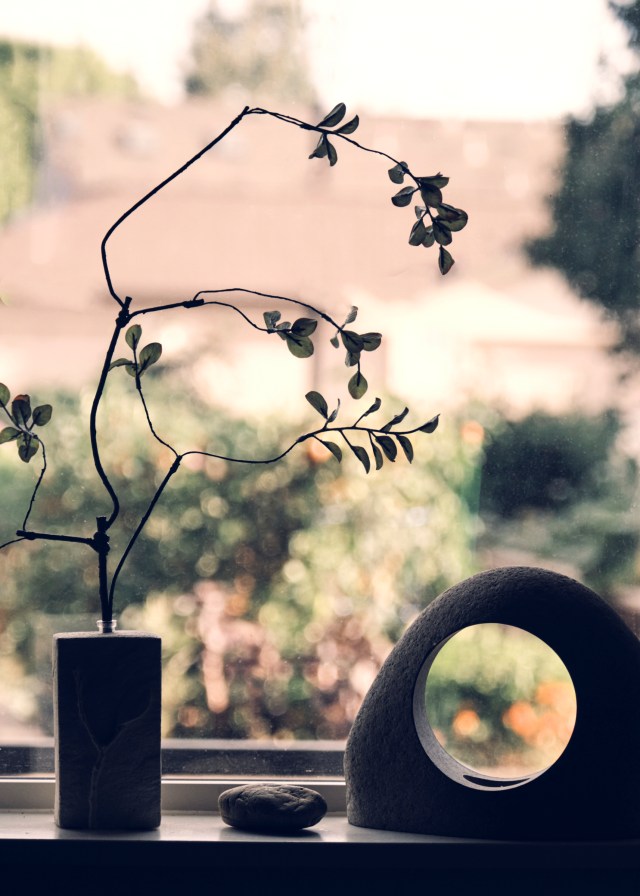
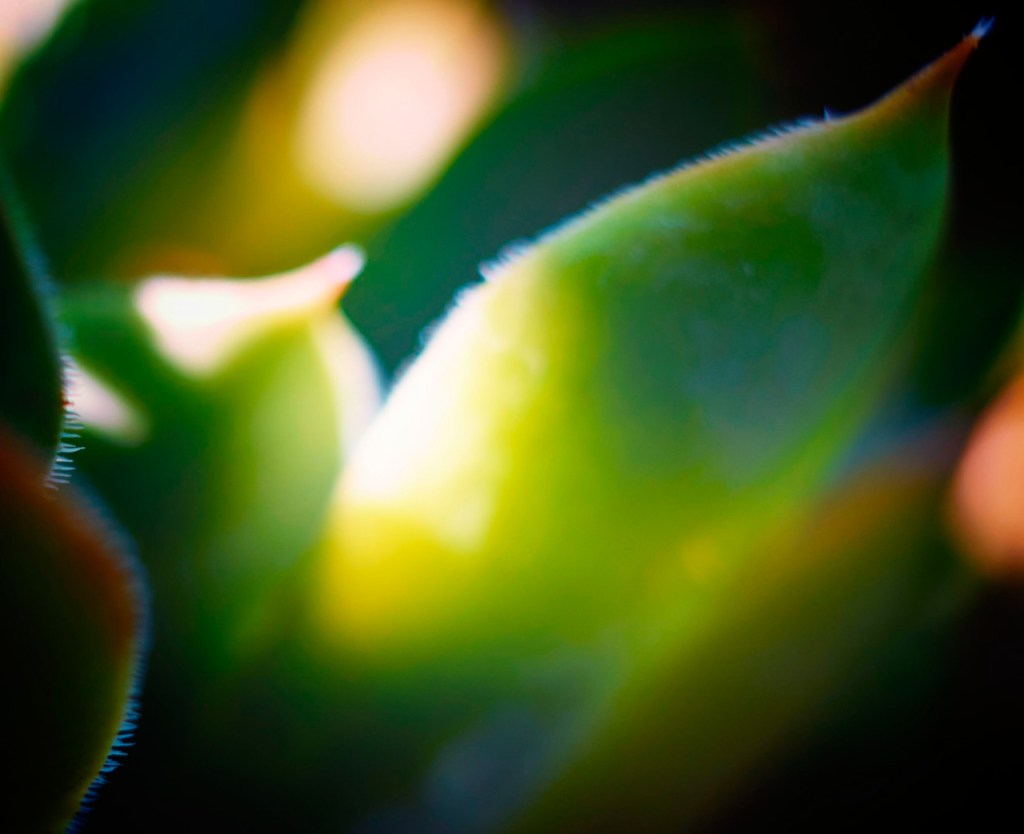
This image was created using selective focus and negative space.
Thank you Patti for this compositional challenge … the invitation to review compositional guidelines and then to walk with eyes wide open with a lens-artists’ companion “to focus” … heaps of fun!
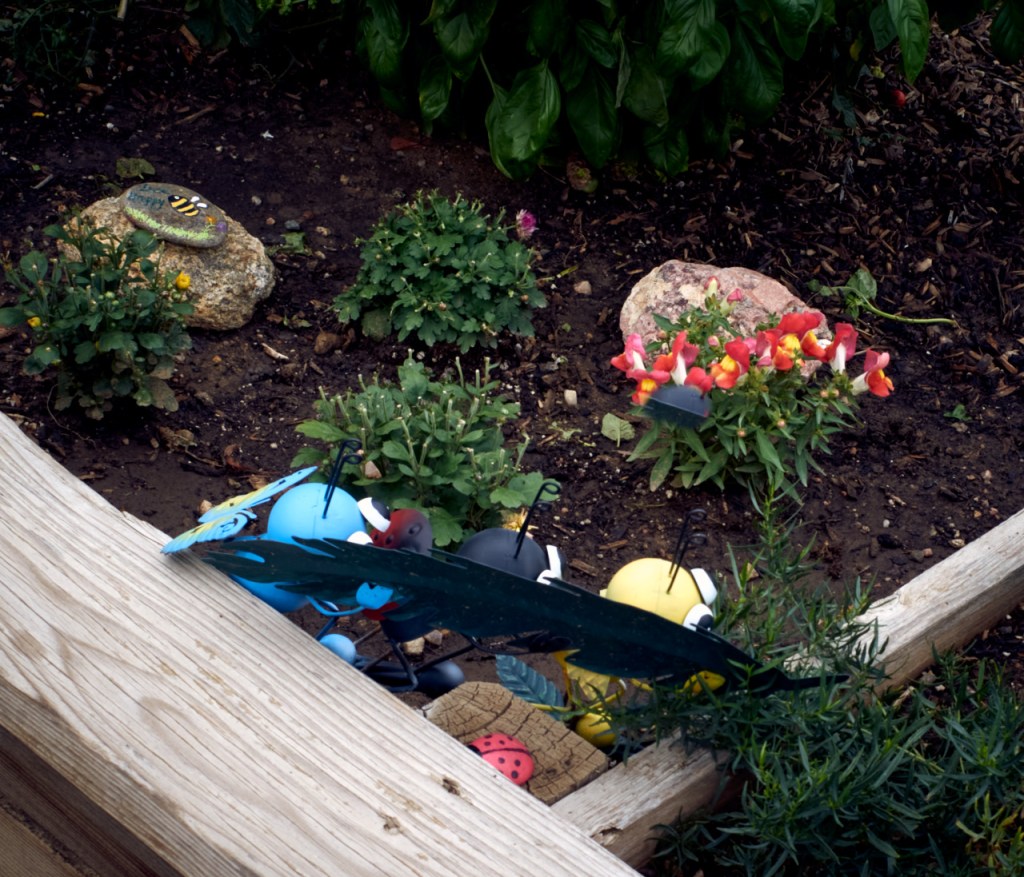
The community garden plot, number 10. It was unique in that it did not have rows of seeds identified by their individual packets, succulents in their geometric beauty, or organized rows of blossoms. His plot … “intentional neglect” … the phrased he used while on a photo walk through London’s cemeteries.
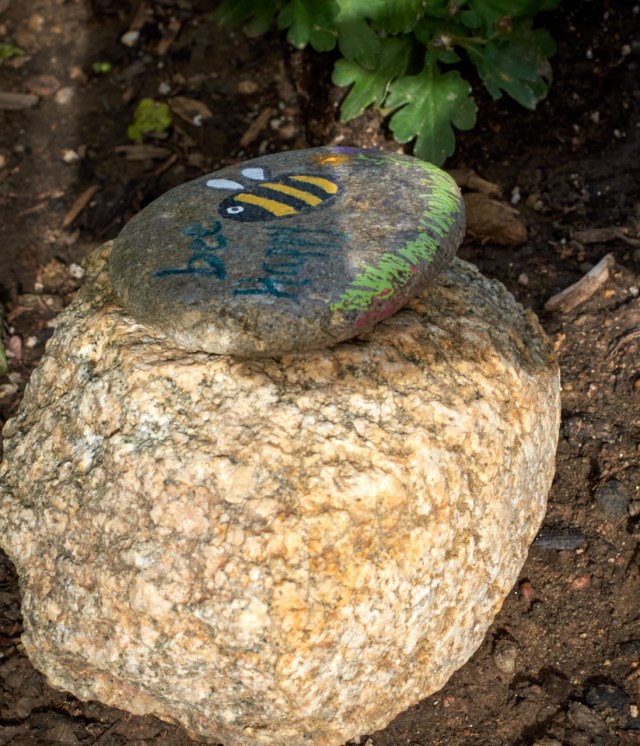
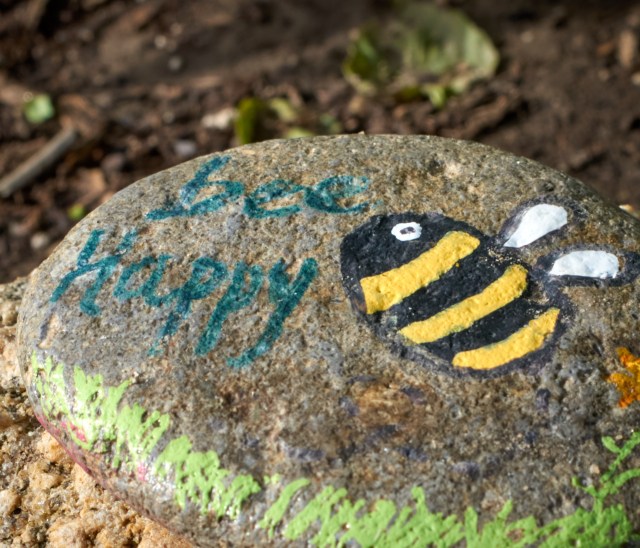
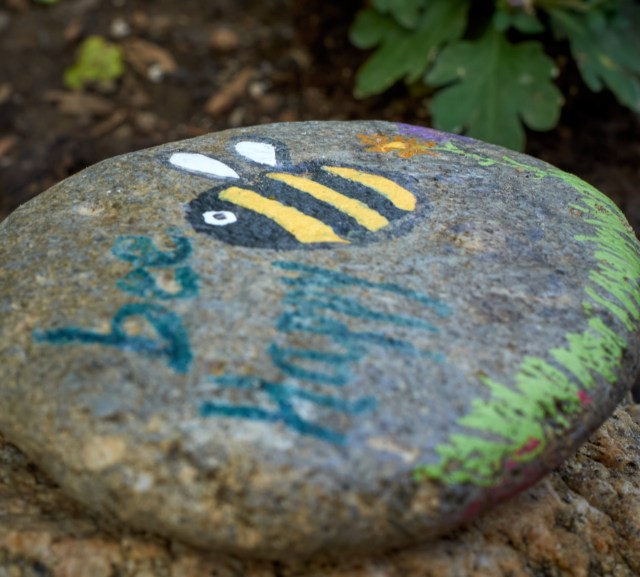
Community plot number 10 … today, a row of rocks intentionally placed on the boarder … parallel to seedlings … messaging life, beginning new.
Yet … these rocks carefully defining the border of plot number 10 by a person unknown invites a remembering of stones carefully placed upon graves … silent messages of individual memory, presence, permanence, and respect.
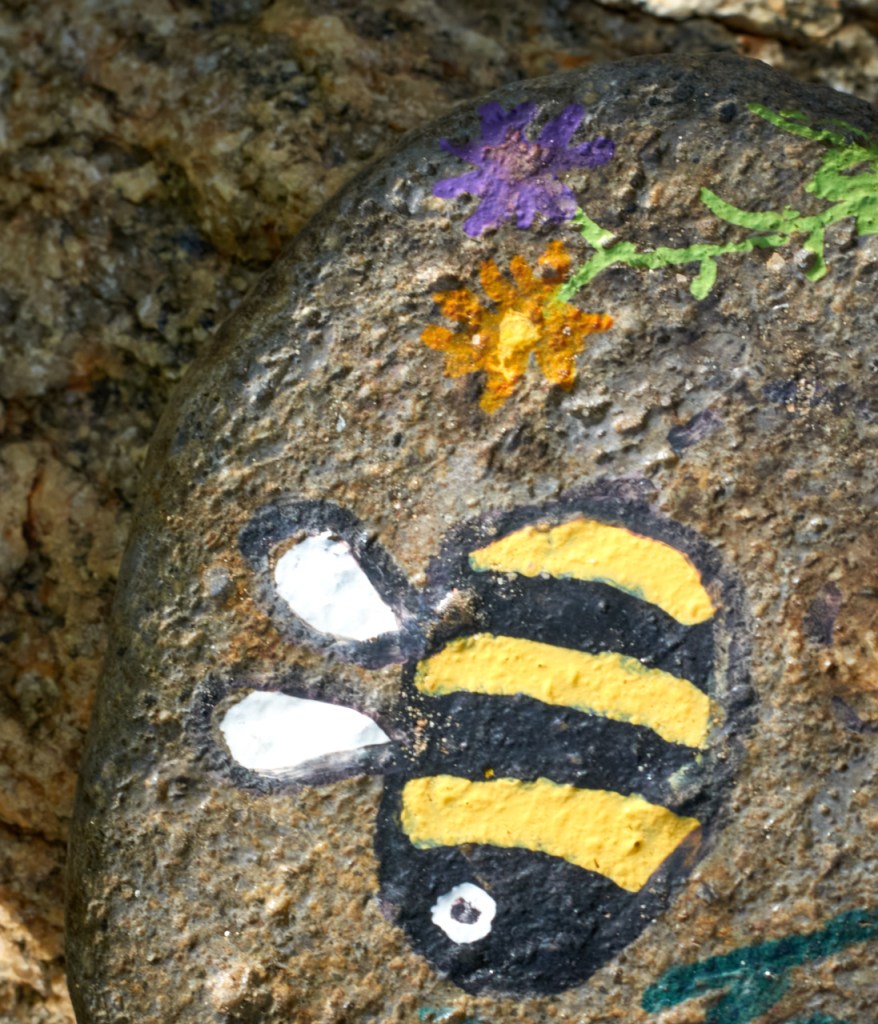
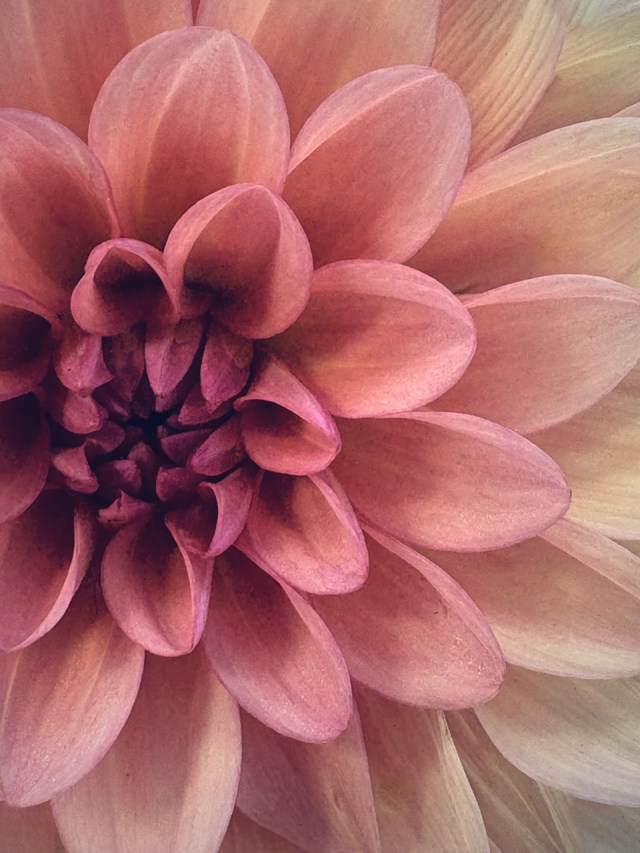
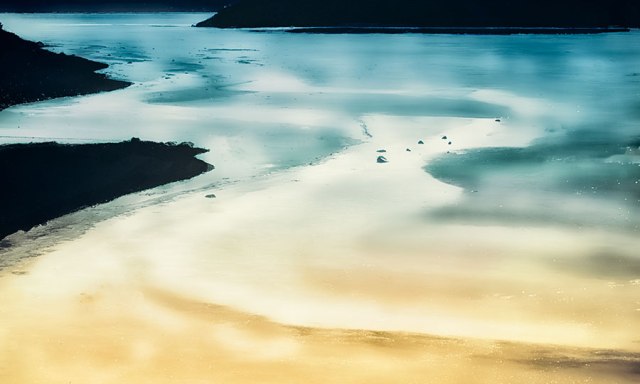
My eyes love the wet on wet water color blending of yellow ochre, red violet, and tea green.
Ochre, a warm and earthy color, lies between yellow and brown on the color wheel. This clay-like hue suggests natural pigments and rustic tones, with shades like yellow ochre and brownish-yellow. It’s great for adding a grounded, timeless feel to designs, perfect for evoking a natural, inviting atmosphere.
But…yellow ochre seems to reach out and touch my soul…especially during the autumn.
Red-violet is a vibrant, bold shade blending red and violet. Located between red and purple on the color wheel, it exudes energy and creativity.
Tea Green is a light pastel shade of Green. It has high lightness and low saturation and is a pastel color. Tea Green is a warm color.
Unlike other bright or deep colors, ochre combines easily with a wide range of hues. It goes very well with neutral tones such as white, beige or light grey, but can also dialogue with more intense colors such as navy blue, olive green, or even accents of burgundy red for a bolder effect.
Every life is a point of view directed upon the universe. Strictly speaking, what one life sees no other can. Every individual, . . . is an organ, for which there can be no substitute, constructed for the apprehension of truth . . . Without the development, the perpetual change and the inexhaustible series of adventures which constitute life, the universe, or absolutely valid truth, would remain unknown . . . Reality happens to be like a landscape, possessed of an infinite number of perspectives, all equally veracious and authentic. The sole false perspective is that which claims to be the only one there is. ~José Ortega y Gasset
One of the magical things about photography is the transformation that takes place when you photograph something. Something that inherently has very little going for it, in terms of interest you take in it, can become infinitely more interesting when rendered as a photograph. ~ Grant Mudford
…our ordinary vision is limited, and…our conventional consensus of reality is not the only version of reality.
The complex multidimensionality of the modern world no doubt contributes to the constructive habit of the mind that, in its attempt to provide meaning, continually rearranges the world to fit individual needs. The failure to recognize the constructive nature of the mind can be a major obstacle to artistry and creativity. Conversely, understanding the constructive nature of the mind and reality can lead the way to Great Understanding in the art of photography and in the art of living. ~Philippe L Gross & S.I. Shapiro, Tao of Photography
It is interesting how there are quotes that – like old friends – wander throughout life with us offering bits of wisdom here and there. Leya for this Lens-Artists invitation.
“Show me, then. Convince me. Roll back the rock. Return … . All of her. Gift her back to me, all sewn up and pretty and dark-eyed again. That’s all I ask. Is that too much? No more whining from me, no more weeping, no more complaints. A heavenly stitch, that’s all I ask. And bring back … too, for …, for me, for …, for …, for …, for … for all of us. And while you’re at it, bring back … and … and … and … and … and … and … and … and … and … and … and … and … and … and … and … and … and … and … and … and … and … and … and … and every other one under this hot murdering sun. Is that too much to ask for? Is it?”*
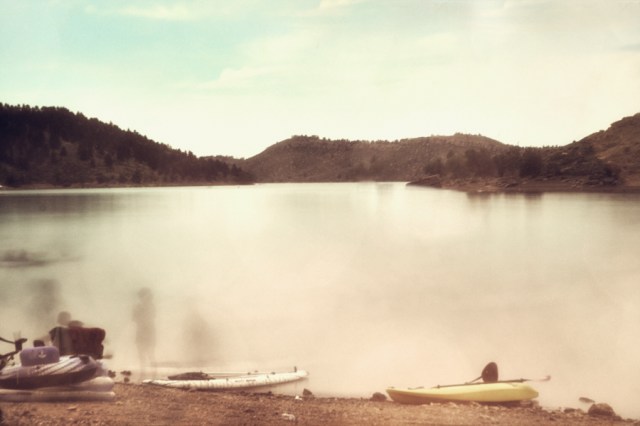
This week Wandering Dawgs looks back into lens-artists’ history to July 3, 2012 – John’s challenge #151: On the Water – and invites photographers to “show anything on the water.”
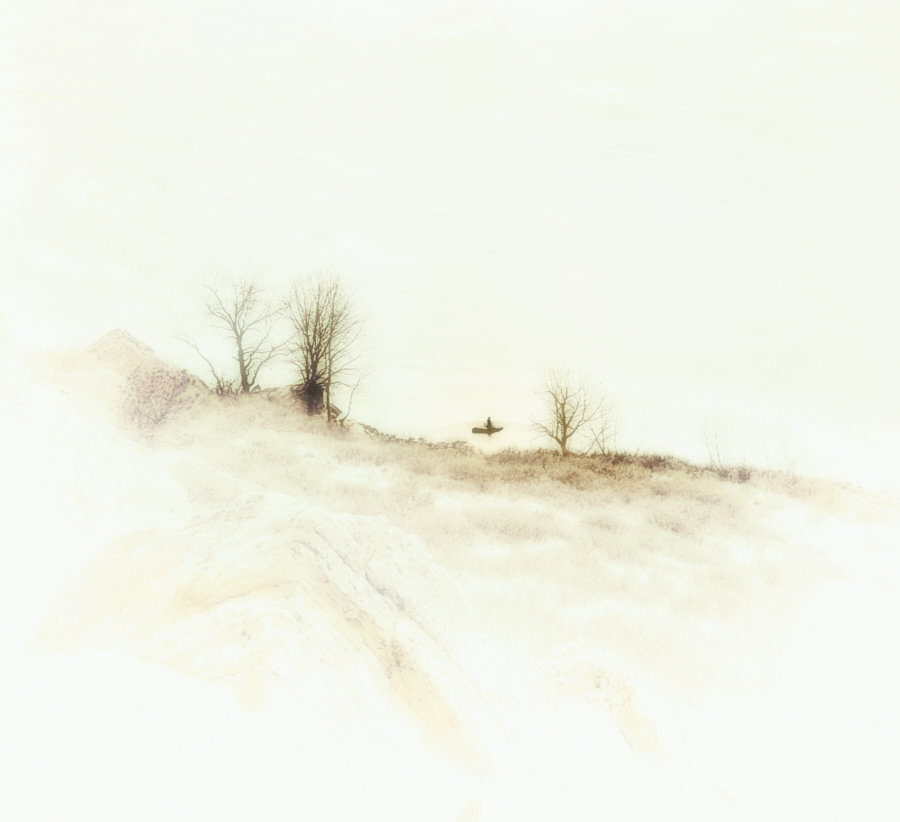
The magical moment of seeing a wasp dance on water was one of the images posted for John’s On the Water challenge.
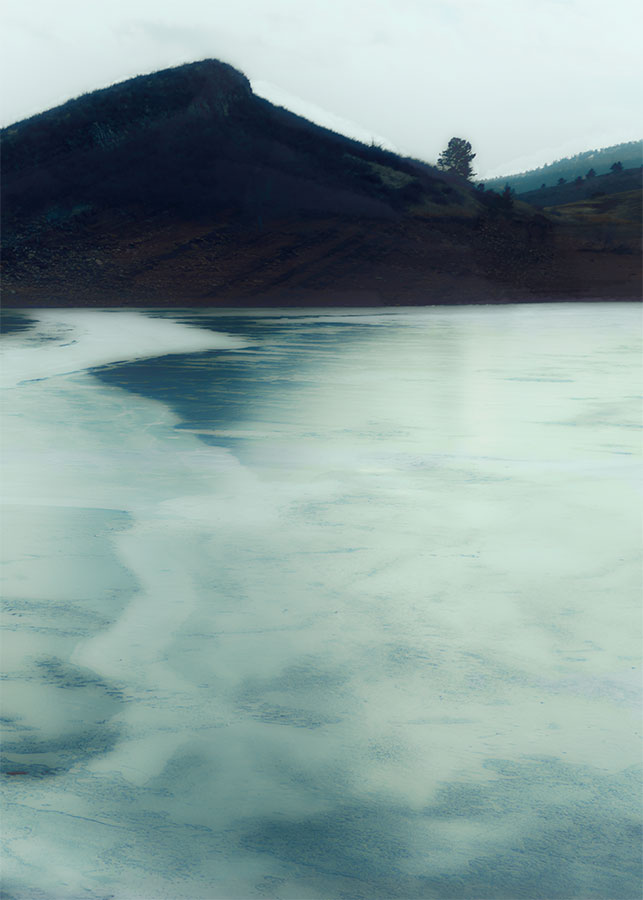
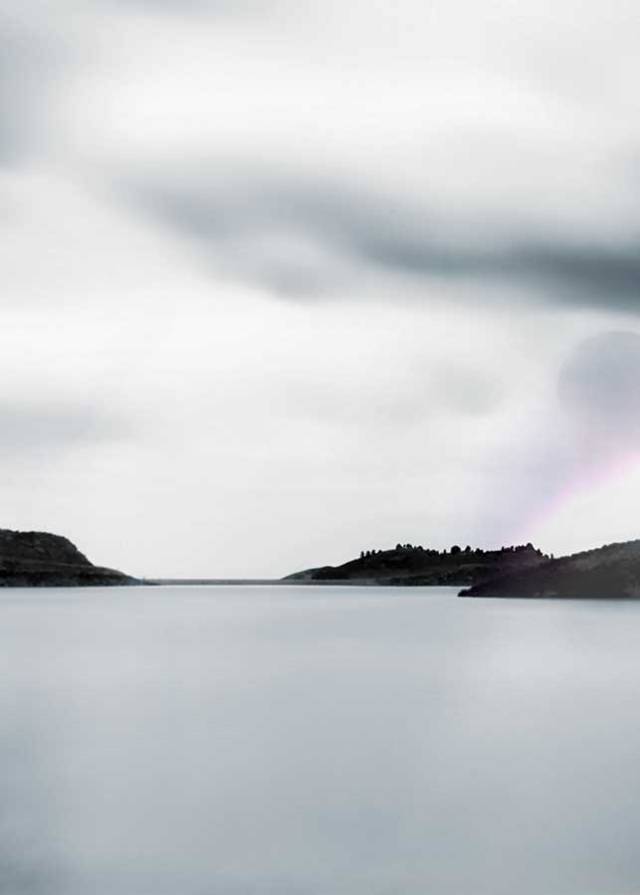
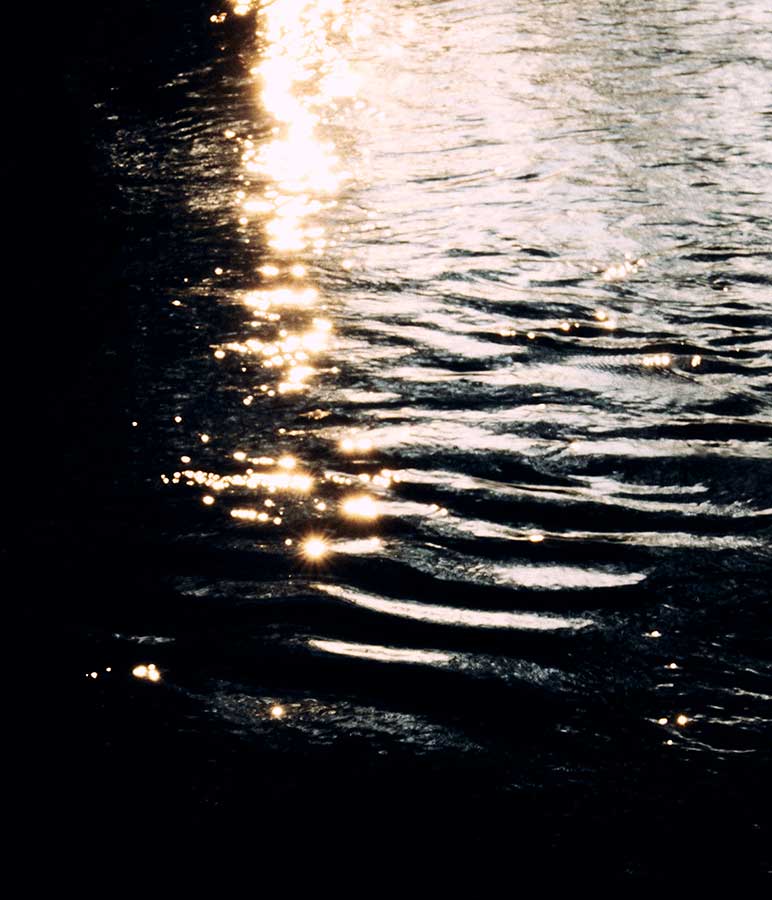
Being on water are moments of energy …
and quiet reflection
Thank you Beth for your invitation to review and reflect on past moments of time “on the water.”
April’s calendar … April, a month of increasing memorial days eclipsing birthdays.
When from the neighbouring garden the perfume-laden air Saturates my soul with memories, Rises the thought of the beloved plum-tree Blooming under the eaves of the house which is gone. ~ The Sarashina Diary
April is my mother’s birthday as well as her memorial month. April … a month of revisiting moments … reacquainting with an amazing woman … a person.
When we were together, within our mother-daughter roles, were we strangers hidden behind our labels?
April is my great-granddaughter’s birthday. A month of celebration … of joy …. of cuddly soft buddies … of new beginnings
The three grounds within this black and white image begins with the play of light and shadow at the bottom of the page. The shadowed lines on the left side of the image brings the eye to the tree and human figure in the mid ground and then to the trees in the background.
The spot light on the bathroom counter was the eye catcher for me. The toothbrush holder and its shadow defines the foreground. The tissue box sits within the middle ground while its reflection in the mirror creates the background.
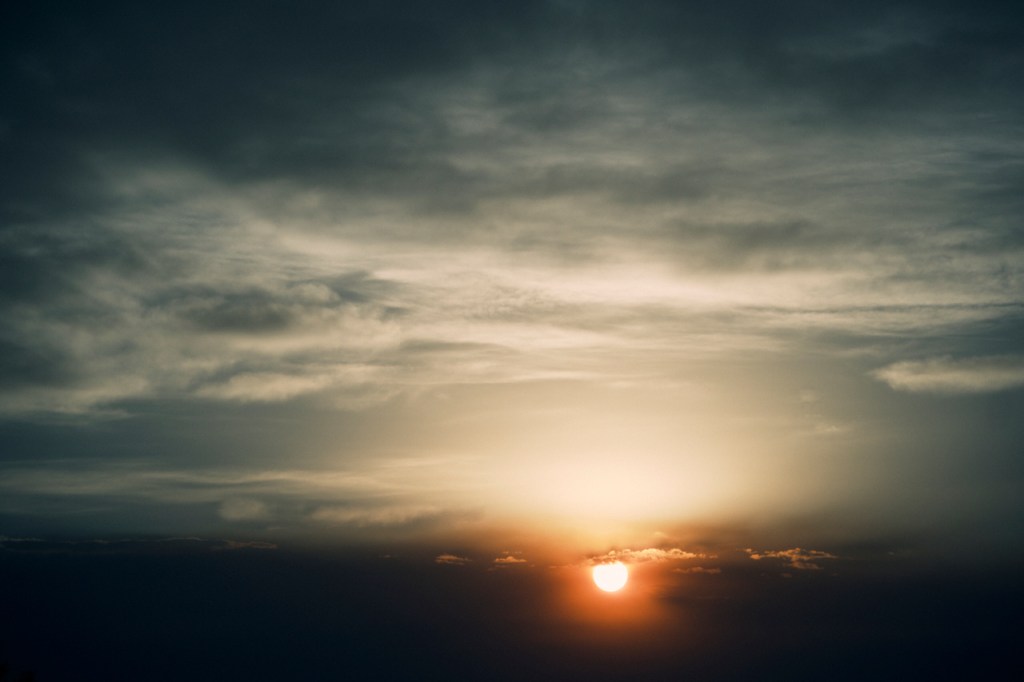
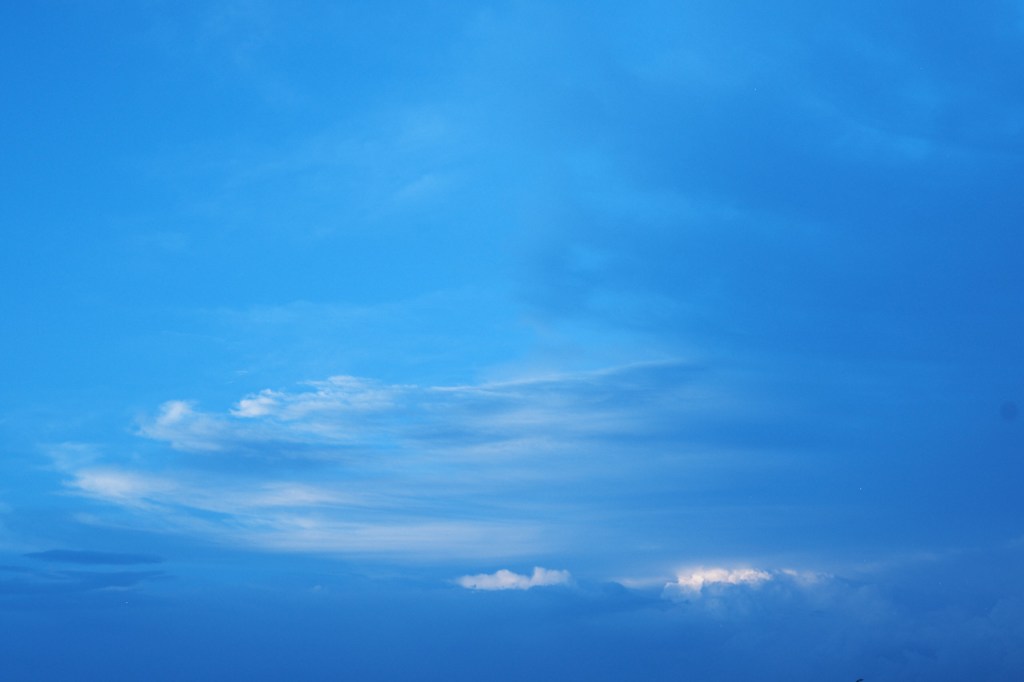
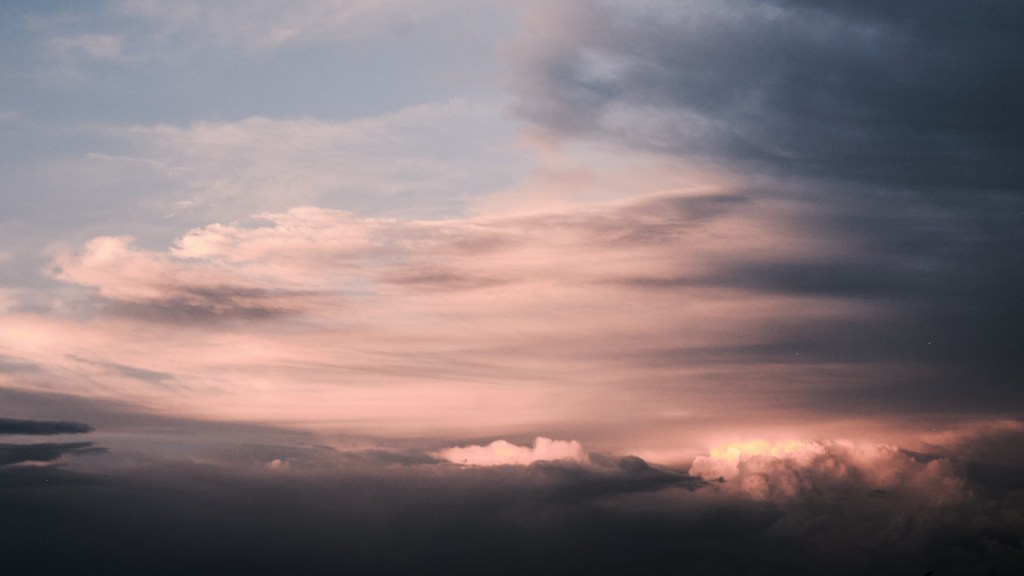
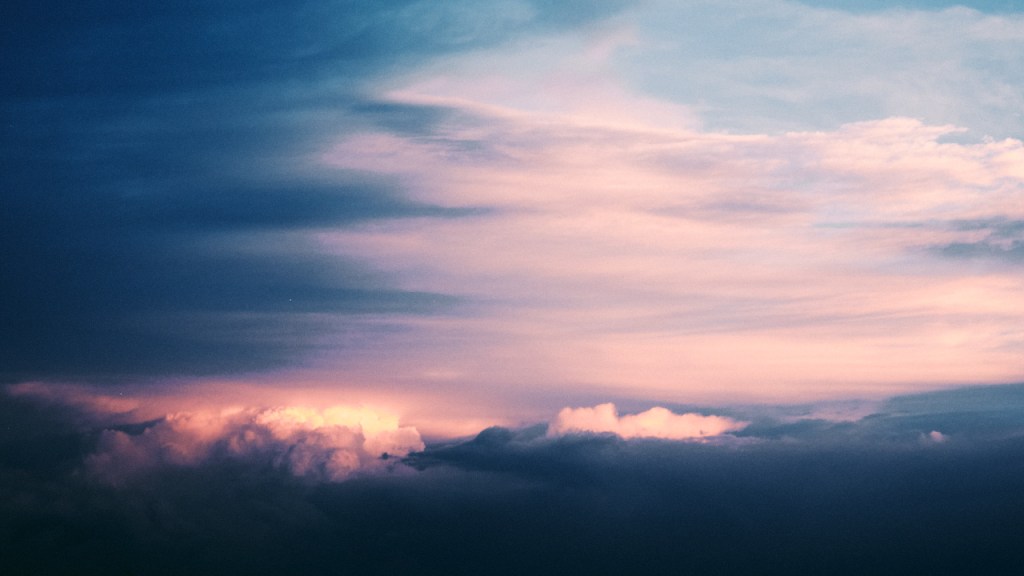
Since warm colors seem to be closer than cold colors could one of my dawn images offer an exploration of how color may come into play creating the three grounds. I see the foreground defined by the black horizon while the morning’s sun light as well as the orange in the sky creating the middle ground as the sky’s blue at the top of the image brings us to the background.
I find it interesting that most Chinese landscapes contain three individual vertical plans to represent depth within paintings. The foreground usually consists of “earthly bound” objects like people, animals, buildings, and forest. The middle plane often represents emptiness in the form of clouds, mist or water. The background plane often includes “heavenly” elements such as hills and mountains as well as sky. The Chinese landscape painters did not use perspective as we paint it in representational art (or see it via the one-point perspective lens of a camera), but instead showed depth with the three planes. In each one of these planes negative space – emptiness – plays a key compositional role.*
in this grass hut. ~Ryokan (Trans: K Tanahashi, Sky Above, Great Wind)
As I watch the eastern horizon’s transition from the black of night to first light’s opaque colors and then to sunrise’s pastels, I find myself asking,” “What is it that you are waiting for? Or, are you, unknowingly, waiting for someone?”
The morning news filters into my consciousness, blinding me to what is now, and another cycle of searching and editing of words … sentences … meaning begins an undeclared battle with internalized others; fragmented, abstract, vague, absent others.
You must be logged in to post a comment.