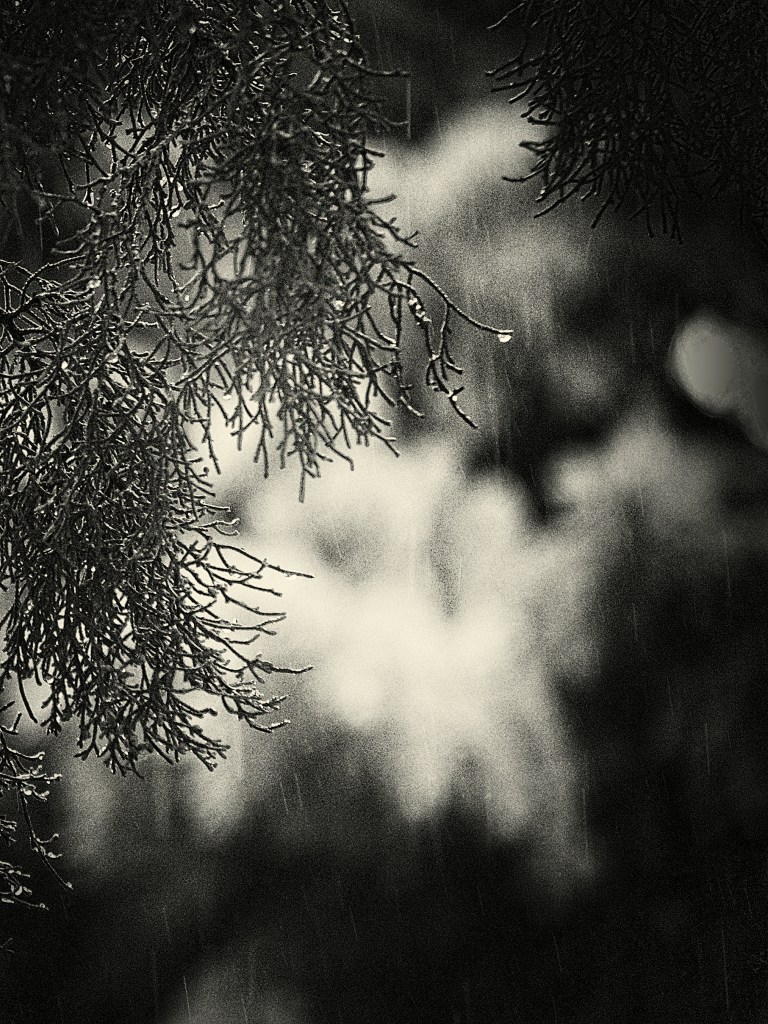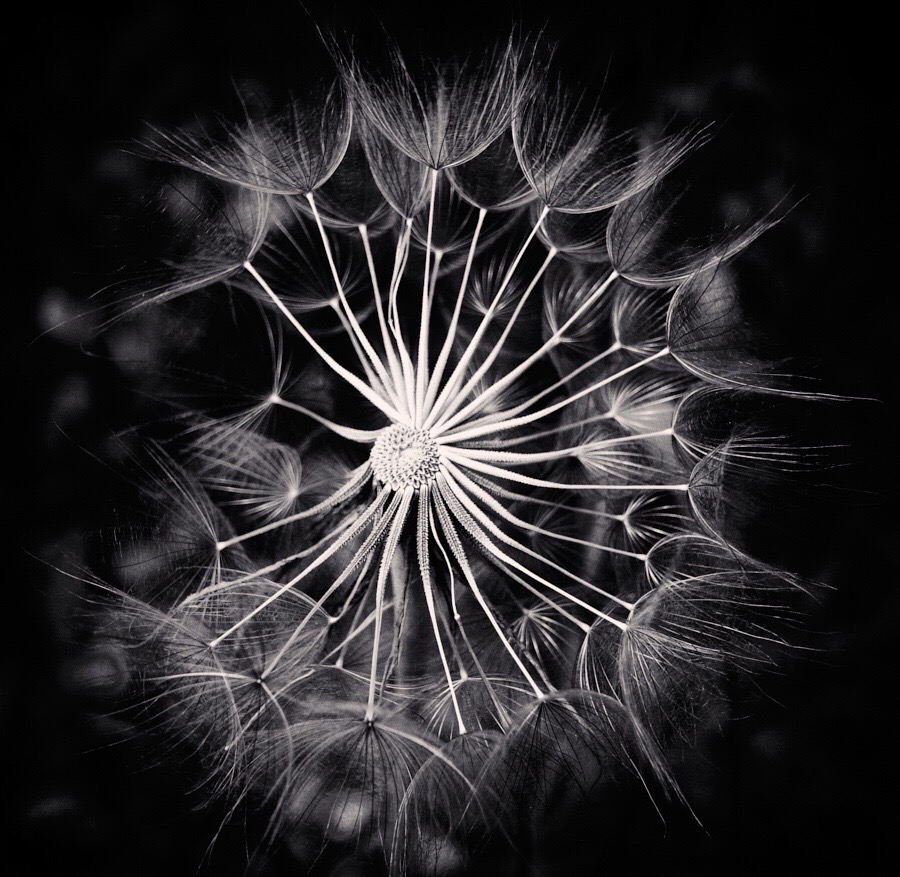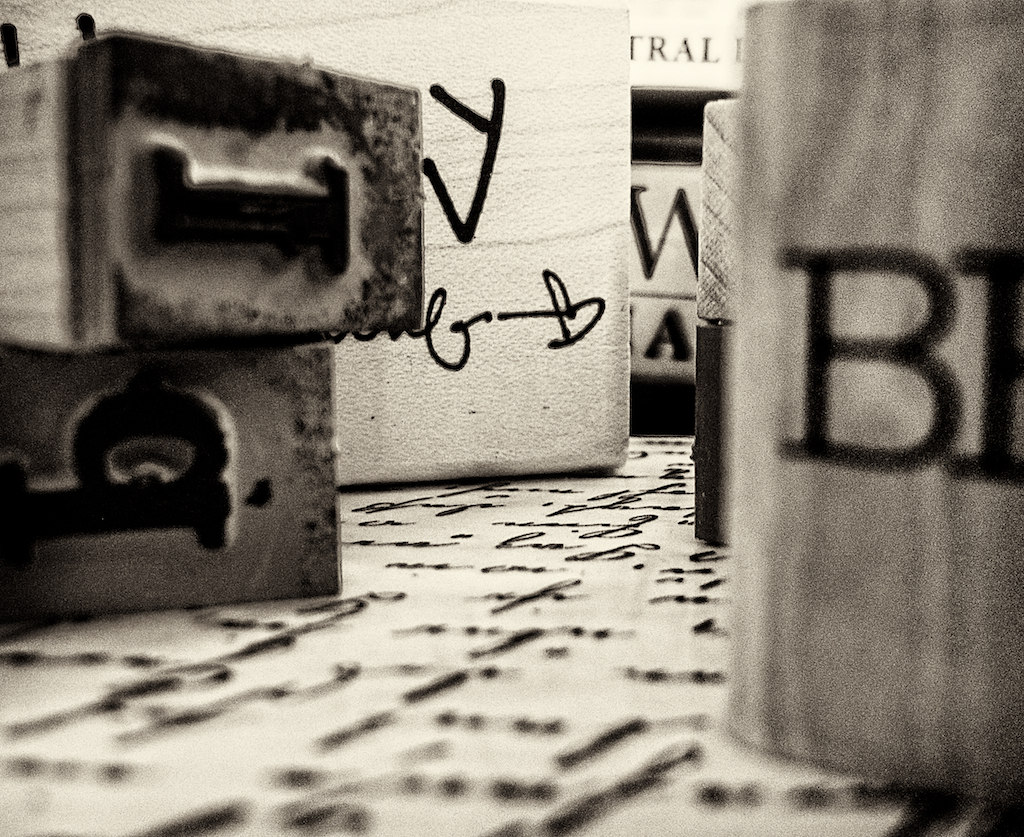
the waiting room

Flipping through moments of yesterdays’ chapters of collective memory … seeking a time to linger … to reacquaint … to awaken a smile … to mourn? A question emerges, “how long ago is long ago?

Is long ago found within a measurement of time or a storied journey found as one meets yesterday’s memories … one memory after another holding stories of earlier unknown times?

To remove myself from a possible circular dilemma of questioning like a child’s repetitive, “why”, could I simply come to know remembered moments to be like a series of connecting bridges … transitions … crossing over all that had been forgotten and released to the currents of time?

If each moment visited is like a bridge, may I pause and revisit a memory of being captured by a perspective with an awe that was so unique it was transformative.

Uniqueness has the power to pause us … for a moment or two … it touches us gently or startles us to instant rejection. It may invite an expansion of perspective … understanding … assumptions … a shifting of one’s life journey.


I was gifted with a friend whose uniqueness shifted my life’s journey.

He was, as my brother was, described in various ways as strange … odd by family and others. Yet, while there was an openness to acquaint myself with understandings outside my Weltanschauung  within this friendship, it was my fear of being seen as different and the struggles of being of a family of uniqueness that blocked me from knowing my brother.

One of many regrets. Yet, it is interesting to hear his memory still alive for others; while mine, fading, I fear.

“Remembered how?” you may ask.

“To be remembered is priceless … it’s like his uniqueness gifted him immortality through created memories.

Apologies for this brief diversion as arising from this sharing is an ancient anxiety as being identified and possibly disregarded as “different, odd, unique”.

With a deep releasing breath, I will now return to writing about the focus on a transformative moment.

Sleeping cells …. please join in me in a flight of possibilities that begins with … sleeping cells.

I was once a sleeping cell snuggled within one of my mother’s ovaries when she was born. And, my mother was also one when her mother was born. As was her mother’s mother at her mother’s birth.

Can you see this amazing succession of mother-daughter generations? Are you intrigued … smiling … doubting?
Are you still with me? Let’s continue.

Sleeping cells, more commonly known as immature eggs and/or oocytes are formed during a woman’s embryonic development and reach their peak numbers around the 5th month of gestation while she is within her mother’s womb.

And then a most intriguing understanding … the three-generation nesting link. While your grandmother was carrying your mom, you were also there developing into a sleeping cell.

And your grandmother had also been a developing sleeping cell in a fetus that was to be her mother (your great grandmother) as she was coming-to-be within your great great grandmother.

An overlapping biological chain of nesting links beginning long, long ago with one life after another creating memories and stories of earlier unknown times?
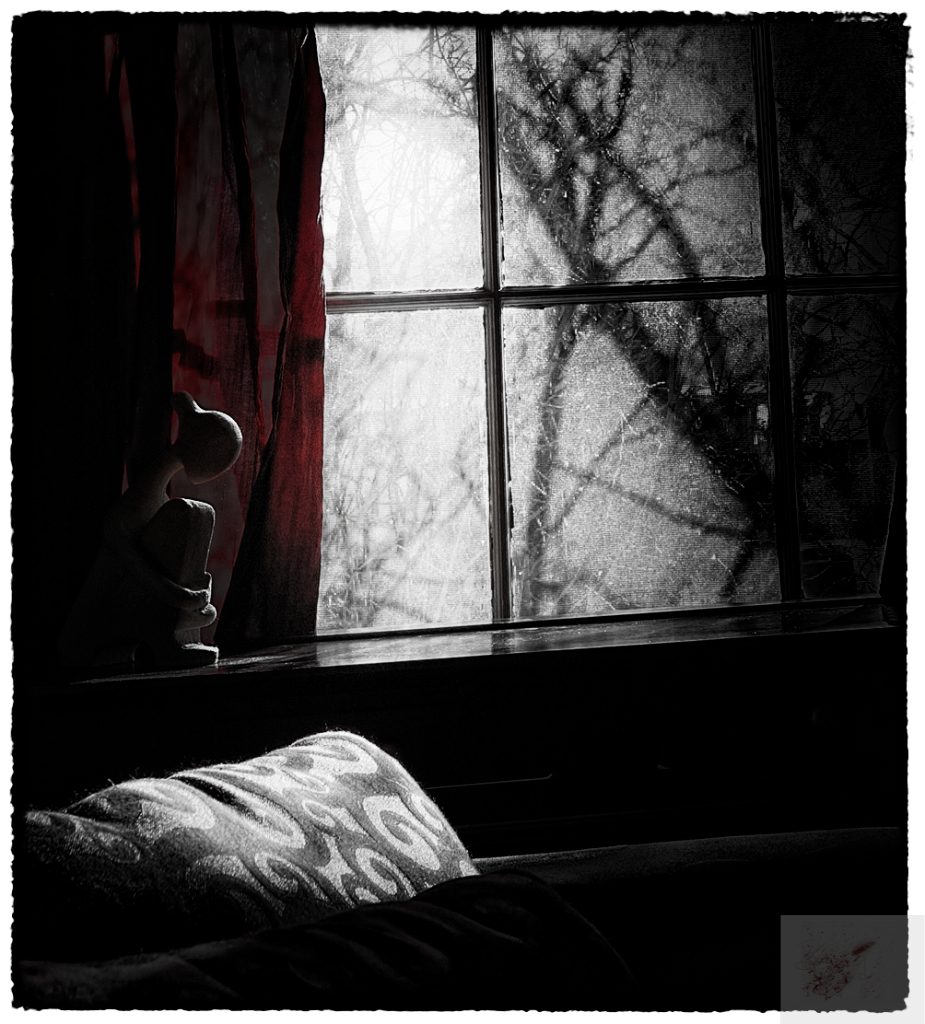
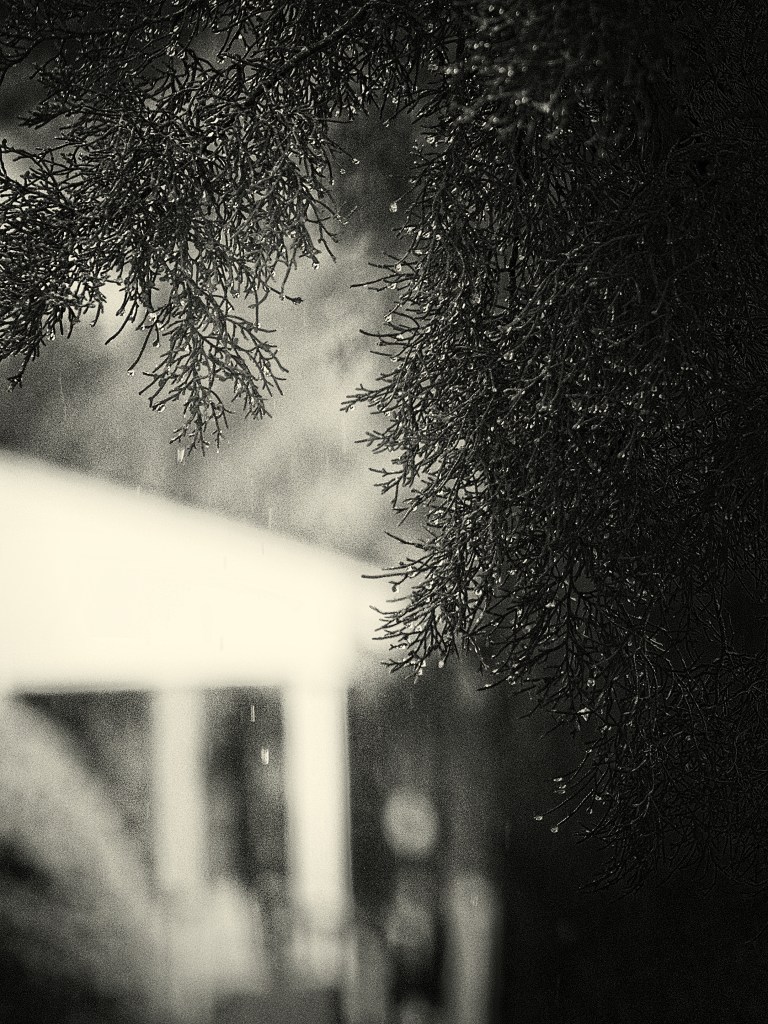
lens-artists: atmospheric

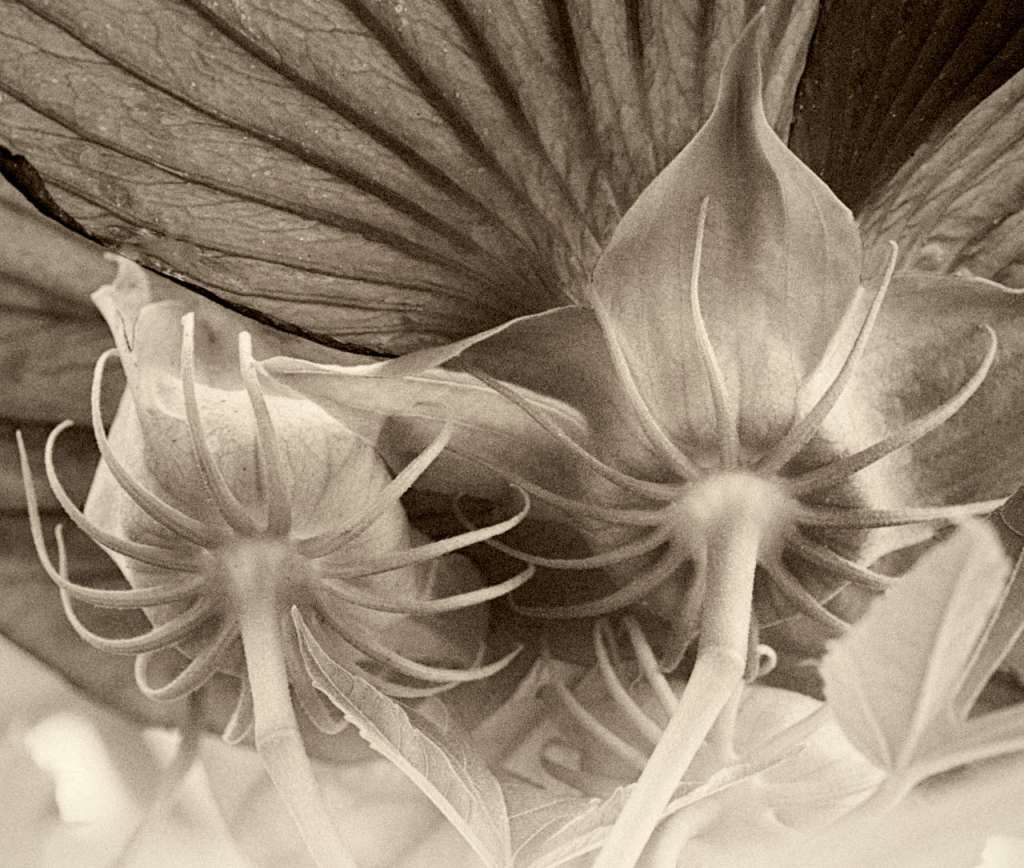
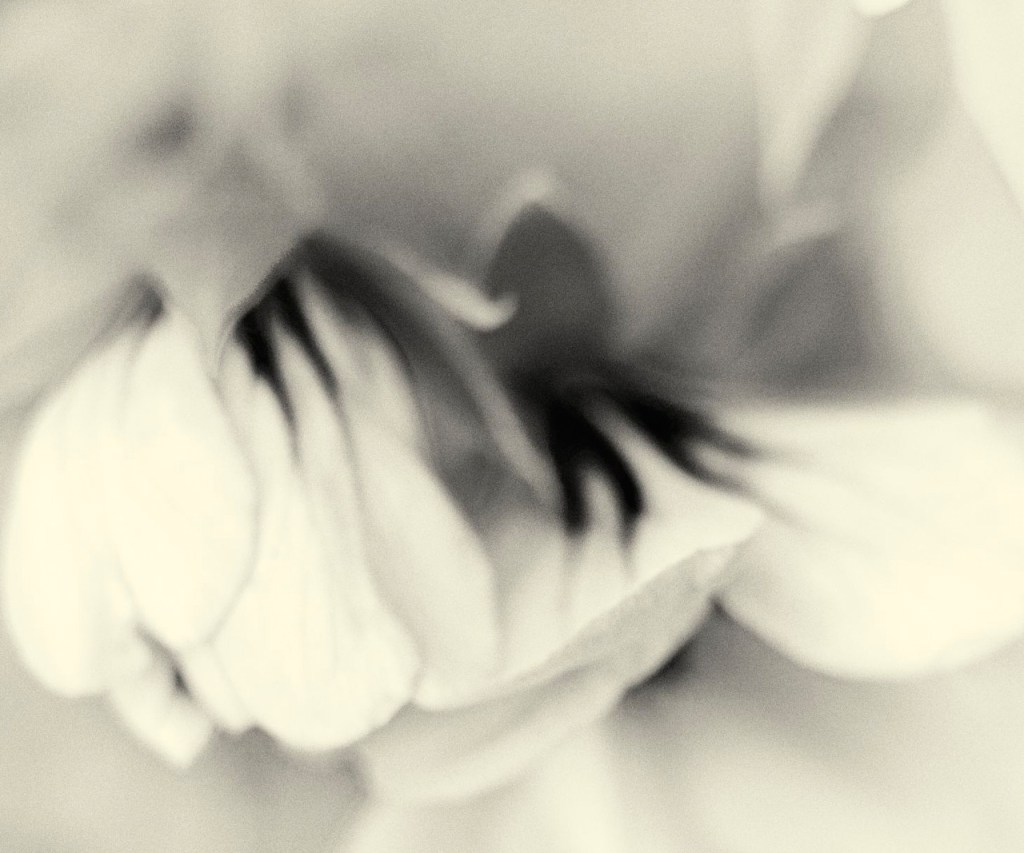
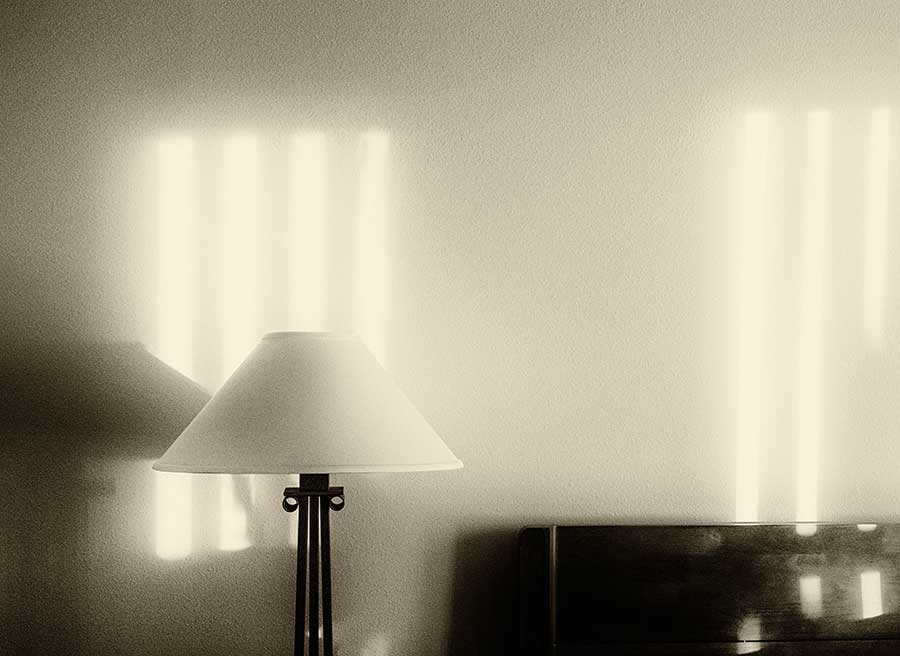
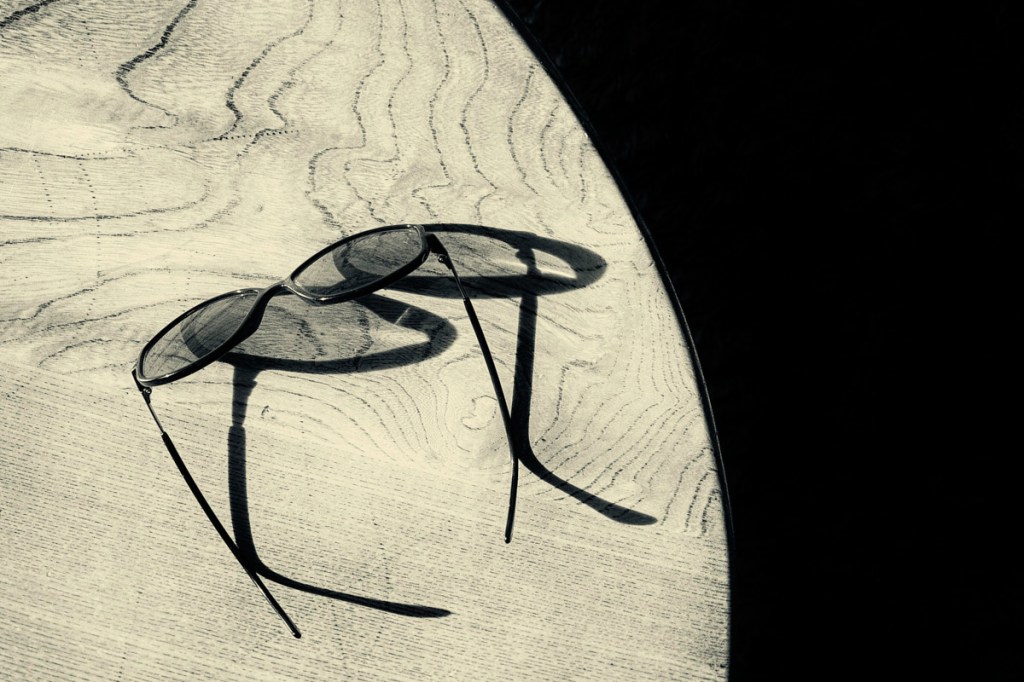
More and more there is a wondering about how a photographer’s work evokes a silent mood as oppose to an emotional flatness.

Is mood found within a remembrance of contemplative stillness …

Or is mood simply within an image that touches a memory … a gentle touch of both, the photographer and the viewer?

Thank you Leya … for this challenge that invited me to ponder the magic of creating mood within photography.

lens-artists: geometry

Nora invites lens-artists to intentionally open themselves to and share the geometry they see in every day life, nature, architecture.

What is geometry in photography?

Google tells me “Seeing geometry in photography means training your eye to strip away everyday clutter and compose images around underlying lines, shapes, patterns, and symmetry. Instead of focusing solely on what an object is, you look at how its edges, shadows, and angles interact inside your camera’s rectangular frame.”

I often see how things in themselves are often a composite of geometric patterns: circles, rectangles, squares, lines within a square or rectangle frame.

Goggle also tells me that opening the photographer’s eye to geometry in life in is found within the intentional use of leading lines and diagonals, repetition, and architectural patterns, and symmetry and geometric framing.

Yet, when daily life is “not as expected” … “taken apart” … “uncombined” are geometric shapes more apparent because a bike taken apart tells a different story?

lens-artists: where does it lead?

Through Brazilian Eyes invites Lens-Artists to “… explore Where Does it Lead in what ever direction speaks to you.”

One may find themself on a path that feels empty, uncertain, broken, forgotten, lost. There is no self sense direction …

… a journey within the mind of possibilities begins … forming a path created by emerging dreams, expectations, doubts, opportunities, courage, self validation. Then … an unavoidable moment … when …

the impermanence of life … a clearly defined path fragmenting by change, uncertainty, regrets … and then … a merging of pathways of wonder, “what is beyond the horizon?”

A short  night

wakes me from a dream

that seemed so long ~Yayo

lens-artists: harmony

Leya invites lens-artist to share … a maximum of seven pictures illustrating harmony – the combination of separate but related parts within a work of art that uses their similarities to bring unity to a painting, drawing, or other art object.”

Visual harmony refers to the balance and cohesion of elements within an image. It involves strategically placing key components to create a sense of unity, order, and aesthetic appeal. When a photograph possesses visual harmony, it engages the viewer and guides their gaze through the frame, allowing them to appreciate the subject in a captivating manner. ~Boluwatife Ogunojuwo

lens-artists: framing your shots: exploring the foreground, middle ground, and background

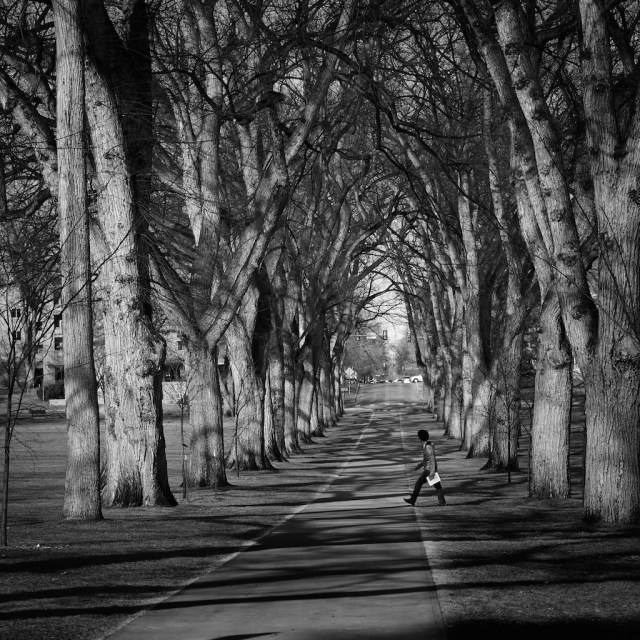
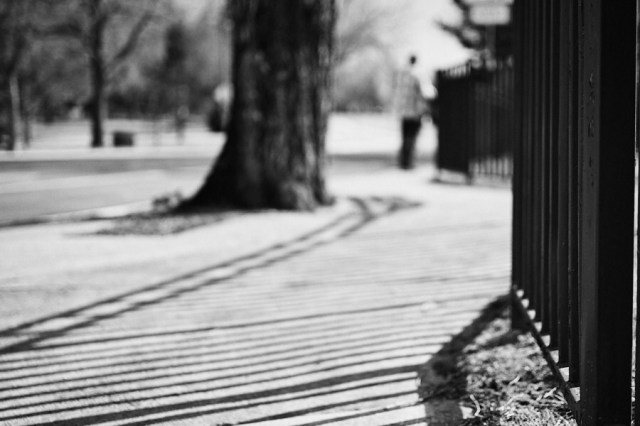
The three grounds within this black and white image begins with the play of light and shadow at the bottom of the page. The shadowed lines on the left side of the image brings the eye to the tree and human figure in the mid ground and then to the trees in the background.

The spot light on the bathroom counter was the eye catcher for me. The toothbrush holder and its shadow defines the foreground. The tissue box sits within the middle ground while its reflection in the mirror creates the background.

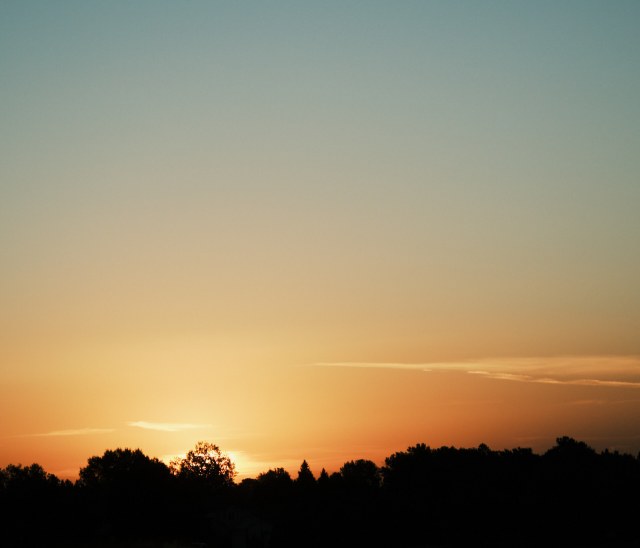
Since warm colors seem to be closer than cold colors could one of my dawn images offer an exploration of how color may come into play creating the three grounds. I see the foreground defined by the black horizon while the morning’s sun light as well as the orange in the sky creating the middle ground as the sky’s blue at the top of the image brings us to the background.

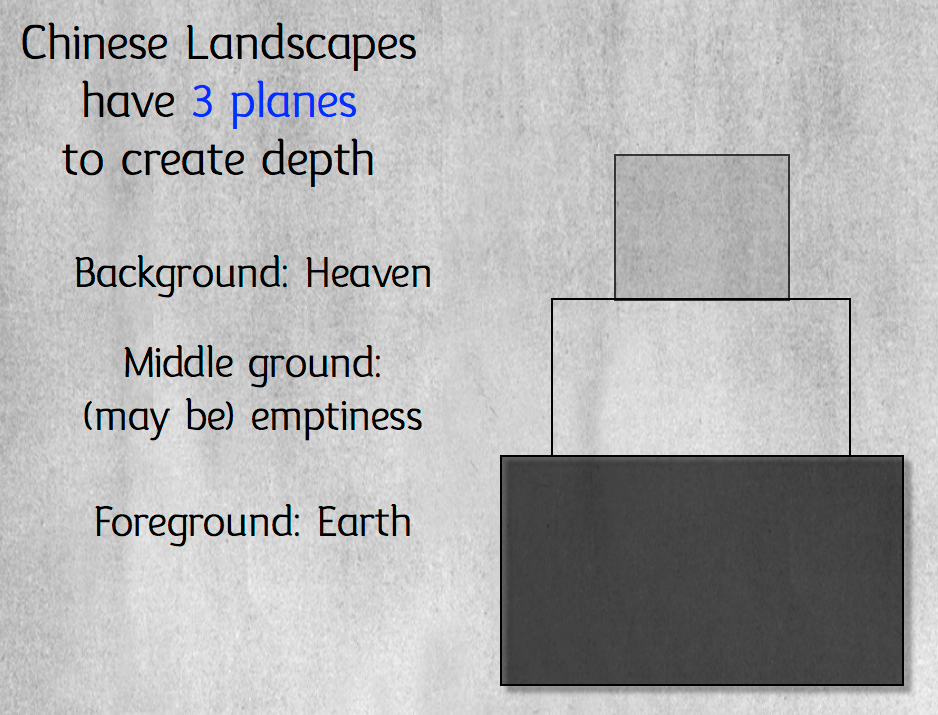
I find it interesting that most Chinese landscapes contain three individual vertical plans to represent depth within paintings. The foreground usually consists of “earthly bound” objects like people, animals, buildings, and forest. The middle plane often represents emptiness in the form of clouds, mist or water. The background plane often includes “heavenly” elements such as hills and mountains as well as sky. The Chinese landscape painters did not use perspective as we paint it in representational art (or see it via the one-point perspective lens of a camera), but instead showed depth with the three planes. In each one of these planes negative space – emptiness – plays a key compositional role.*

This was fun, thank you Patti

*cited: The Luminous Landscape

lens-artists: the power of juxtaposition

As I visited various lens artists I was amazed how photographers would “see” and explain juxtaposition within their images. As a visual leaner I was then WOWed by the photographs in 500px … the expertise and creative use of juxtaposition, amazingly inspiring.

I then traveled through my media file to see if there were any images that may fit into examples discussed within the 500px article. So … hesitantly I offer the images below: near versus far, big versus small, human versus object, light versus dark, and side by side placement. I hope you enjoy.

Thank you for visiting … I hope you enjoyed this brief journey encouraged by of Patti’s invitation to “to explore juxtaposition as a photographic technique.”

lens-artists: unusual crop

Contemplative and landscape photographs submitted in response to Ritva’s lens-artist challenge: encouraging photographers to deliberately defy traditional framing conventions.

Photographing what is … the morning’s light

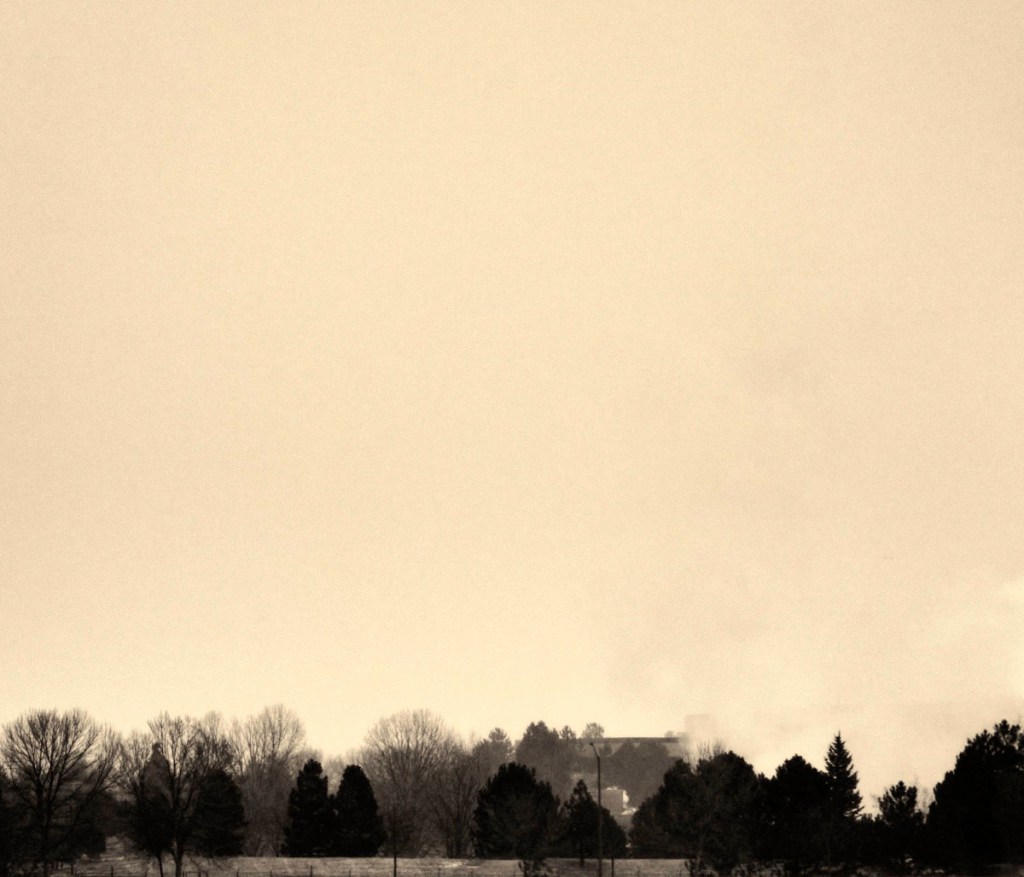
landscape images cropped with a focus on negative space.

lens-artists: what astonishes you

The beauty of the world as seen through a camera’s lens. I’ve found over the years that a simple photo walk opens one to the amazing beauty of the world…seen as if it is the first time.

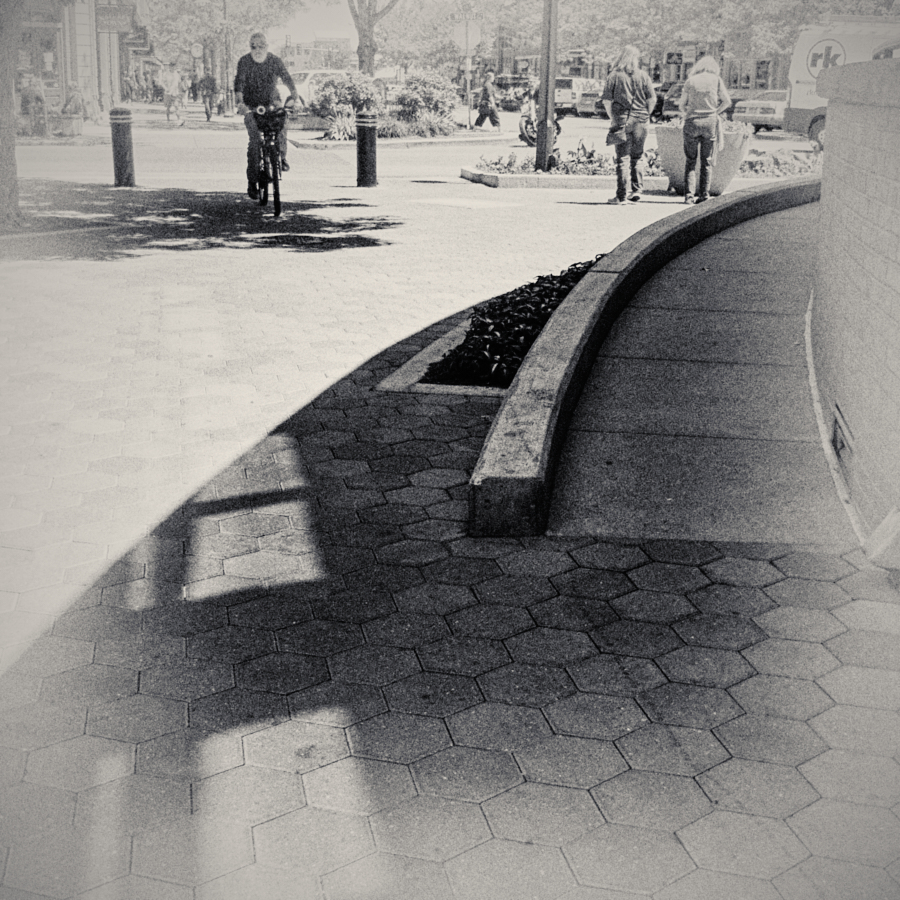
The art of photography transforms a current photograph to an image that looks as if it was created during the 1960-1970s.

How a camera’s setting will add a dimension of unique art…

Hop on over to Wandering Dawgs to join a journey through what astonishes you with Beth