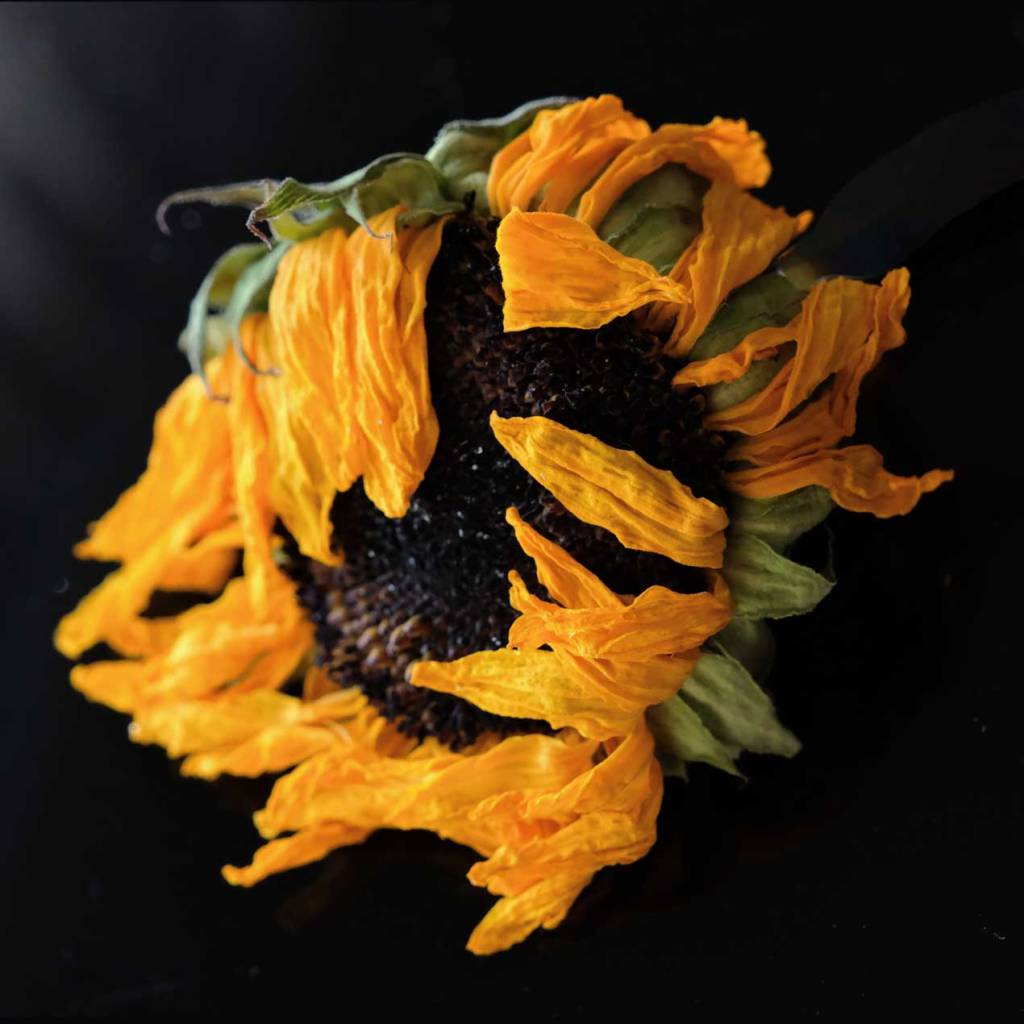
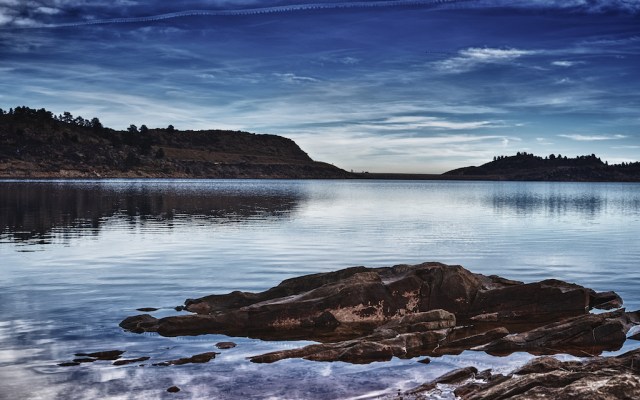
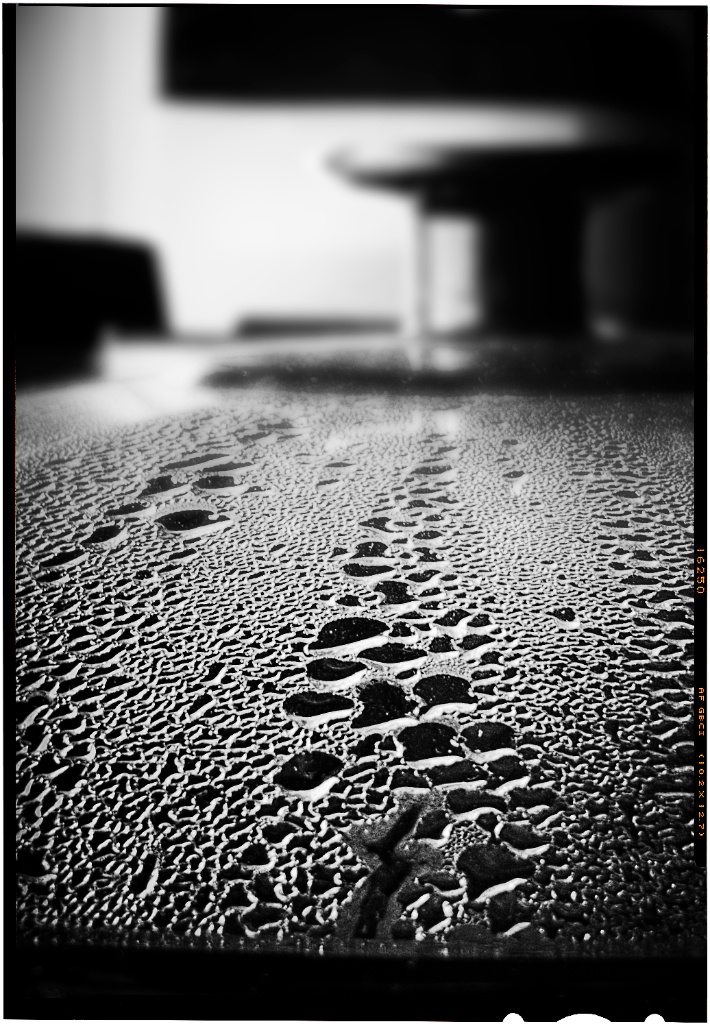
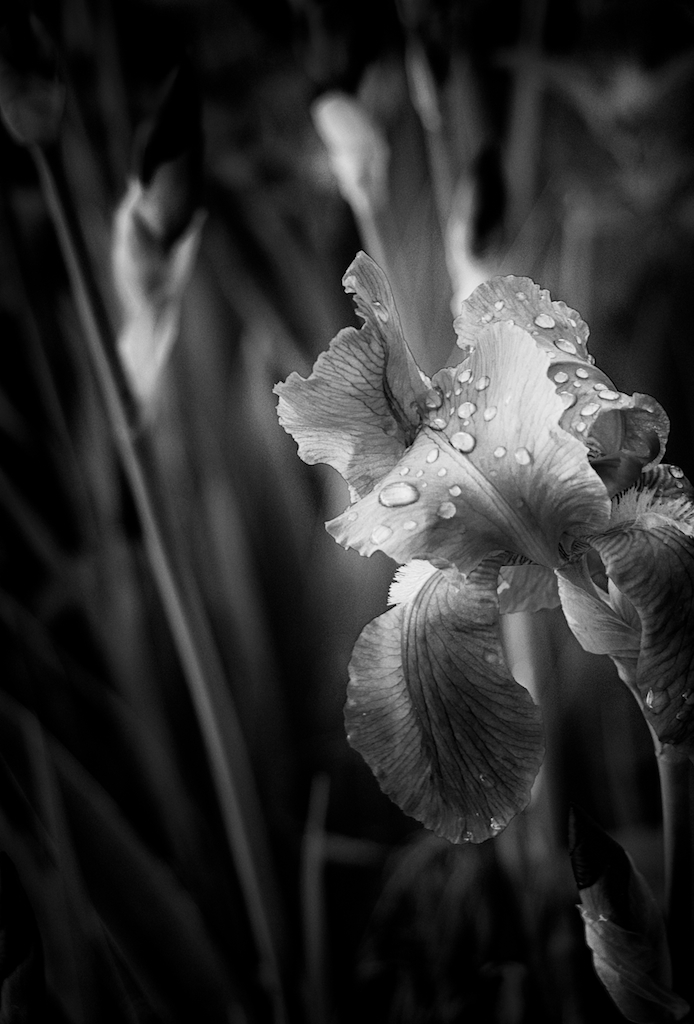
lens-artists: lucky shot

Seeing begins with respect, but wonder is the fuel which sustains vision. ~Steven J Meyers

Autodidact … an interesting word … au·to·di·dact – mid 16th century (as autodidacton ): via Latin from Greek autodidaktos ‘self-taught’, from autos ‘self’ + didaskein ‘teach’ – a self-taught person.

I find resonance with this word as there is an ease of self learning outside a classroom which invites an open exploration that is absent, for me, within a teacher-student relationship. Yet, there is an importance to always keep in mind as noted by The Dalai Lama, “… Autodidact … many many mistakes …”

Autodidact … a journey of self learning … entirely self-directed … creating their own study plans and follow them until they’ve achieved their goal defines the blogging study course I undertook in 2018 … A Photo Study – a 52-week photography learning journey of the basic elements of eight visual compositions, one of which included contemplative photography

Then…a shower thought…maybe that one triple A+ image really only arises after 10,000 intentional shutter releases.  Can you just image being present to, thinking through, and connected with each transient moment 10,000 times?   In reality this would be like setting out on a  journey of 10,000 steps knowing that one will never reach the destination.

Yet, what is an important part of a 10,000 endeavor? To create a triple A+ image? Or to undertake a photo study journey accompanied by fun, education, knowledge, experience, and exploration? I’ll go with the fun of creating and opening myself to the beauty of Mother Earth so this photo study blog journey is an encouragement to – not create a triple A+ image – be more intentionally present with each click of the shutter.

…the creative mind of a photographer is like a piece of unexposed film. It contains no preformed images but is always active, open, receptive, and ready to receive and record an image. ~Minor White cited: W Rowe, Zen and the Magic of Photography

It was a sunny day … sitting in a pocket park … waiting for my husband … writing a letter to my Great Aunt with the intention to periodically pause writing, close my eyes, lift my head, open my eyes, and then visually acknowledging the first thing I saw …

Lucky shot … maybe or maybe not … but looking back it was a profound moment to be intentionally open to what I saw … an eye.

If something happens from pure good luck, it seemingly came out of nowhere, based only on fate and not on anything you did to make it happen.

Thank you Sofia for this week’s challenge.


lens-artists: framing your shots: exploring the foreground, middle ground, and background

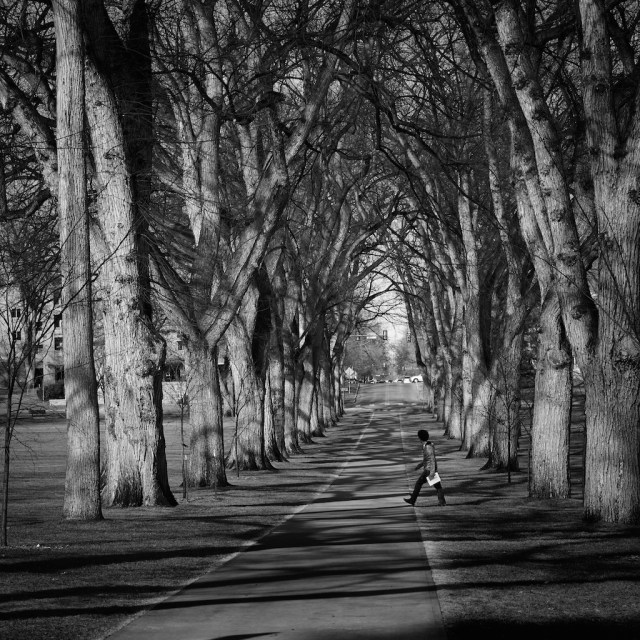
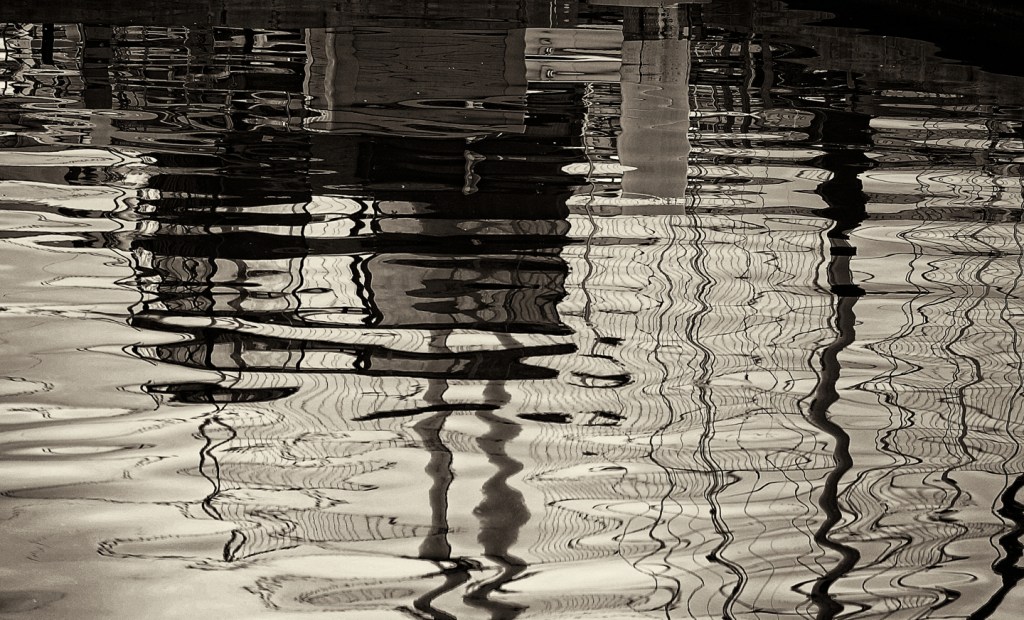
The three grounds within this black and white image begins with the play of light and shadow at the bottom of the page. The shadowed lines on the left side of the image brings the eye to the tree and human figure in the mid ground and then to the trees in the background.
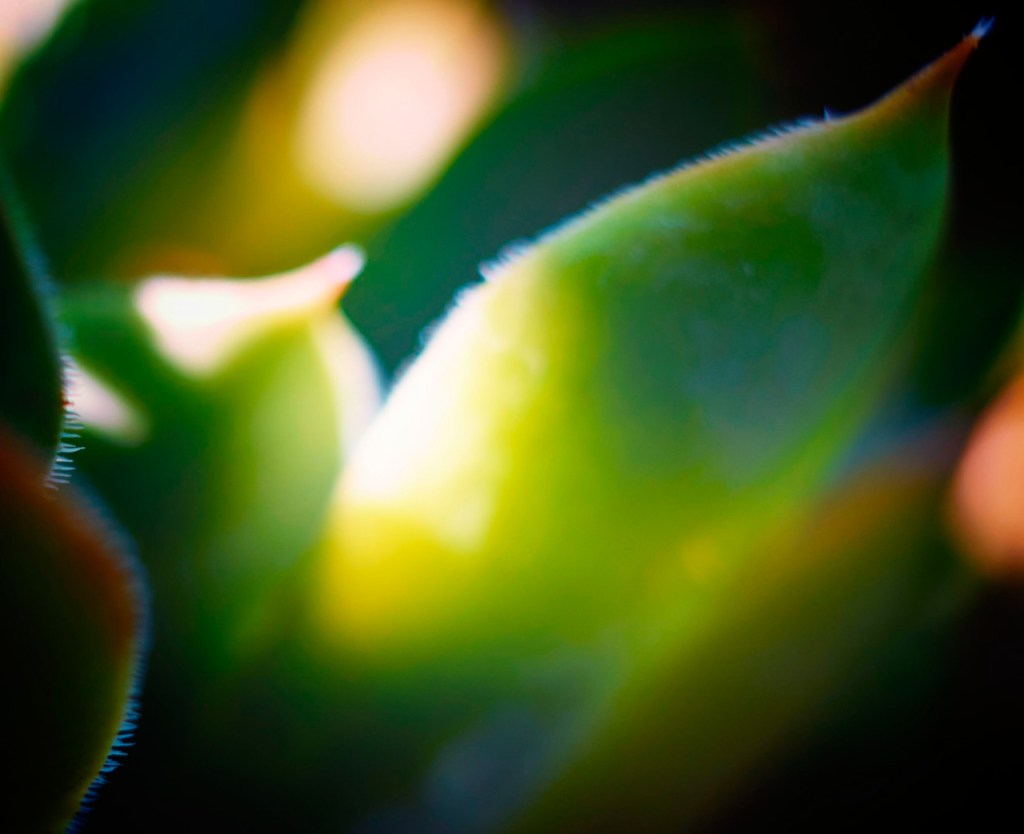
The spot light on the bathroom counter was the eye catcher for me. The toothbrush holder and its shadow defines the foreground. The tissue box sits within the middle ground while its reflection in the mirror creates the background.
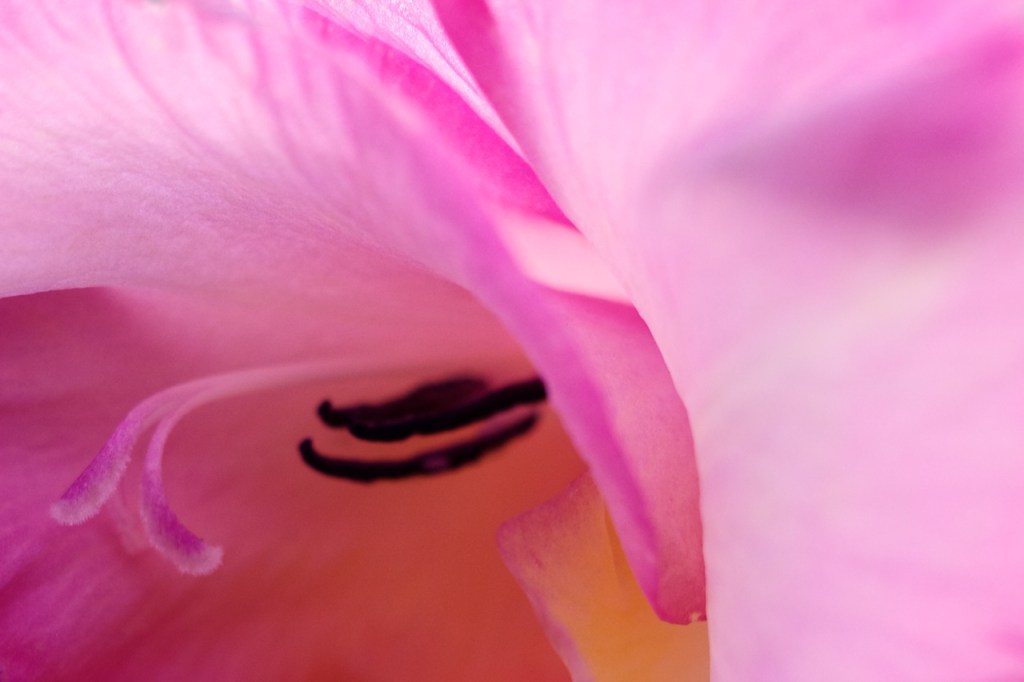
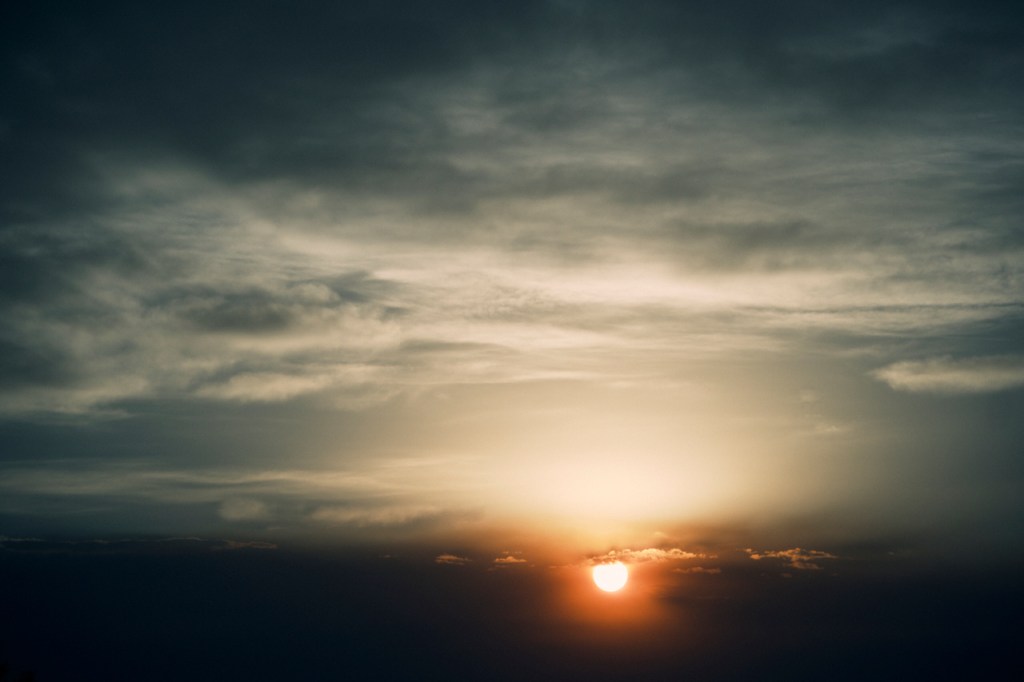
Since warm colors seem to be closer than cold colors could one of my dawn images offer an exploration of how color may come into play creating the three grounds. I see the foreground defined by the black horizon while the morning’s sun light as well as the orange in the sky creating the middle ground as the sky’s blue at the top of the image brings us to the background.

I find it interesting that most Chinese landscapes contain three individual vertical plans to represent depth within paintings. The foreground usually consists of “earthly bound” objects like people, animals, buildings, and forest. The middle plane often represents emptiness in the form of clouds, mist or water. The background plane often includes “heavenly” elements such as hills and mountains as well as sky. The Chinese landscape painters did not use perspective as we paint it in representational art (or see it via the one-point perspective lens of a camera), but instead showed depth with the three planes. In each one of these planes negative space – emptiness – plays a key compositional role.*

This was fun, thank you Patti

*cited: The Luminous Landscape

lens-artists: phone photography

Over the past year a current events discussion group has opened up a number of challenging questions for me: 1) how to move from an understanding and then to thinking and feeling acceptance that each person sees and understands identical situations differently as told within the parable of the Six Blind Men and the Elephant? 2) is there a moral imperative within politics that includes elements of responsibility (short and long term) of actions, empathy and compassion for all life that is harmed (physically, mentally, and emotional), and guiding principles of shame and fear of one’s immoral actions that override the energy of self direction toward a greater connection with humanity? 3) how do I unite the elephant with the diversity of moral principles?

At this point you may be asking, “What does this have to do with phone photography?” Well … yeah …. maybe … these questions do validate that I spend way too much time in my head as well as an excessive amount of time alone. Yet, how does one turn off this search for congruence while world events are like rip currents, undertows, and rip tides that clash with my moral principles and leave me with an overwhelming sense of powerlessness.

I resist these tides of hate-filled political and self serving actions that attempt to erode the who of me and the humanity of we.

Yet, since the camera’s eye has opened me to different ways of seeing and moments of gasping beauty could this phone photography challenge invited me begin to explore the first question; that is, to begin to explore how to move out of my conceptions of the restrictive creative use of phones, “they are only good for happy snaps of people, flowers, and places” to engage with different perspectives?

A phone’s happy snap as seen during a photowalk:

to the morning’s sun relationship with a light switch?

Thank you Tina for this week’s lens-artists’ challenge as it was great fun exploring the camera in ways I never thought possible.

lens-artists: the power of juxtaposition

As I visited various lens artists I was amazed how photographers would “see” and explain juxtaposition within their images. As a visual leaner I was then WOWed by the photographs in 500px … the expertise and creative use of juxtaposition, amazingly inspiring.

I then traveled through my media file to see if there were any images that may fit into examples discussed within the 500px article. So … hesitantly I offer the images below: near versus far, big versus small, human versus object, light versus dark, and side by side placement. I hope you enjoy.

Thank you for visiting … I hope you enjoyed this brief journey encouraged by of Patti’s invitation to “to explore juxtaposition as a photographic technique.”

lens-artists: unusual crop

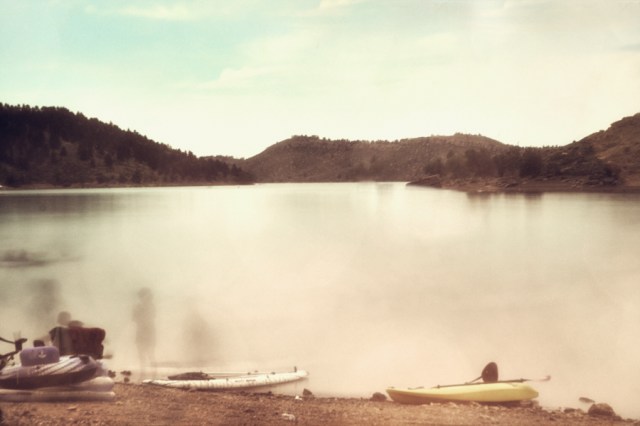
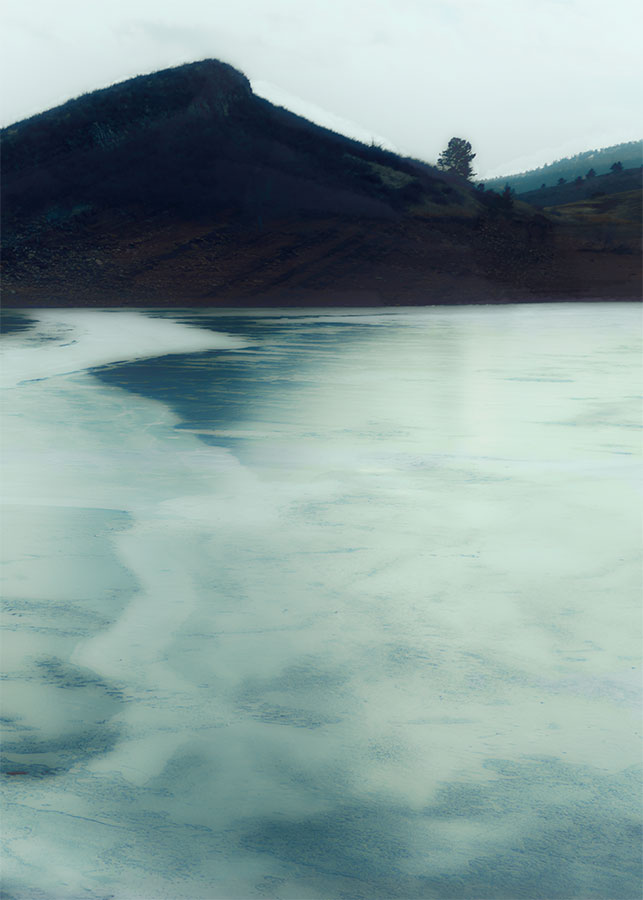
Contemplative and landscape photographs submitted in response to Ritva’s lens-artist challenge: encouraging photographers to deliberately defy traditional framing conventions.

Photographing what is … the morning’s light

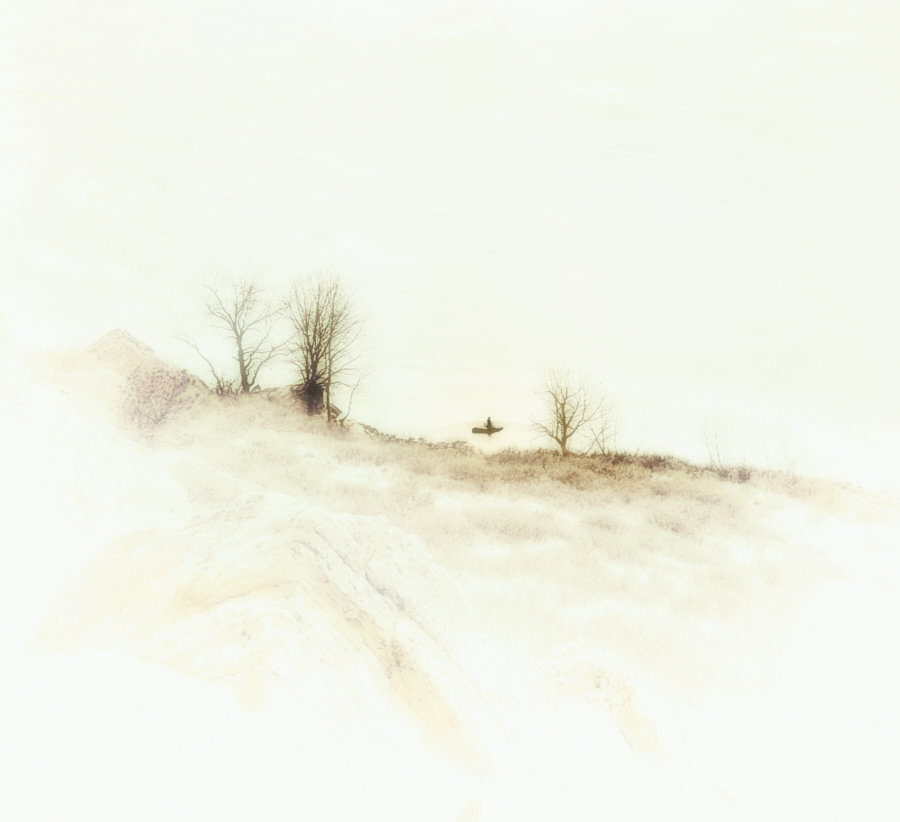
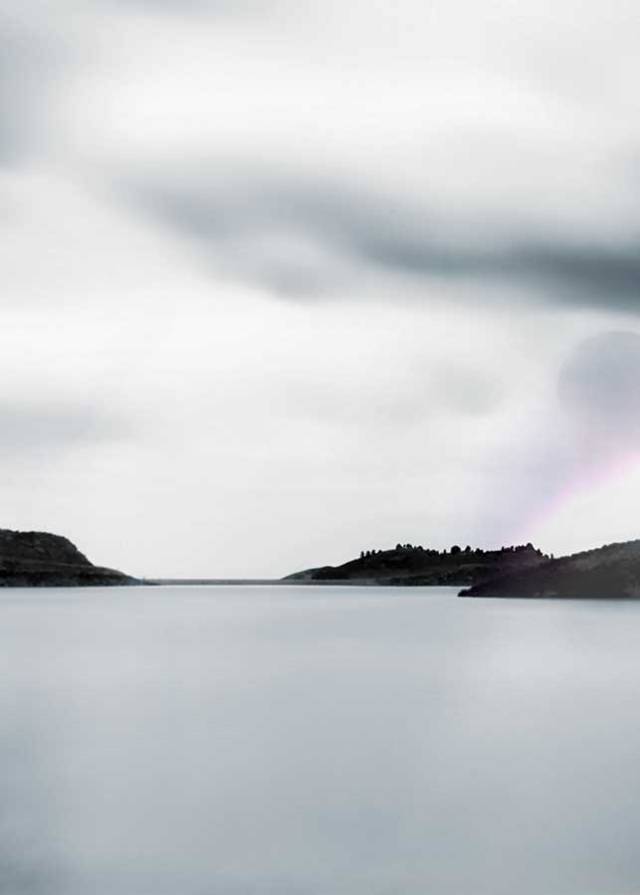
landscape images cropped with a focus on negative space.

lens-artists: what astonishes you

The beauty of the world as seen through a camera’s lens. I’ve found over the years that a simple photo walk opens one to the amazing beauty of the world…seen as if it is the first time.

The art of photography transforms a current photograph to an image that looks as if it was created during the 1960-1970s.

How a camera’s setting will add a dimension of unique art…

Hop on over to Wandering Dawgs to join a journey through what astonishes you with Beth

lens-artists: designs and shapes

Well…this week’s lens-artists challenge is, indeed, a challenge. While visiting a number of lens-artists’ post I sense that this challenge is one of joyful engagement. I, on the other hand, am stumped. It must be like speaking/writing English with limited understanding of grammar … that is, if it sounds right then it must be clear, coherent, and effective communication. Yes, no, maybe?

So I went to Google and engaged a question and answer session with AI. AI tells me that shapes in photography are geometric (circles, squares, triangles) and organic. Shapes define composition, create structure and evoke emotion.

Photography design is the art of using core principles like balance, contrast, and emphasis, along with elements like, shape, and color to create visually compelling images.

While my photography is guided by an understanding of various elements of photography, the major guiding tool is … yep, the subjective experience.

Thank you Tina (Travels and Trifles) for this challenge.

P.S. AI defines subjective experience as …an individual’s personal, internal, and first-person perspective of consciousness, encompassing unique sensations, feelings, and interpretations of the world. Unlike objective events that can be observed by others…

lens-artists: last chance

This week artists Tina (Travels and Trifles) invites artists to share “those images you’ve loved over the past 12 months, but have not yet shared.”

Reviewing photographs created over the year confirmed that the majority of images posted on WordPress were part of a skyscape project, Dawning … beginning anew.

Each image within the photo book Dawning … beginning anew is a telling of the sun’s seasonal movements along the eastern horizon and the circular messages of spring, summer, autumn, and winter. The most dynamic is the ongoing changes, moment-to-moment … the multiple variables that paint the sky’s canvas.

So with this in mind, I decided to share the healing moments within the circular process of grief’s darkness to a renewal of life found within each dawn’s first light to its sun rise on this day … Winter Solstice.

The images above begin with the transition from today’s first light to dawn and then the beginning of winter solstice.

Winter Solstice messages the triumph of light over darkness, tells of the gradual return of longer days and stories the promise of renewed life.

For me the cherished moments … the aweness within the art of photography is seeing the world through a camera’s lens and hearing the click of the shutter. The rest is just a delightful dance with possibilities and a constant reminder, “you can’t make a bad photograph good, but you can make a good photograph bad.”

May your holiday be filled with the gifts of freedom within peace, joy, and love.

brenda

lens-artist: ephemeral

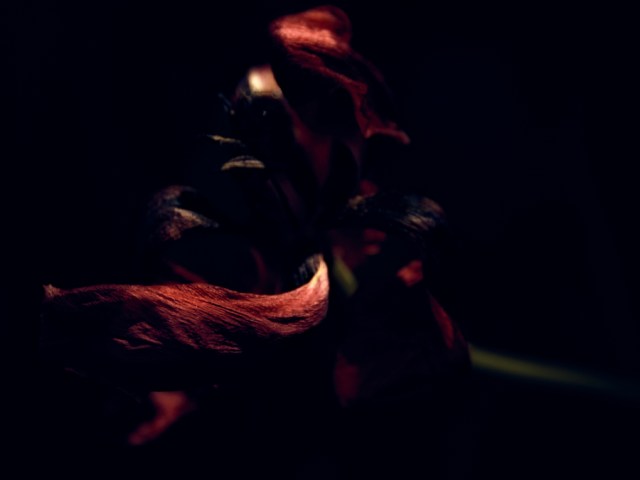
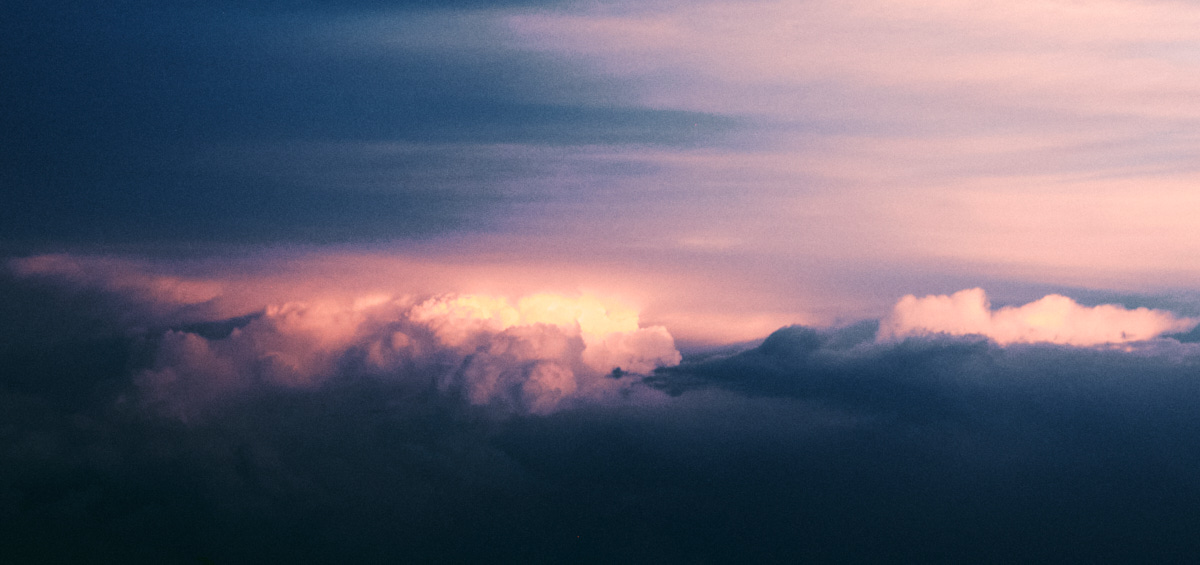
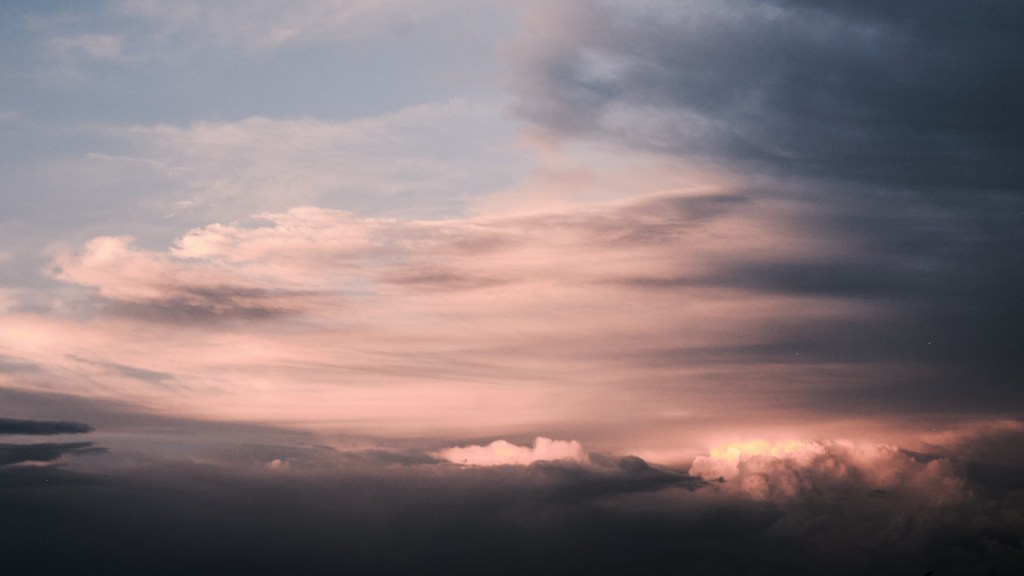
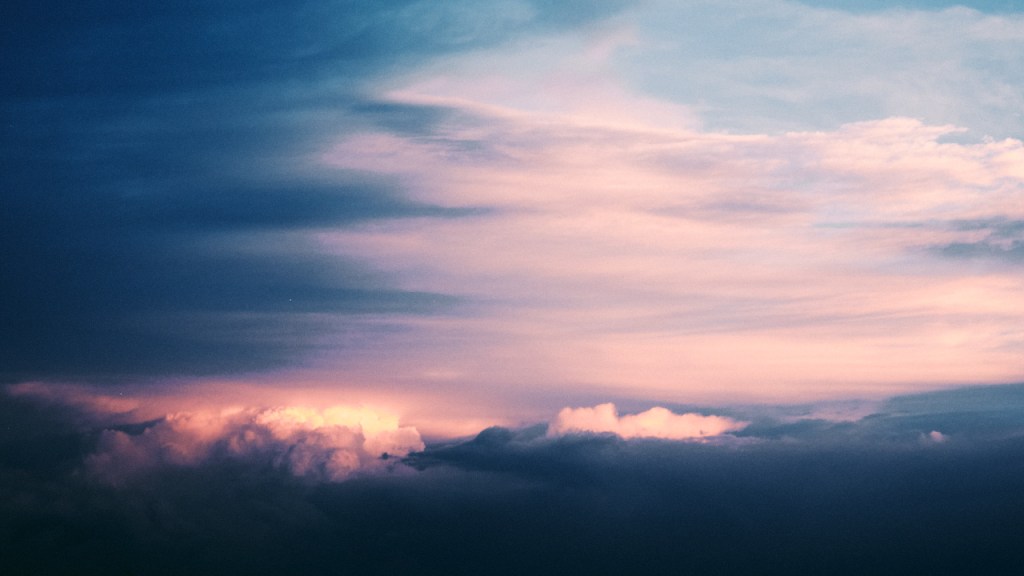
She with a cup of coffee, embraced within her chilled palms, both blanketed by the first light’s silence … her eyes looking, not seeing the eastern horizon’s slow transition from darkness to light. Suddenly, the sky’s canvas painted by the dance of the sun’s rays and clouds broke through her internal musings, “Wait, wait, please don’t move,” she pleaded as she began a search for her camera and trying so desperately, once again, to win her battle with … the moment by moment changes within life, the ephemeral nature of all that is…

across a concealed blue sky

aimless shifting stories...

gathering and dispersing – obscure particles

painting stories … anew,

moment by moment

Thank you Tina for the week’s lens-artist challenge: Ephemeral

lens-artist: street details

at my feet
when did you get here?
snail
~Issa*

the street’s world of feet in action…

This week Ritva invites Lens-Artists to “… skip the classic street-portrait approach and reveal the often-hidden, magical world, of the details we never take the time to​ notice anymore.”

*haikuguy.com

lens-artist: dreamy

that village’s
floating bridge of dreams…
spring frost
~Issa

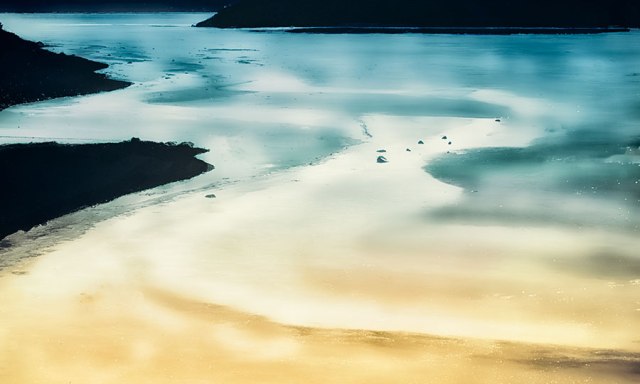
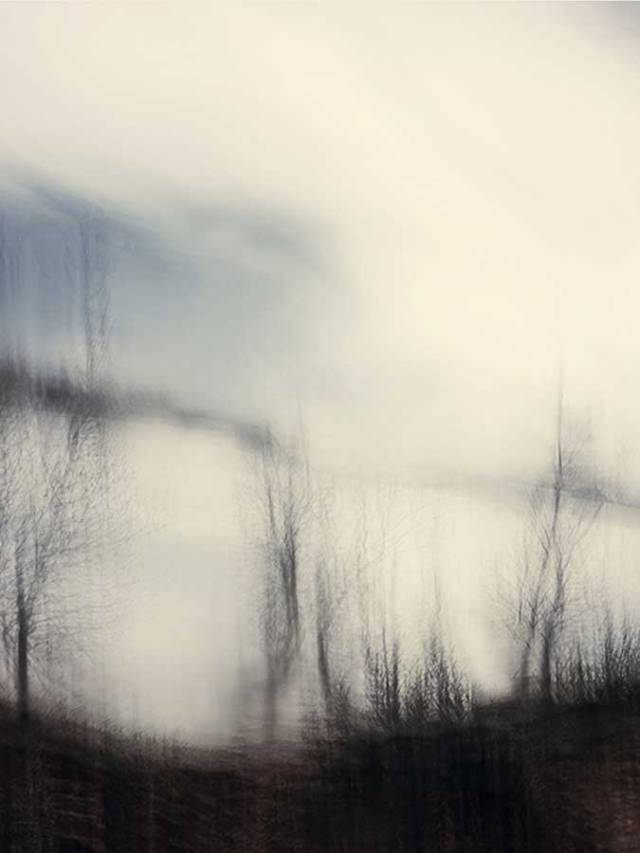
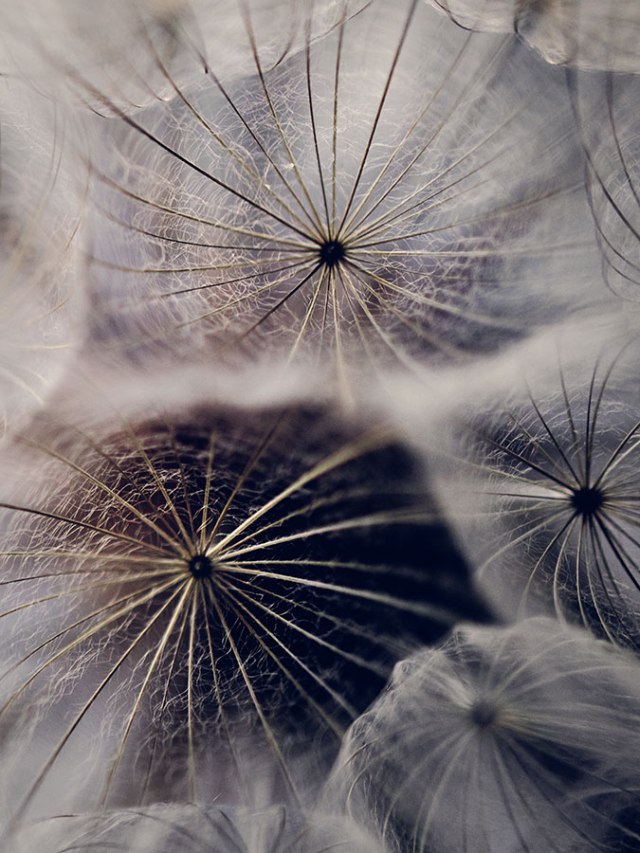
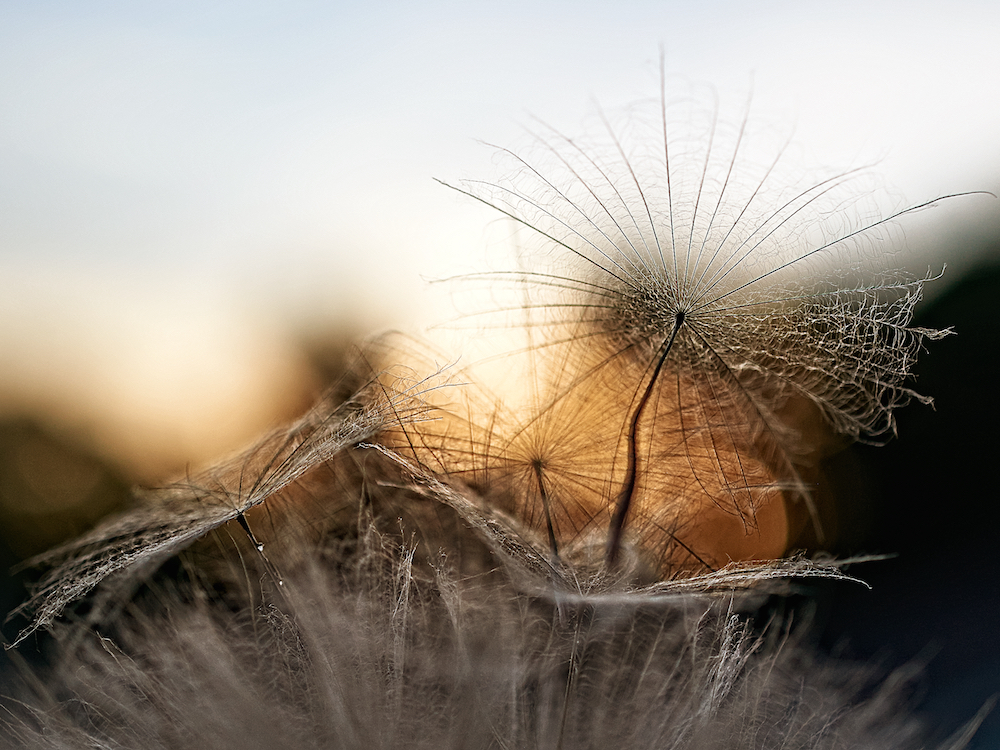
Ann Christine from Leya invites lens-artists to share their interpretation of the theme Dreamy. She introduces soft dreamy photographs as images created with soft light, soft focus, delicate tones, and other gentle aspects to produce an ethereal picture.

The dark sky dulls my dreamy mind, 
The down-dripping rain lingers– 
O my tears down falling, longing after thee!

~The Diary of Murasaki Shikibu

Thank you Ann Christine for this challenge…sometimes life’s realities need to slumber and awaken the gentle nature of dreamy.