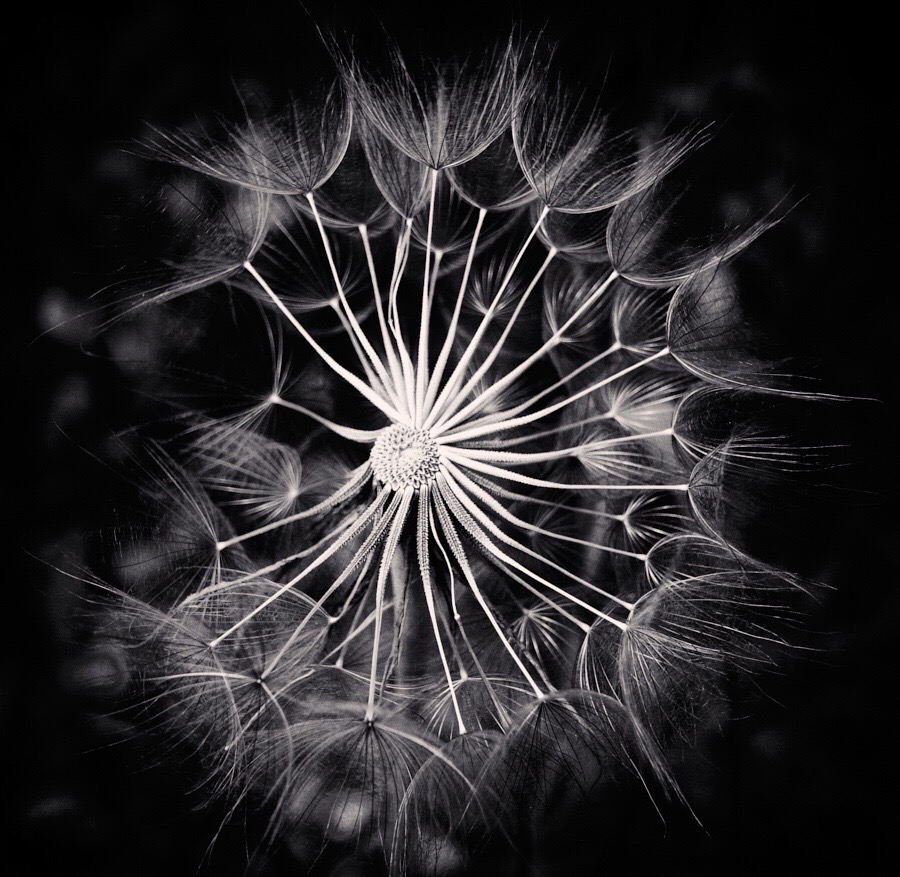
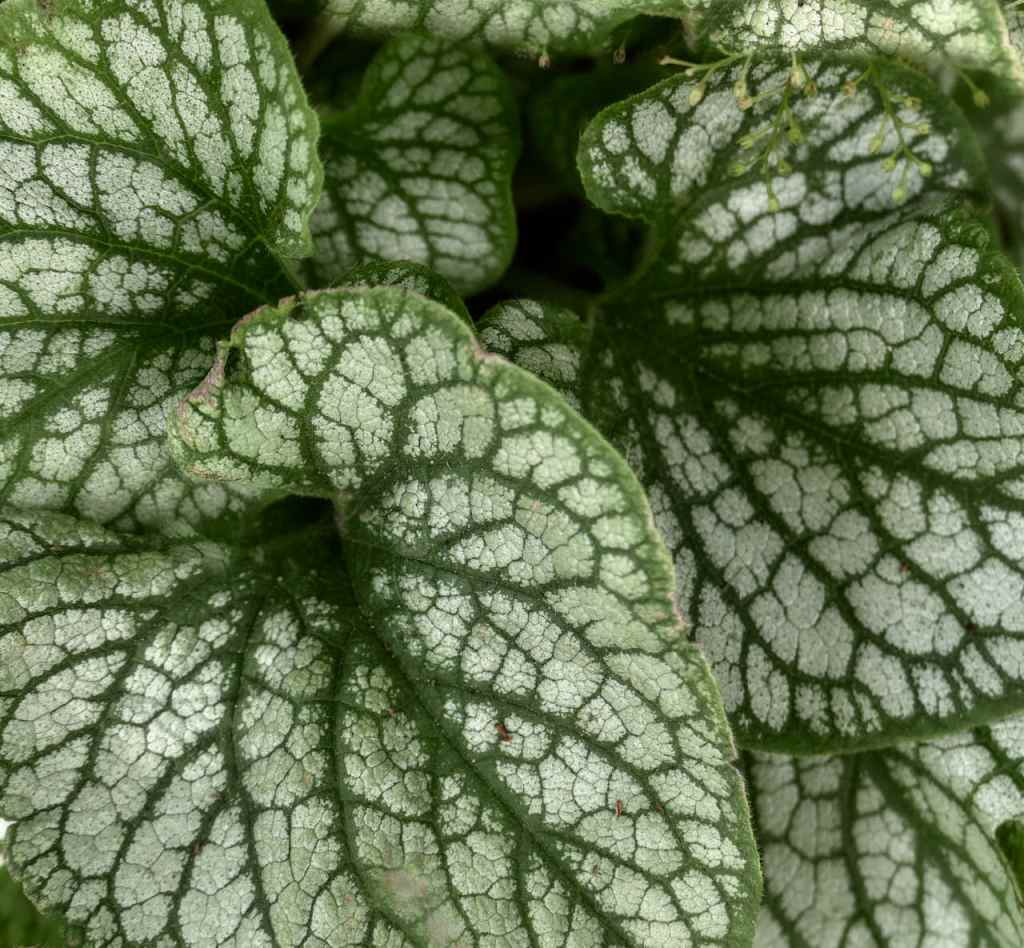
Nora invites lens-artists to intentionally open themselves to and share the geometry they see in every day life, nature, architecture.
What is geometry in photography?
Google tells me “Seeing geometry in photography means training your eye to strip away everyday clutter and compose images around underlying lines, shapes, patterns, and symmetry. Instead of focusing solely on what an object is, you look at how its edges, shadows, and angles interact inside your camera’s rectangular frame.”
I often see how things in themselves are often a composite of geometric patterns: circles, rectangles, squares, lines within a square or rectangle frame.
Goggle also tells me that opening the photographer’s eye to geometry in life in is found within the intentional use of leading lines and diagonals, repetition, and architectural patterns, and symmetry and geometric framing.
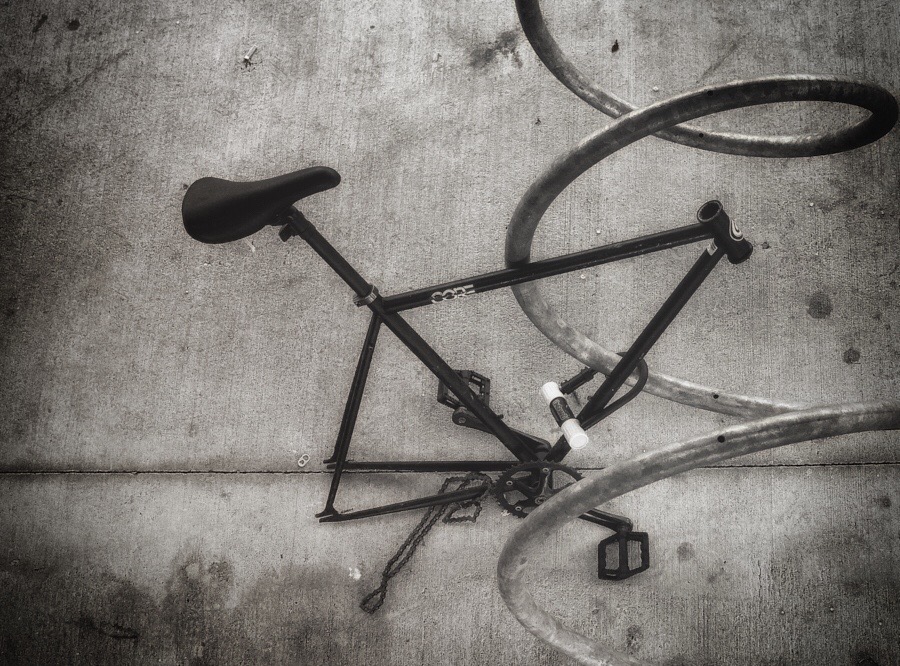
Yet, when daily life is “not as expected” … “taken apart” … “uncombined” are geometric shapes more apparent because a bike taken apart tells a different story?
Through Brazilian Eyes invites Lens-Artists to “… explore Where Does it Lead in what ever direction speaks to you.”
One may find themself on a path that feels empty, uncertain, broken, forgotten, lost. There is no self sense direction …
… a journey within the mind of possibilities begins … forming a path created by emerging dreams, expectations, doubts, opportunities, courage, self validation. Then … an unavoidable moment … when …
the impermanence of life … a clearly defined path fragmenting by change, uncertainty, regrets … and then … a merging of pathways of wonder, “what is beyond the horizon?”
This week Anne (Slow Shutter Speed) begins the lens-artist challenge with a question, “Now what would happen if you had a fixed lens and had to walk forward, backward or sideways to get the shot?” Well … it is interesting how this simple question took me back to why I invested in telephoto lens … fixed lenses and street photography … yeah … even to image today using a fixed lens while walking down town … anxiety provoking.
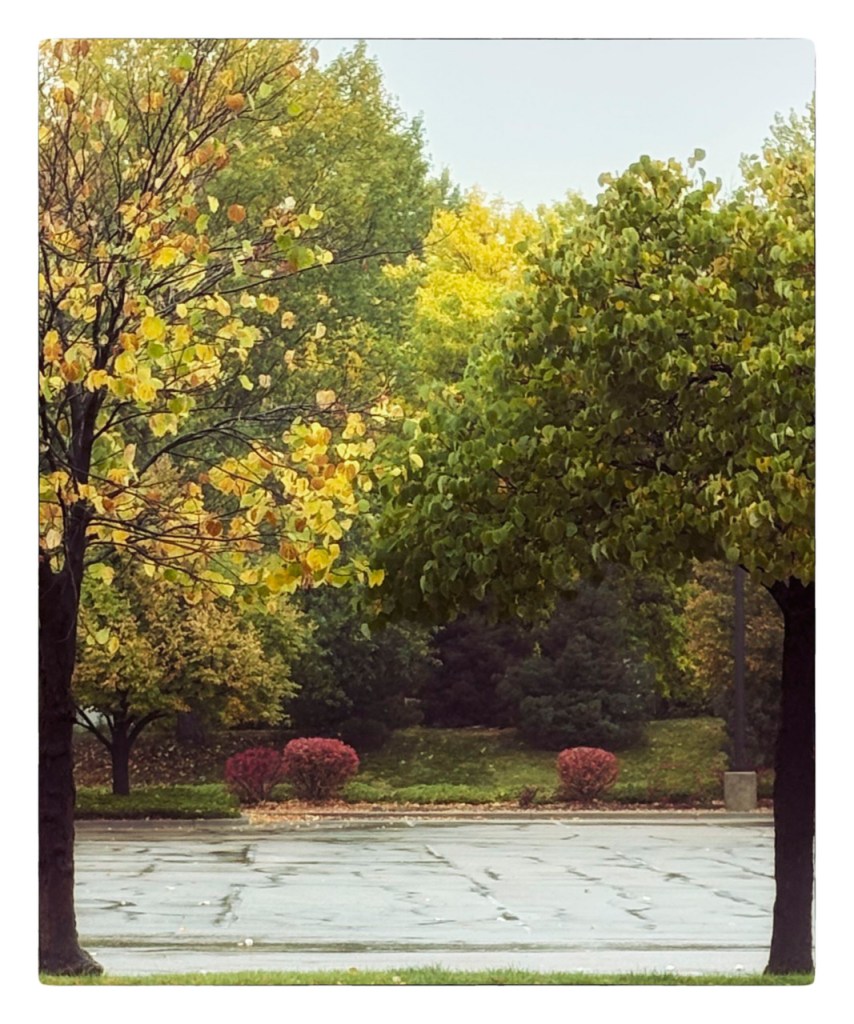
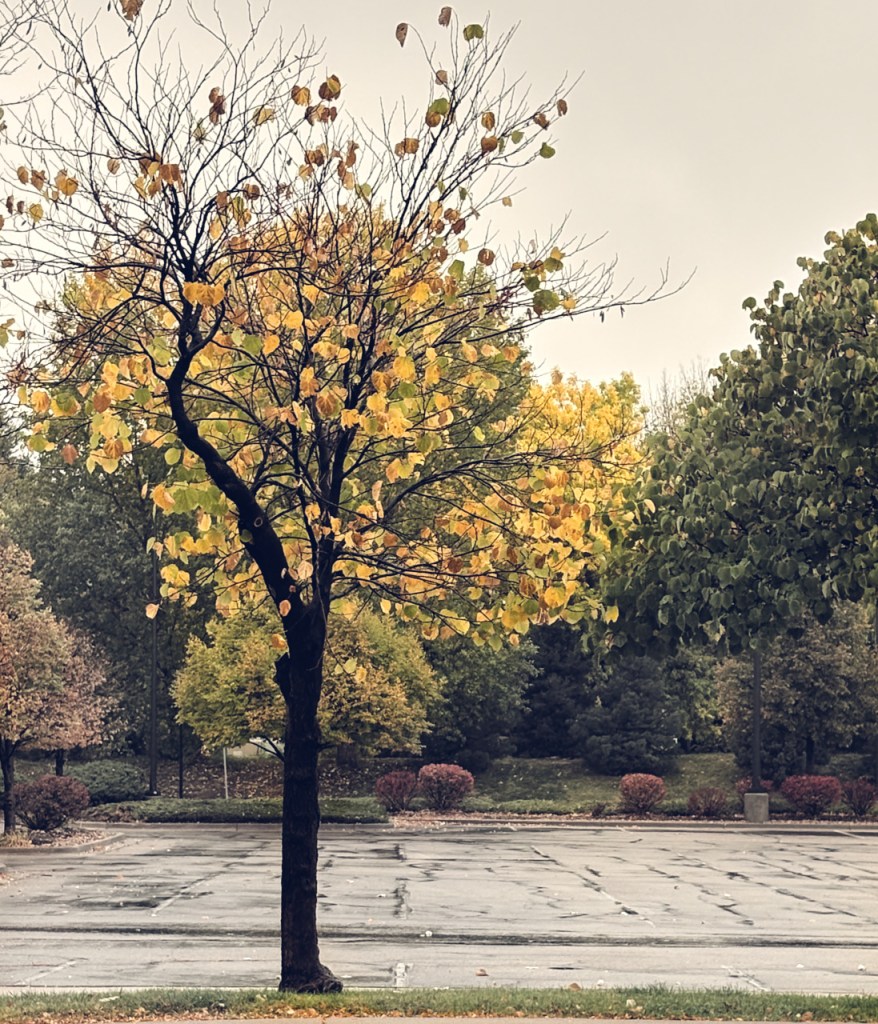
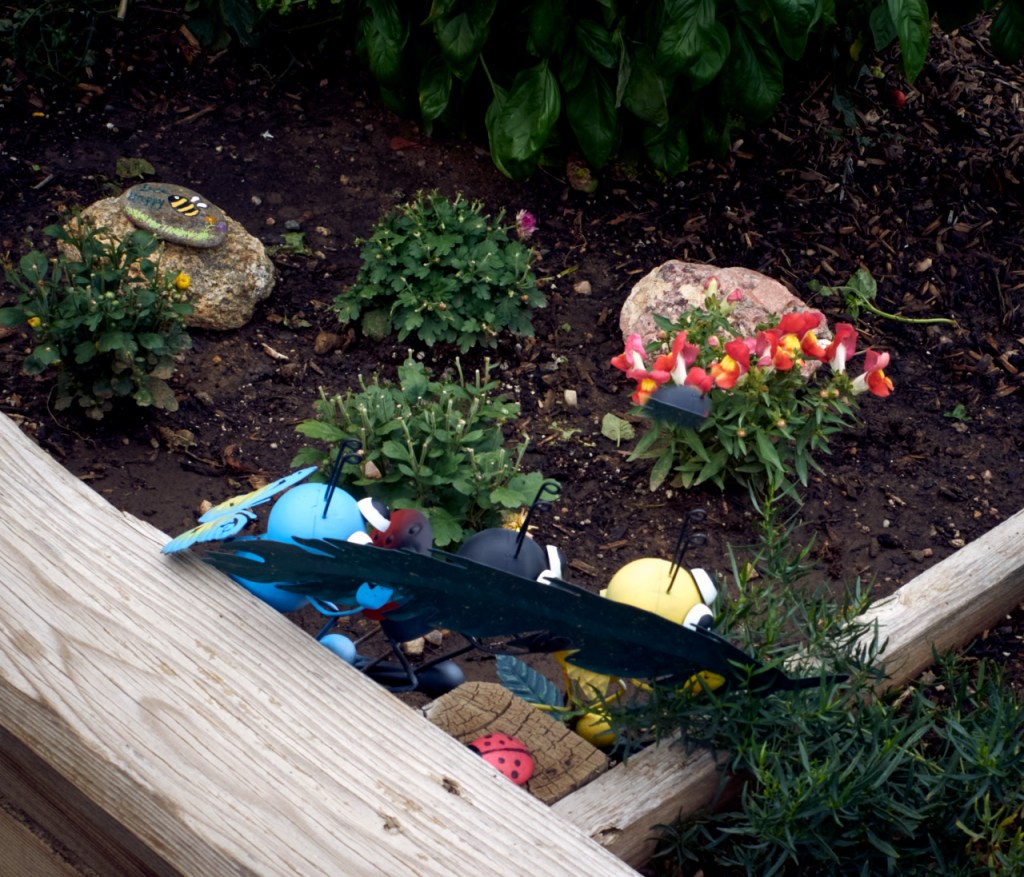
Today, an autumn dove-gray sky … the gray that opens up the magnificence of reds, yellows, and oranges. A sweater-weather morning walk – forward, closer, and sideways – through the neighborhood garden.
Rather busy … should I move closer?
Ricoh GR III: f/8 1/25 s 18.3 mm 100 ISO
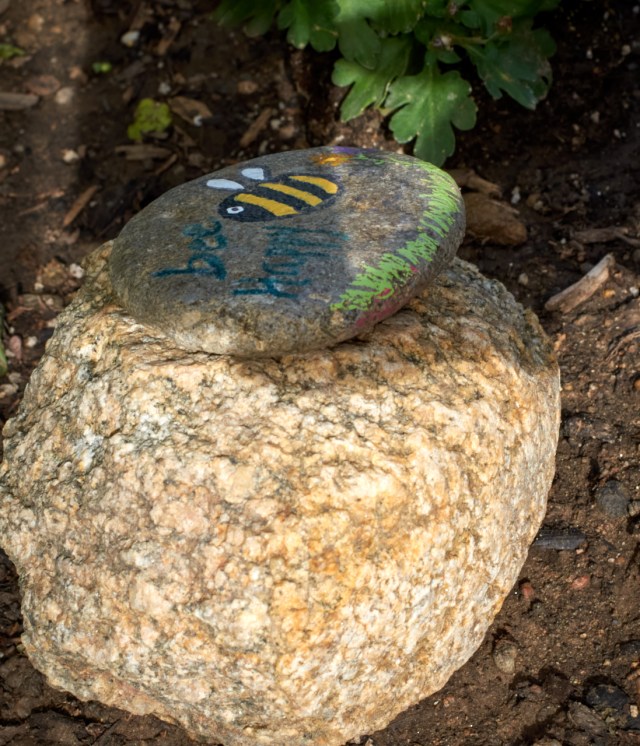
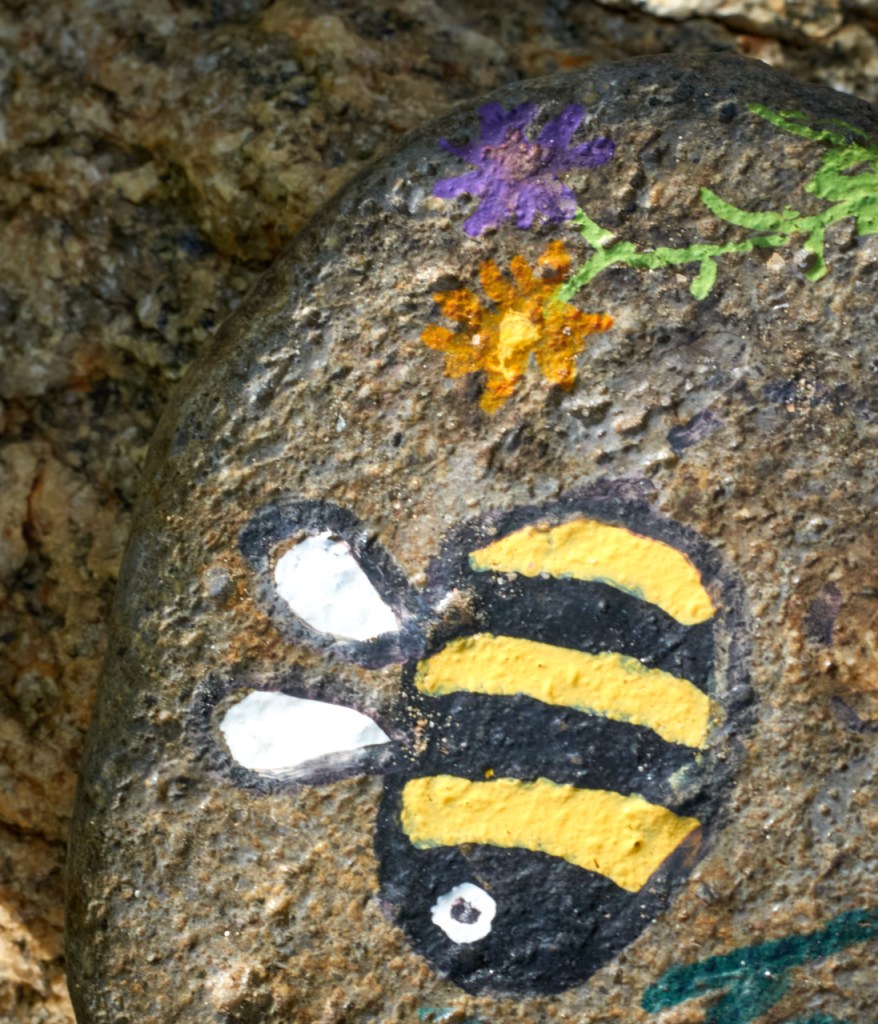
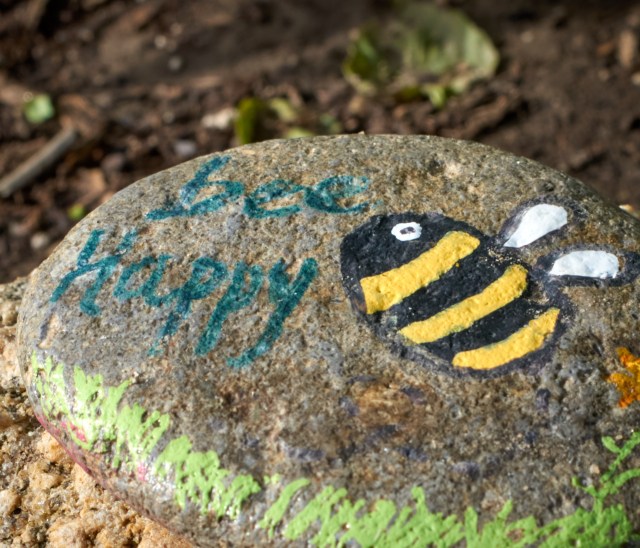
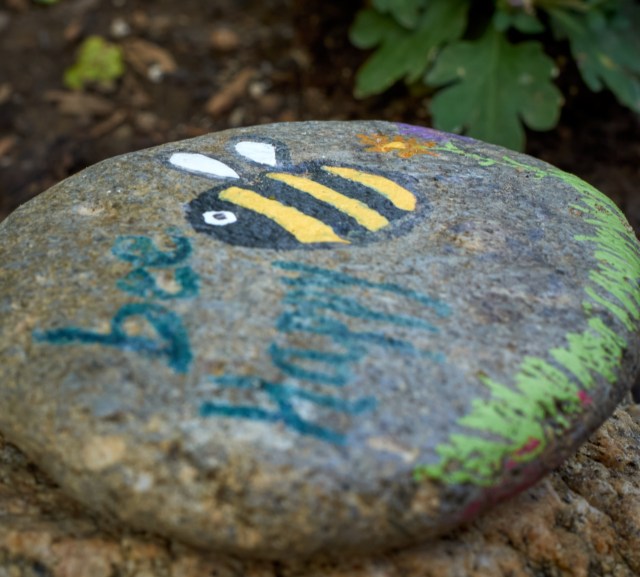
The painted rock in the left corner … more interesting than the blossoms?
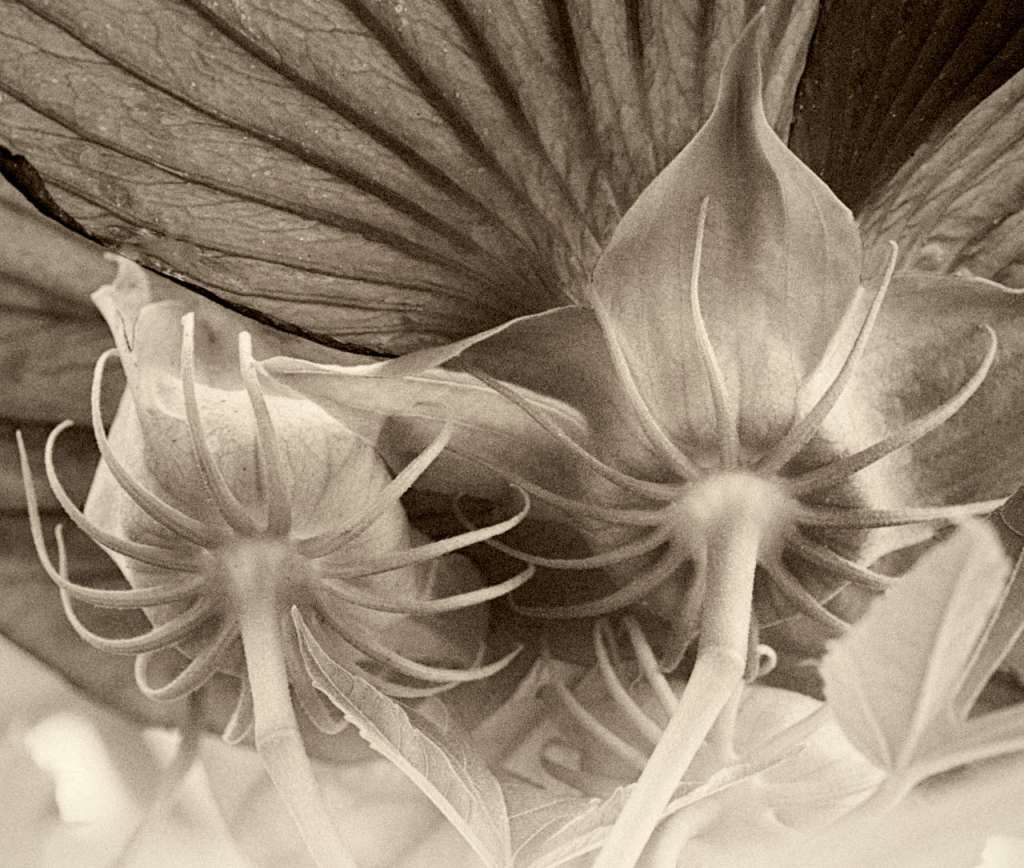
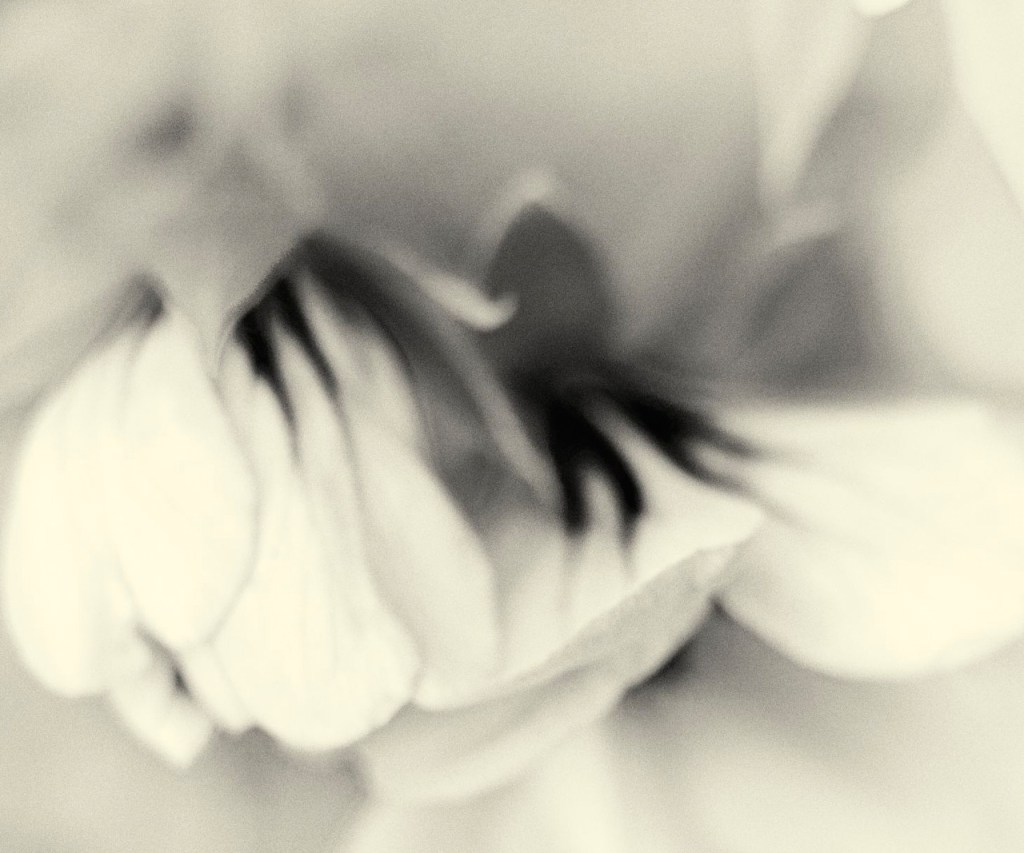
Leya invites lens-artist to share … a maximum of seven pictures illustrating harmony – the combination of separate but related parts within a work of art that uses their similarities to bring unity to a painting, drawing, or other art object.”
Visual harmony refers to the balance and cohesion of elements within an image. It involves strategically placing key components to create a sense of unity, order, and aesthetic appeal. When a photograph possesses visual harmony, it engages the viewer and guides their gaze through the frame, allowing them to appreciate the subject in a captivating manner. ~Boluwatife Ogunojuwo
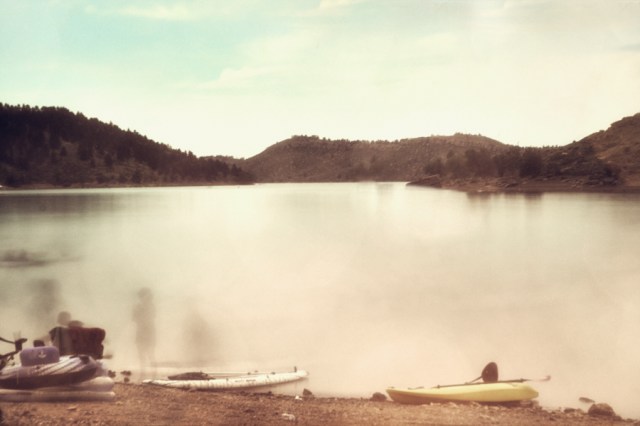
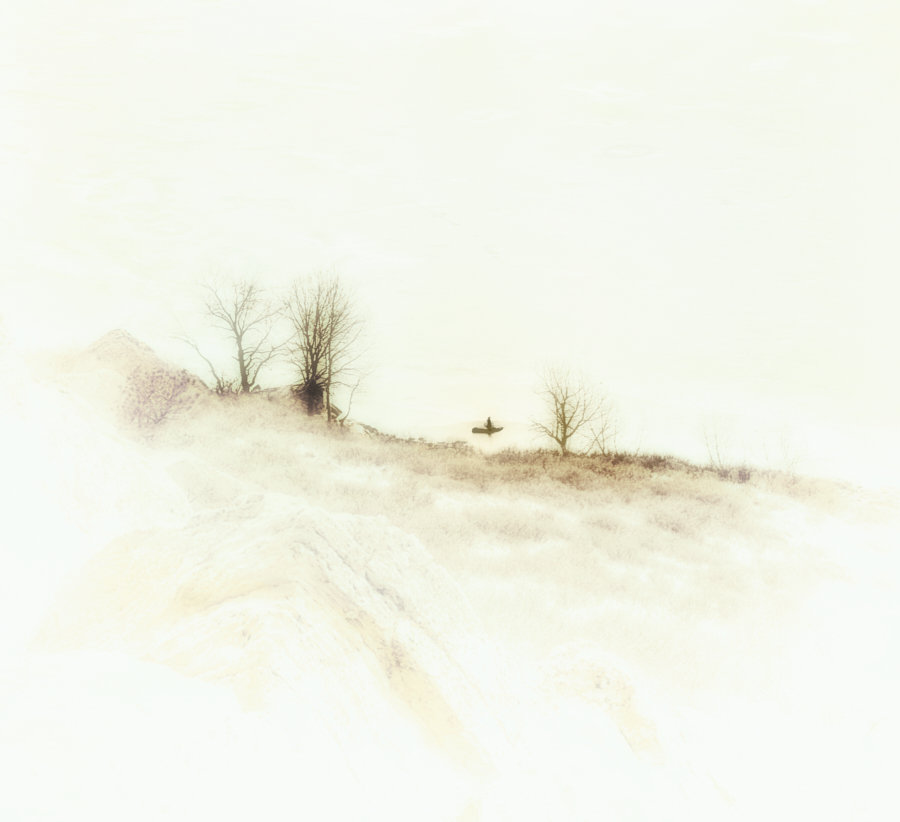
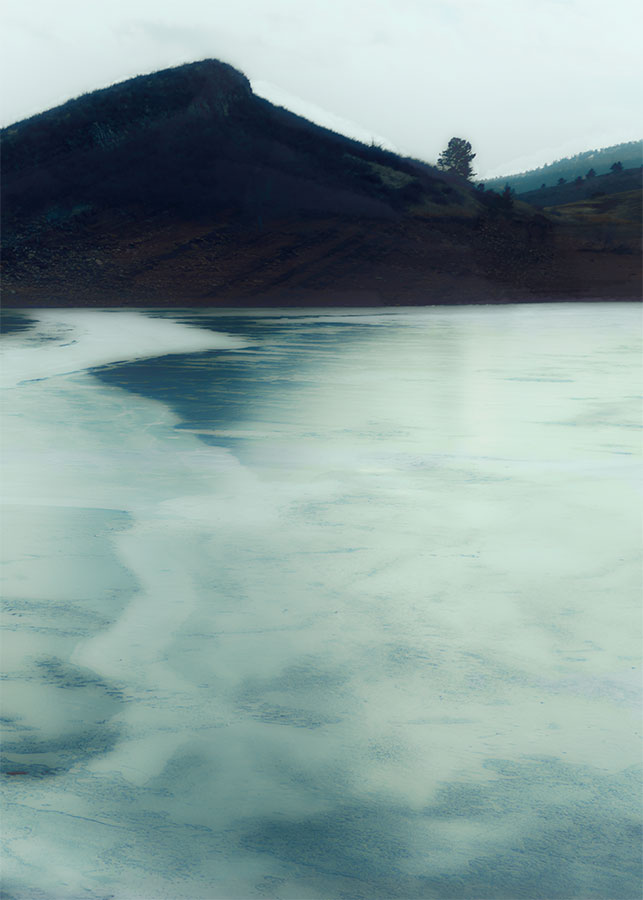
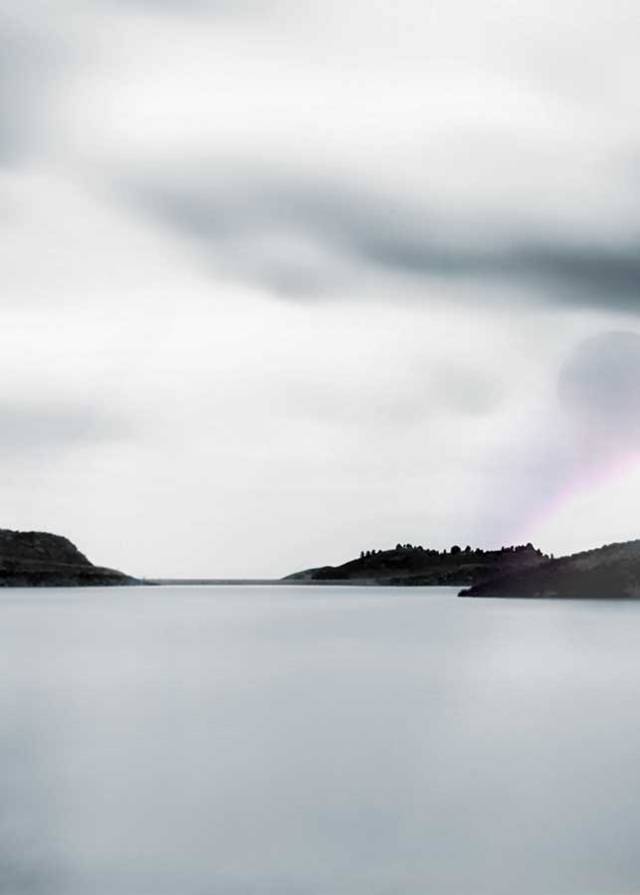
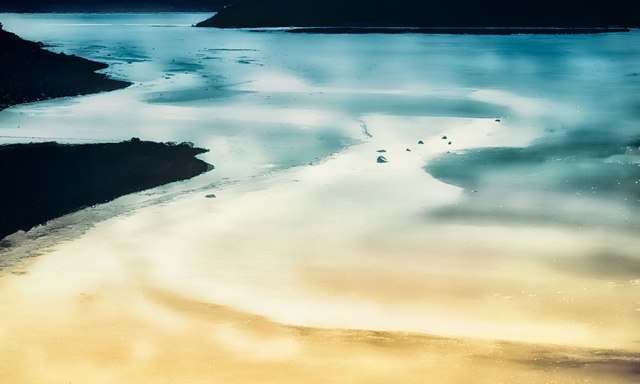
Journeys with Johnbo invites lens-artists to “share up to six waterscapes—images where water shapes the scene. Choose your favorite places, your favorite photos, or a single location that inspires you. Natural or man‑made, peaceful or wild—if water helps tell the story, it’s fair game.
Horsetooth Reservior
Long before white settlers and local folklore emerged, the mountains and plains surrounding Fort Collins and Larimer County were inhabited by Indigenous peoples for up to 12,000 years.
Tribal Presence: The traditional homelands in the Cache la Poudre River and Horsetooth area were shared, hunted, and traversed by the Ute, Arapaho, Cheyenne, and Shoshone peoples.
Relocation: During the mid-to-late 19th century, increased Euro-American settlement and federal policies forced these nations off their traditional lands onto distant reservations in Wyoming, Oklahoma, and southwestern Colorado.
It is often recommended by photographers to return to the same location to help one to become aware of the changes of light and shadow and unseen details while building a unique personal history with the location that over times shares it’s history.







You must be logged in to post a comment.