lens-artists: waterscapes

Journeys with Johnbo invites lens-artists to “share up to six waterscapes—images where water shapes the scene. Choose your favorite places, your favorite photos, or a single location that inspires you. Natural or man‑made, peaceful or wild—if water helps tell the story, it’s fair game.

Horsetooth Reservior

Long before white settlers and local folklore emerged, the mountains and plains surrounding Fort Collins and Larimer County were inhabited by Indigenous peoples for up to 12,000 years.
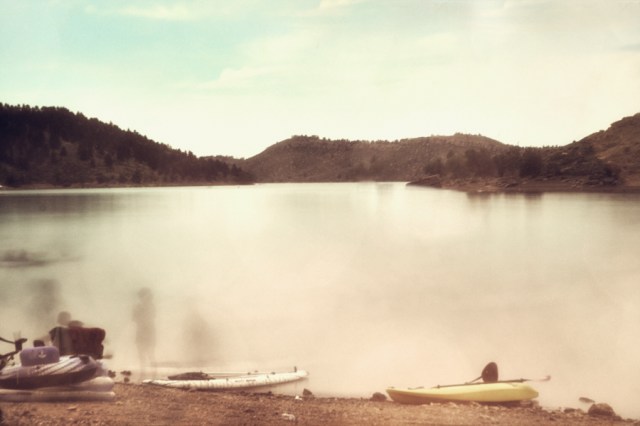
Tribal Presence: The traditional homelands in the Cache la Poudre River and Horsetooth area were shared, hunted, and traversed by the Ute, Arapaho, Cheyenne, and Shoshone peoples.
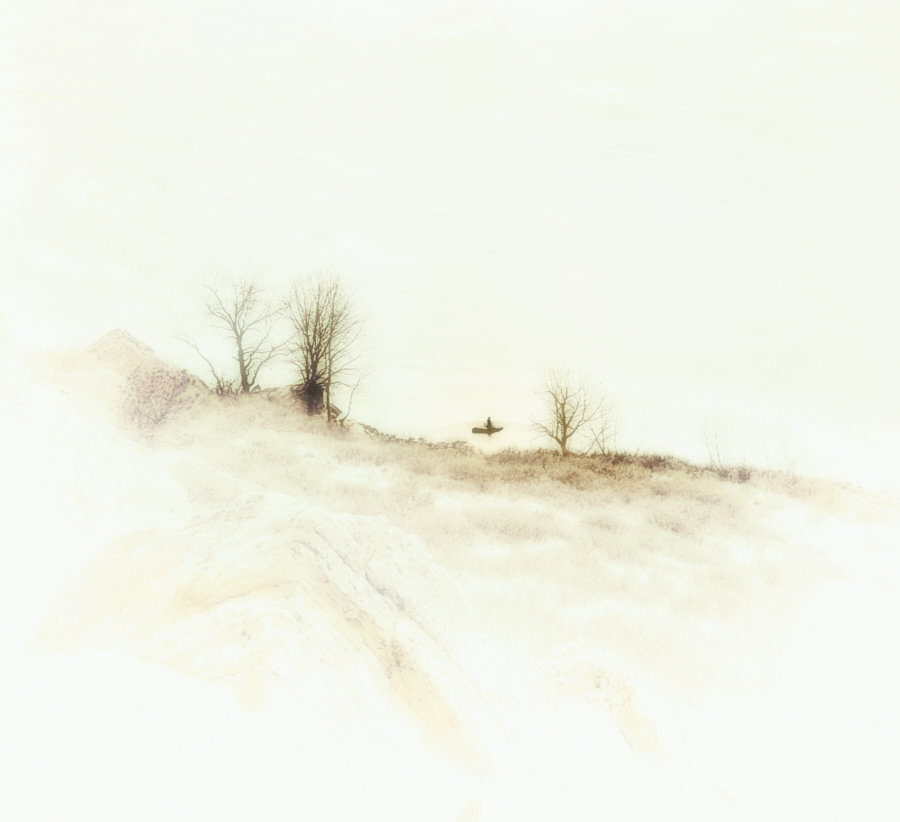
Relocation: During the mid-to-late 19th century, increased Euro-American settlement and federal policies forced these nations off their traditional lands onto distant reservations in Wyoming, Oklahoma, and southwestern Colorado.
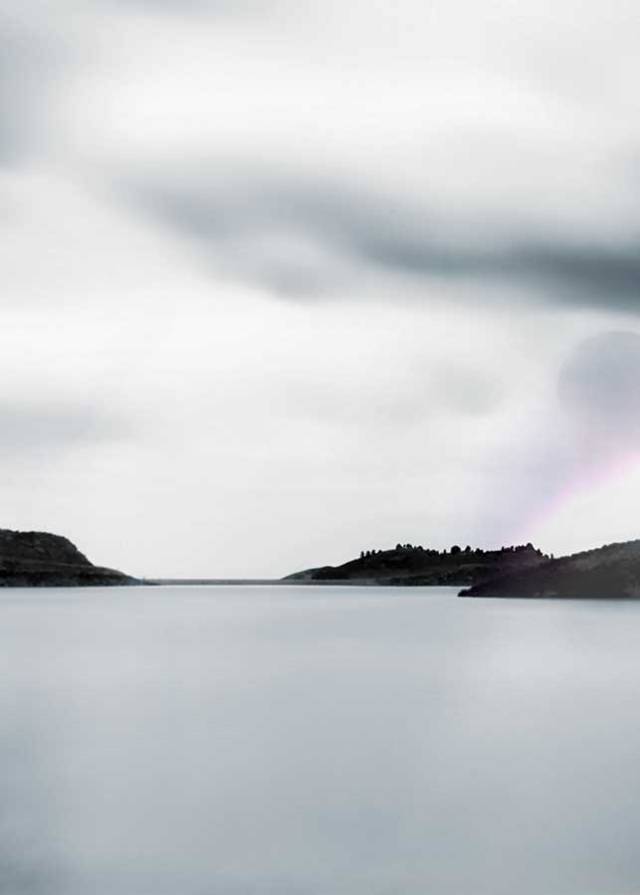
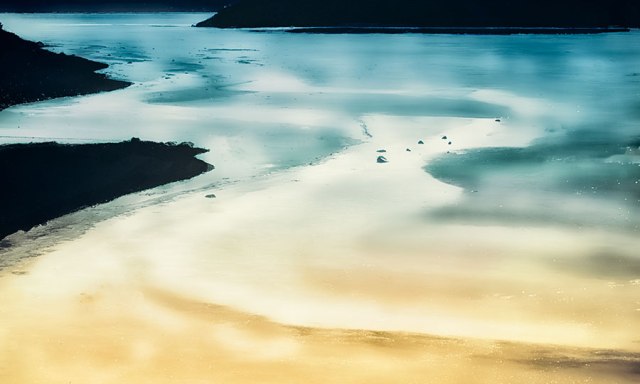
It is often recommended by photographers to return to the same location to help one to become aware of the changes of light and shadow and unseen details while building a unique personal history with the location that over times shares it’s history.
lens-artists: what is it?

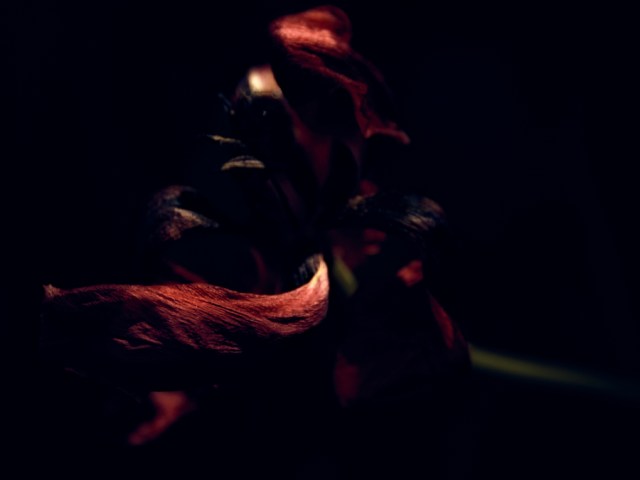
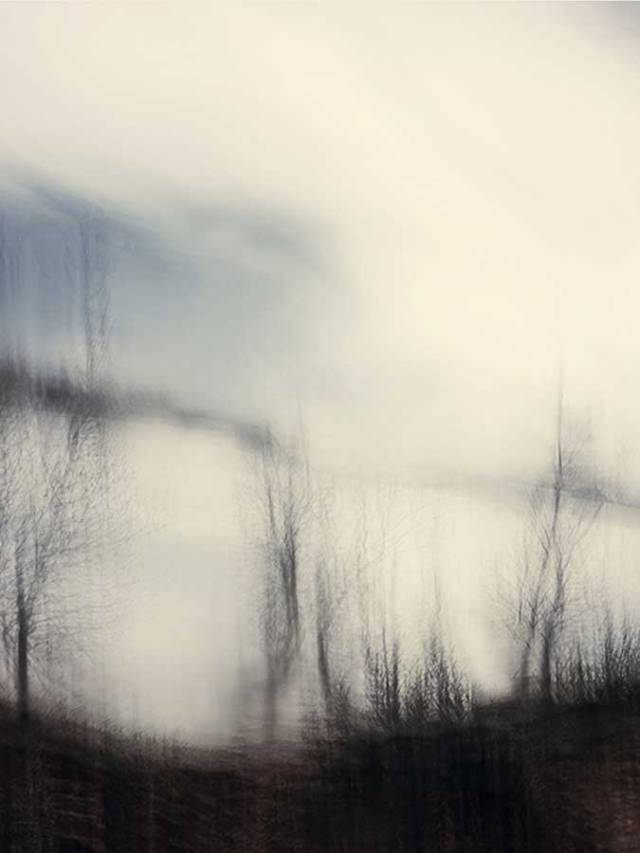
under exposure – ?

Sofia invites lens-artist to “think of anything that looks ambiguous, difficult to understand or unusual, look for details instead of the whole thing, conceal what might give away what your subject with editing, but most of all, have fun!”

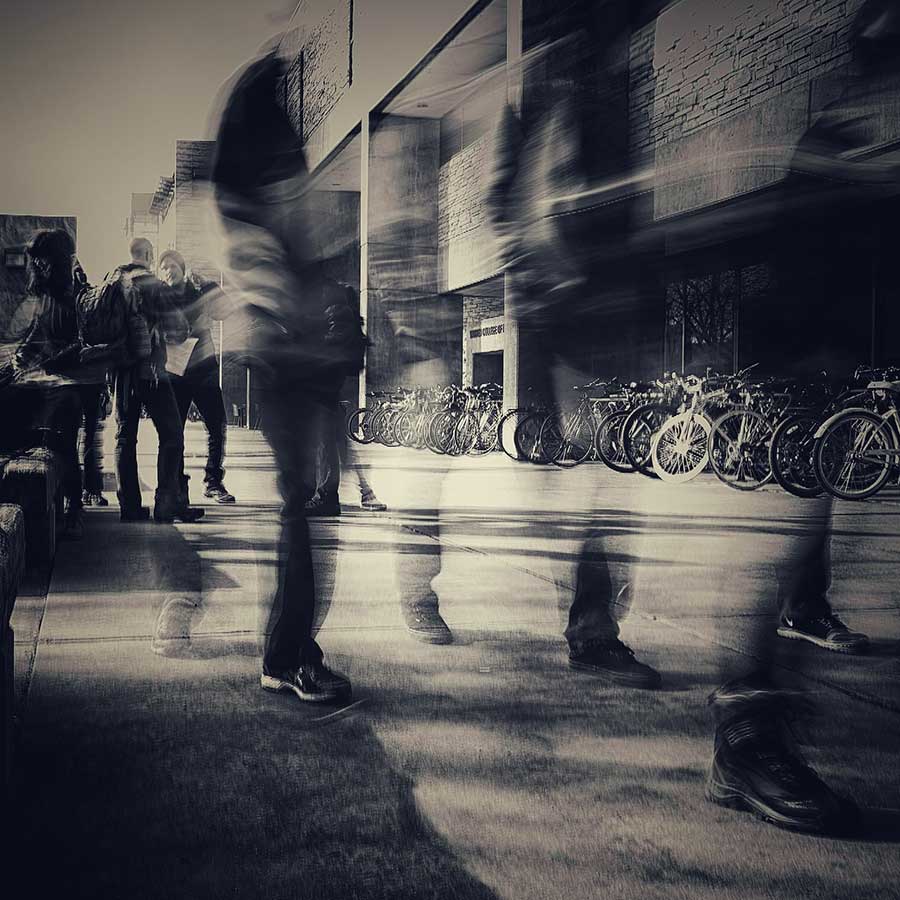
Looking back through images one finds a self on a journey of exploration. An exploration of the many ways to create images, in and out of camera: long exposure, double exposure, intentional blur, macro, points of view, long exposure combined with double exposure, selective coloring, and the list goes on.

Gallery

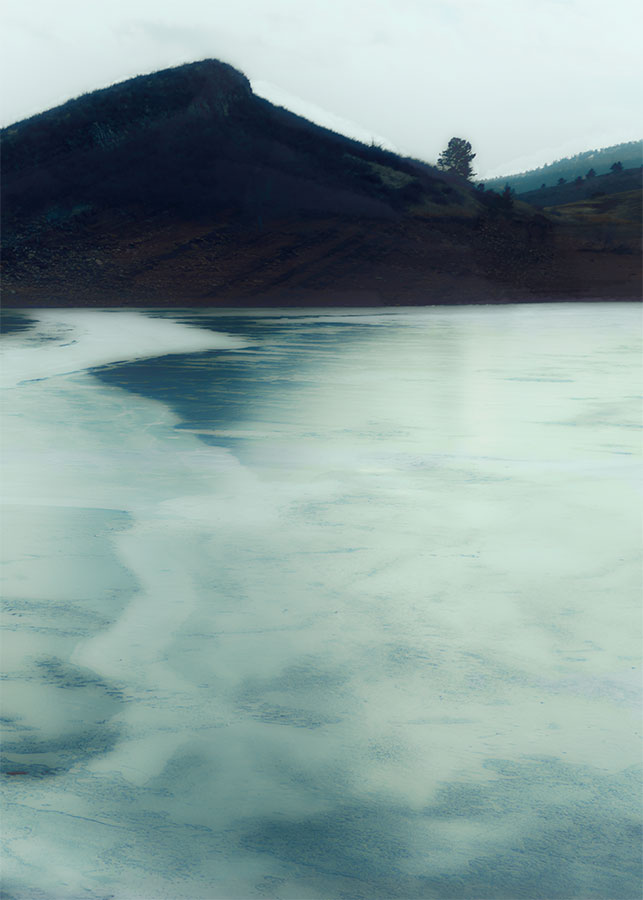
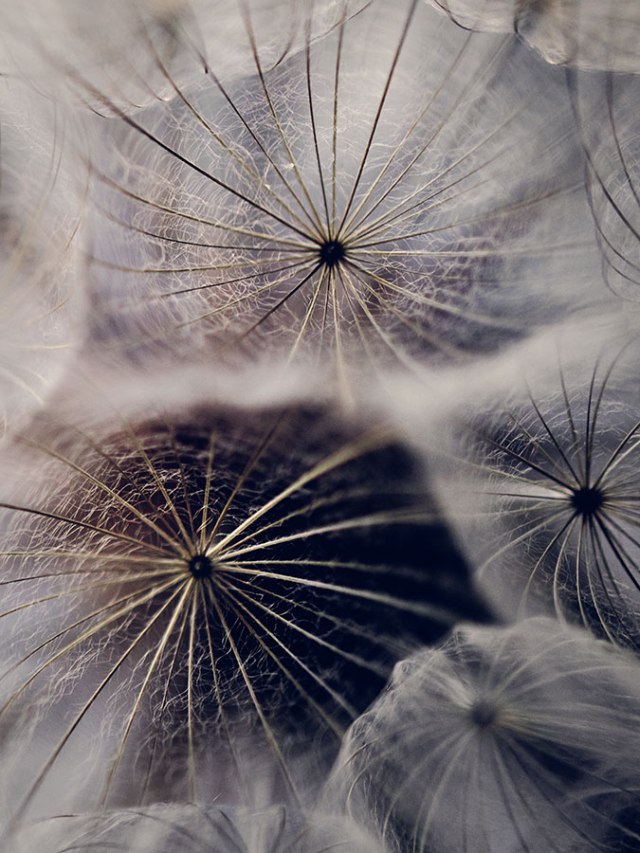
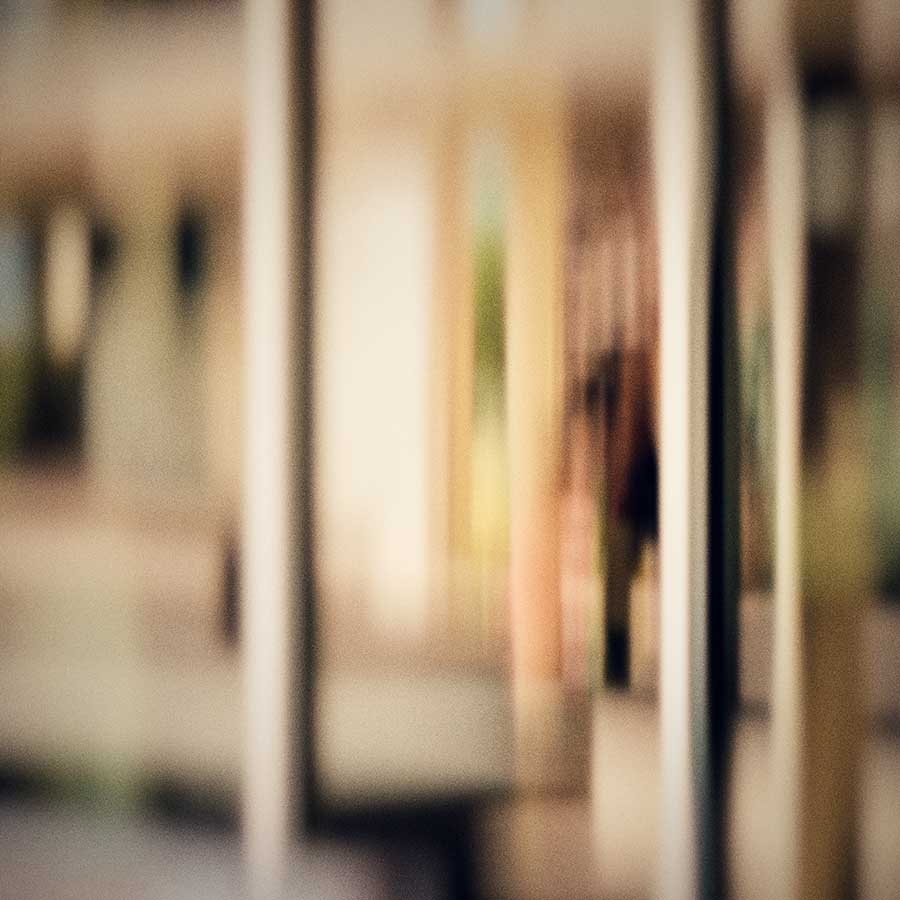
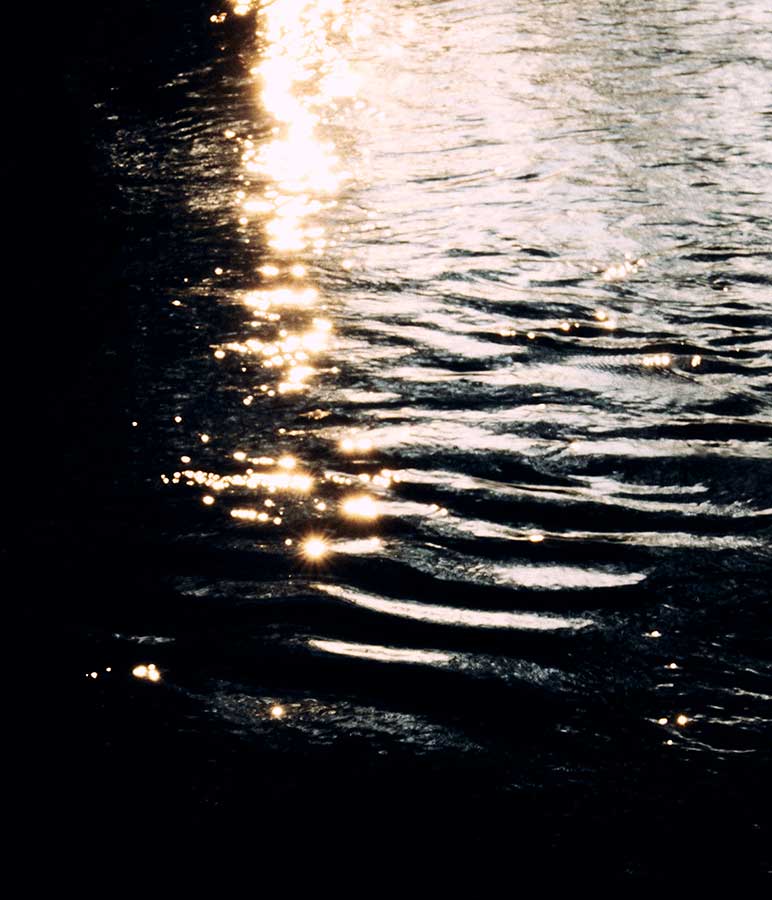
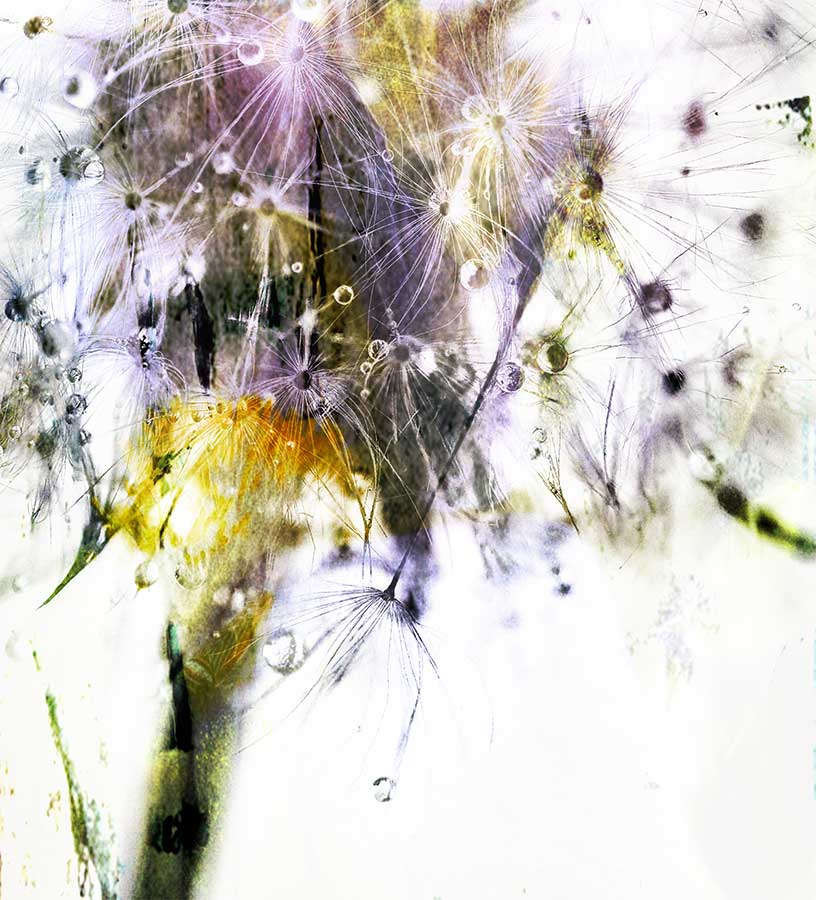
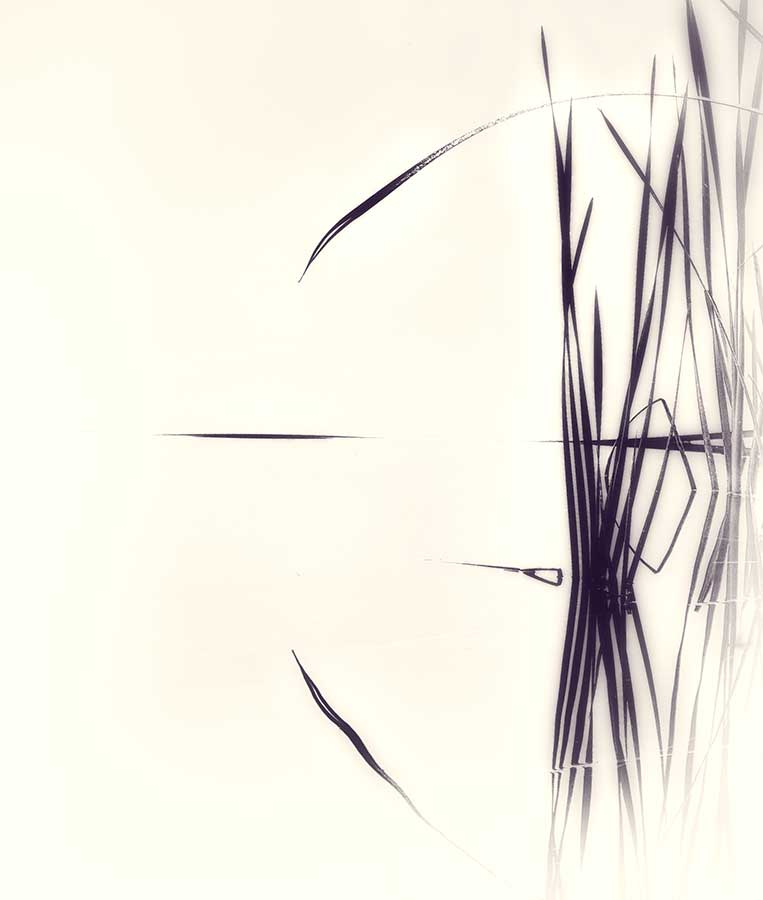
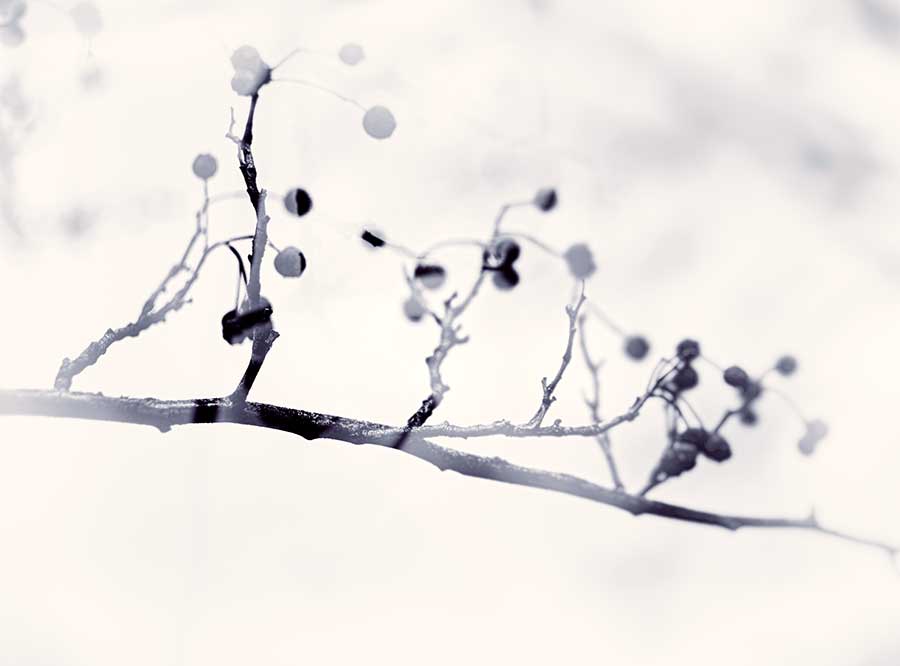
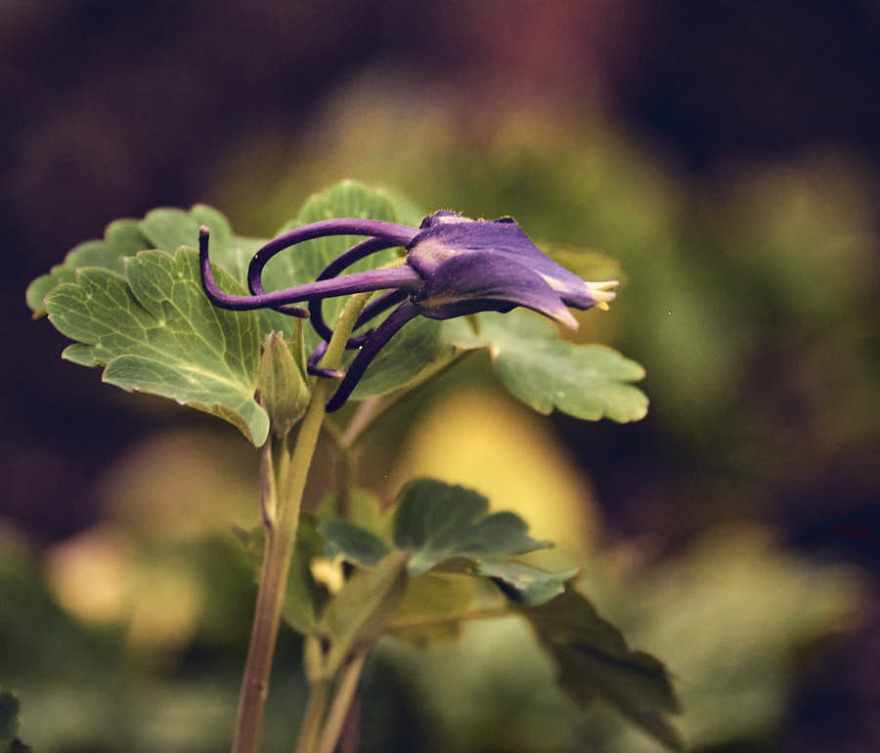
1.long exposure – lake, 2 macro/pov – salsifies, 3 edited blur – campus walkway

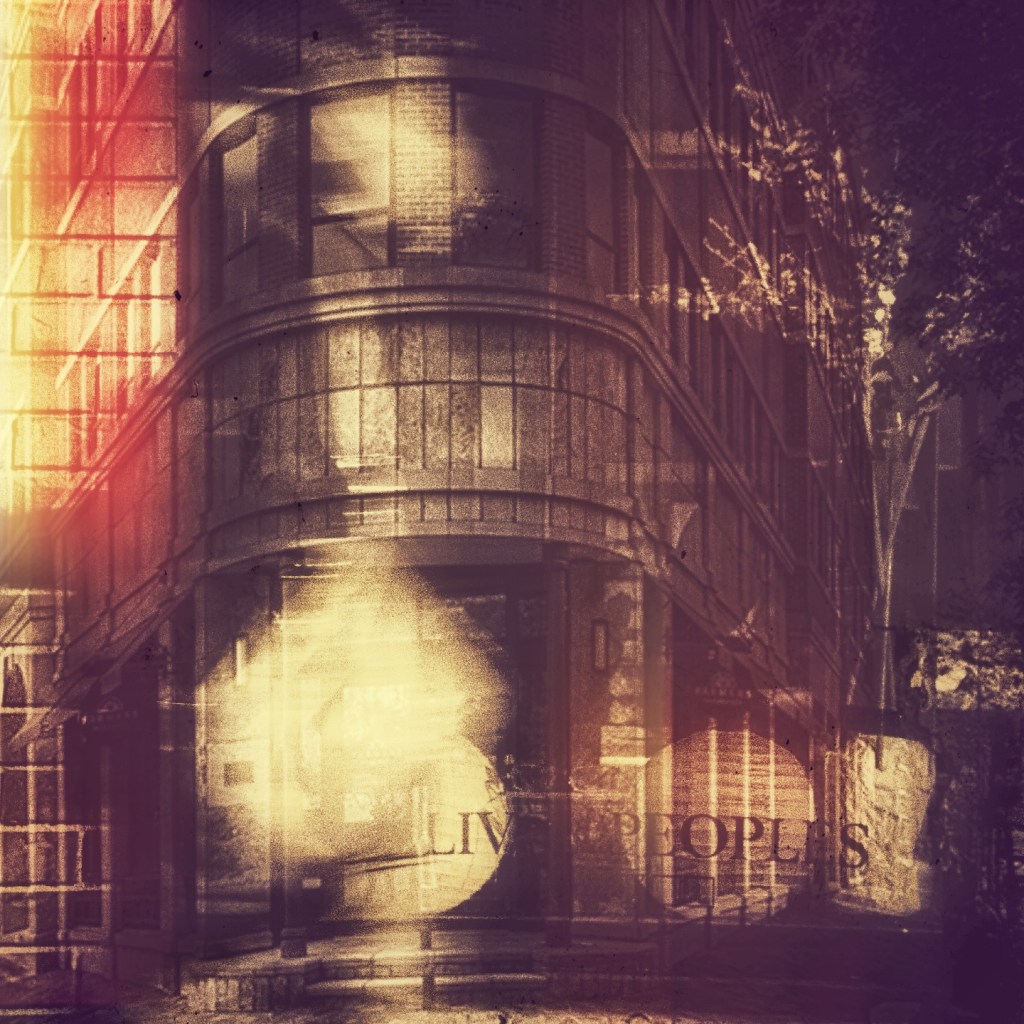
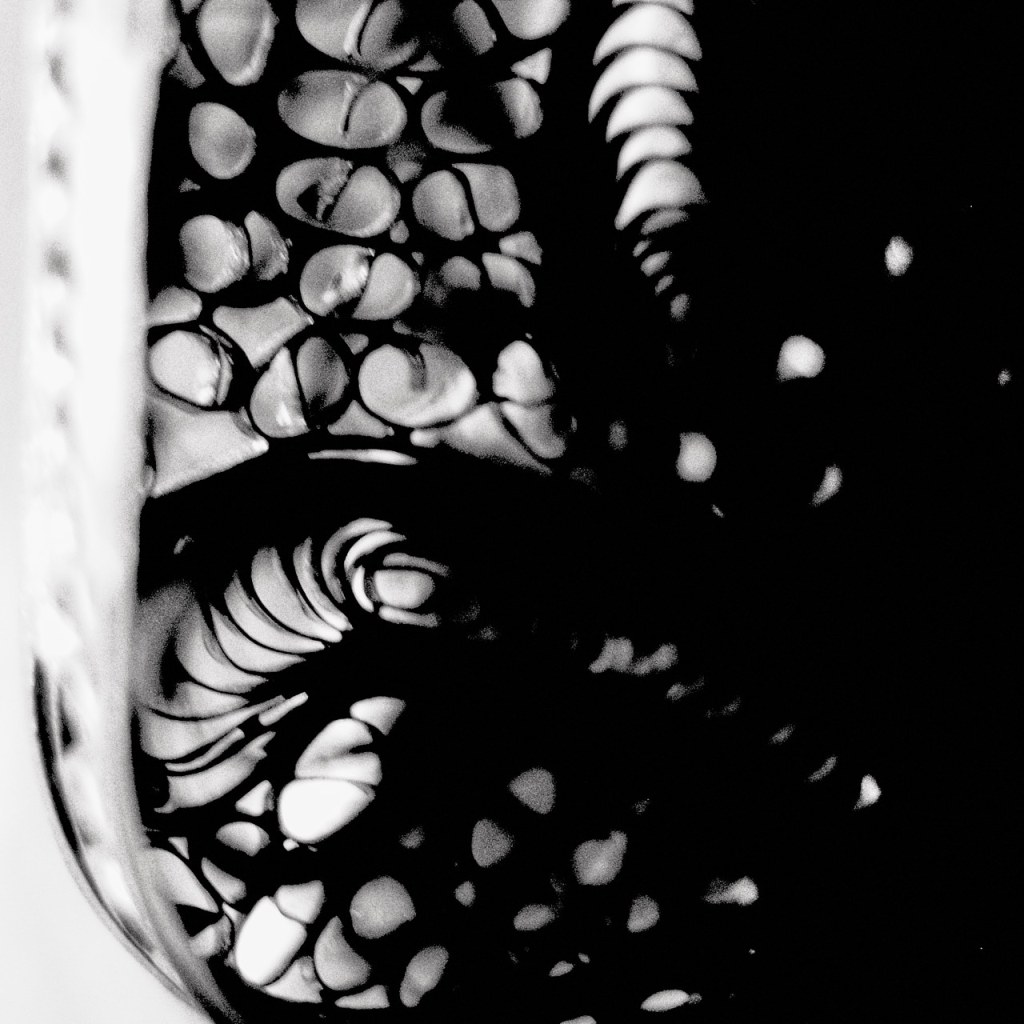
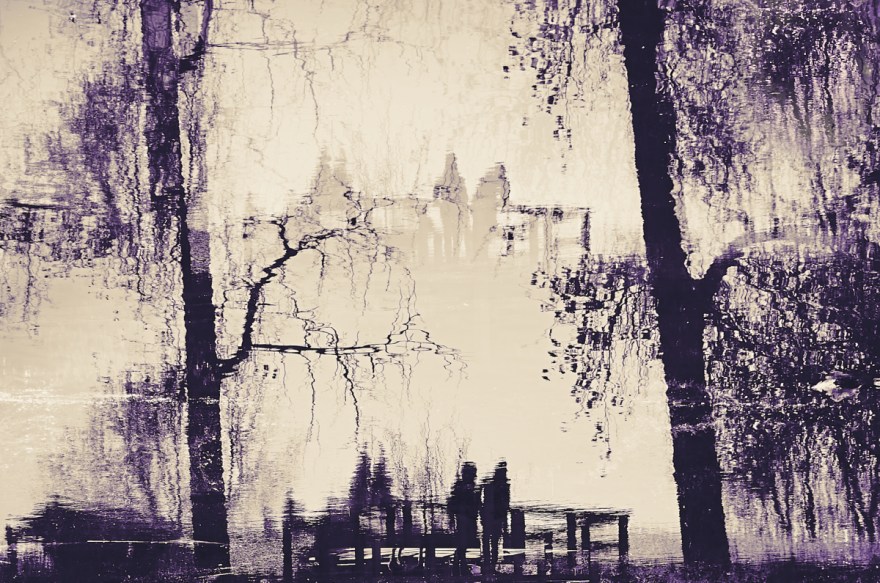
4. long exposure combined with double exposure – town square, 5. macro – jewelry, 7. dusk light – creek

lens-artists: abstract

Ritva Sillanmaki invites lens-artists photographers to “see beyond the surface” and “focus on the shapes, colors, textures, and patterns of the subject, rather than its literal representation.”

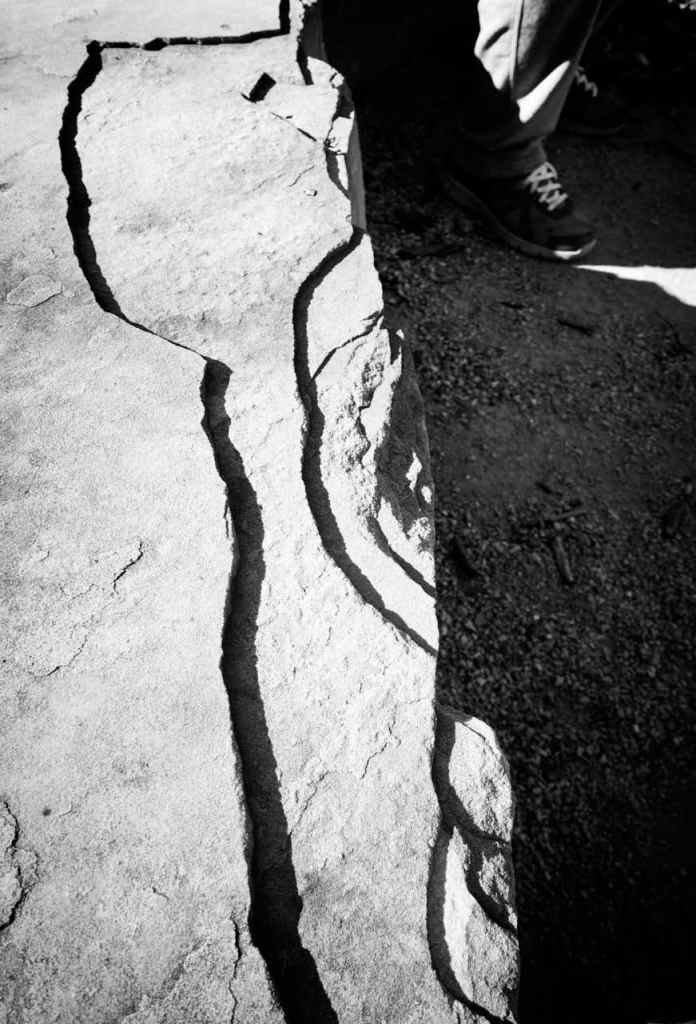
Some of the images below were created through the use of double exposure, shutter speed, focus, light and shadow, and gift of nature’s beauty.

lens-artists: it’s tricky!

Some historians speculate that April Fools’ Day dates back to 1582, when France switched from the Julian calendar to the Gregorian calendar as called for by the Council of Trent in 1563. In the Julian Calendar, as in the Hindu calendar, the new year began with the spring equinox around April 1. 

People who were slow to get the news or failed to recognize that the start of the new year had moved to January 1 and continued to celebrate it during the last week of March through April 1 became the butt of jokes and hoaxes and were called “April fools.” These pranks included having paper fish placed on their backs and being referred to as “poisson d’avril” (April fish), said to symbolize a young, easily caught fish and a gullible person.

Cited: History.com

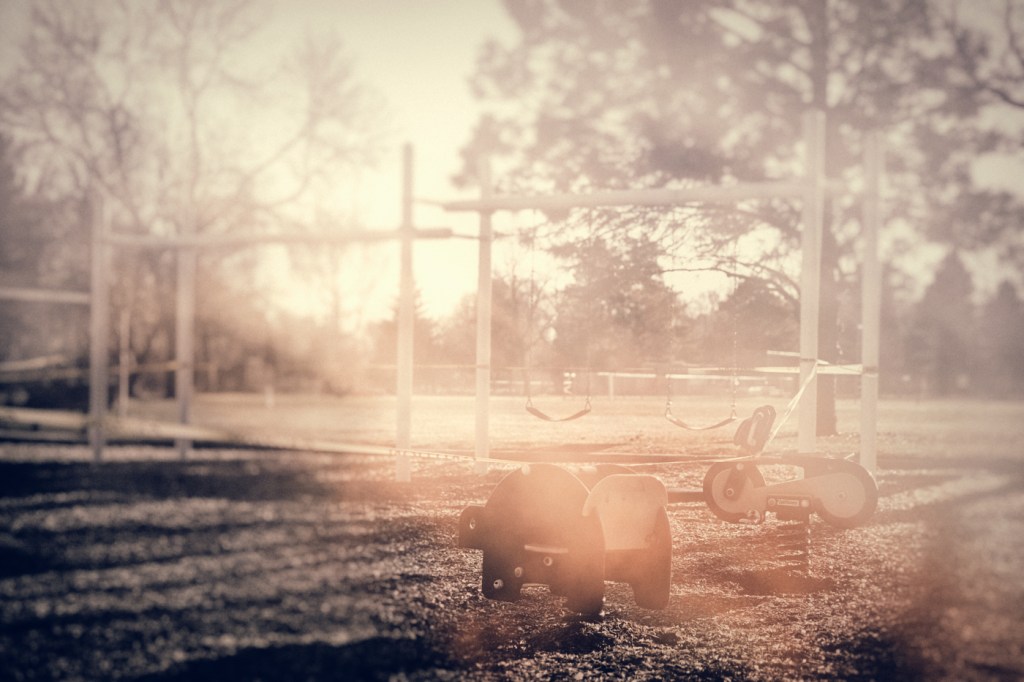
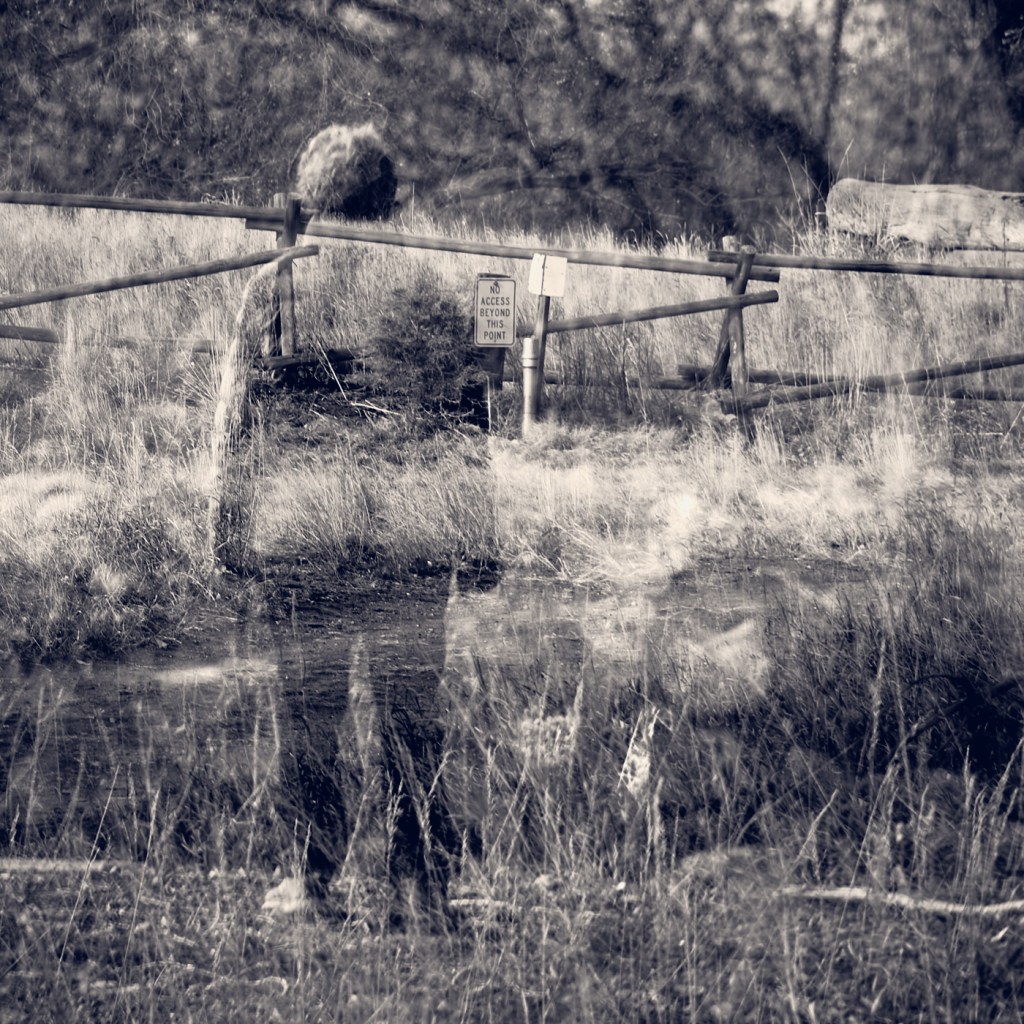
Double exposure is like a mystery bag, one never really knows what will come out of the camera.

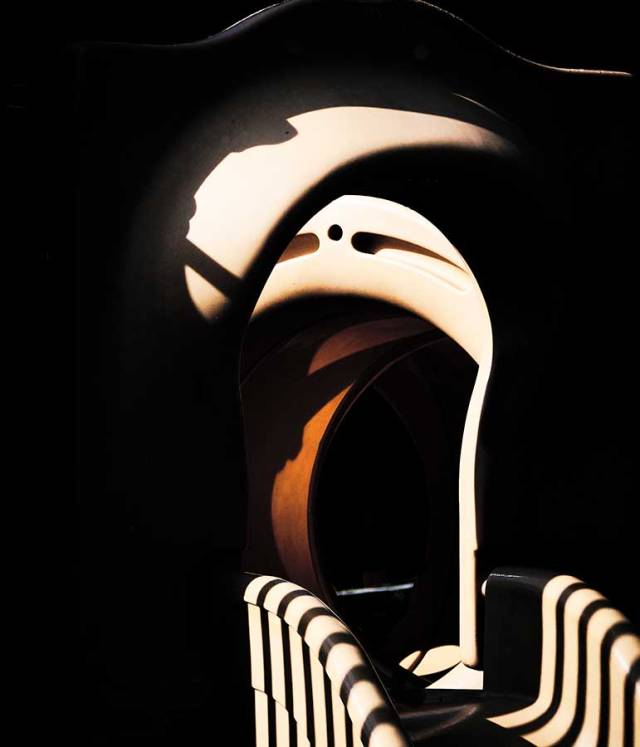
How did this playground slide become Phantom of the Opera?

Yes indeed, patience is a bit tricky.

Hop on over to Wind Kisses to join this week’s photo challenge

lens-artist photo challenge: getting to know you

This week scillagrace invites us to share Getting To Know You photographs that show our relationship with a subject that generated our attention, won our affection and taught us a thing or two.

on a makeshift bridge
we make friends…
croaking frog
~Issa (cited www.haikuguy.com)

I enjoy photo walk abouts…it is as if a camera has a third eye that invites me to look/see. Over time, I’ve enjoyed expanding my efforts to include using double exposure, long exposure, window reflections in street photography.

Introducing body language as a way to introduce emotions within street photography.

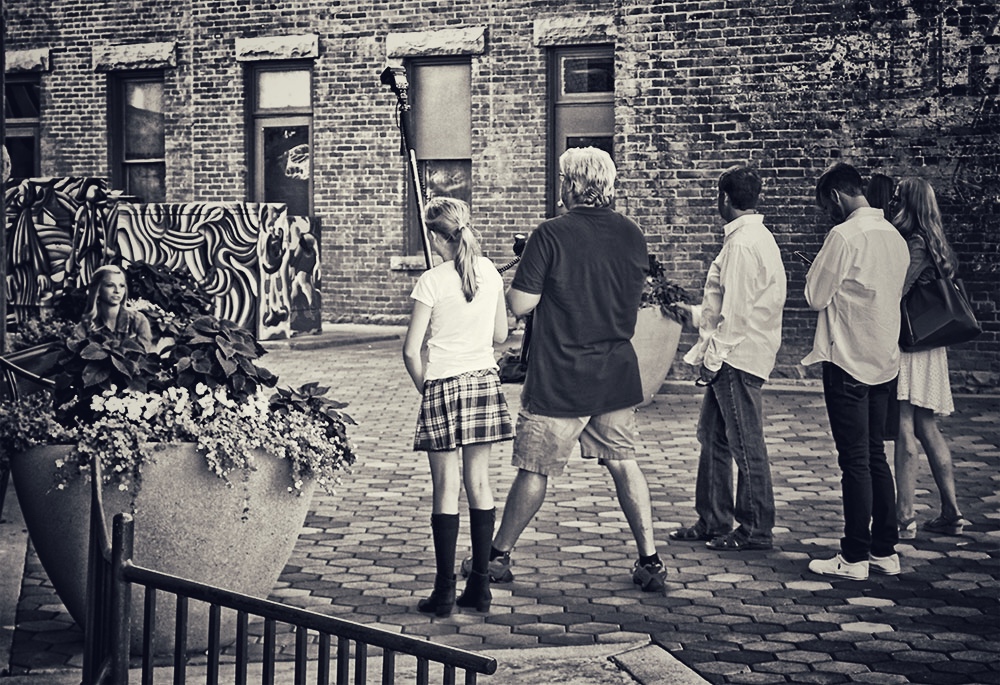
Exploring window reflections as a means to compose a frame within a frame as well as create an abstract street image.

Accepting the challenge of in-camera double exposure.

And…may I invite you to spend a few minutes watching a mom and child, getting to know each other through laughter and validation. I know you will find yourself smiling.

Bebê italiano aprendendo a falar

https://fb.watch/51pEYvmHHV/

lens-artists photo challenge: from forgettable to favorite

This week’s lens-artists photo challenge (Travels and Trifles) invites us to share our photo editing process that aids in the realization of our artistic interpretations.

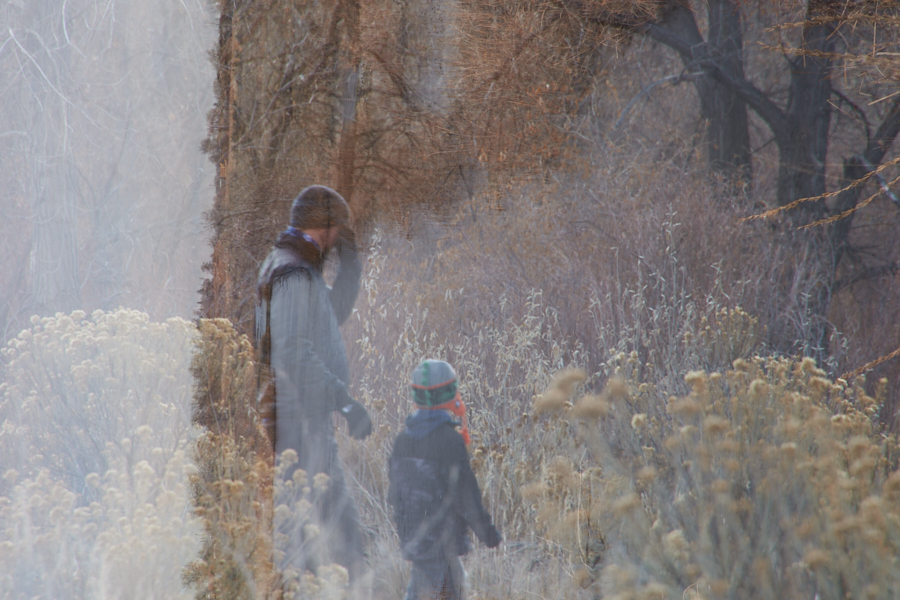
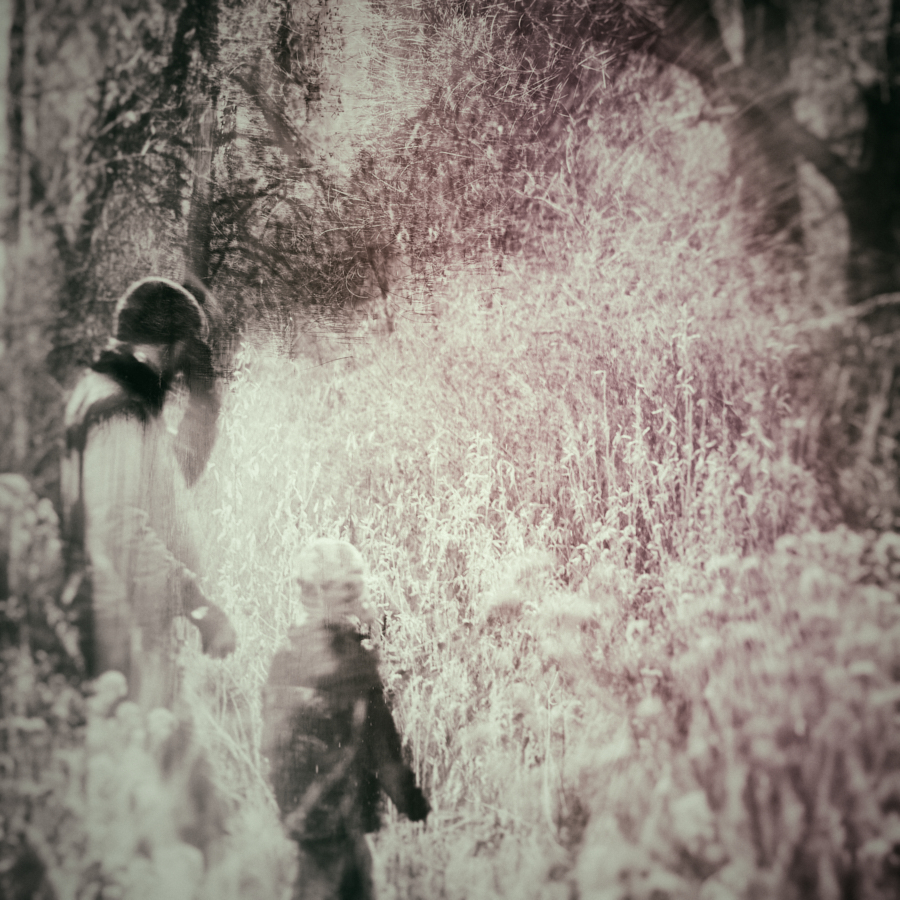
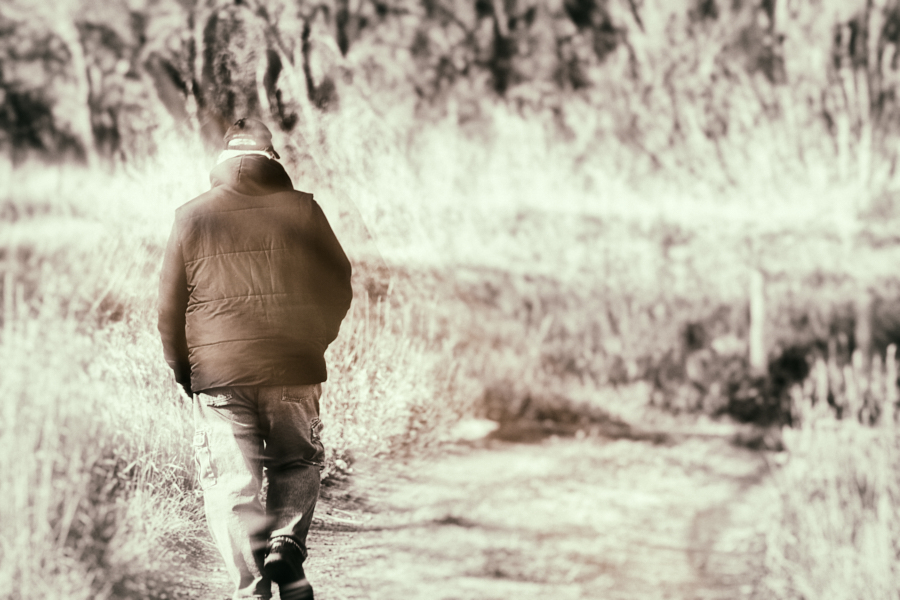
The side-by-side images below (Nikon D750) were part of a nature walk that began with an intention to create in-camera double exposure photographs. As you will notice only one of the photographs below was created in camera.

After the initial adjustment and cropping edits within Capture One 21, the final images were created using the Analog Efex Pro 2 software.

f/8 1/250s 38mm 100 ISO

f/8 1/320s 38mm 100 ISO

f/8 1/125s 38mm 100 ISO

Often when I walk away from the editing process with a bit of frustration, I call to mind a mantra introduced to me by the photographer, Bruce Percey, “you can’t make a bad photograph good, but you can make a good photograph bad.

I have often found that what is “forgettable” and that which is “favorite” often times is grounded in the subjective experiences of the photographer and the viewers.

Be safe, be well, be sage.

lens artist photo challenge: favorite photos of 2020

“It was the best of times, it was the worst of times,

“it was the age of wisdom, it was the age of foolishness,

“it was the epoch of belief, it was the epoch of incredulity,

“it was the season of Light, it was the season of Darkness, it was the winter of despair,

“we had everything before us, we had nothing before us,

“we were all going direct to Heaven, we were all going direct the other way

“– in short, the period was so far like the present period,

“that some of its noisiest authorities insisted on its being received,

“for good or for evil, in the superlative degree of comparison only.” ~Charles Dickens, A Tale of Two Cities.

Quote from Charles Dickens’, A Tale of Two Cities, and images submitted in response to Travels and Trifles first photo challenge for 2021.

double exposure

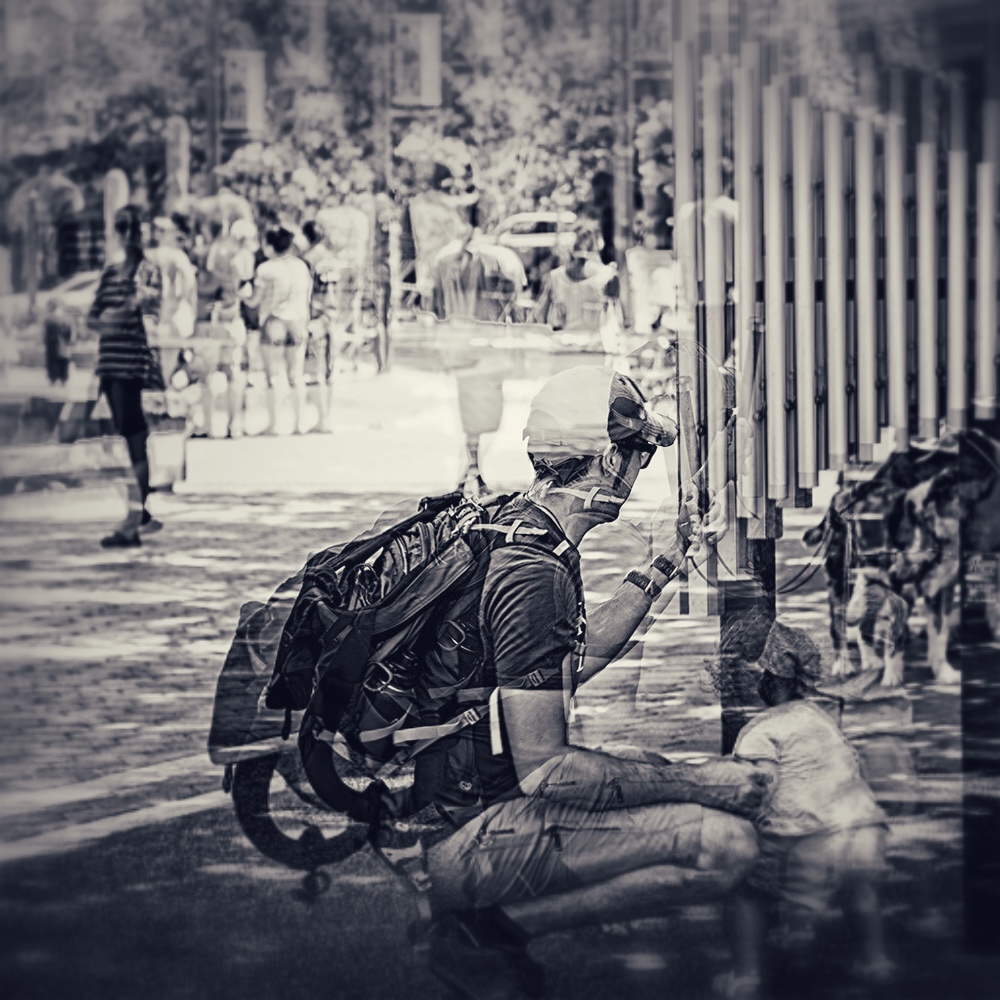
The images above were created through the use of multiple exposure, both within camera and through digital editing. This Double Exposure project was inspired by the belief that images give voice to the emotional pain of COVID across the globe. While this virus does not discriminate, the number of people who are most impacted during this time are those who live within impoverished communities—dense housing projects, reliance on public transportation, low income, limited access to medical care and sick leave, employment instability, and rates of non-communicable diseases and illness.  

The phoenix that may arise from the flames of inconsolable grief is an awareness of the inequality aggregation of these social and economic disparities exacerbates the adverse effects of all humanity.  

COVID-19 is not a pandemic. It is a syndemic.