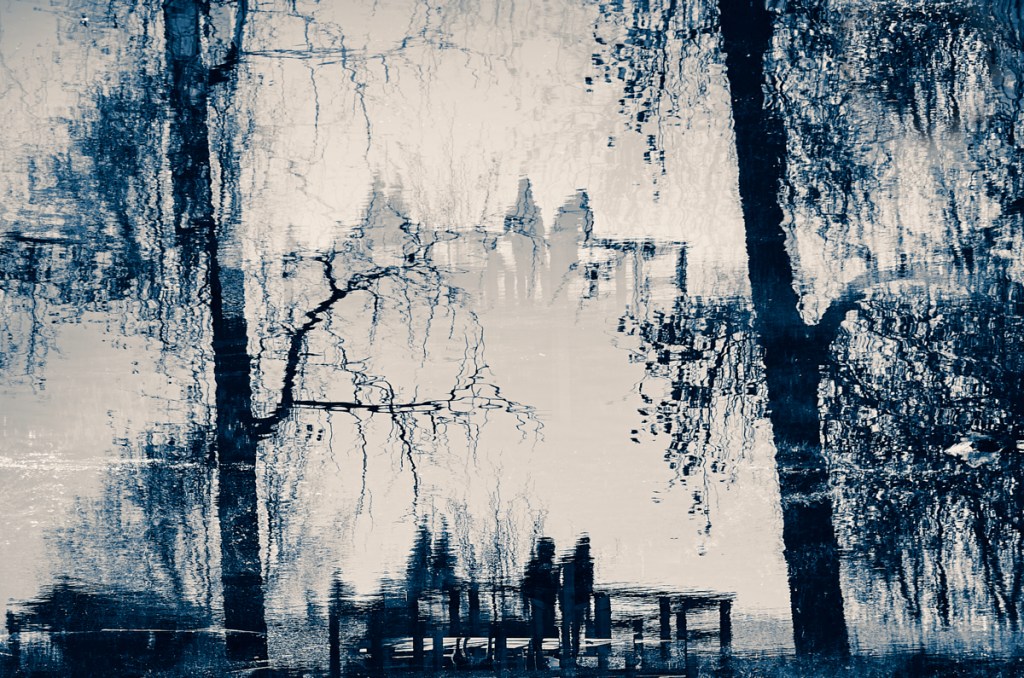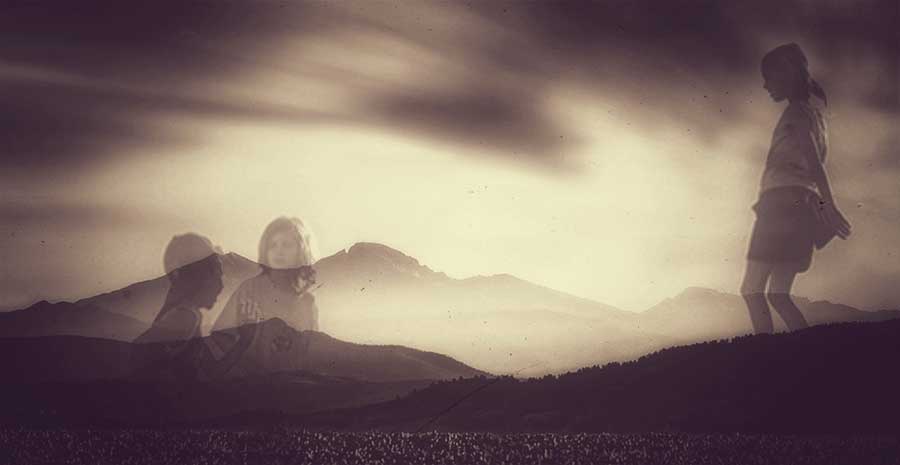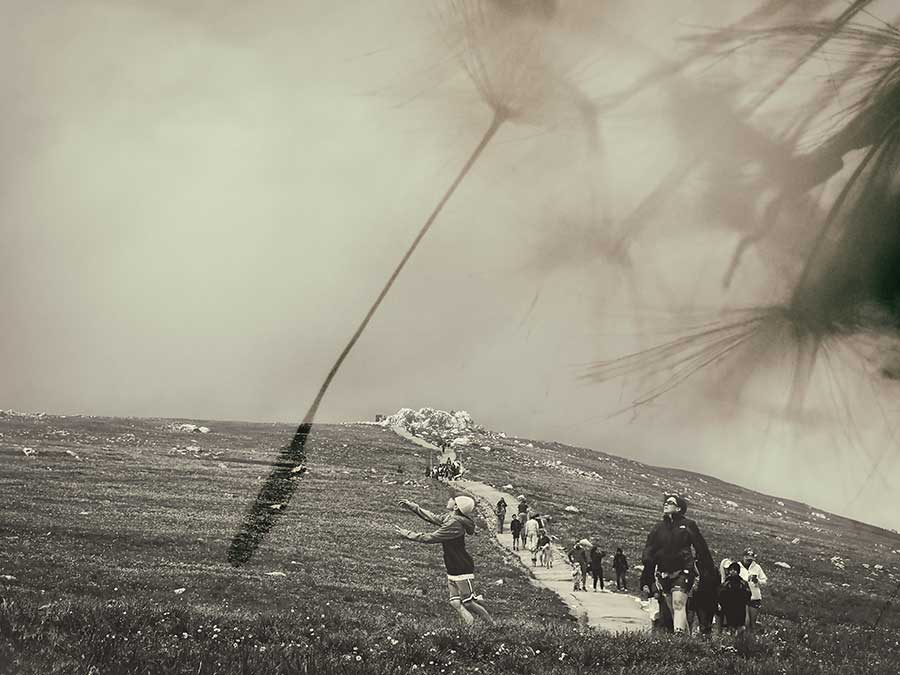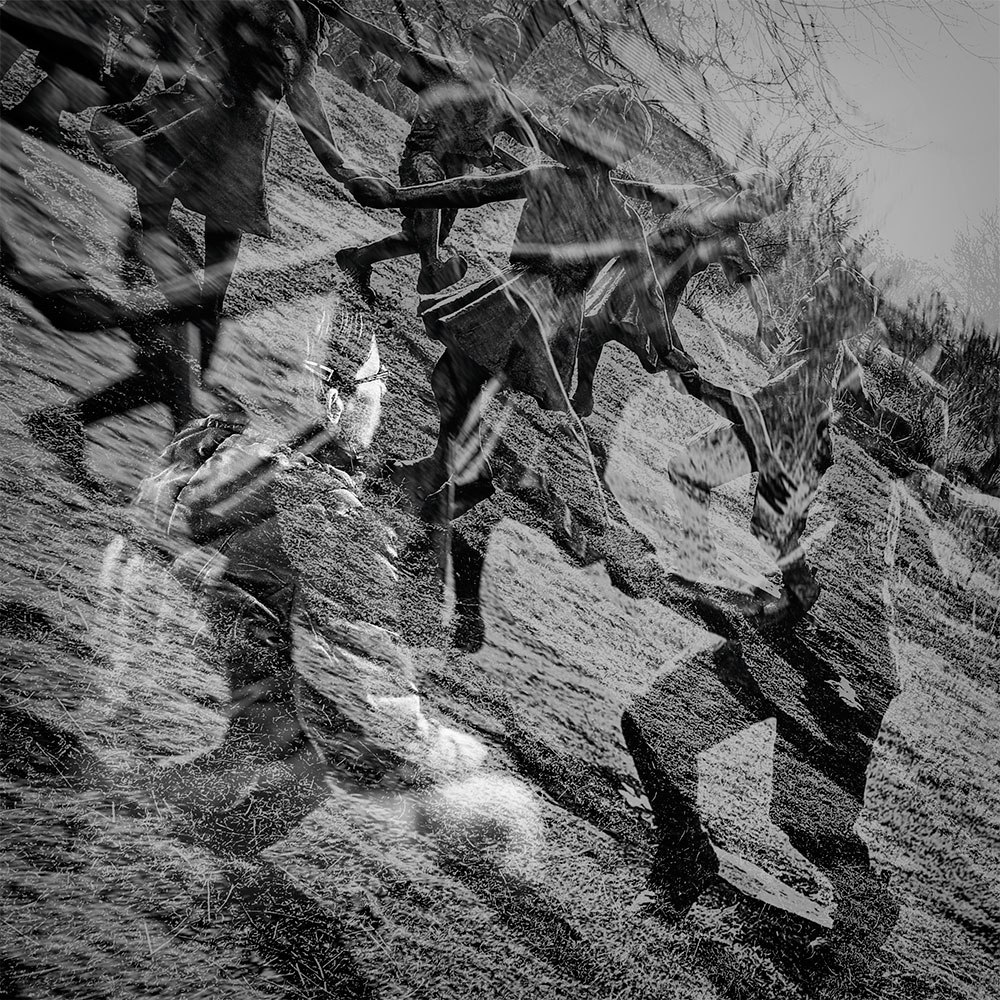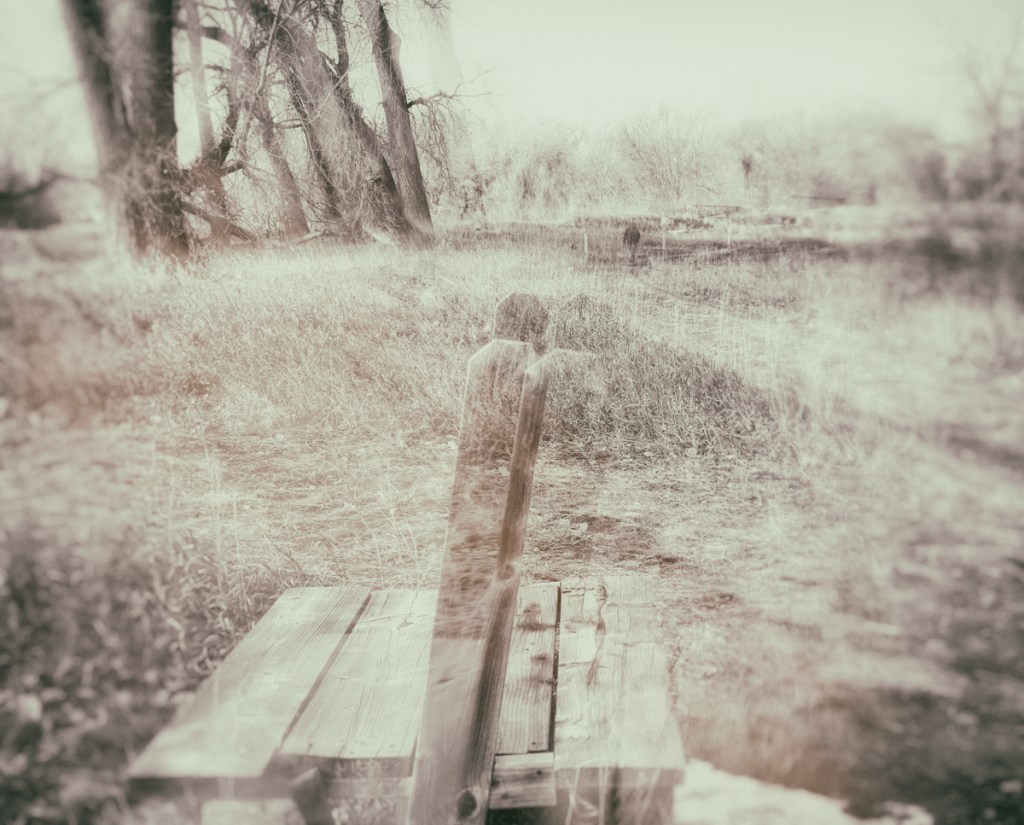
the wandering one has forgotten home

Nikon D750 f/8 1/320s 28mm 100 ISO
On and on, always on and on
Away from you, parted by a life-parting. 
Going from one another ten thousand “li,”
Each in a different corner of the World.
The way between is difficult and long,
Face to face how shall we meet again?
The Tartar horse prefers the North wind,
The bird from Yüeh nests on the Southern branch.
Since we parted the time is already long,
Daily my clothes hang looser round my waist.
Floating clouds obscure the white sun,
The wandering one has quite forgotten home.
Thinking of you has made me suddenly old,
The months and years swiftly draw to their close.
I’ll put you out of my mind and forget for ever
And try with all my might to eat and thrive.*

*cited: Trans: Arthur Waley, Project Gutenberg A Hundred and Seventy Poems. Note: The above poem is from a series known as the Nineteen Pieces of Old Poetry. Some have been attributed to Mei Shēng (first century b.c.), and one to Fu I (first century a.d.).

Image and poem submitted in response to Travel with Intent’s Six Word Challenge

lens-artists photo challenge: the letter A

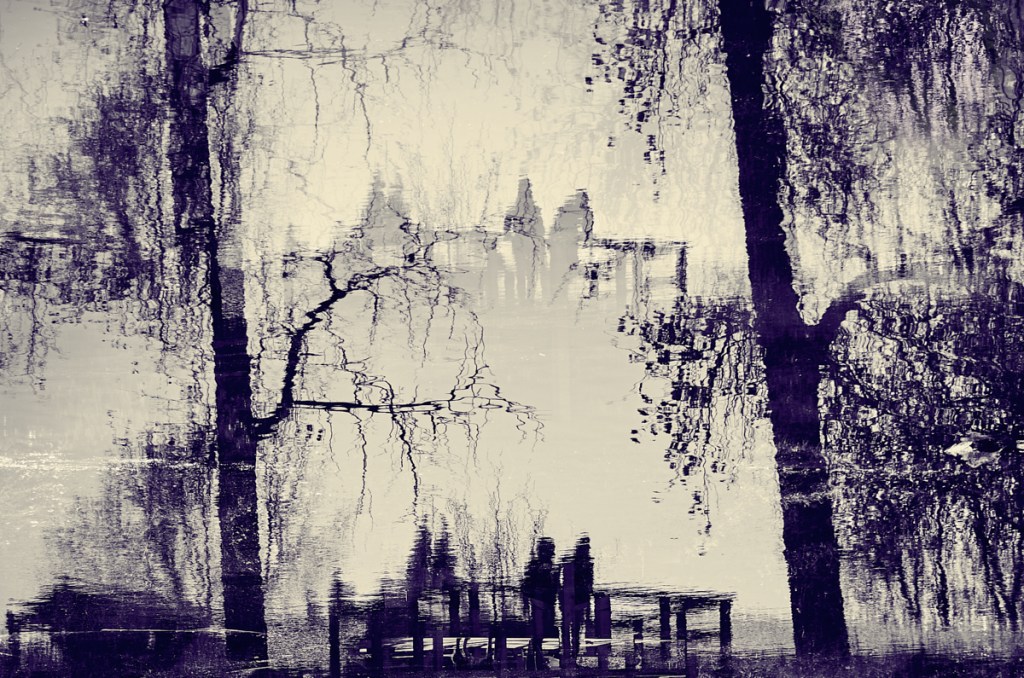
PA Moed invites us to share images that feature a subject that begins with the letter A. Hum…can tone be a subject? Or am I being a bit of a rebel by featuring double exposure photography with “A” toned luminosity masks (amber, azure, and amethyst with their contrasting tones)?

Had I not seen erect in the river
These solid timbers of the olden time
How could I know, how could I feel
The story of that house?
~The Sarashina Diary (cited: Diaries of Court Ladies of Old Japan)

double exposure… amber tone

That moonless, flowerless winter night
It penetrates my thought and makes me dwell on it–
        I wonder why?
~The Sarashina Diary (cited: Diaries of Court Ladies of Old Japan)

double exposure…azure tone

Do you see that the little night opens 1
And on the ridge of the mountain, serenely bright,
Shines the moon of a night of Autumn?
~ Diary of Izumi Shikibu (cited: Diaries of Court Ladies of Old Japan)

double exposure…amethyst

Nikon D750 f/4.8 1/800s 65mm 100 ISO

Applying a subtle color to the highlights and shadows/ of your black and white photographs gives you a slice of the emotional qualities that color can offer, without disguising the depth and texture of your black and white photograph.

lens-artist photo challenge: you pick it!

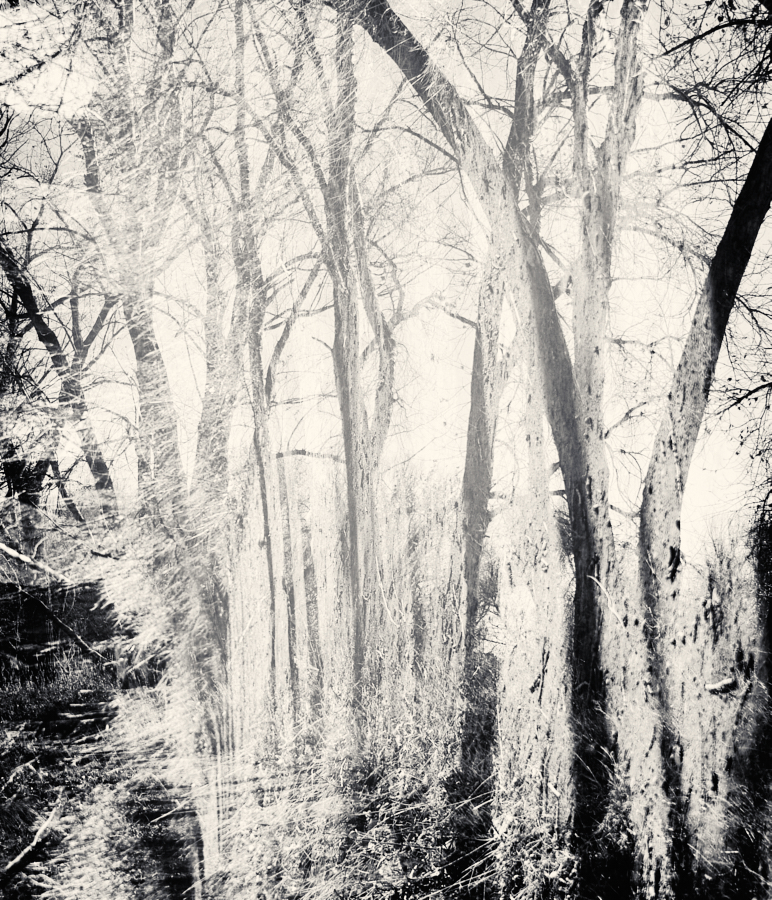
After autumn winds have blown away the colors of fall, the wilting landscape left behind is a sleeping yellowish-brown hue that remains until spring winds travel across glaciered lands. Between the snowfalls of winter, it is wabi-sabi that greets me throughout each day.

Words of old--
whispered today by wind
in the reeds. ~Shōhaku (cited: Trans: S Carter, Haiku before Haiku)
Nikon D750 f/5 1/1000s 48mm 100 ISO
From bare brush
along a mountain path--
the sound of frost ~Shinkei (cited: Trans: S Carter, Haiku before Haiku)
Nikon D750 f/5 1/250s 100 ISO
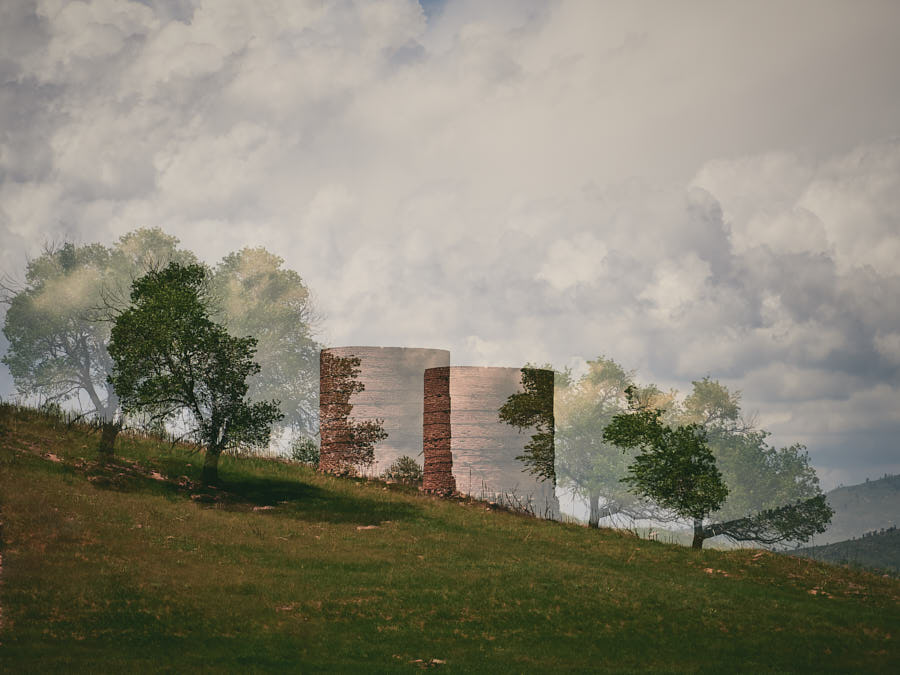
Fallen to the ground
like those words of old--
glowing leaves ~Inko (cited: Trans: S Carter, Haiku before Haiku)
Nikon D750 f/8 1/125s 250mm 100 ISO

Travels and Trifles invites photographers to share what they find interesting about a chosen subject. This post represents current work with double exposure as an avenue to open myself to the beauty of the imperfect, impermanent, and incomplete qualities of late autumn.

a new kind of empathy

newkindofempathy

After listening to the TED Talk, “Can a Divided America Heal”, I did a brief exploration of the three basic principles of moral psychology

  1. Generally we influenced by intuition and then use that which “feels right” to justify our moral judgments.
  2. The underlying motivation in moral reasoning and communication is directed more towards manipulation or persuasion than exploration of truth.
  3. Morality is a crucial element of tribalism which is the building block for the development of large, cooperative societies.

A bit of personal reflection opens a window of understanding of how I’m more often than not influence by what feels right and yes, the importance I place in intuition over reasoning.  Often a movement towards “spiritual” reasoning occurs after a period of solitude and contemplation.

There is also an awareness that I do enjoy the rhythmic power of football tribalism while being perplexed by a religious leader’s comment about limiting compassion to one’s own tribe.

Then finally…do I acknowledge the possibility of some hidden agenda to persuade you to join me in what feels right over someone else’s sense of right?  Ugh, I think I’ll close this window for a bit and open one that has us explore a new empathy.

…we have an existential threat on our hands..we need a new kind of empathy…if you want to escape from this [the anger and worry of the last year], read Buddha, read Jesus, read Marcus Aurelius. They have all kinds of great advice for how to drop the fear, reframe things, stop seeing the other people as your enemy. There’s a lot of guidance in ancient wisdom…(Jonathan Haidt)

Ancient wisdom guiding us to “a new kind of empathy.”  I believe that the on-the-ground community response to Harvey is a living example of an ancient empathy that has the potential to heal.

I invite you to listen to the TED talk below in which social psychologists Jonathan Haidt and TED Curator Chris Anderson explore the sharp divisions of today and then discuss how we may be able to move forward.   _()_

the world seems…

Is it because my mind

keeps dwelling

on every worldly thing

the the word seems

more hateful to me than ever?

~SaigyO  (Poems of a Mountain Home)

doubleexposurebuddha

SaigyO was born in 1118 in the capital city, Kyoto.  When he was twenty-two he suddenly left his post as an elite private guard of Emperor Toba to become a Buddhist  priest.  I find it interesting how his poem written almost a thousand years ago resonates with me today especially when I think of Jean-Baptiste Alphonse Karr’s (who was born in 1808) translated epigram, “the more things change, the more they stay the same.”


awakening

riverbendponddoublex

Prospect Ponds Natural Area…awakening


…the very essence of all alchemical work was a spiritual transformation, liberation of God from the darkness of matter. …alchemical symbolism describes pictorially the process of change from psychic sleep to awakening, and the stages along that journey. Jung found in this symbolism an illustration…he called the process of individuation: one’s gradual unfoldment from an unconscious to a conscious state, and the healing process underlying it.*

*The Essence of Jung Psychology and Tibetan Buddhism, pg 36

Radmila Moacanin