This week’s photo study is an exploration of shutter speed. Shutter speed, a basic photographic component, is defined as the amount of time your camera allows light to enter your camera. The variables of a scene being photographed together with the size of aperture and the shutter speed have the potential to create unique images.
A fast shutter speed will freeze moving objects.

Nikon D750 f/5.6 1/2,500 300mm 100 ISO
While fast shutter speeds create crisp and sharp images, slow shutter speeds — open for half a second or longer – extends the length of time light is entering your camera. This light is continuously being influenced by the motion within the scene and thus creating blurry, foggy, silky, or milky elements within an image.

Nikon D750 f/22 1s 35mm 100 ISO

Nikon D750 f/8 241s 24mm 100 ISO
The shutter speed in panning photography can be as low as 1/20 or as fast as 1/125. The trick is to match the speed of the subject with your speed of panning. The inclusion of motion blur within street photography is often created with a high aperture setting, a low as possible ISO, and a low shutter speed.
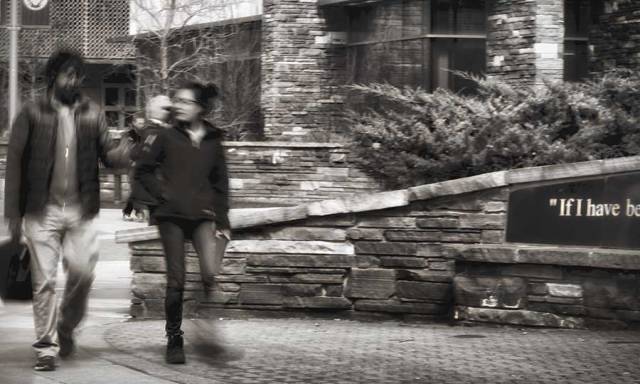
Nikon D750 f/29 1/6s 75mm 100 ISO

Nikon D750 f/9 1/20s 85mm 320 ISO
The images below are examples of various shutter speeds with the same aperture and ISO settings.
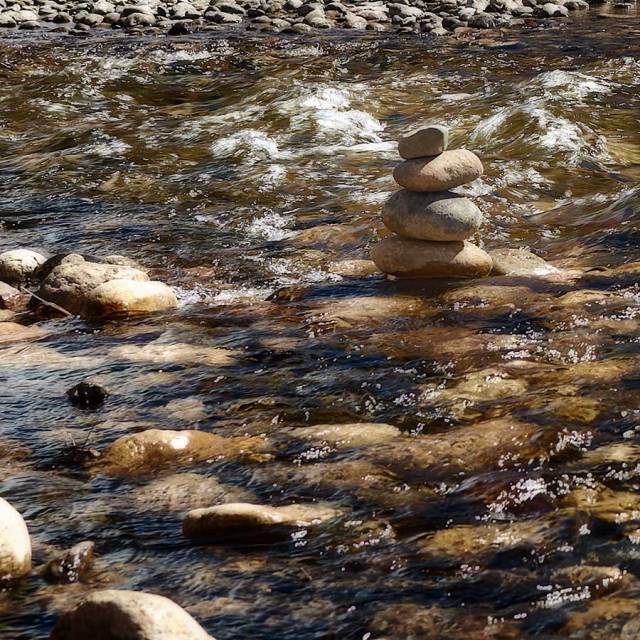
Nikon D750 f/7.1 1/60s 35mm 100 ISO

Nikon D750 f/7.1 1/30s 35mm 100 ISO

Nikon D750 f/7.1 1/20s 35mm 100 ISO
Thank you for taking the time to visit. I hope you enjoy Ted Forbes’ discussion of shutter speed and his nighttime images. Would love to hear your thoughts and see your creative work.




 a meditative journey
You must be logged in to post a comment.