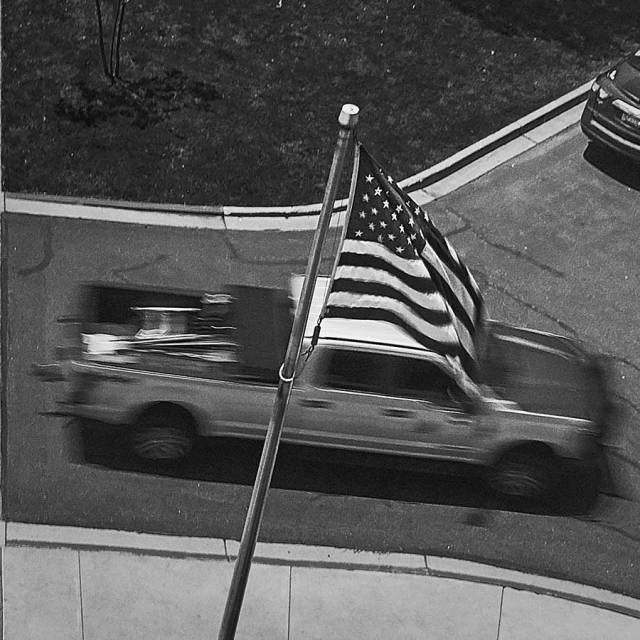
Nikon D750 f/5.6 1/10 35m 100 ISO
Nikon D750 f/5.6 1/10 35m 100 ISO
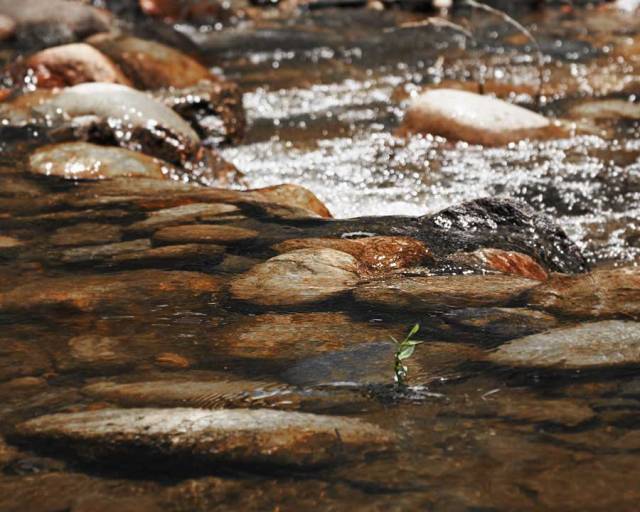
Nikon D750 f/4.5 1/640 85m 100 ISO
This week’s photo study was motivated by Ted Forbes’ (The Art of Photography) photo assignment that explored high-angle photography.
High-angle photography is created when the photographer is situated above her subject(s)–upper floors of a buildings, at the top of stairs, up on a ladder, holding the camera above the head–and the camera is focused downwards. It is often used for the group shot as it is the best way to include everyone in an image and brings about a dynamic element not found in an eye-level image.

Ricoh GX100 f/2.5 1/143s 5.1m 80 ISO
It can also be use for a standard portrait where the subject’s eye are looking up at the camera; yet, it has the potential to have a person appear small, vulnerable, weak, subservient, confused, or childlike.

Nikon D750 f/4.1 1/500s 46mm 100 ISO
A sense of solitude and isolation can be evoked when photographing from the vantage point of looking down from the upper floors of a building. It also has the potential to bring about a sense of freedom, transcendence, and omniscience as you, the viewer, are invited to be see the whole picture. Also from this perspective, people’s faces and expressions are less likely to be part of the image and, because they are less likely to be aware of your camera, poses and actions will be more natural.
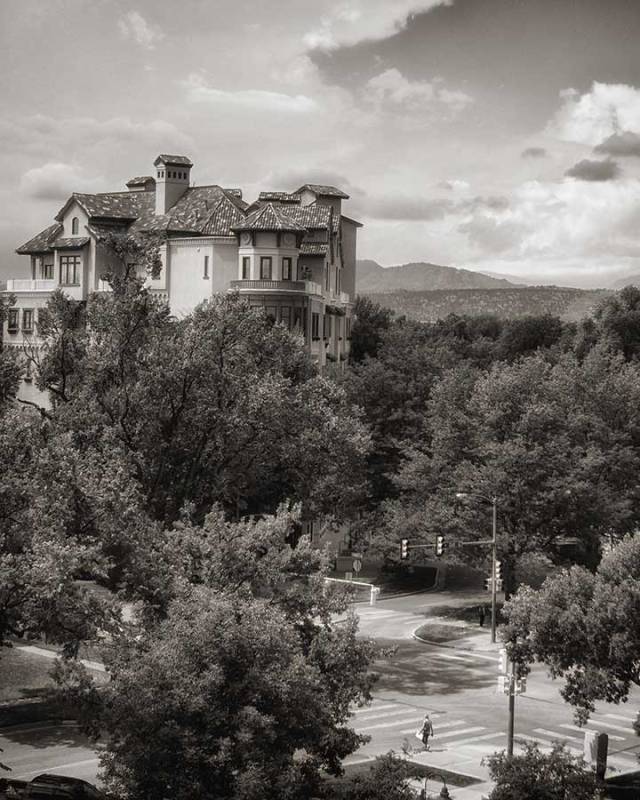
Ricoh GX100 f/3.9 1/125s 10.5m 80 ISO
When compositing from buildings, interesting images are created through the use of lines, objects, and patience to wait until someone walks into your canvas.
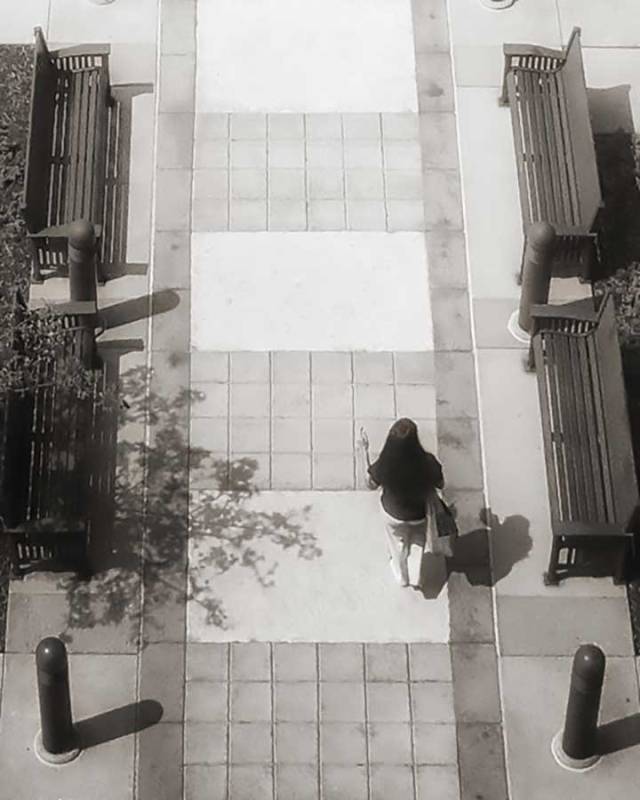
Ricoh GX100 f/4.1 1/200 5.1m 80 ISO
I found that street photography from “high above it all” is less likely to stir up the same degree of anxiety that I experience with eye-level photography. Would love to see your images taken from this perspective and to read about your experiences. Let’s tag wit #aphotostudy.
I hope you enjoy these amazing examples of high-angle photographs.
Even if it were not so,
Something unseen,
Suddenly
Starts me awake-struck by
The sound of a bell
~Goshūishū (cited: http://www.wakapoetry.net)

Nikon D750 f/5.6 1/4,000s 42m 100 ISO
Submitted in response to Lost in Translation’s photo challenge
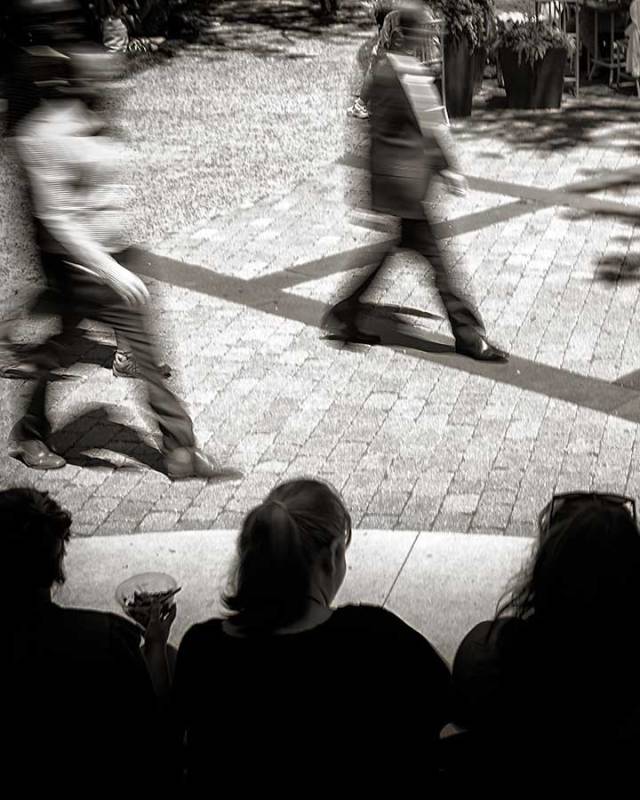
Nikon D750 f/5.6 1.10s 35mm 100 ISO
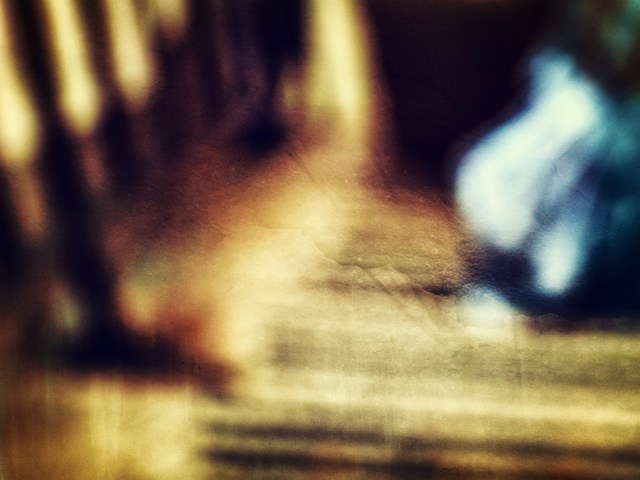
Simply with sorrow
And nothing
More in mind
Both left and right
Sleeves are soaked.
~Suma (cited:wakapoetry.net)
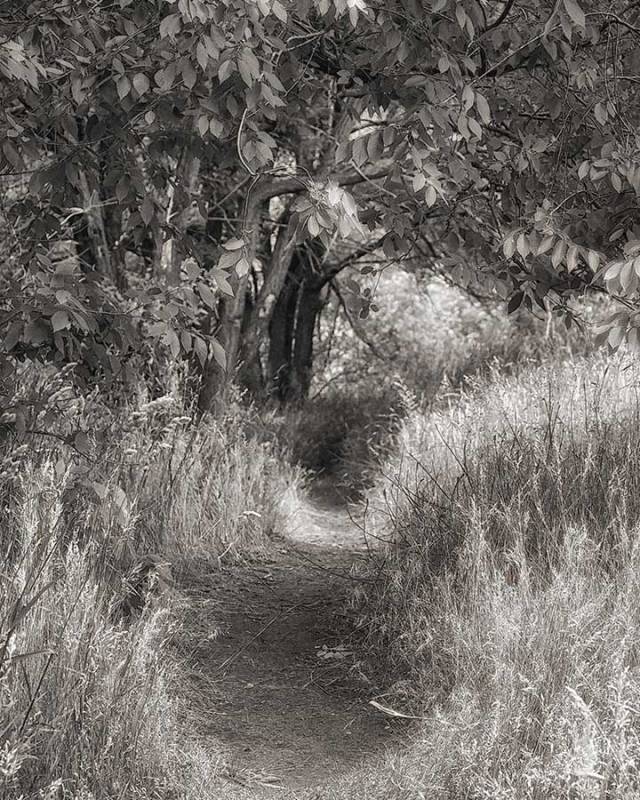
Nikon D750 f/5.6 1/4,000s 56mm ISO 100
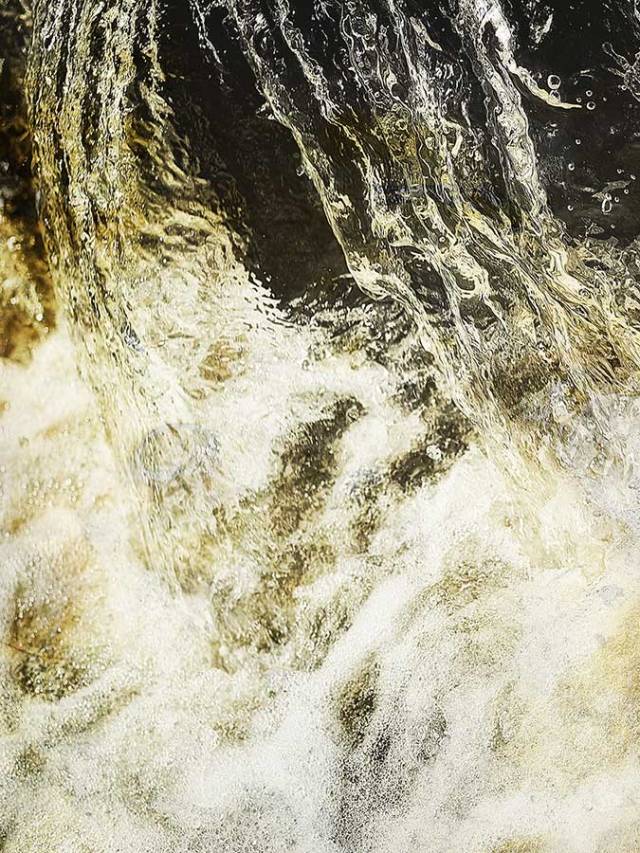
Nikon D750 f/3.2 1/2,000s 50m 800 ISO
“Mind is a river of psychological phenomena that is always flowing. In this river, the arising, duration, and cessation of any phenomenon is always linked with the arising, duration, and cessation of all other phenomena. To know how to identify psychological phenomena as they arise and develop is an important part of meditation practice”
Excerpt From
Awakening of the Heart
Thích Nhất Hạnh
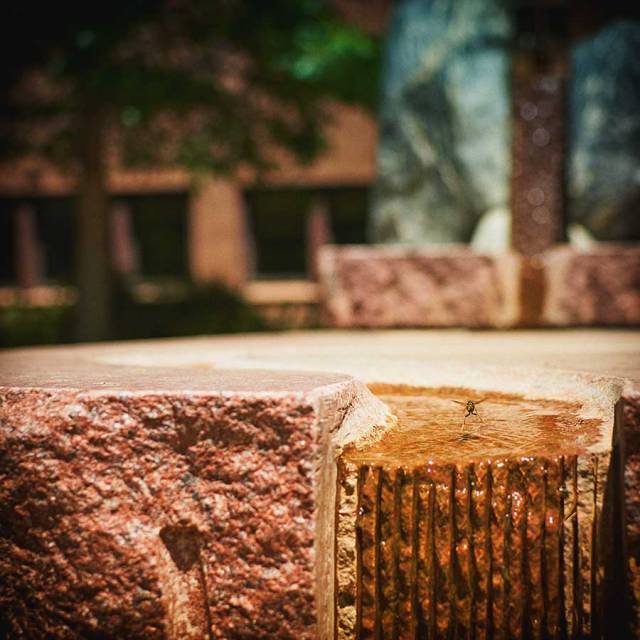
Water Dipping Wasp Nikon D750 f/2.5 1/4,000s 35m 100 ISO
 Richo GX100 f/5.1 1/320 5.1m 80 ISO[/caption]
Marcus, Streets of Nuremberg, invites those who are interested in street photography to “try to shoot people who are engulfed in their every day business, unaware of the photographer aiming the camera at them. Obviously, using a longer lens (or zoom) does help not to get too close. But even with a wide angle lens, the camera up at the eye, you can wander through shops, bars or your local market, looking for interesting scenes, people, gestures, colors, patterns – and press the shutter when something catches your eye and gets your creative juices flowing. Move naturally, shoot, and trust me you will not be noticed.”

iPad f/1.8 1/130 sec ISO 64
“The object is of secondary importance to how I see the object. …concentrated looking is the way to get past labels and our preconceived ideas of what interests us. Looking slowly and in detail, …gives way to interlocked abstract shapes, energetic textures, ranges of colors, spaces in between things, sharp edges, and soft shadows. This way of seeing objects turns any item into an interesting subject.”
~John F Simon, Jr (Drawing your own Path)
I began this week with a posting of a 20 minute photo project with an egg and then went on to a second project…20 minutes with two eggs, a white small dish, a white tea cloth, a white pitcher, a small ball. Images edited in Snapfeed.
Limited resources has the potential to awaken creativity.


The third mediative photography project…one hour photographing an egg and a small white dish…2 minutes with each image before clicking the shutter. Images edited in Snapfeed.


Creativity begins as we begin to think differently, move out of our comfort zone, start to use our head over the camera, and go beyond all apparent possibilities.
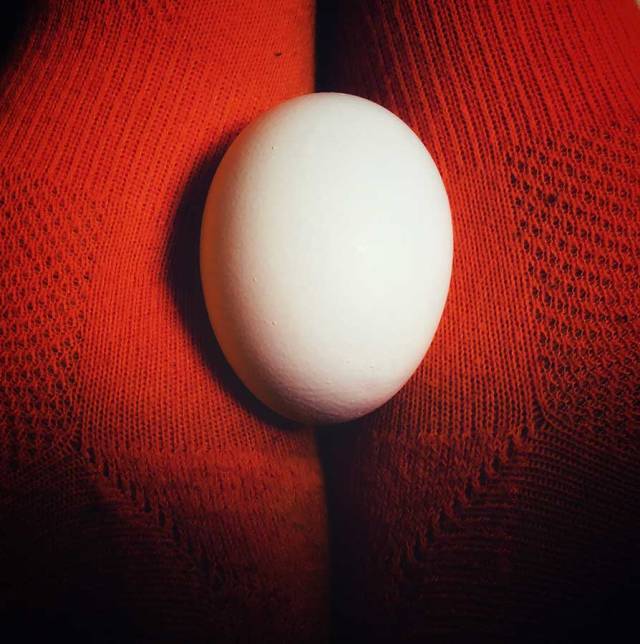
iPad f/1.8 1/50 sec ISO 64
A closing note: My restless soul resisted the idea to photograph an egg for an hour with a point and shoot camera (I substituted the point and shoot with an iPad). As a consequence, I began with two separate 20 minute exercises and then found the inspiration to set a meditative app for an hour with bells to chime every 2 minutes. Now I’m wondering what images would have emerged if I challenged myself for 2 hours…
Are you up to this challenge…one 20 minute photo session, two 20 minute sessions, or an hour? Let’s tag with #aphotostudy.
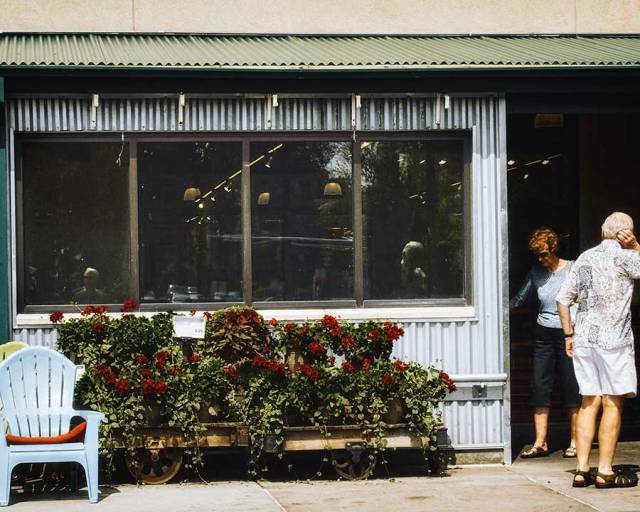
Richo GX100 f/7.9 1/320 15.3mm ISO 80
The Moment… the importance of the “moment”, those previous seconds in which a scene’s potential as a great photograph exists
 a meditative journey
You must be logged in to post a comment.