early morning mist
shades of gray
transformed in light ~bck

early morning mist
shades of gray
transformed in light ~bck
It is a priceless gift to experience a connection with another when the author’s words mirror private reflections. This is especially so when the composition is elegantly worded. I gift these words to those who visit my blog. May you know peace this day.
Last Thursday, my son woke up early and called to me in his still-morning voice, Daddy, this morning at eight forty-five is Mother’s Day Tea!
It is unusual for him to be excited about something like a Mother’s Day Tea. Special events tend to bring out what shyness he has, and he is not nearly so keen as his older brother on wearing a collared shirt and tie. But sure enough, he had even picked out a special sweater to wear and laid it on his bed.
My wife has been to a lot of these Mother’s Day Tea events over the years as our children have attended the same preschool in turn. Our youngest son is now five and starts kindergarten next year. This year’s Mother’s Day Tea was the last.
Later that same afternoon, I sat with my son on his bed while he showed me some of…
View original post 387 more words
the dolls I wanted
to put behind me,
but out of the house,
peach blossoms met me ~Ensui
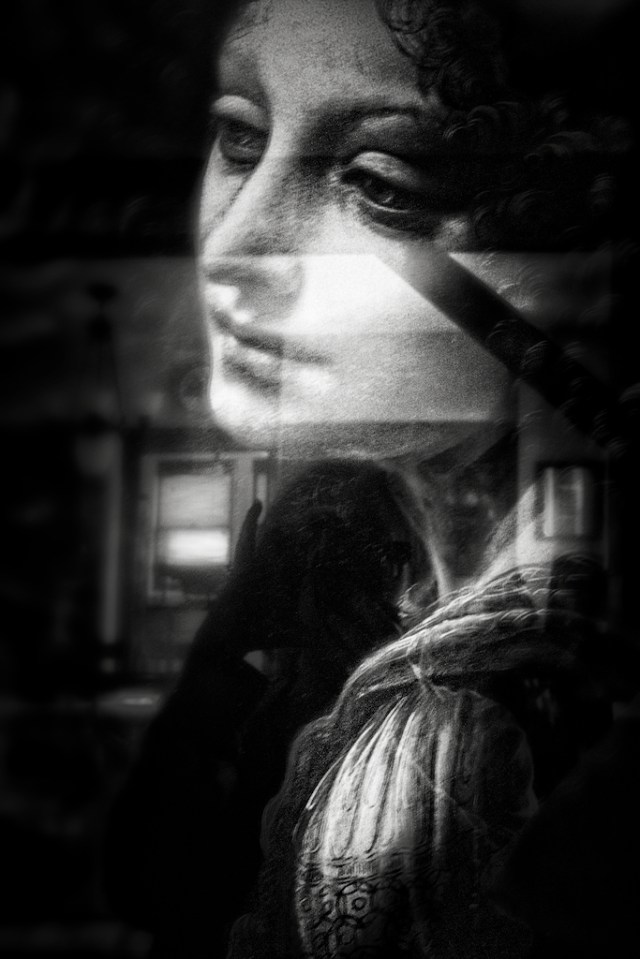
In a new post created for this WordPress photo challenge, share a picture that says In the Background.
Coming, all is clear, no doubt about it
Going, all is clear, without a doubt
What, then, is it all? ~ Hosshin*

A new post specifically created for this WordPress Weekly Photo Challenge: escape
*source:
Japanese Death Poems
Yoel Hoffmann
In a discussion with Carol Jung,
one of the members of the Lamaist convent of Bhutia Busty, Lingdam Gomchen,
noted, “no one mandala is the same as an another”:
all are different because each is a projected image of the psychic condition of its author…
the mandala is a synthesis of a traditional structure plus free interpretation.*

A new post specifically created for this WordPress Weekly Photo Challenge: patterns
*A Dictionary of Symbols
J.E. Cirlot
Trans: Jack Sage
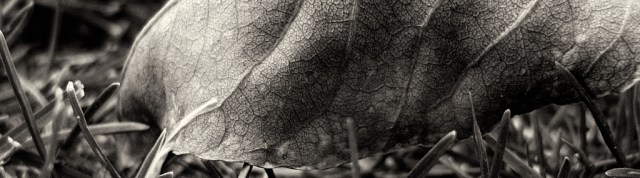
Before I arrived,
who were the people living here?
Only violets remain. ~ Issa
—
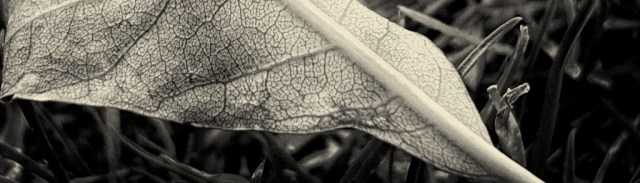
This abandoned house
shining
in the mountain village –
how many winter nights
has the autumn moon spent here ~Ono No Komachi

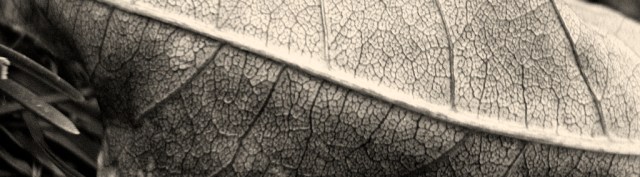
“But why now?”
You will ask, awake
in autumn night. ~ Nishiyama Soin*

*cited in:
Haiku Before Haiku
Steven D Carter

head pillowed on arm,
such affection for myself?
and this smoky moon
~Buson*

*cited in
The Sound of Water
Trans: Sam Hamill
fallen to the ground
like those words of old –
glowing leaves
~ Inko

*cited in:
Haiku Before Haiku
Steven D Carter

The English word “stirrup” stems from Old English stirap, stigrap, Middle English stirop, styrope,[2] i.e. a mounting or climbing-rope. From Old English stīgan “to ascend”
A stirrup is a light frame or ring that holds the foot of a rider, attached to the saddle by a strap, often called a stirrup leather. Stirrups are usually paired and are used to aid in mounting and as a support while using a riding animal (usually a horse or other equine, such as a mule). They greatly increase the rider’s ability to stay in the saddle and control the mount, increasing the animal’s usefulness to humans in areas such as communication, transportation and warfare.
In antiquity, the earliest foot supports consisted of riders placing their feet under a girth or using a simple toe loop. Later, a single stirrup was used as a mounting aid, and paired stirrups appeared after the invention of the treed saddle. The use of paired stirrups is credited to the Chinese Jin Dynasty and came to Europe during the Middle Ages. Some argue that the stirrup was one of the basic tools used to create and spread modern civilization, possibly as important as the wheel or printing press.*
The second week of the Cee’s Fun Foto Which Way challenge is all about steps or stairs of any type.
source:
A short night
wakes me from a dream
that seemed so long ~Yayo

My personal musings escort me along paths of existence that often are, for others, unknown dimensions of imaginative conclusions


You must be logged in to post a comment.