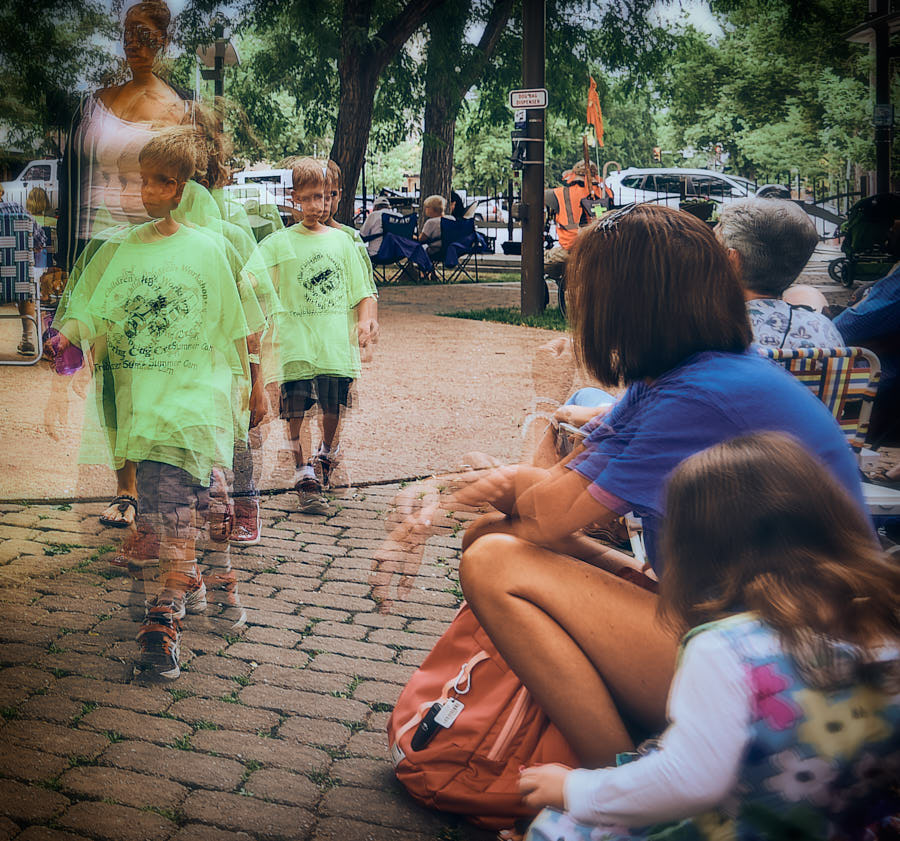
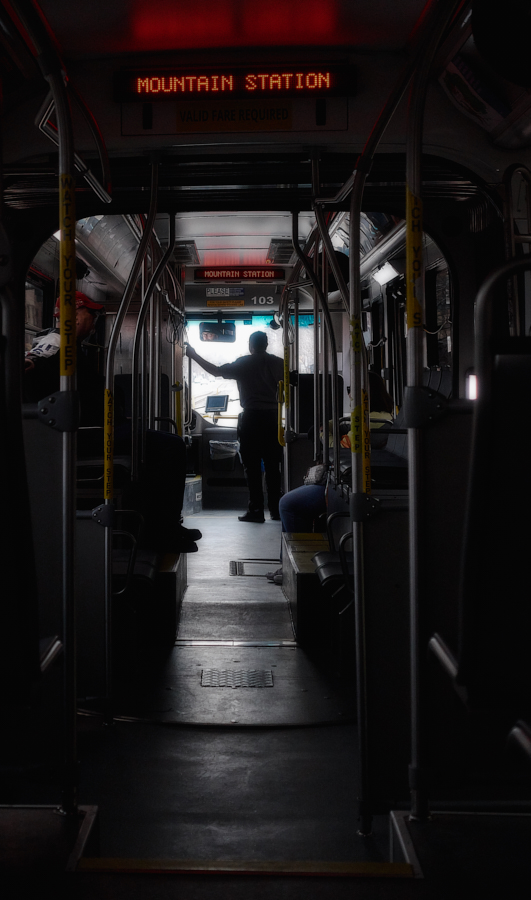
Image submitted in response to Jenn’s (Traveling at Wits End) weekly photo challenge: orange.
Image submitted in response to Jenn’s (Traveling at Wits End) weekly photo challenge: orange.
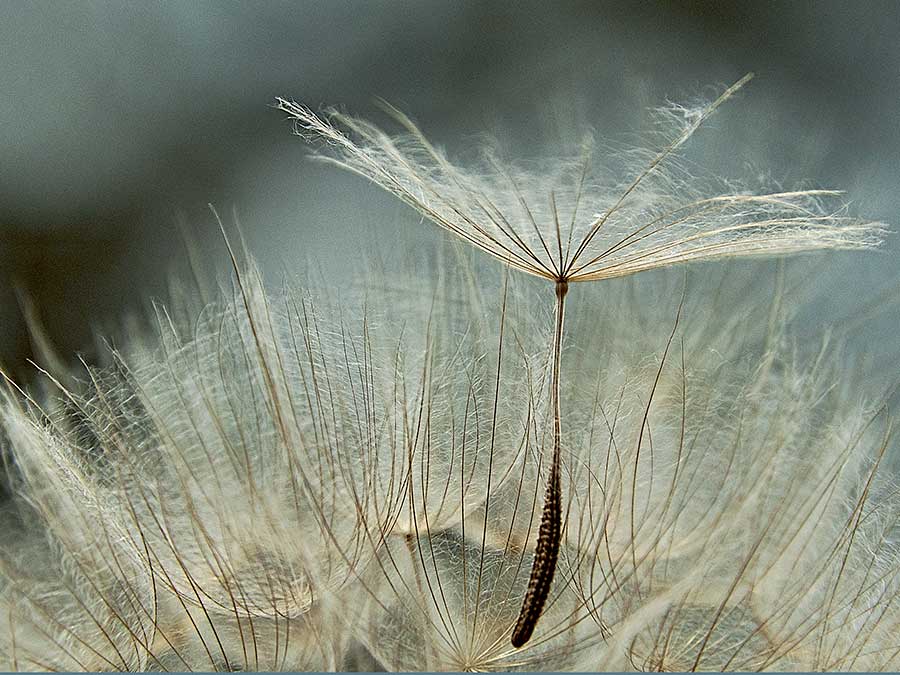
you left,
I remained…
two springs.
From this day forward, I will be…
may we find peace.
Week 16: Story Telling: Shadow (Tell a story. Make it compelling while only using shadow.)

Image submitted in response to Dogwood Photography’s annual 52-week photography challenge.

image and six word title submitted in response to Debbie’s @ Travel with Intent challenge.

To be human was to be a sentient being who remembers.*

“The third-century classic Jinshu summarized the paradox of memory: ‘Qing you yi sheng, bu yi ze wu qing.’ No words in English can capture the condensed reservations expressed in nine simple characters. The first four summarize ancient psychology: emotion is born out of remembrance. The next five advise the wise to stem this process of arousal altogether: where there is no remembrance, emotion will dissolve as well. The point, simply put, is that distress causes memory. To be sure, it is human to have feelings, but this can be curbed by a willful quieting of the emotional upheaval caused by remembrance.
“Simcha, the Hebrew word for ‘joy,’ has as its root macha, meaning ‘to remove’ or ‘wipe away.’ To be joyful, in this sense, is to be free of the tearful weight of the past.
“In the end, however, neither Chinese or Jewish rememberers settled for the peace of a memoryless world.
“The opposite of quietude can be found in the story of Lot’s wife… Here, a woman who refuses to walk away from history is turned into salt–a concrete symbol of endless weeping. Lot’s wife captures the need to remain connected to the past and dares to stand still when the known world is about to crumble. Although some might argue that Lot’s wife looked back with nostalgic regret for past pleasures, Anna Akhmatova, in the poem, ‘Lot’s Wife,’ suggest she did so out of her refusal to become deaf to the grief embedded in the past.”*
*Vera Schwarcz, Bridge Across Broken Time
Week 15: Inspiration: Anonymous (This week’s inspiration is Anonymous. Interpret this how you wish.)

Image submitted in response to Dogwood Photography’s annual 52-week photography challenge.
Metaphor ferries memory across time. It allows us to enter worlds of imagination and feeling that might otherwise be closed to us …
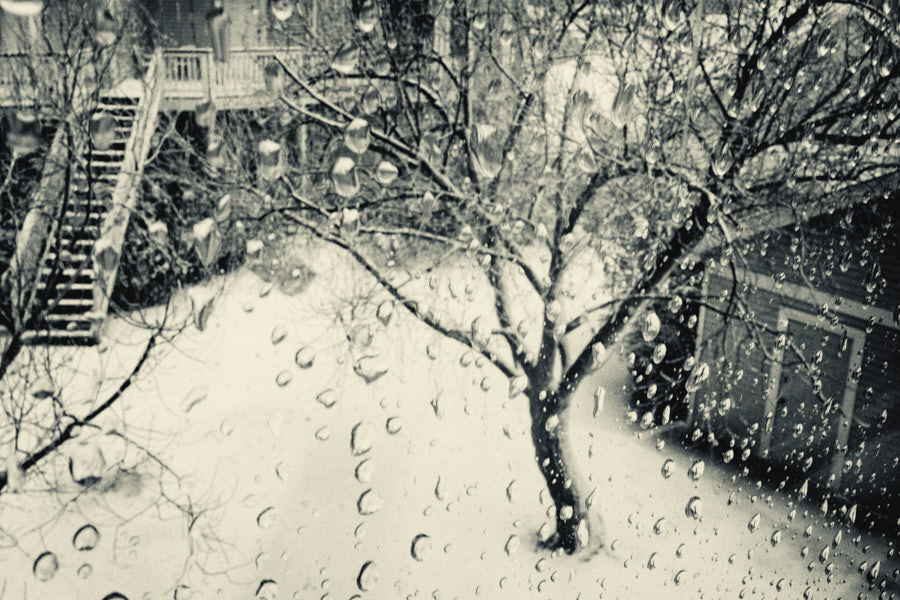
… memory can take refuge in silence…*
The rememberer … is a person who defies the natural laws of decay, one who makes of the heart a more hospitable ground for traces of the past… The rememberer might also be a lonely rebel against the passage of time. To resist the erasers occasioned by this passage, memories have to be written down.
Although yi (memory) brings up unsettling emotions, and simcha (joy) depends on wiping away old aches, remembrance remains the only way not to betray the past.
V Schwarcz, Bridge Across Broken Times
“There was a single likeness, a small sketch that he kept inside a gold locket, …the locket disappeared to the rag-and-bone man. I do not know where the likeness went. It slipped through the cracks of time and went to where the lost things are.”
~K Morton, The Clockmaker’s Daughter, p. 65
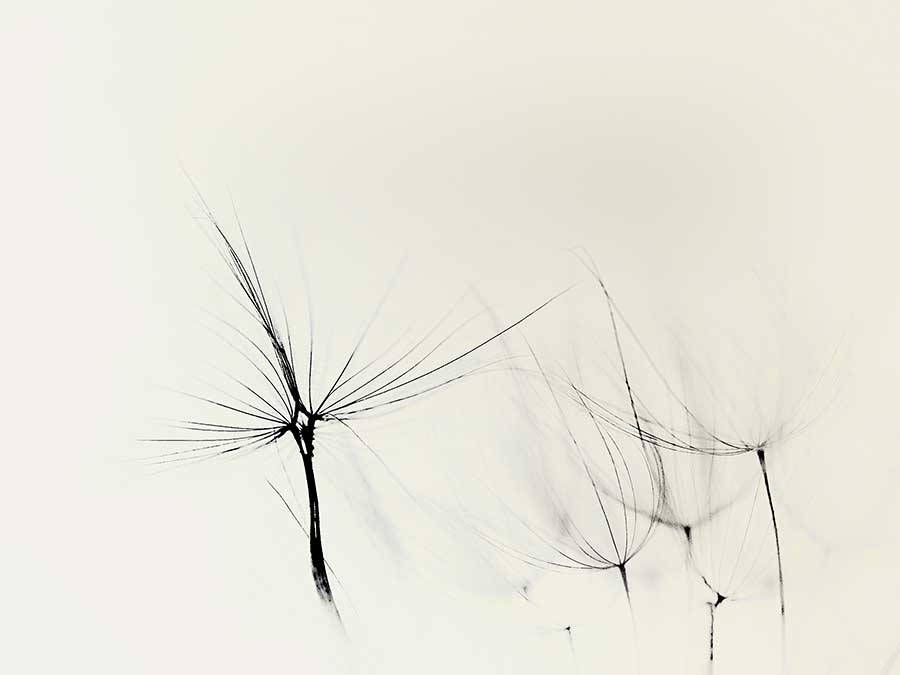
Week 14: Composition: Center Frame Portrait (Center Framed composition is a great way to isolate your subject. Use this knowledge to create a portrait that exhibits loneliness.)

Image submitted in response to Dogwood Photography’s annual 52-week photography challenge.

 a meditative journey
You must be logged in to post a comment.