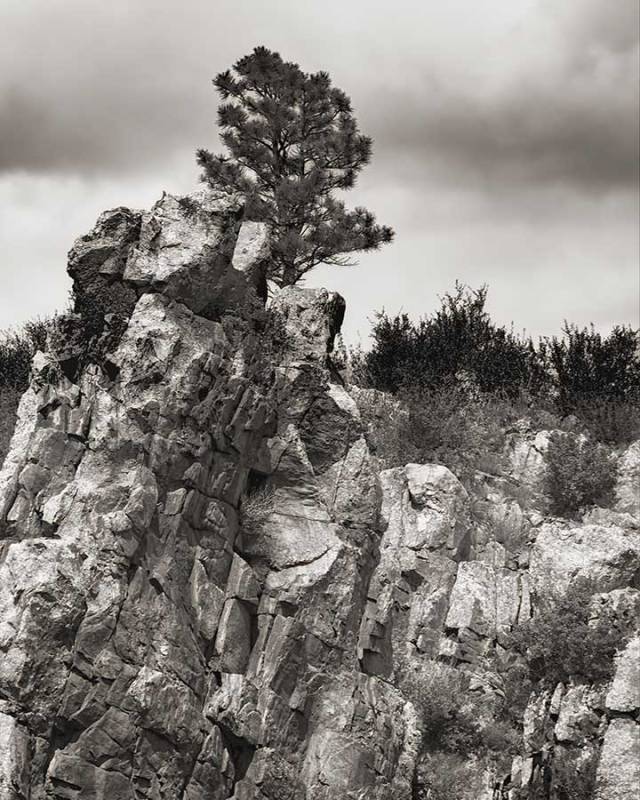
the quatrain of seven steps

abstract-1web

People burn the beanstalk to boil beans,
filtering them to extract juice.
The beanstalks were burnt under the cauldron,
and the beans in the cauldron wailed:
“We were originally grown from the same root;
Why should we hound each other to death with such impatience?

~Cao Zhi

I was introduced to the Quatrain of Seven Steps while watching, The Advisors Alliance, a 2017 Chinese two-part television series based on the life of Sima Yi, a government official and military general who lived in the late Eastern Han dynasty and Three Kingdoms period of China.

The poem itself is written in the traditional ”five-character quatrain” style and is an extended metaphor that describes the relationship of two brothers and the ill-conceived notion of one harming the other over petty squabbling.
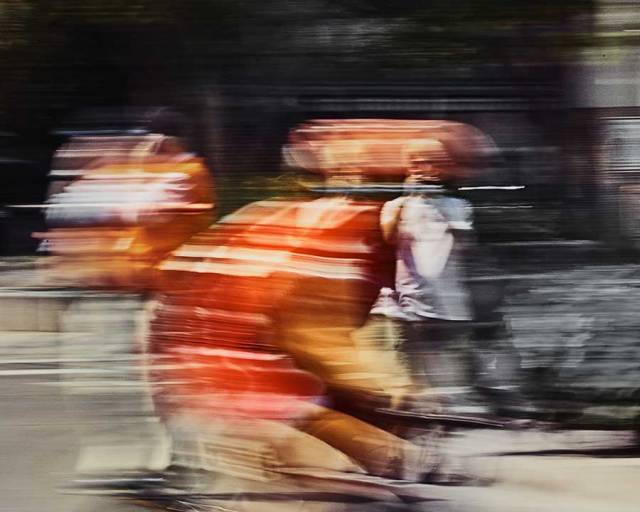
a photo study: red

This week’s photo study has been inspired by Ted Forbes’ discussion about the use of red within photography.  Undertaking a photo walk with an intention to see and photograph “red” is an interesting experience that I invite you to explore.

photostudyredweb

Nikon D750   f/4.5  1/1.250 s   56 mm   800 ISO

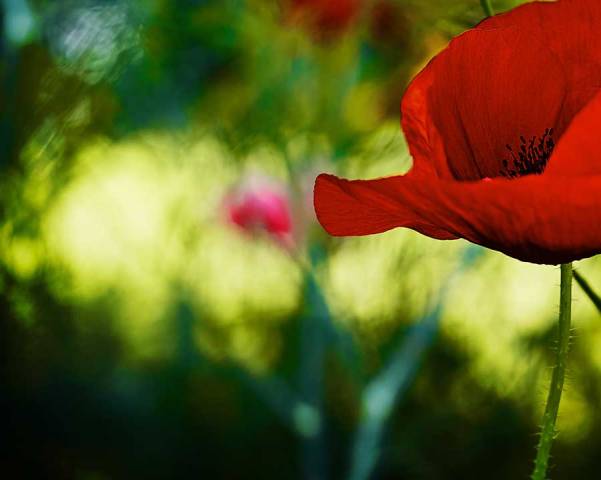
Red is the color at the end of the visible spectrum of light, next to orange and opposite violet. Reds range from the brilliant yellow-tinged scarlet and vermillion to bluish-red crimson, and vary in shade from the pale red pink to the dark red burgundy.

poppies-141818bweb

Red is the color of blood and has a historical association with sacrifice, danger, and courage. It is also the color most commonly associated with heat, danger, determination, strength, activity, passion, sexuality, anger, love and joy.

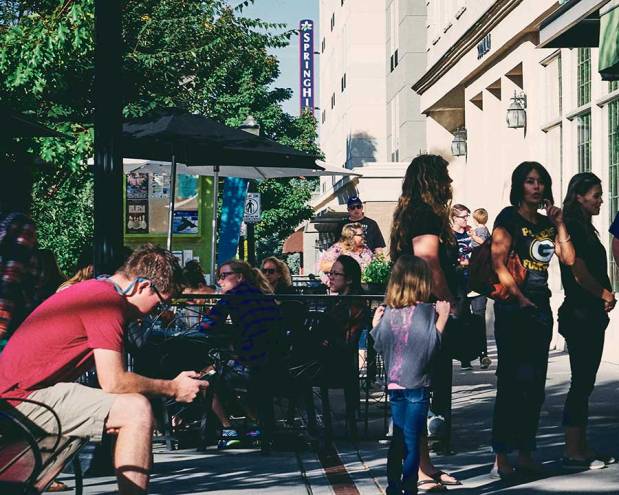
photostudyred-3web

Nikon D750   f.4.5  1/4,000 s   85 mm   800 ISO

When you place the color red within a frame of contrasting colors the brain will always direct the eye to the red object first.

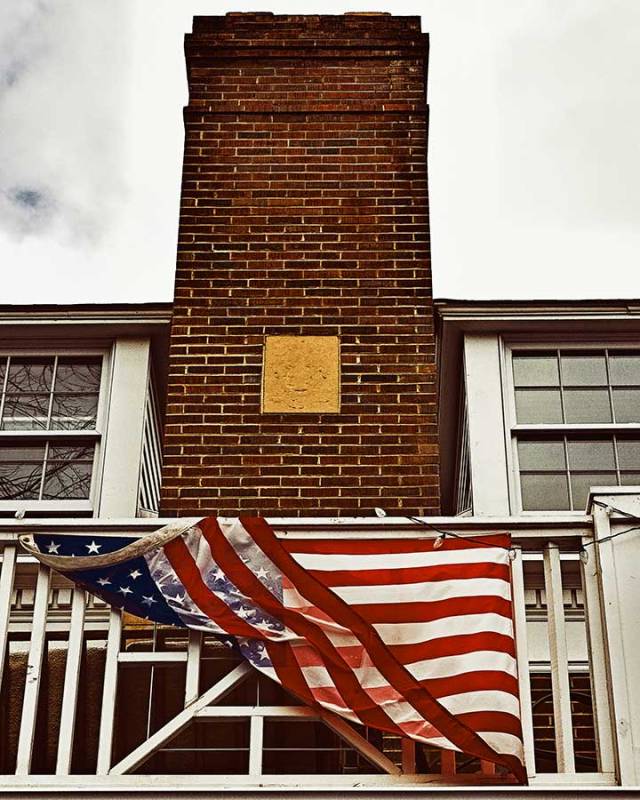
photostudyred-5web

Nikon D750  f/6   1/30 s   300 mm   100 ISO

Because red attracts the human eye it, it also acts as an invisible leading line inviting the viewer into an image.

photostudyred-8web

Nikon D750    f/2.2    1/15 s   28 mm   100 ISO

Red creates a focal point…an anchor, something that isn’t the subject, but supports it

photostudyred-10web

Nikon D750  f/8   1/100   68 mm   100 ISO

Red offers us a point of interest when there isn’t one

photostudyred-9web

Nikon D750  f/8  1/20   300 mm   100 ISO

I hope you enjoy the creative work of photographers who participated in Ted Forbes’ photo assignment on the color red.

Earth Day

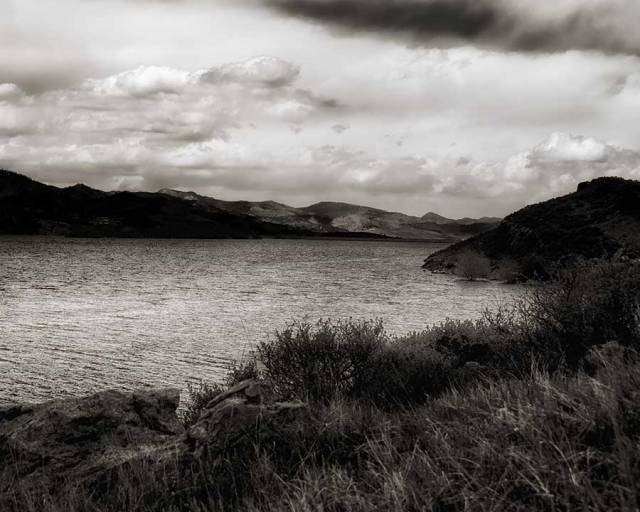
landscape3web

Nikon D750   f/8  1/50s  300 mm  100 ISO  

We Are Not Separate From the Earth

We think that the earth is the earth and we are something outside of the earth. But in fact we are inside of the earth. Imagine that the earth is the tree and we are a leaf. The earth is not the environment, something outside of us that we need to care for. The earth is us. Just as your parents, ancestors, and teachers are inside you, the earth is in you. Taking care of the earth, we take care of ourselves.

When we see that the earth is not just the environment, that the earth is in us, at that moment you can have real communion with the earth. But if we see the earth as only the environment, with ourselves in the center, then we only want to do something for the earth in order for us to survive. But it is not enough to take care of the earth. That is a dualistic way of seeing.

We have to practice looking at our planet not just as matter, but as a living and sentient being. The universe, the sun, and the stars have contributed many elements to the earth, and when we look into the earth we see that it’s a very beautiful flower containing the presence of the whole universe. When we look into our own bodily formation, we are made of the same elements as the planet. It has made us. The earth and the universe are inside of us.

~Thich Nhat Hanh (https://earthholder.org/walking-with-earth/)