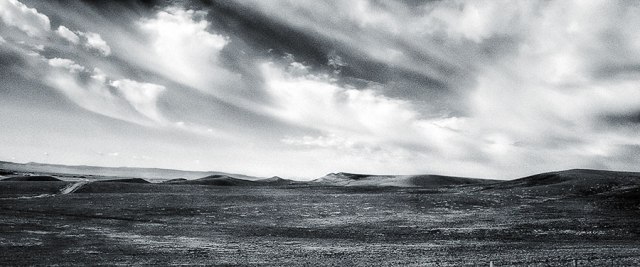
Nikon D750 f/3.5 1/4,000 24m 100 ISO
Nikon D750 f/3.5 1/4,000 24m 100 ISO
summer heat, rising–
in the vacant alleyway
dog days of summer
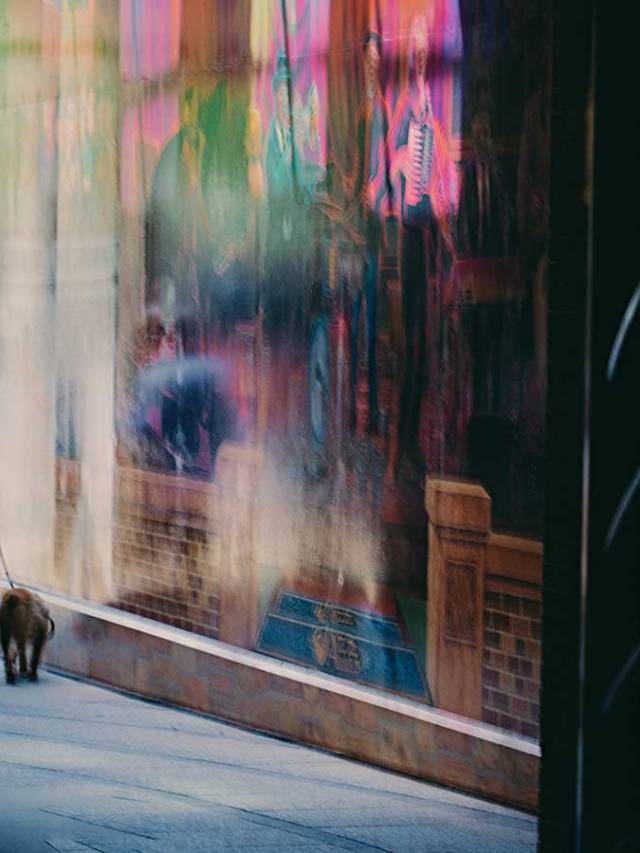
The word I chose, canicular (pertaining to dog days) submitted in response to Lost in Translation’s Thursday Special: Pick a Word
This week’s photo study was inspired by The Candid Frame’s video in which Ibarionex speaks about the opportunities of light and shadow that a photographer will find in rural communities as well as in the dynamics of cities such as New York or Hong Kong.
Bring out the play of light and shadow within the scene.
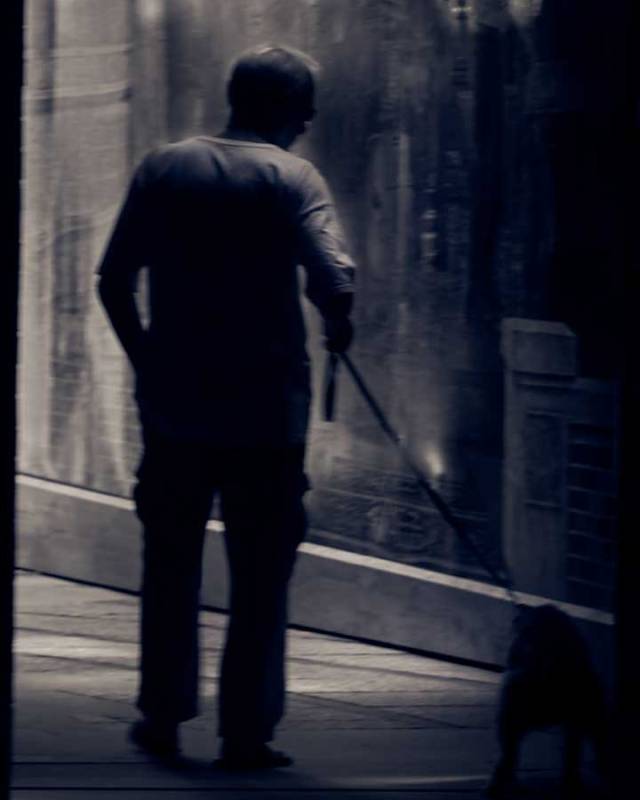
Be open to how light and shadow shifts the mundane into something exciting.
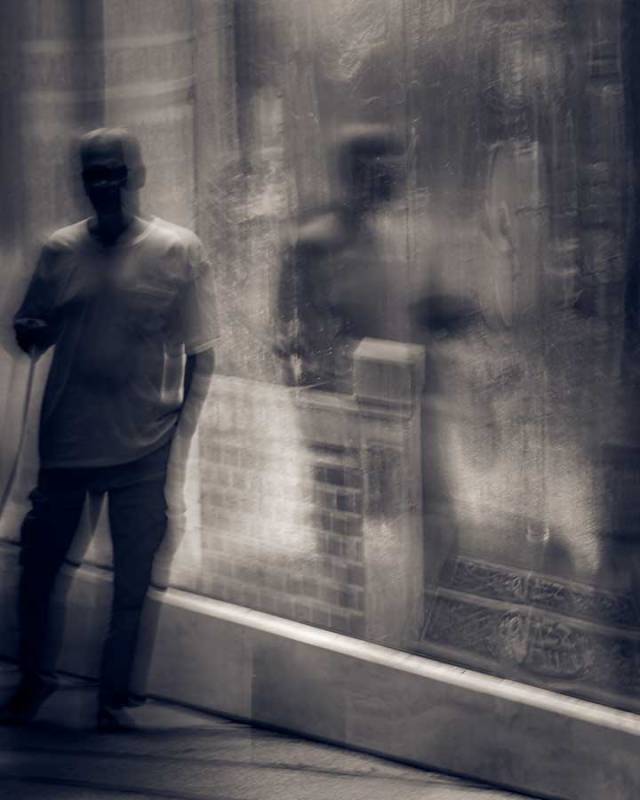
Allow the shadows to go black by adjusting the exposure.
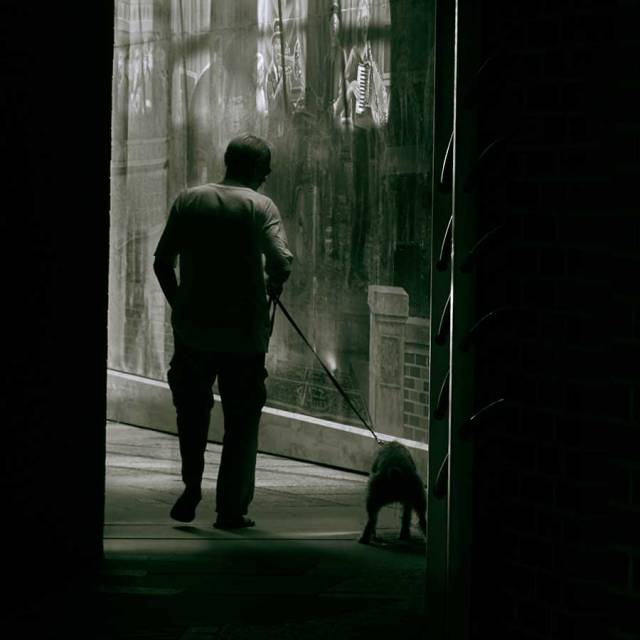
Find a scene and wait…
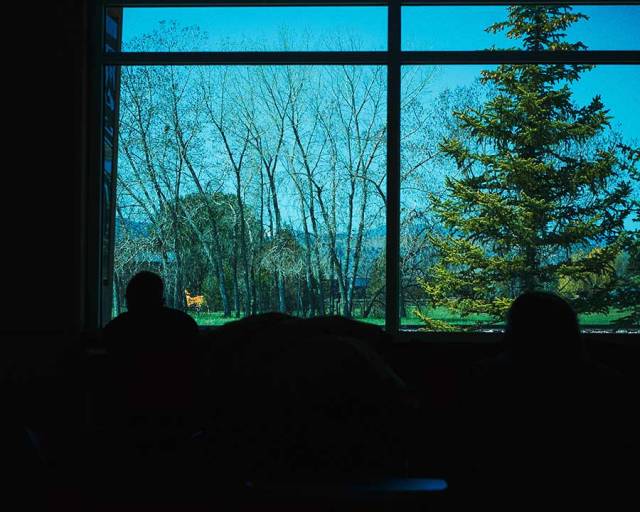
 I appreciate the encouragement to silence the envy when viewing photographs created within the dynamics of large urban areas by waking up to the amazing opportunities of light and shadow one will find…anywhere.


I hope you, too, are inspired by The Candid Frame’s video, Street Photography Anywhere. I am looking forward to reading your comments and seeing how you play with light and shadow within your town. Let’s tag with #aphotostudy.
The twilight bell
I waited for
is sounding–
if tomorrow is granted me,
I’ll listen for it again.
~Saigyõ (B Watson, Poems of a Mountain Home)
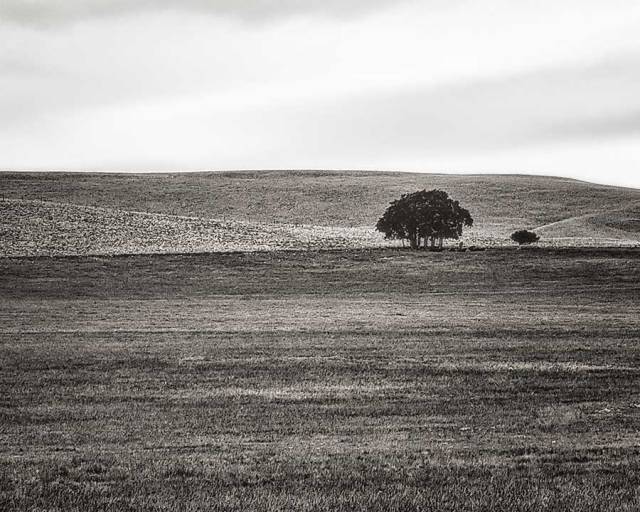
Wyoming… Nikon D750 f/4.5 1/4,000 85m 100 ISO

Wyoming… Nikon D750 f/4.5 1/4,000 85m 100 ISO
mother and children
are separated…
hunted birds
~Issa (www.haikuguy.com)
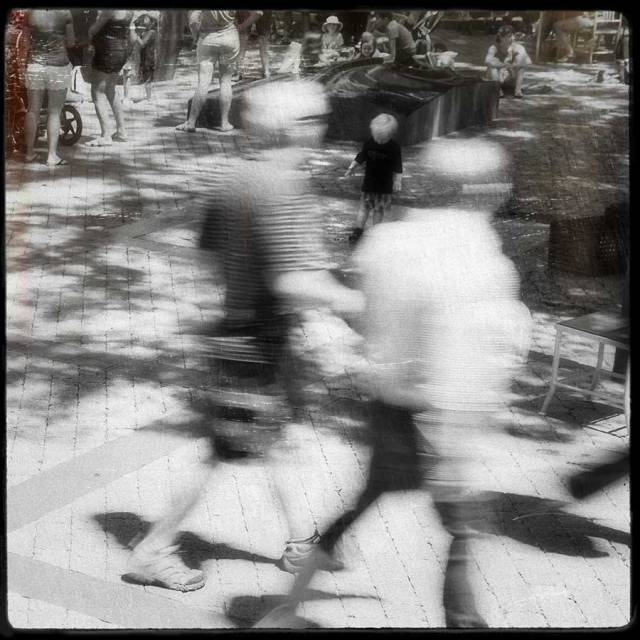
Nikon D750 f/5.6 1/10s 35m 100 ISO

Wyoming Beef… Nikon D750 f/4.5 1/4,000 85m 100 ISO
An English sub excerpt from the South Korean drama,
“Partners for Justice,” episode 11.
Stellar Hwag: “The meat here just got out of rigor mortis, so it’s super delicious.”
Cha Soo-Ho: “What? Rigor mortis?”
Stellar Hwag: “It’s too tough right after slaughter. But if it’s too ripe, it starts to decompose. Beef ribs are perfect when the temperature and time are right.”
…
Stellar Hwag: “Ripening and decomposition straddle a very thin line. Got it?”
… in recent years, …studies are confirming the health benefits of meat-free eating. Nowadays, plant-based eating is recognized as not only nutritionally sufficient but also as a way to reduce the risk for many chronic illnesses. According to the American Dietetic Association, “appropriately planned vegetarian diets, including total vegetarian or vegan diets, are healthful, nutritionally adequate, and may provide health benefits in the prevention and treatment of certain diseases. cited: Harvard Health
slightly aslant

Ricoh GX100 f/4.1 1/200 5.1m 80 ISO
When I look up at
The wide-stretched plain of heaven,
Is the moon the same
That rose on Mount Mikasa
In the land of Kasuga?
~Abe-no Nakamaro

Wyoming… Nikon D750 f/4.5 1/3,200 85m 100 ISO
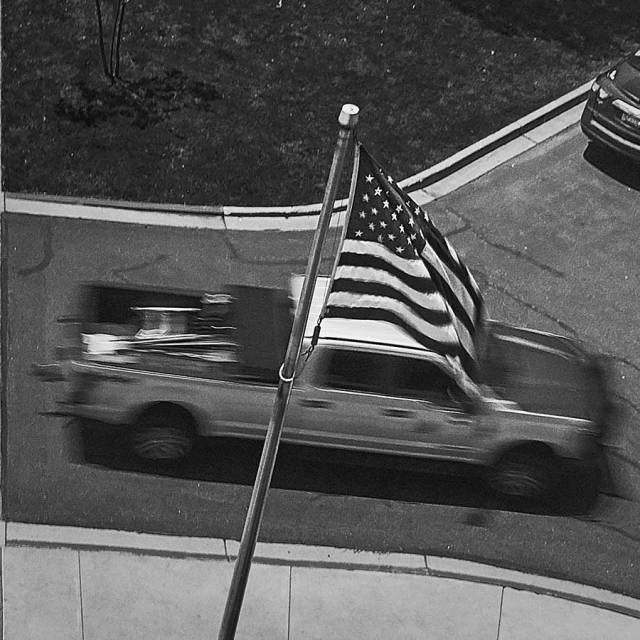
Nikon D750 f/5.6 1/10 35m 100 ISO

Nikon D750 f/4.5 1/640 85m 100 ISO
This week’s photo study was motivated by Ted Forbes’ (The Art of Photography) photo assignment that explored high-angle photography.
High-angle photography is created when the photographer is situated above her subject(s)–upper floors of a buildings, at the top of stairs, up on a ladder, holding the camera above the head–and the camera is focused downwards. It is often used for the group shot as it is the best way to include everyone in an image and brings about a dynamic element not found in an eye-level image.

Ricoh GX100 f/2.5 1/143s 5.1m 80 ISO
It can also be use for a standard portrait where the subject’s eye are looking up at the camera; yet, it has the potential to have a person appear small, vulnerable, weak, subservient, confused, or childlike.

Nikon D750 f/4.1 1/500s 46mm 100 ISO
A sense of solitude and isolation can be evoked when photographing from the vantage point of looking down from the upper floors of a building. It also has the potential to bring about a sense of freedom, transcendence, and omniscience as you, the viewer, are invited to be see the whole picture. Also from this perspective, people’s faces and expressions are less likely to be part of the image and, because they are less likely to be aware of your camera, poses and actions will be more natural.
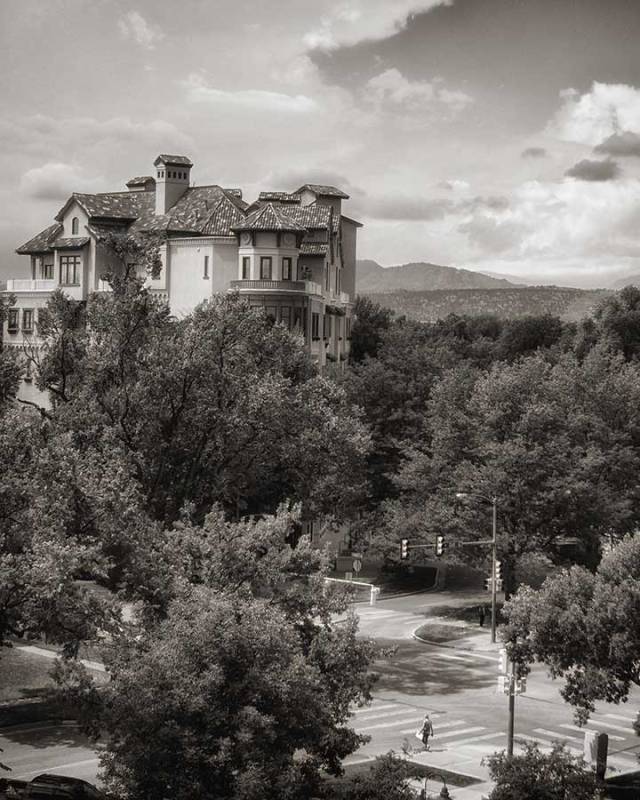
Ricoh GX100 f/3.9 1/125s 10.5m 80 ISO
When compositing from buildings, interesting images are created through the use of lines, objects, and patience to wait until someone walks into your canvas.
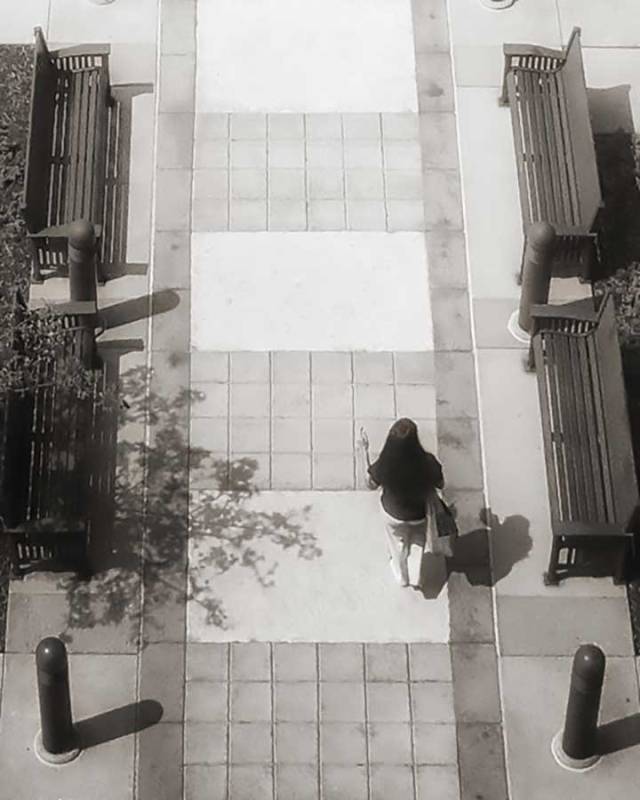
Ricoh GX100 f/4.1 1/200 5.1m 80 ISO
I found that street photography from “high above it all” is less likely to stir up the same degree of anxiety that I experience with eye-level photography. Would love to see your images taken from this perspective and to read about your experiences. Let’s tag wit #aphotostudy.
I hope you enjoy these amazing examples of high-angle photographs.
 a meditative journey
You must be logged in to post a comment.