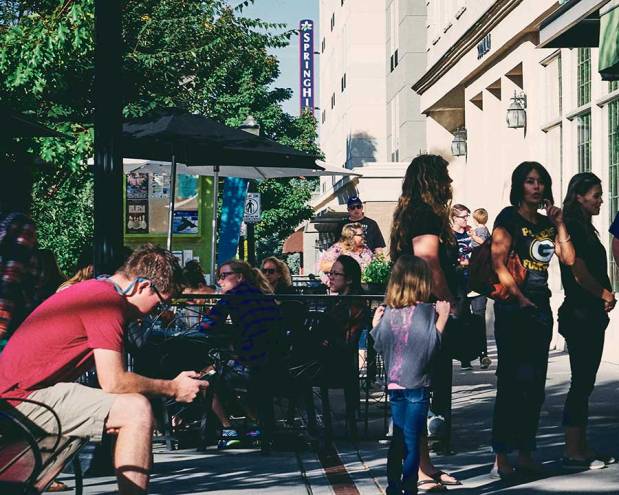
a photo study: low angle

This week’s photo challenge has been inspired by Ted Forbes’ Using Low Angle video.  Low-angle composition invites the photographer to create images with different and unique perspectives.

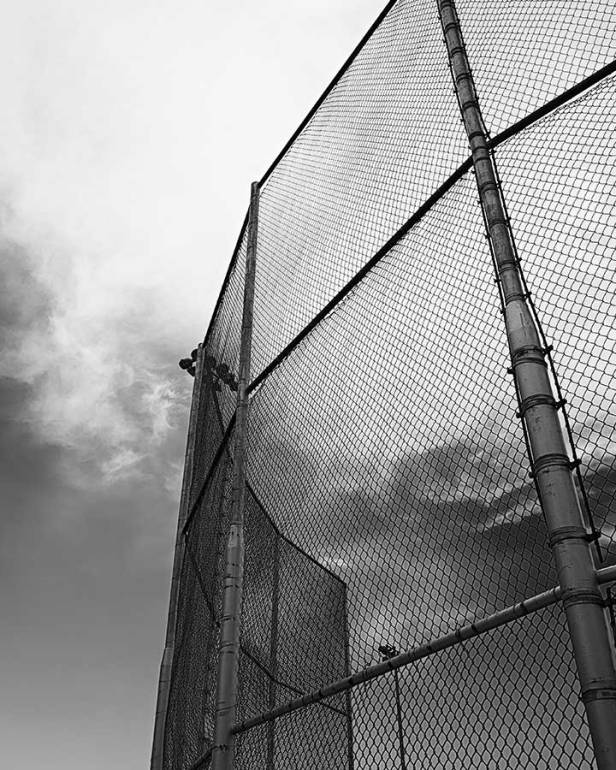
We generally experience our daily lives at eye level and often feel more comfortable photographing at eye level. Low angle photography invites us to look up…to create images from any point below eye level which gives the effect of looking up at an object or person.  Also you can go to the extreme and show a worm’s eye view of the world.
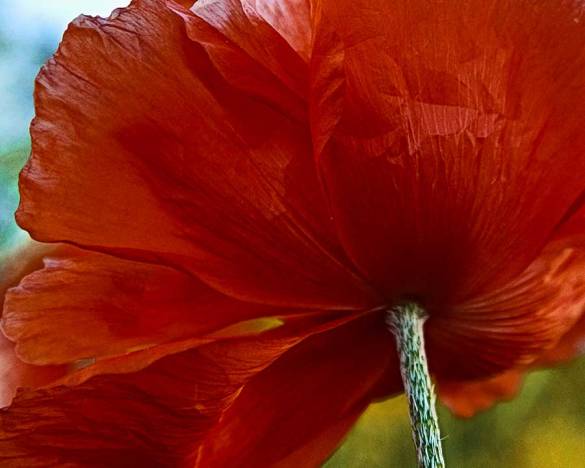
photostudyred-18web

A worm’s-eye view is a view of an object from below, as though the observer were a worm; the opposite of a bird’s-eye view. It can be used to look up to something to make an object look tall, strong, and mighty while the viewer feels child-like or powerless. A worm’s eye view commonly uses three-point perspective, with one vanishing point on top, one on the left, and one on the right.
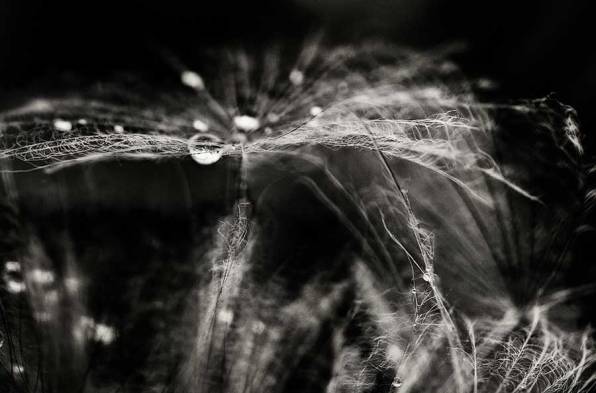
darkweb

To photograph low angle composition, you will need to crouch, bend, or get down onto the floor.  A personal note ― have found that when crouching I need to find a way to brace myself as without there often is a slight tremble which, sigh, results in a  blurred image. 
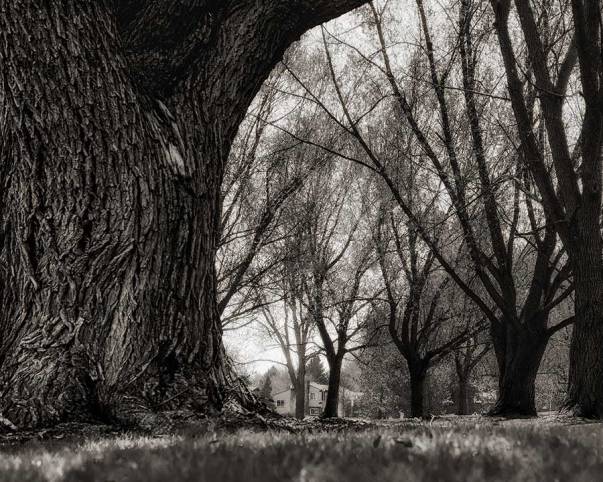
photostudylowangle-2web

A low angle perspective increases the height of the subject.
photostudylowangle-6web

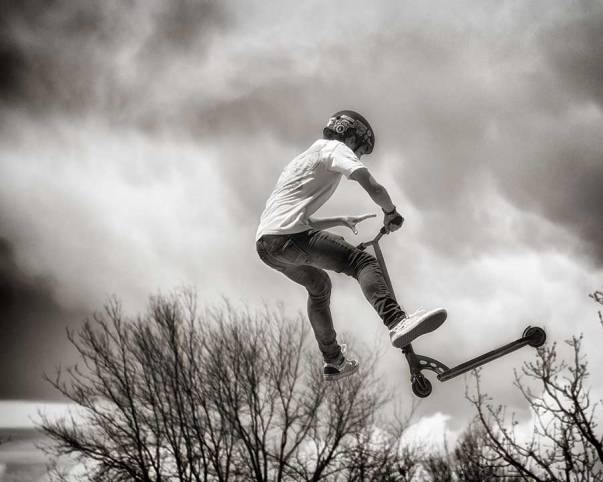
It creates an image where the subject appears more powerful and  dramatic.
photostudylowangle-5web

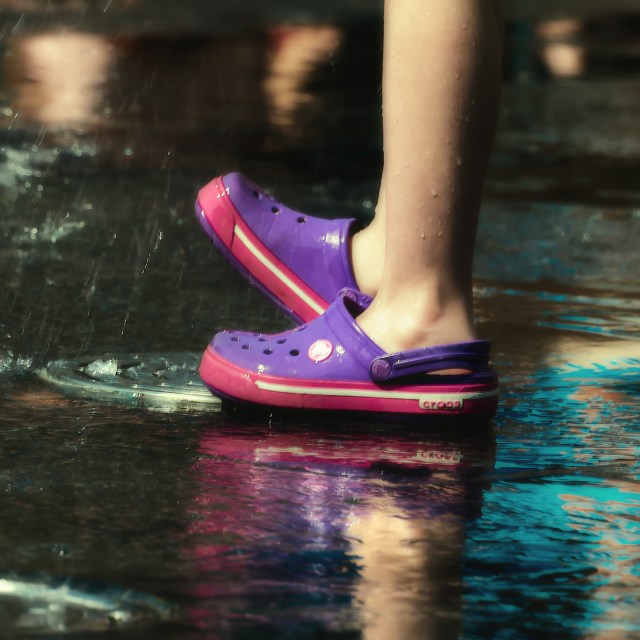
It lends empathy to a viewer as through a shared experience of a toddler’s world within a playground setting or standing before three-feet ocean waves.

This angle is also great when you wish to capture the mood.
crocs

I began this photo study project about 18 weeks ago with an intention to develop, expand, and share my understanding of photography throughout 2018. Regrettably, I am finding that this project is being negatively impacted by some vision difficulties which may require  eye surgery within the next couple of months. Consequently, I have decided to reblog some photo educational posts from other bloggers…sorta like using blogs as substitute teachers. I hope you will find them as inspiring and informative as I have.

To close this week’s photo study, please enjoy these two Ted Forbes’ videos on low angle photography.
weekly photo challenge: unlikely

brenda's avatara meditative journey

For this week’s photo challenge, I am resharing a post that tells the story of the loneliest whale in the world.  It is one of my earliest post and still touches my heart today for I believe her story is not unlike so many people today. It is unlikely that her story doesn’t resonate with many of us, young and old.  

In 2004, The New York Times wrote an article about how, since 1992, scientists have been tracking a baleen whale named, “The 52 Hertz Whale.”  She swims and sings alone in our earth’s vast ocean:

Not heard nor seen

She isn’t like any other baleen whale. Unlike all other whales, she doesn’t have friends. She doesn’t have a family. She doesn’t belong to any tribe, pack or gang. She doesn’t have a lover. She never had one.

Her songs come in groups of two to six calls, lasting for five to six…

View original post 155 more words

the quatrain of seven steps

abstract-1web

People burn the beanstalk to boil beans,
filtering them to extract juice.
The beanstalks were burnt under the cauldron,
and the beans in the cauldron wailed:
“We were originally grown from the same root;
Why should we hound each other to death with such impatience?

~Cao Zhi

I was introduced to the Quatrain of Seven Steps while watching, The Advisors Alliance, a 2017 Chinese two-part television series based on the life of Sima Yi, a government official and military general who lived in the late Eastern Han dynasty and Three Kingdoms period of China.

The poem itself is written in the traditional ”five-character quatrain” style and is an extended metaphor that describes the relationship of two brothers and the ill-conceived notion of one harming the other over petty squabbling.

a photo study: red

This week’s photo study has been inspired by Ted Forbes’ discussion about the use of red within photography.  Undertaking a photo walk with an intention to see and photograph “red” is an interesting experience that I invite you to explore.

photostudyredweb

Nikon D750   f/4.5  1/1.250 s   56 mm   800 ISO

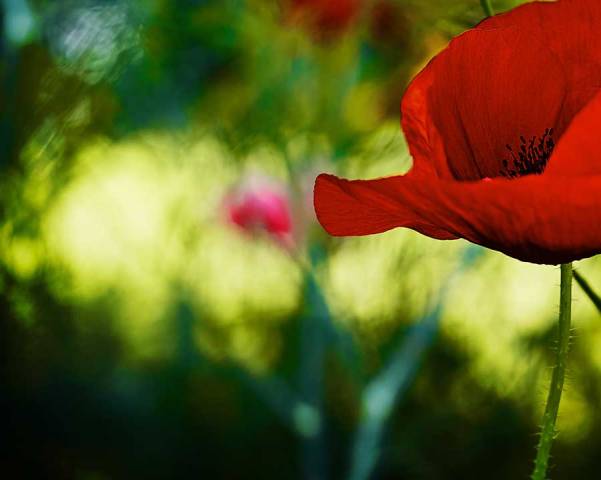
Red is the color at the end of the visible spectrum of light, next to orange and opposite violet. Reds range from the brilliant yellow-tinged scarlet and vermillion to bluish-red crimson, and vary in shade from the pale red pink to the dark red burgundy.

poppies-141818bweb

Red is the color of blood and has a historical association with sacrifice, danger, and courage. It is also the color most commonly associated with heat, danger, determination, strength, activity, passion, sexuality, anger, love and joy.

photostudyred-3web

Nikon D750   f.4.5  1/4,000 s   85 mm   800 ISO

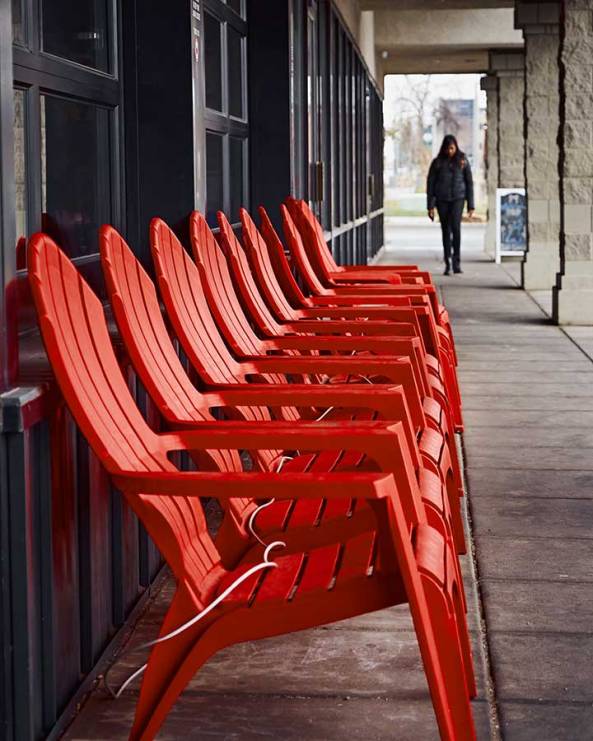
When you place the color red within a frame of contrasting colors the brain will always direct the eye to the red object first.

photostudyred-5web

Nikon D750  f/6   1/30 s   300 mm   100 ISO

Because red attracts the human eye it, it also acts as an invisible leading line inviting the viewer into an image.

photostudyred-8web

Nikon D750    f/2.2    1/15 s   28 mm   100 ISO

Red creates a focal point…an anchor, something that isn’t the subject, but supports it

photostudyred-10web

Nikon D750  f/8   1/100   68 mm   100 ISO

Red offers us a point of interest when there isn’t one

photostudyred-9web

Nikon D750  f/8  1/20   300 mm   100 ISO

I hope you enjoy the creative work of photographers who participated in Ted Forbes’ photo assignment on the color red.