Thus far, this photo study project has expanded my understanding of: rule of odds, simplification and negative space, composition, lines, shape, and the photographer. This week, I “focused” on Ted Forbes’s discussion on sub-framing and while I initially bounced up against an internalized adolescent wall of resistance, the intention to first understand, then to see, and finally to create images with this composition tool in mind brought about a bit of…fun. (Note to self: don’t cave into those pesky adolescent moments of opposition and resistance.) Also, as I reviewed my photo files, I was surprised to find sub-framing in past blog postings.
A simple way to understand sub-framing is to re-define it as a picture in a picture. This technique invites a viewer’s eye into an image through the use of natural or man-made elements. This invitation to the viewer to be guided from the foreground to the background also adds depth to an image. They may take multiple shapes or forms and may either dominate an image or constitute a small component in a wider composition.
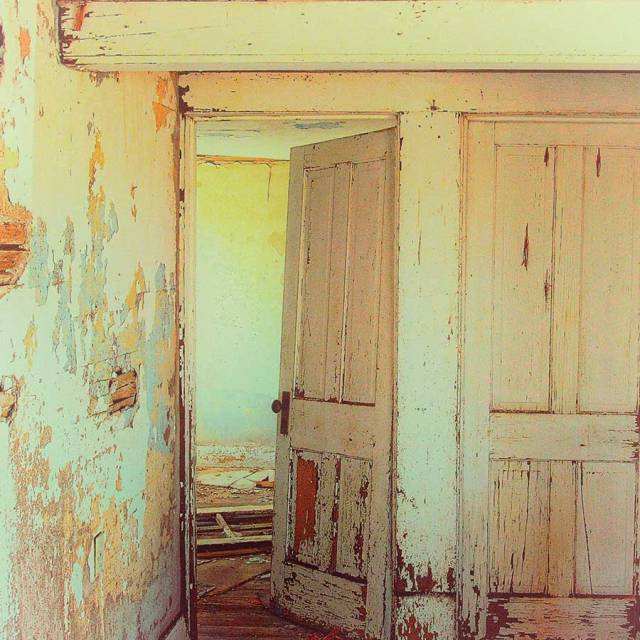
Architectural Sub-frames
Using architectural elements is probably the most obvious way to frame a subject. Using doorways, window frames, archways, framed mirrors.
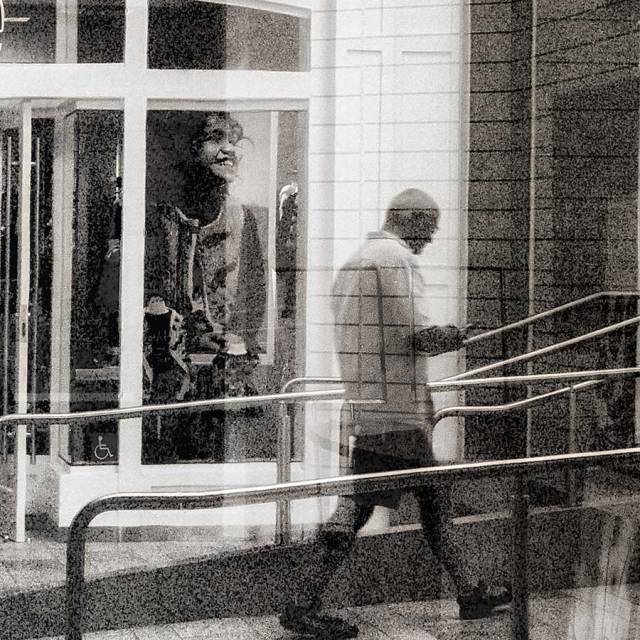
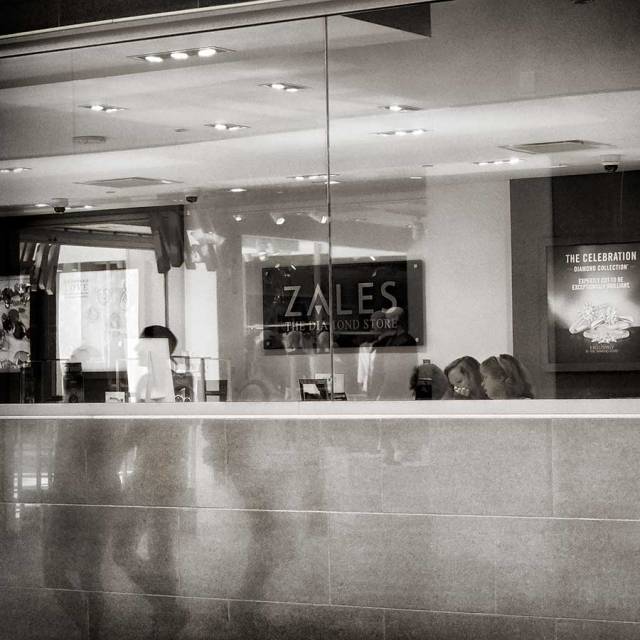
Urban and Street Sub-frames
Urban landscapes in general and street scenes in particular offer countless opportunities to use sub-frames to add depth and interest to what would be otherwise somewhat average shots.
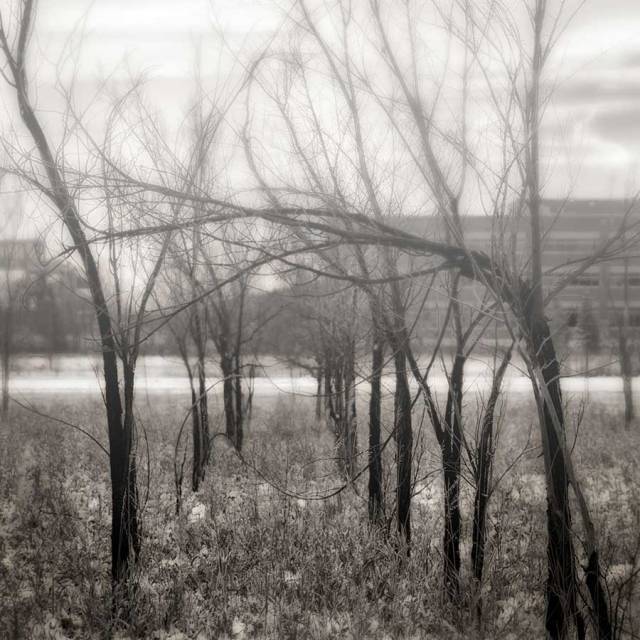
Natural Sub-frames
Natural sub-frames generally don’t offer the uniformity that one finds in man-made structures but will add significantly to an overall composition. Trees easily frame a subject. and the use of grass, flowers, or bushes can often bring more attention to your subject by creating a blurred foreground as the eye tends to go toward the in-focus areas of the images first, while the added dimension adds depth to the photo to make it more interesting.

Creative Sub-frames
Sub-frames need not necessarily be created by fixed physical elements but may also be created on-the-fly.
Sub-frames in Portraiture
Sub-frames can provide interest and focus within portraiture shots where the composition seeks to include the wider environment rather than only capturing details of the individual subject.

In closing I wish to express my gratitude to Ted Forbes for offering these amazing videos. Also, I included links to photographers, Robert Frank and Saul Leiter, two leading photographers who have creatively incorporated the sub-framing composition technique.
I would love to hear your thoughts and see your creative efforts.










You must be logged in to post a comment.