Week 18 Inspiration: Weight or Mass: Heavy as a stone, light as a feather. (Find inspiration and shoot an amazing photograph.)
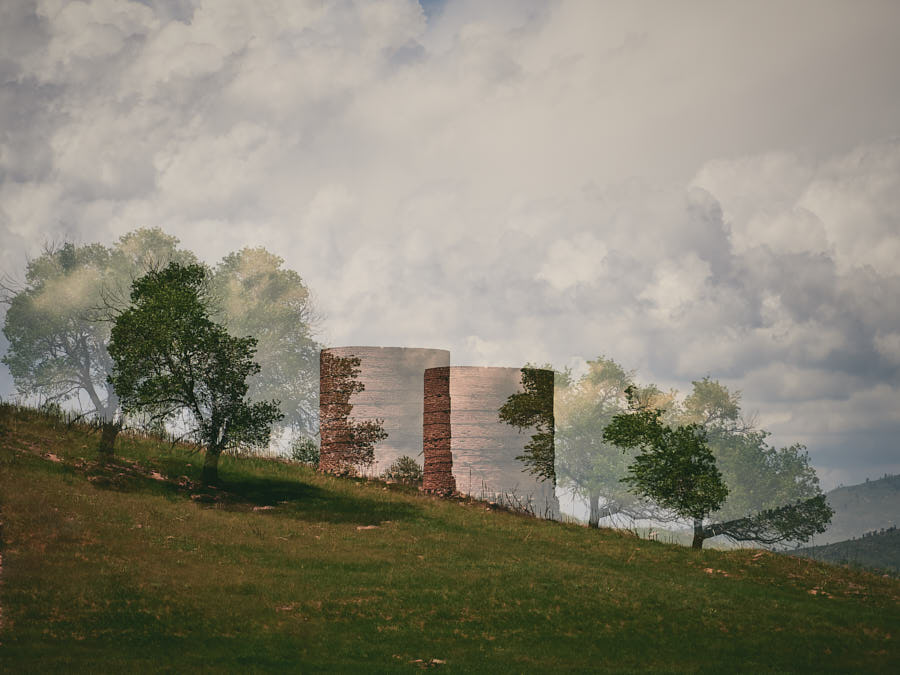
Images submitted in response to Dogwood Photography’s annual 52-week photography challenge.
Week 18 Inspiration: Weight or Mass: Heavy as a stone, light as a feather. (Find inspiration and shoot an amazing photograph.)
Images submitted in response to Dogwood Photography’s annual 52-week photography challenge.

Introducing Alan Schaller’s “Streets in Mind.”

Image submitted in response to Amy’s (The World is a Book) lens artists photo challenge: less is more.

Wabi-sabi is a beauty of things imperfect, impermanent, and incomplete. It is a beauty of things modest and humble. It is a beauty of things unconventional…
Koren, Leonard, Wabi-Sabi for artists, designers, poets, & philosophers. Stone Bridge Press, Berkeley, CA

Week 17 : Balanced composition (is pretty straightforward, unless you are trying to shoot in the “Accidental Renaissance” style. So shoot a balanced image in the Accidental Renaissance style.)
This week’s photo challenge has me stumped. My research of “Accidental Renaissance” style directs me to Reddit’s definition:
So…these three represent my visualization of balanced images in the Accidental Renaissance style.


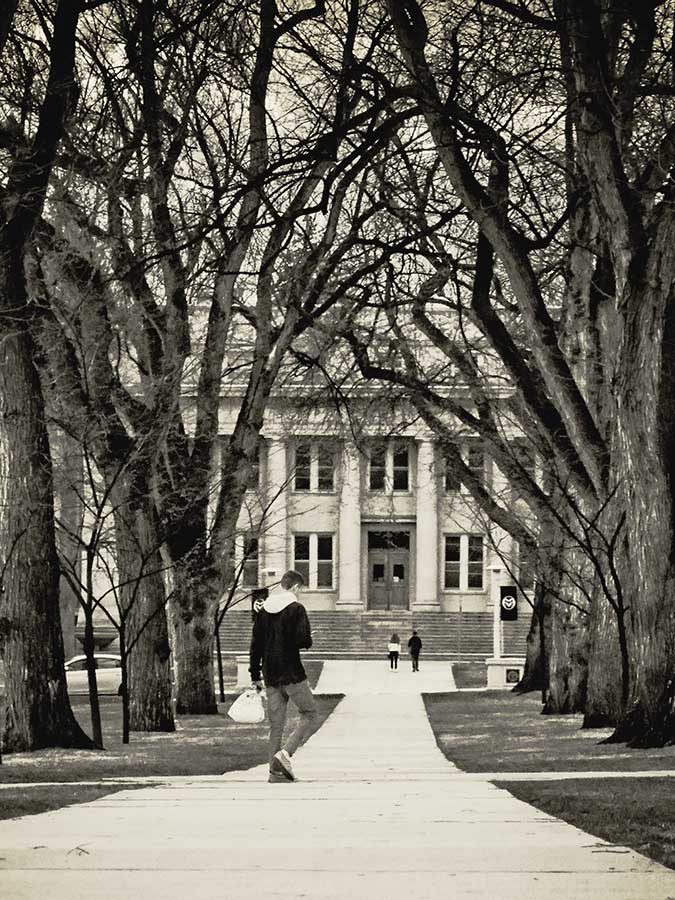
This YouTune video is the most “understandable” explanation of the golden ratio I have found.
Images submitted in response to Dogwood Photography’s annual 52-week photography challenge.
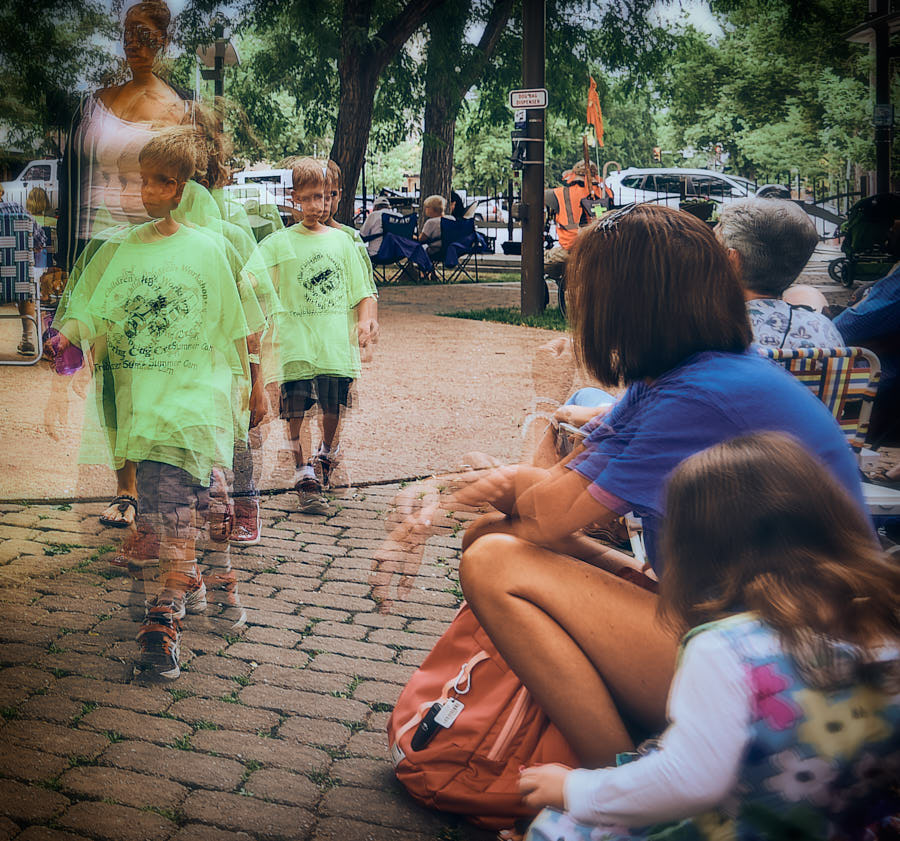
Image submitted in response to Jenn’s (Traveling at Wits End) weekly photo challenge: orange.
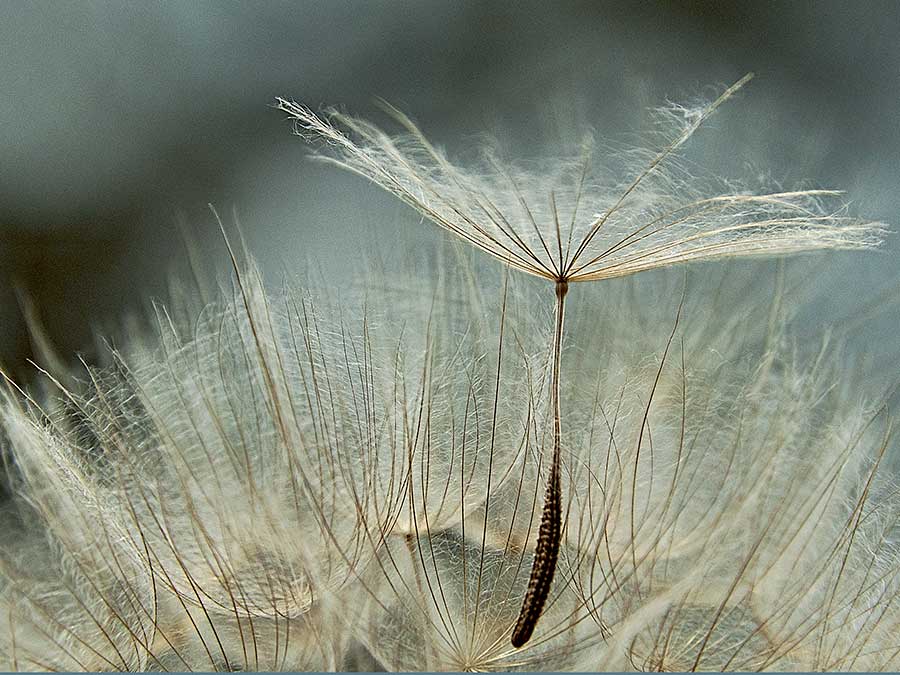
you left,
I remained…
two springs.
From this day forward, I will be…
may we find peace.

“…to remain alive is to be subject to the grinding force of memory. Day and night the millstone turns, shaping the soul and softening the heart. To some, this going around and around the same subject may seem like emotional paralysis. But there is also something freeing about this attachment to remembrance. One day, one hour, one child, keep cutting through to the present. All other days take shape around this circle of emptiness.” ~V Schwarcz (Bridge Across Broken Time)
Week 16: Story Telling: Shadow (Tell a story. Make it compelling while only using shadow.)
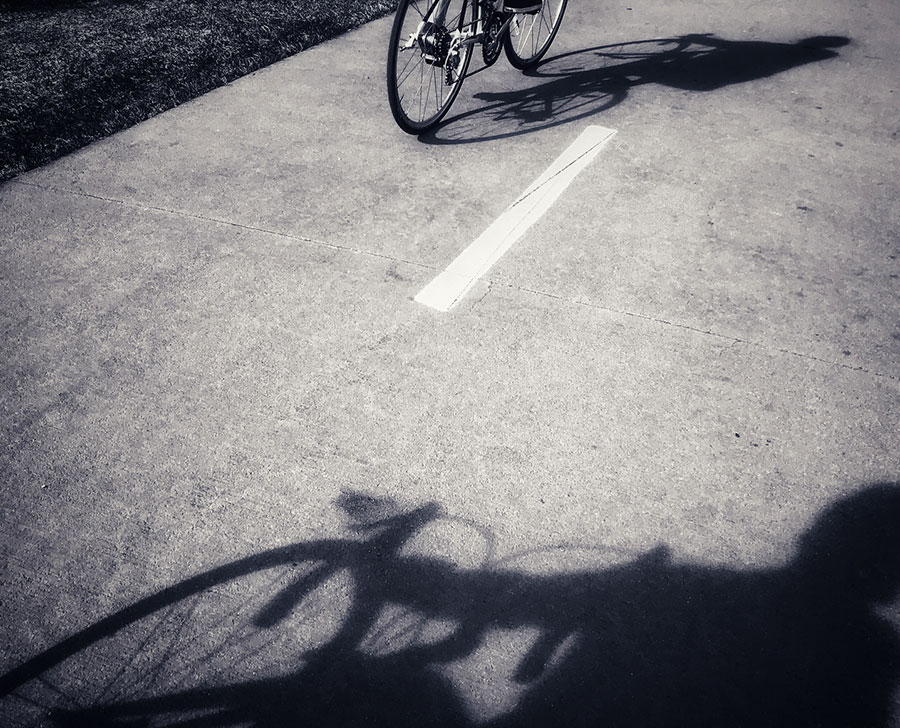
Image submitted in response to Dogwood Photography’s annual 52-week photography challenge.

I was a child,
Nostalgia seemed a small stamp:
I was here…
My mother was there.
When I grew up
Nostalgia became a ticket:
I was here…
My bride was there.
Years later,
Nostalgia was a little tomb:
I was outside…
My mother was inside.
And now,
My nostalgia is a shallow strait:
I am at here…
The mainland is there.
~ Yu Guang Zhong
“The Chinese expression for “nostalgia” is xiangchou, literally “village sadness.” …xiangchou describes the grief that accompanies the traveler who cannot find a way back to the home village…[it] is not a geographical predicament but a spiritual state of being. First he finds himself outside the mother as a tiny emblem of apartness, then he is the man who contemplates her tomb. The shallow waters of the Taiwan straits are, similarly, not only a spatial divide between the island and the mainland but a reminder of the longing for, and the impossibility of going back to, ancestral roots.” *
*cited: V Schwarcz (Bridge Across Broken Time)
 a meditative journey
You must be logged in to post a comment.