Monday morning with Thich Nhat Hanh

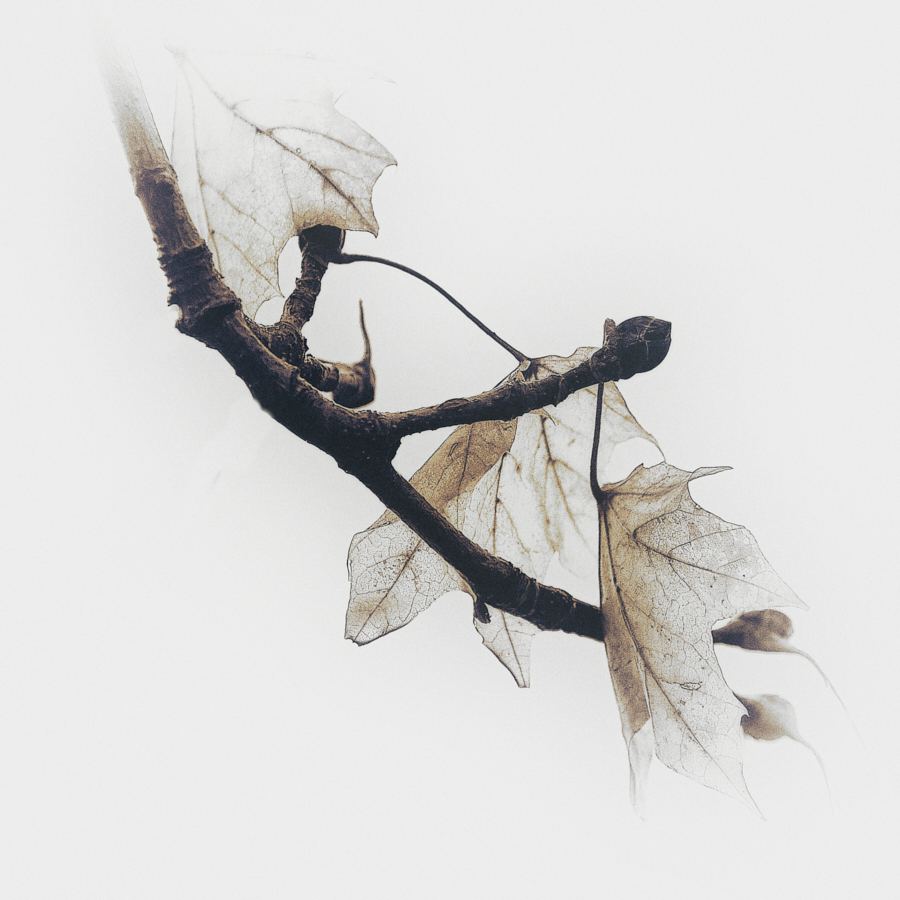
oolongteathy“…you cannot know how many people your words, actions and thoughts have touched.

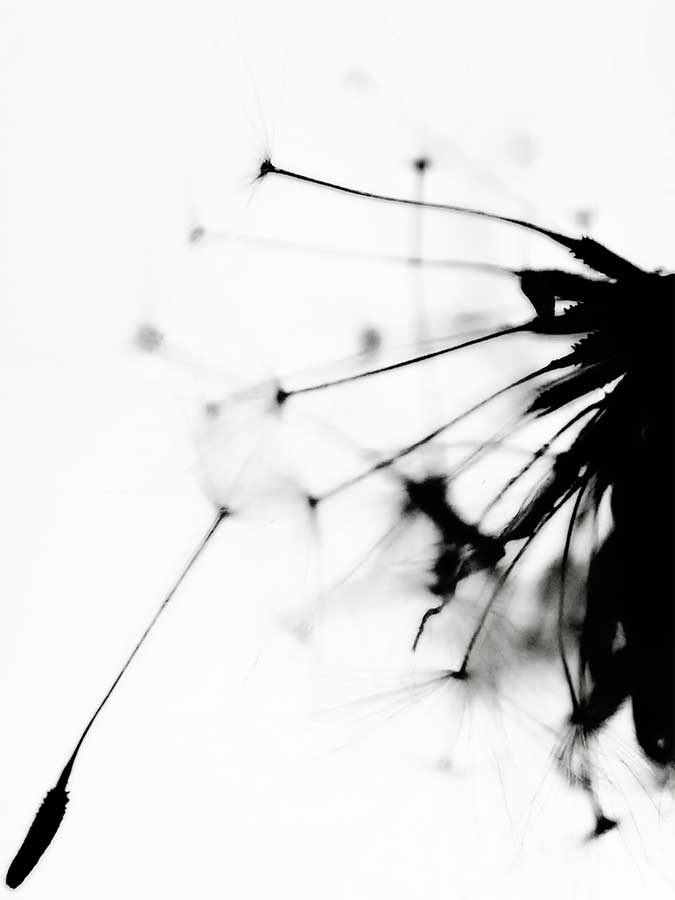
When I make a pot of oolong tea, I put tea leaves into the pot and pour boiling water on them. Five minutes later there is tea to drink. When I drink it, oolong tea is going into me. If I put in more hot water, making a second pot of tea, the tea from those leaves continues to go into me. After I poured out all the tea, what will be left in the pot is just the spent tea leaves. The leaves that remain are only a very small part of the tea. The tea that goes into me is a much bigger part of the tea. It is the richest part.

We are the same; our essence has gone into our children, our friends and the entire universe. We have to find ourselves in those directions and not in the spent tea leaves. I invite you to see yourself reborn in forms that you say are not yourself. You have to see your body in what is not your body. This is called your body outside of your body.”

~Thich Nhat Hanh (No Death, No Fear, pp. 119-120)
early morning readings

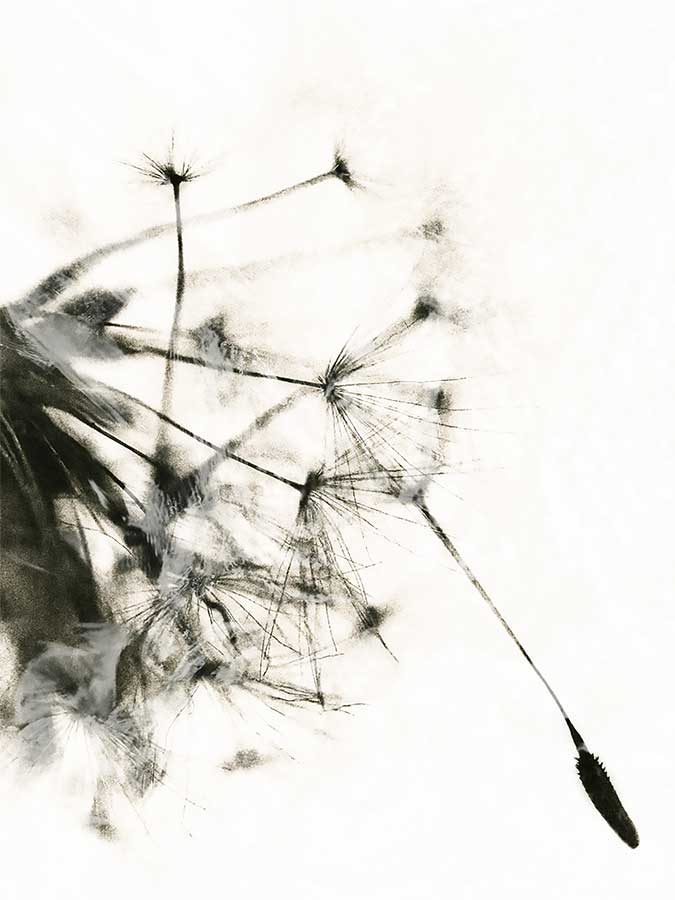
Nikon D750 f/4.5 1/1600s 85mm 320 ISO

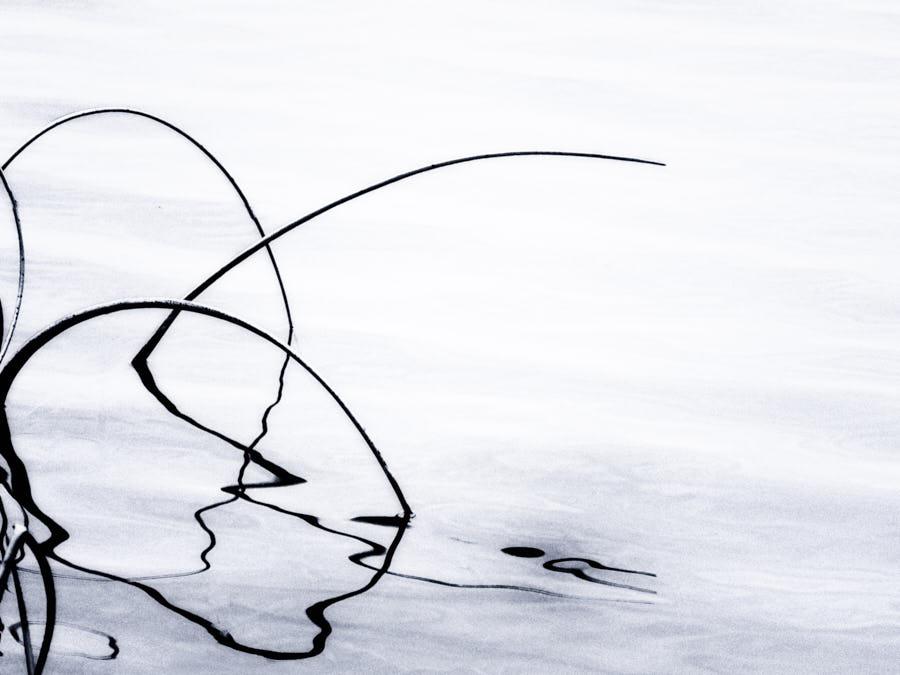
“…Visual transmission through images speaks directly to intuition and feelings, circumventing the verbal mind. Drawings offer spaces for imagination to wander, evoking meanings too complex or subtle to know intellectually. This state of mind, in which one can receive information through images, points to one of the closest parallels between the contemplative and creative paths. Aesthetic appreciation and receptivity to spiritual teachings are both practiced with an open-ended state of mind, a state of comfortable not-knowing. We draw and meditate in heightened awareness of what is happening in the moment, opening the space for new ideas, and allowing change to happen.”

John F Simon, Drawing your own Path. pg.150

Riverbend ponds natural area II

Riverbend Pond… Nikon D750 f/4.5 1/125s 85mm 100 ISO

Wabi-sabi is a beauty of things imperfect, impermanent, and incomplete. It is a beauty of things modest and humble. It is a beauty of things unconventional…

Koren, Leonard, Wabi-Sabi for artists, designers, poets, & philosophers. Stone Bridge Press, Berkeley, CA

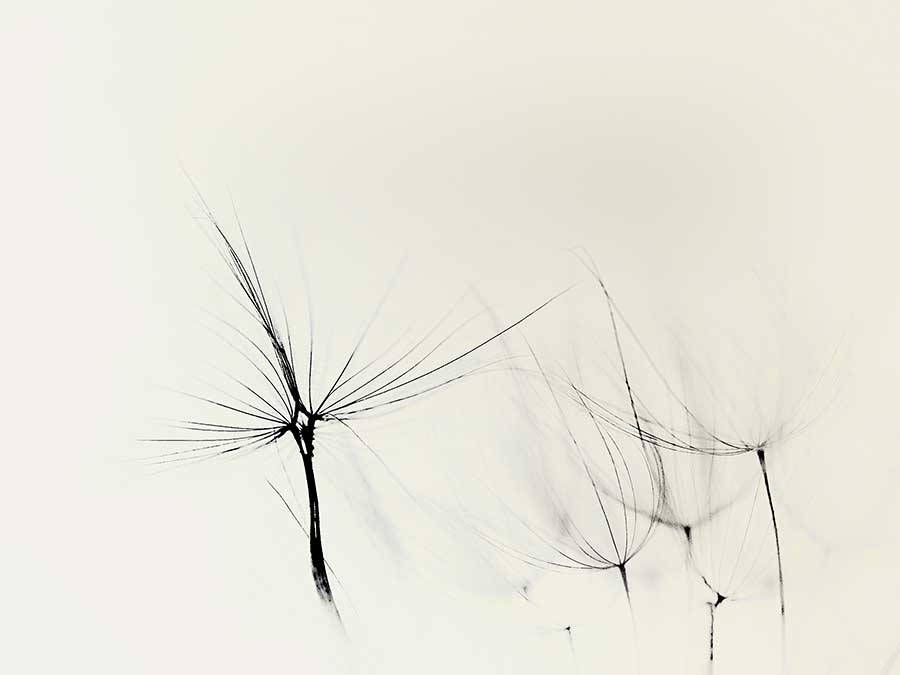
a single likeness…

“There was a single likeness, a small sketch that he kept inside a gold locket, …the locket disappeared to the rag-and-bone man. I do not know where the likeness went. It slipped through the cracks of time and went to where the lost things are.”

~K Morton, The Clockmaker’s Daughter, p. 65

Nikon D750 f/3.2 1/4000 40mm

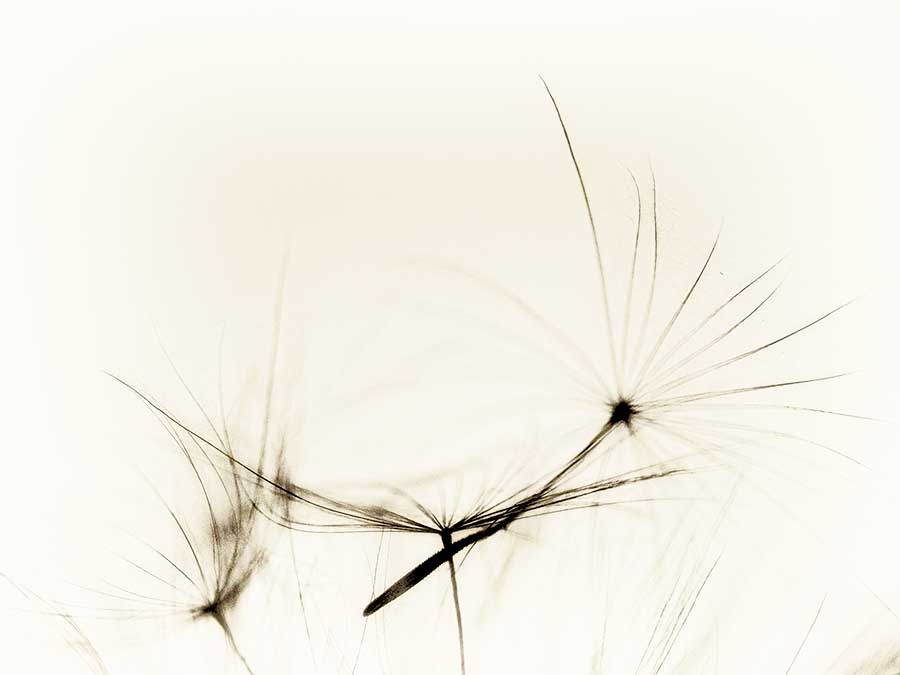
passing by…

Nikon D750 f/3.2 1/4000s 40 mm

“There was no such thing as the right time, he explained. Time was an idea, it had no end and no beginning, it could not be seen or heard or smelled. It could be measured, sure enough, but no words had been found to explain precisely what it was.”

~K Morton, The Clockmaker’s Daughter, p. 66

story telling: new beginnings

Week 13: Story Telling: New Beginnings (Our world is full of circular patterns; as some things end, others begin. Tell us a story of a New Beginning.)

Nikon D750 f/3.2 1/4000s 40mm 100 ISO

Image submitted in response to Dogwood Photography’s annual 52-week photography challenge.

emptiness

Emptiness of Entityness… Nikon D750 f/7.1 1/80s 85mm 100 ISO

The emptiness of entityness (one of five types of emptiness discussed within Buddhist philosophy) is illustrated … with the example of a cairn and a human being. Both exist and are mutually exclusive…a cairn when viewed from a distance can easily be mistaken for a human, whereas upon closer inspection, there is nothing whatsoever that is human about a pile of stones. A human is utterly absent there. A rope mistaken for a snake would seem to be another example of the emptiness of entityness.~D. Lopez, Jr. (The Heart Sutra Explained, p54.)