
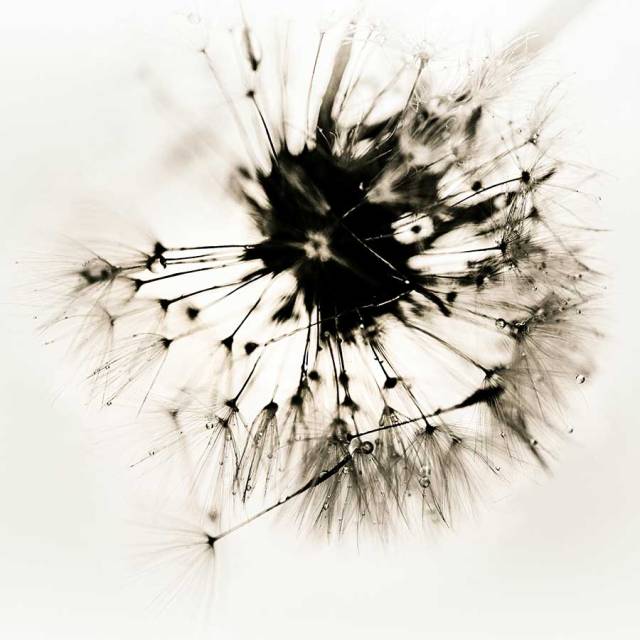
Nikon D750 f/4.5 1/500s 85mm 100 ISO
In a famous passage in the Meditations, Descartes speaks of looking from a window and seeing men pass in the street. ‘Yet,’ he reflects, ‘do I see any more than hats and coats which could conceal automations? I judge that they are men.’ …the observer no longer passes through them to see the living person beneath. He no longer sees what is implied. However, the attention of the right hemisphere, concerned as it is with the being in context, permits us to see through them to the reality that lies around and beyond them. It could not make the mistake of seeing the clothes and hats in isolation.
The illusion that, if we can see something clearly, we see it as it really is, is hugely seductive. …We never see anything clearly…What we call seeing a thing clearly, is only seeing enough of it to make out what it is; this point of intelligibility varying in distance for different magnitudes and kinds of things…” Ruskin, in Modern Painters, makes the point that clarity is bought at the price of limitation…He gives the example of an open book and an embroidered handkerchief on a lawn. Viewed from a distance of a quarter of a mile, they are indistinguishable; from closer, we can see which is which, but not read the book or trace the embroidery on the handkerchief: as we go nearer, we ‘can now read the text and trace the embroidery but cannot see the [fibers] of the paper, nor the threads of the stuff’; closer still and we can see the watermarks and the threads, ‘but not the hills and dales in the paper’s surface, nor the fine [fibers] which shoot off from every thread’; until we take a microscope to it, and so on, ad infinitum. At which point do we see it clearly? …Clarity, it seems, describes not a degree of perception but a type of knowledge. To know something clearly is to know it partially only, and to know it, rather than to experience it, in a certain way ~I McGilchrist, The Master and his Emissary (pp181-182).


 a meditative journey
You must be logged in to post a comment.