During this week a memory came to mind a number of times in which a classmate, who was doing an internship in an adolescent treatment program, shared her understanding of the process of reflective listening within a therapeutic session. She ended her narrative with the teen’s response, “duh.”
The photographer, the basic third element in photography who stands on one side of the camera, looking through the view finder, seeing and focusing. Her personality as a photographer — motivation, interest, patience, attitude, etc. all require attention and adjusting…”duh,” Brenda.
This moment of enlightenment that shed awareness on the fact that I am mostly ignorant about one important aspect of photography, me. Thus far, my photography journey has included an investment in learning about various components of the camera as well as exploring basic elements of composition. Beyond a moment or two about how to manage anxiety within street photography or the motivation to get out of a warm bed at predawn to photograph the golden light not much attention has been given to…me, the photographer.
I have to give credit to Ted Forbes’ video, Three Tips to Improve Your Photography for this “duh” moment as he described improving one’s photography.
- Narrow the focus – a) Determine what it is that you want to get better at. b) What kind of styles of photography interest you – still life, portraiture, improvisation, head shots, street photography, landscapes? c) Study those photographers that inspire and challenge you.
- Shoot less, Think more or Think more, Shoot Less. a) Strive for quality over quantity. b) be less involved in the viewfinder and open yourself to the environment. c) Ask yourself if is this the right time…golden hour, decisive moment, what would happen if….
- Understand improvisation. a) Photographing in the moment relies on the foundation of: understanding theory, past experiences, knowing what will work…an accumulation of what happened before. b) Gift yourself with experience by going out and photographing. c) Accept making mistakes…practice…to create something that is happening in the moment – the decisive moment – is sum of all one’s past photographs. d) Understand what you don’t like and apply what you do like.
So this week, my photo study assignment was to explore
- Identify one photographer that inspires and study their work.
- Explore my history – where have I’ve been?
- Find one element to photography during the week to build upon.
- Remember that it is not the camera I own or the camera’s settings, it is transcending the moment and taking it beyond.
Identifying Photographers that inspire (street photographers, minimalist, long exposure)
When exposures last hours rather than fractions of a second, there is much time for watching. Sometimes it is a basic concern for security but at others it is a more meditational activity. I watch the sky and imagine what patterns the clouds and stars will make on my film. I watch the water, the leaves on the trees, passing cars, changing shadows, smoke from chimneys, whatever is around. Wind, rain, mist, etc., all have effects on the eventual image. …Nothing is the same twice and every moment in time is unique. ~Michael Kenna (Photo Review interview, January 2003 with Carole Glauber)
Michael Kenna’s work can been seen at Supervision
Studying his images as suggested by Howard Becker:
Take some genuinely good picture… Using a watch with a second hand, look at the photograph intently for two minutes. Don’t stare and thus stop looking; look actively. It will be hard to do, and you’ll find it useful to take up the time by naming everything in the picture to yourself: this is a man, this is his arm, this is the finger on his hand, this is the shadow his hand makes, this is the cloth of his sleeve , and so on. Once you have done this for two minutes, build it up to five, following the naming of things with a period of fantasy, telling yourself a story about the people and things in the picture. The story needn’t be true; it’s just a device for externalizing and making clear to yourself the emotion and mood the picture has evoked, both part of its statement
When you have done this exercise many times, a more careful way of looking will become habitual. Two things result. You will realize that ordinarily you have not consciously seen most of what is in an image even though you have been responding to it You will also find that you can now remember the photographs you have studied much as you can remember a book you have taken careful notes on. They become part of a mental collection available for further work. (When you do this exercise a number of times you will acquire new habits of seeing and won’t have to spend as much time looking at a new print).
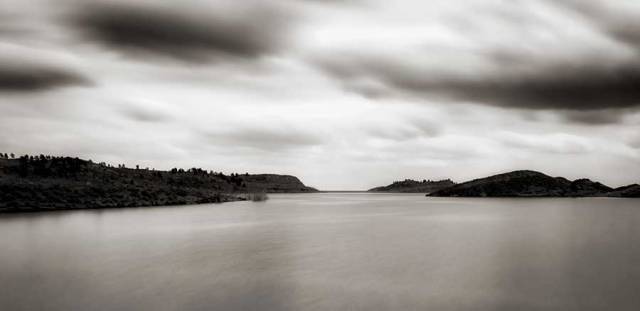
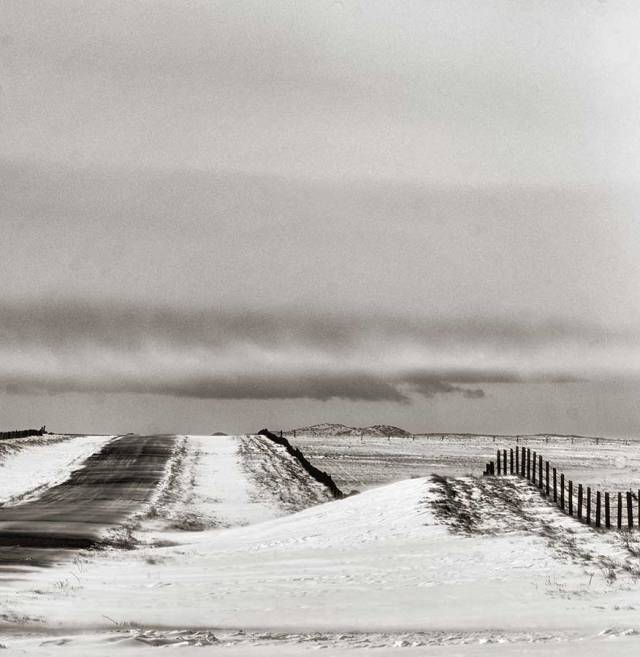
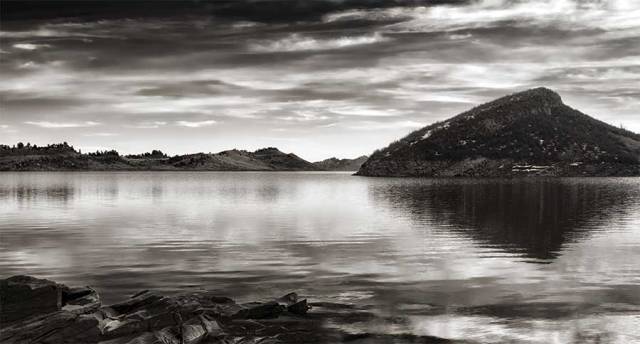
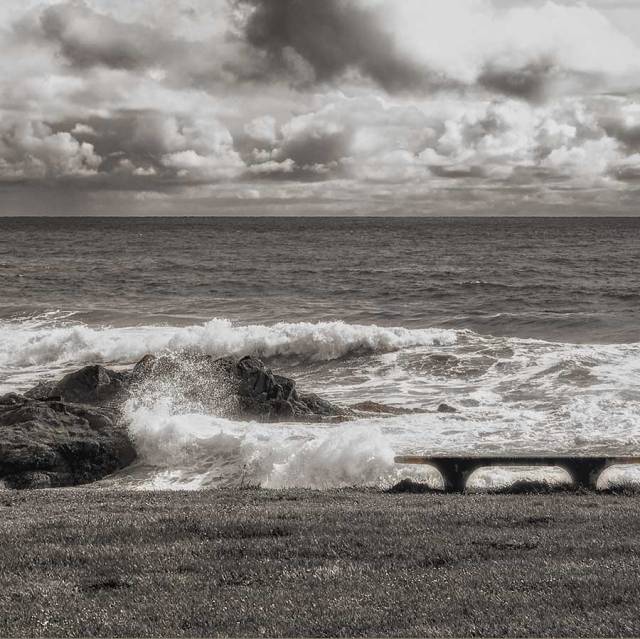
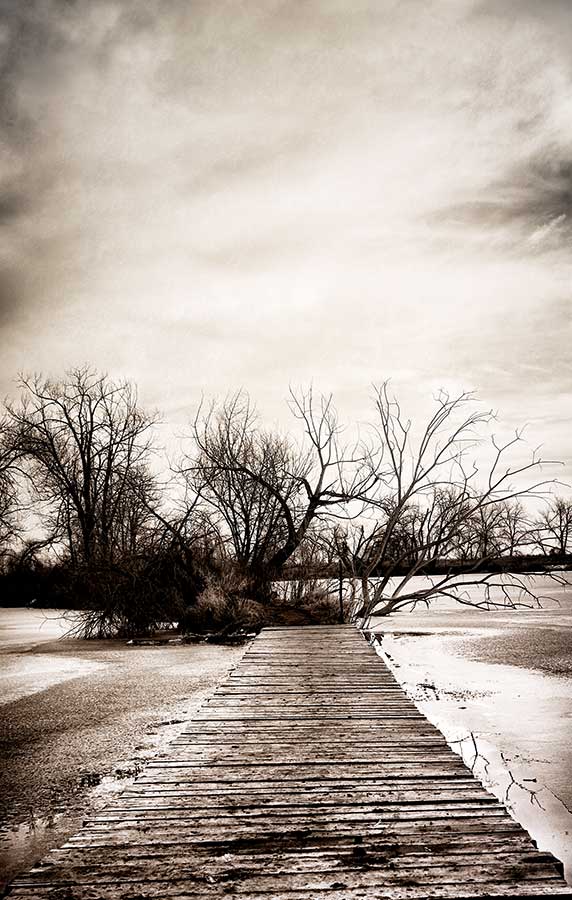
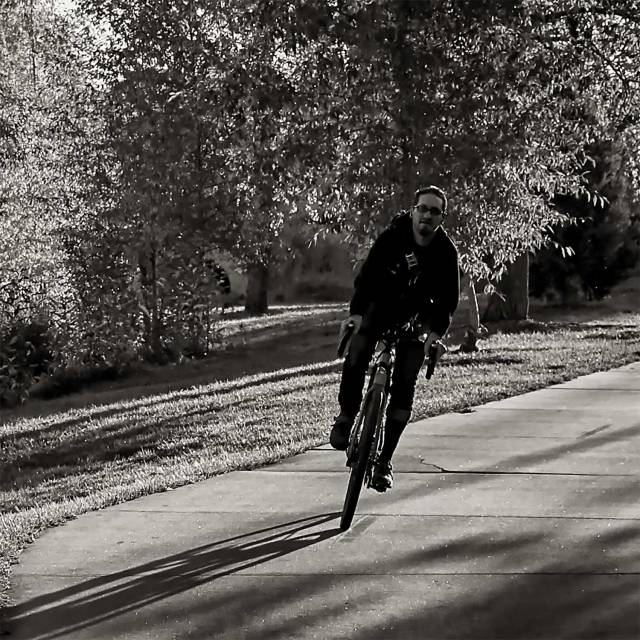
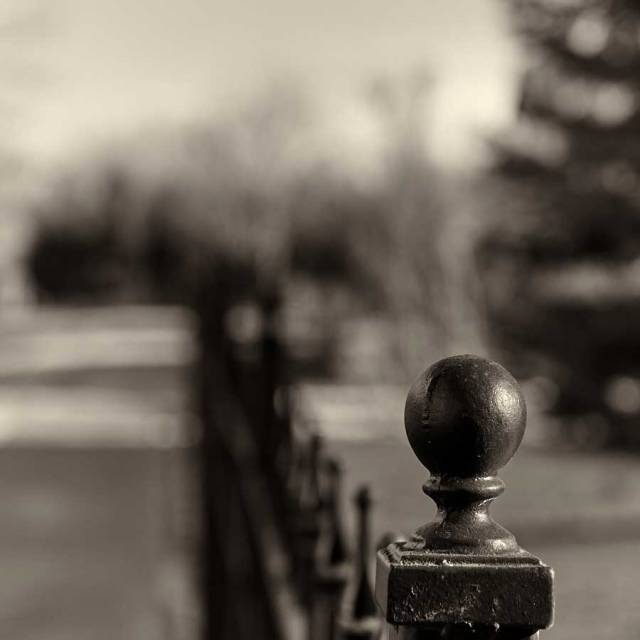
Photographer’s past journey As I reviewed this week’s photo study, I realized that I’m a photographer who enjoys being engaged by spontaneous moments. The images below are a review of past images that I chose to “re-see” as part of my study of Kenna’s work.
Patience…mindfulness…characteristics which are extremely useful and priceless tools for me, the photographer.

Nikon D750 f/7.1 1/500 50

Sony NEX-5N f/5.6 1/400 56

Nikon D740 f/5.6 1/4 28

Sony NEX-5N f/8 1/800 150

Sony NEX-5N f/13 1/800 91

Sony NEX-5N f/6.3 1/400 186
One element to develop this week – This week as I am out and about – walking as prescribed by my doctor – my intention is to scan my environment from right-to-left. I’ve read that this way of “seeing” will gradually become an intuitive process and I’ll see more than I ever imaged. Seeing is the gateway.

Lumix DMC GX85 f/7.1 1/250 43mm
I would love to hear your thoughts about yourself as the photographer and to see where you have been and one element you are invested in developing.








 a meditative journey
You must be logged in to post a comment.