On the waters
of the flowing river
a jewel, a bead of foam —
the pity
of this fugitive world
~Saigyō (Poems of a Mountain Home, B Watson)
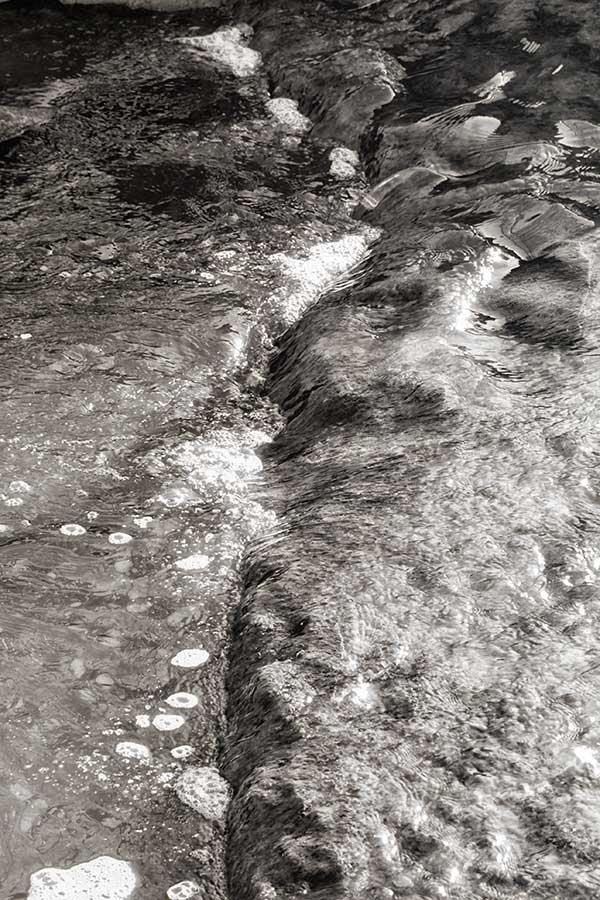
Nikon D750 f/9 1/160 90 mm
On the waters
of the flowing river
a jewel, a bead of foam —
the pity
of this fugitive world
~Saigyō (Poems of a Mountain Home, B Watson)
Nikon D750 f/9 1/160 90 mm
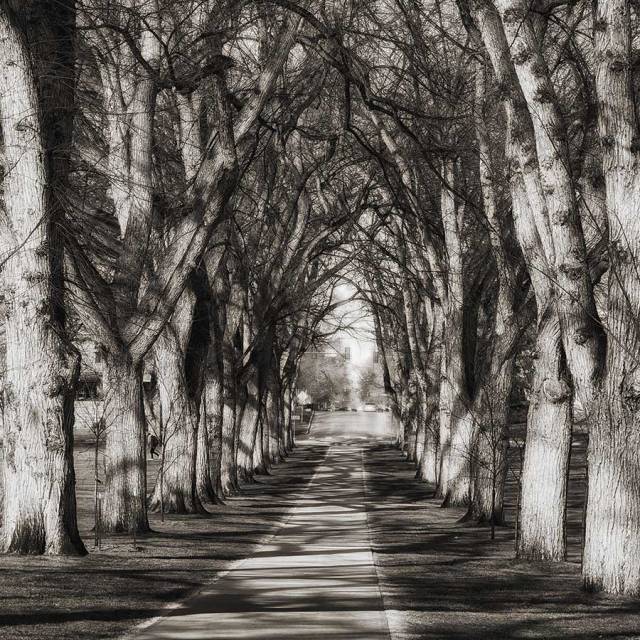
Nikon D750 f/8 1.160s 85mm 100 ISO
A visual study of elements of composition through the use of amazing images by Steve McCurry. Hope you enjoy.
What is in front of my eyes
changes into a scene of the past —
a winter shower!
~Buson (Y Sawa & E Shiffert, Haiku Master Buson)

Nikon D750 f/8 1/1,000 70 mm
This week my topic of study was shape. Shape, the basic two-dimensional element within composition, is defined by line, space, color, and contrast of differing light areas. There are three basic shapes – square, triangle, circle. There are also combinations of basic shapes, organic – leaves, trees, people, flowers – and abstract configuations.
Ted Forbes noted that abstract shapes can often have
…phycological associations with the viewer on various levels of depth. At their most obvious they tend to be object identification. A silhouette of a chair can be identified as a chair because its an object just about everyone can identify. Same with any other subject or shape of familiarity. Shapes that are abstracted either by blur, shadow, distance or scale begin to have a more dramatic effect as they might hit the viewer on a more subconscious level. In other words they might not be the first thing the viewer sees or recognizes on first glance. This can often create interest and a stronger visual impact.
Shapes can be made more dominant by placing them against a plain contrasting background. The greater emphasis of shape is achieved when the shape is silhouetted thus eliminating other qualities of the shape, such as texture and roundness, or the illusion of form.


Form is the three-dimensional counterpart to shape. Shape is to form as a square is to a cube. Form is shape with dimension or volume. To change a shape to a form, dimension must be created by the addition of tone or color transitions within the shape. This results is the illusion of three-dimensions in a two-dimensional space. With the proper application of light and tonal range, shape will transform into a three-dimensional quality of form. Lightening can also subdue or even destroy form by causing dark shadows that cause several shapes to merge into one.

To apply this understanding of shapes and form in composition, I set out to complete an assignment outlined by Ted Forbes creating images in a studio type environment with oranges as a subject and using the techniques of: cropping, scale, fragmentation, focus, lightening, metaphor, and implied.


I found that this assignment to create images in a studio type environment to be a challenge as I tend to be more “improvisational” and thus the use of flames and goslings within the last two images (metaphor and implied).
Thank you for visiting. As I noted before I would love to have you join me in this learning journey and to read your thoughts. I hope you find this Ted Forbes Youtube video informative:
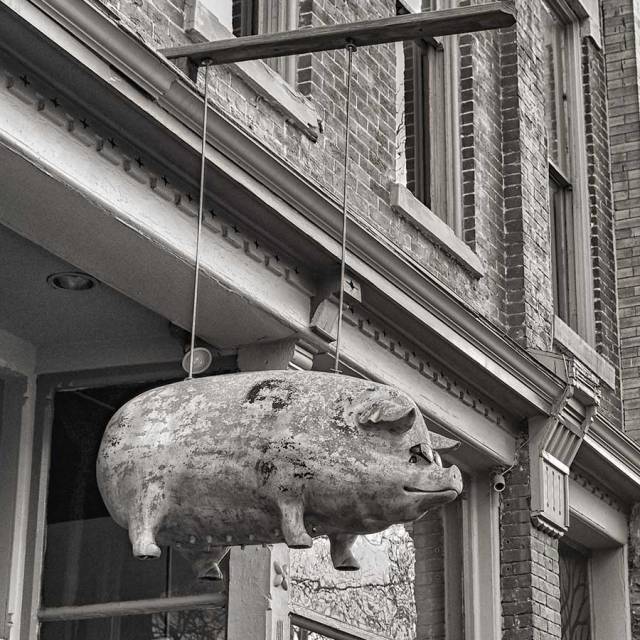
Nikon D750 f/4 1/125 35mm
The wind whistles in the bamboo
and the bamboo dances.
When the wind stops,
the bamboo grows still.
A silver bird
flies over the autumn lake.
When it has passed,
the lake’s surface does not try
to hold on to the image of the bird.
~Poems by Vietnamese Dhyana Master Hai (Ocean of Fragrance)
Cited: Thich Nhat Hanh, The Heart of The Buddha’ Teachings

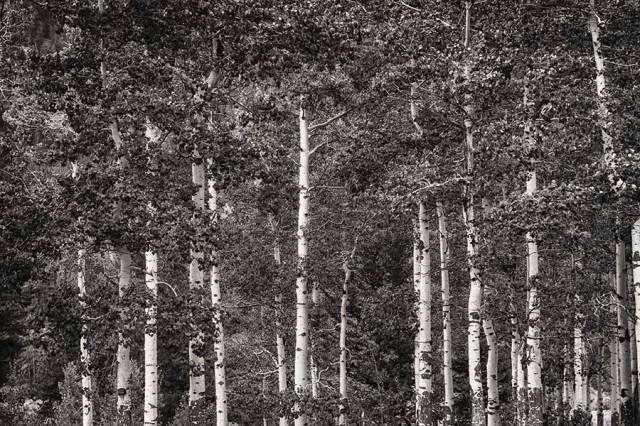
Rocky Mountain National Forest…Never Summer
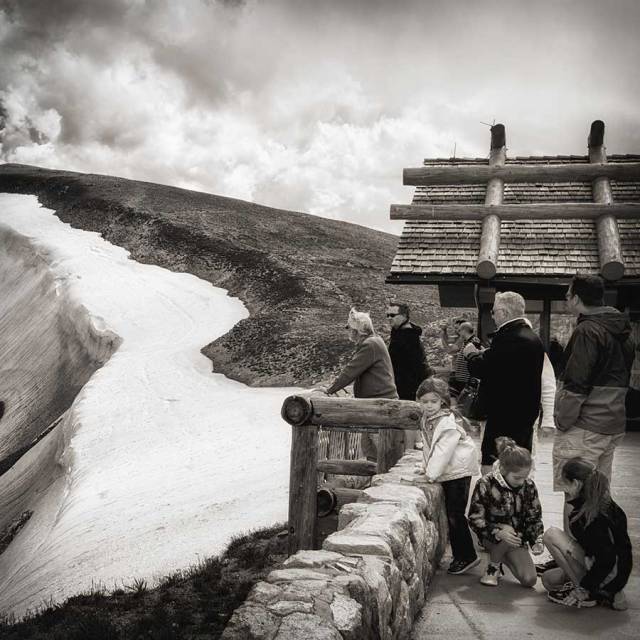
Nikon D750 f/7.1 1/320 28mm
How about a moment or two with Michael Jackson…
Though we are parted,
If on Mount Inaba’s peak
I should hear the sound
Of the pine trees growing there,
I’ll come back again to you.
~Ariwara no Yukihira
Nikon D750 f/4.5 1/40 56mm
The National Forest Foundation will plant a tree for every $1 you give to their tree-planting programs. Their website notes a goal of planting 50 million trees by 2023.
Suzanne Simard’s research has given us insight into how trees communicate their needs and send each other nutrients through an elaborate system which she has compared to neural networks in the human brain.
I hope you enjoy this TED Talk, How Trees Talk to Each Other
The wild geese yet
Are content to stay —
And must you return
~Otomo Oemaru (F Bowers, The Classic Traditions of Haiku)
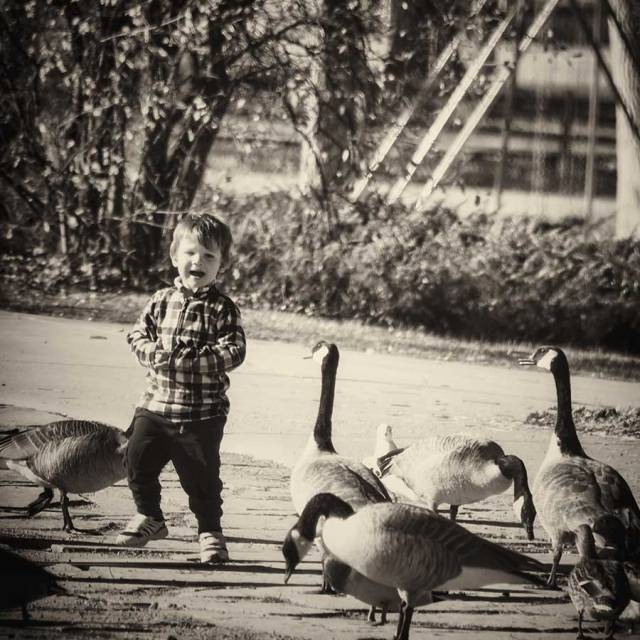
Nikon D750 f/5.6 1/320s 300mm
There is a profound moment…just a second or so before the sun’s light peeks above the horizon…when it feels as if a stilled hush has silenced all of nature. And then, a bird’s singsong welcoming a new day and the distant sound of the coffee maker, releases me once again from the imprisonment of a sleepless night.
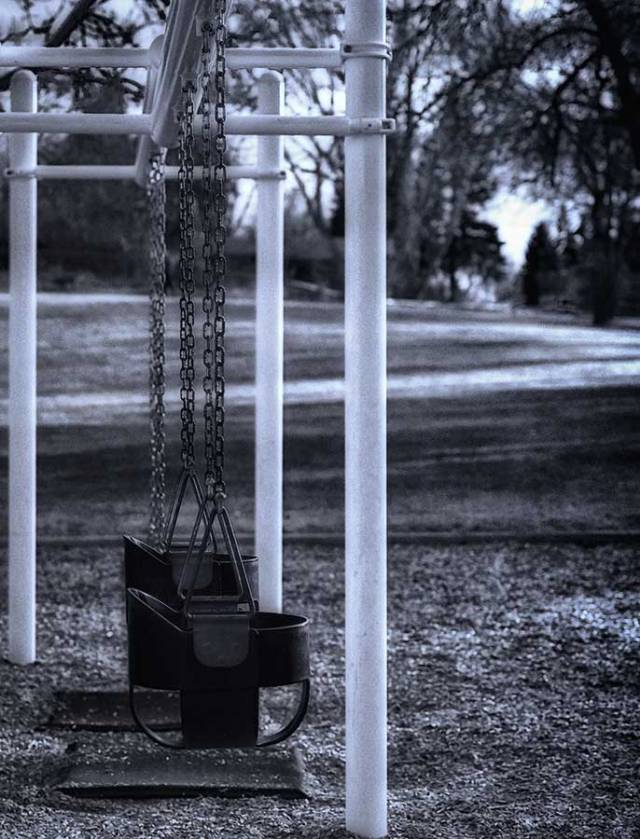

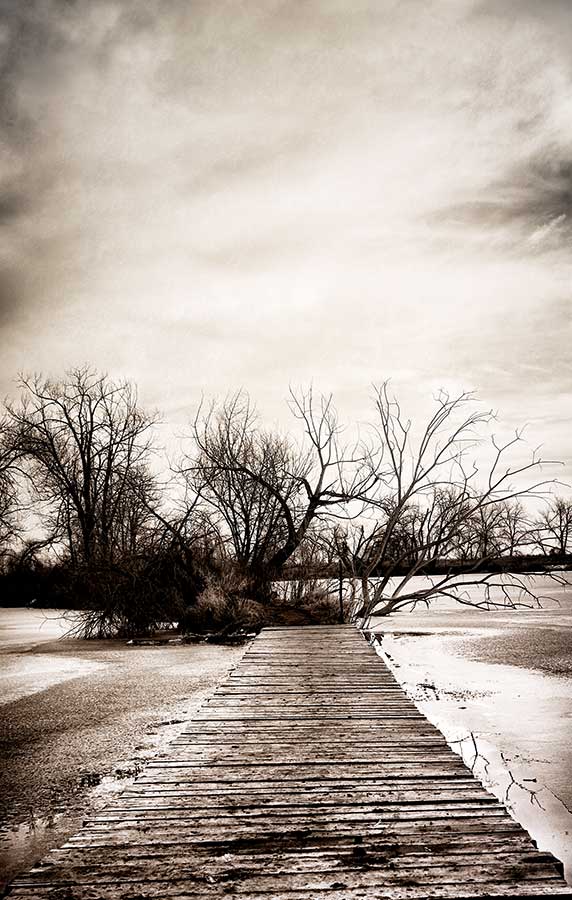
Nikon D750 f/7.1 1/400s 28mm
Sometimes Providence interferes and saves the beginner from all trouble with his stops. It did so with me. I had a dog which took a great interest in my first camera from the very beginning. There is, perhaps, something about morocco leather which reminds a dog of the Elysian fields. It was a lens-cap, morocco bound outside, velvet inside, which Charlie devoured first. A cork out of a pyro bottle fortunately fitted the lens-hood exactly. Then, after eating the cap, while my head was under the focusing cloth, Charlie devoured the leather case, with all the stops in it. This was an insurmountable difficulty. I know I wrote to the maker of the lens to ask what a new set would cost, but as the amount was more than I possessed, I determined to do without. That is why I was saved from under-exposure, with I should surely have been led into with a multitude of stops.
~Frank Meadow Sutcliffe (cited: Frank Meadow Sutcliffe, The History of Photography Series, p.6)
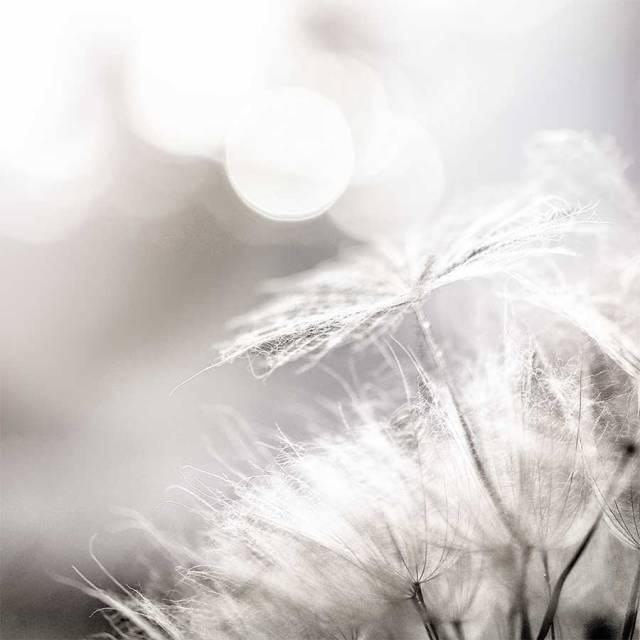
Before its so-called birth, this goats beard already existed in other forms – clouds, sunshine, seeds, soil, and many other elements. Rather than birth and rebirth it is more accurate to say, “manifestation and re-manifestation”. It’s so-called birthday is really a day of its re-manifestation. It has already been here in various forms, and now it has made an effort to re-manifest.
When conditions are no longer sufficient and a plant ceases to manifest, we say it has died, but that is not correct either. Its constituents have merely transformed themselves into other elements.
 a meditative journey
You must be logged in to post a comment.