monochrome photography
silent sunday

a photo study of the rule of odds
Nothing is hidden;
It has always been clear as day.
For divine wisdom; look at the old pine tree;
For eternal truth; listen to the birds sing.
Seeking the mind; there is no place to look;
Can you see the footprints of flying birds?
Above, not a single tile to shelter under;
Below, not a morsel of ground for support. ~Zenrin
Rule of Odds…not a rule, law, or expectation. A guideline created by how the composition within an image may gift us with the balance we unconsciously seek.



The youtube episode below is an introduction to the rule of odds hosted by Ted Forbes, a photographer and filmmaker. He started producing the Art of Photography as a podcast in 2008 and the show has since grown into a popular YouTube channel and resource website providing a 360° view of photography to a global audience. Enjoy
https://youtu.be/n-1tq0FEBV4
xdrive photography learning – 18 – golden hour
In this xdrive photography lesson, Raj notes that for about an hour during sunrise and again at sunset, photographers are gifted with what is known as the “golden hour” or “magic light.” Generally the sun’s light is diffused and soft during these two time periods.
In the image below, I chose to combine Raj’s golden hour lesson with a personal study of the rule of odds. This image was created about 40 minutes before sunset with what I identified as cirrostratus clouds to the west of my home. In the past, I have found that the quality of light during the hour before and after sunset is often times influenced by both western clouds as well as the foothills of the Rocky Mountains.

Nikon D750 f/7.1 .5 s 35 mm (prime) ISO 100 neutral density lens
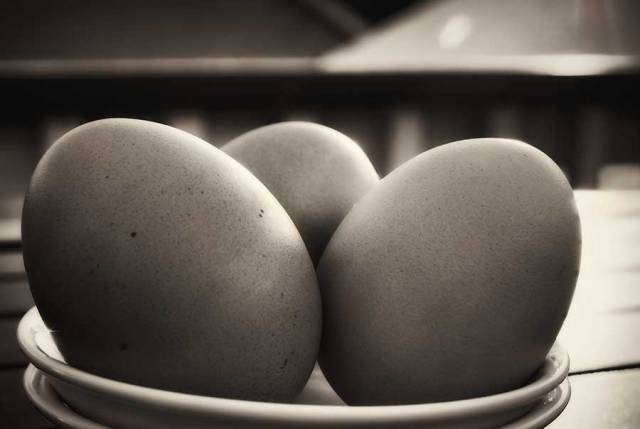
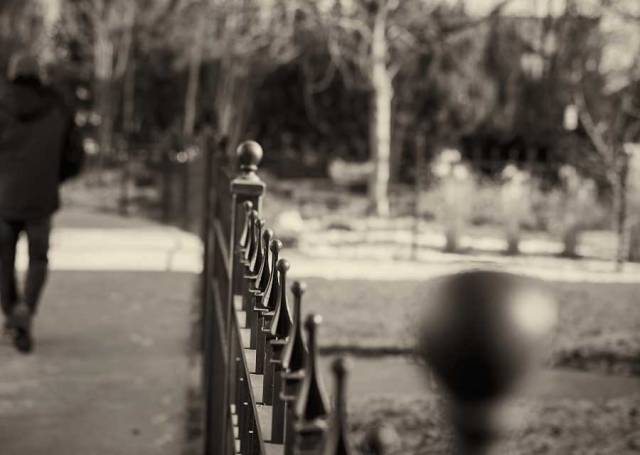
all in a row
Nikon D750 f/2.2 1/100s 35mm ISO 100
memories
Nikon D750 f/2.2 1/800 s 35 mm ISO 100
The stream of thought flows on; but most of its segments fall into the bottomless abyss of oblivion. Of some, no memory survives the instant of their passage. Of others, it is confined to a few moments, hours, or days. Others, again, leave vestiges which are indestructible, and by means of which they may be recalled as long as life endures.
~William James (The Principles of Psychology, Vol.1, pg. 643)
Speaking of memories, may I introduce you to an American science-fiction film, Marjorie Prime, that was based on Jordan Harrison’s Pulitzer Prize-nominated play of the same name.
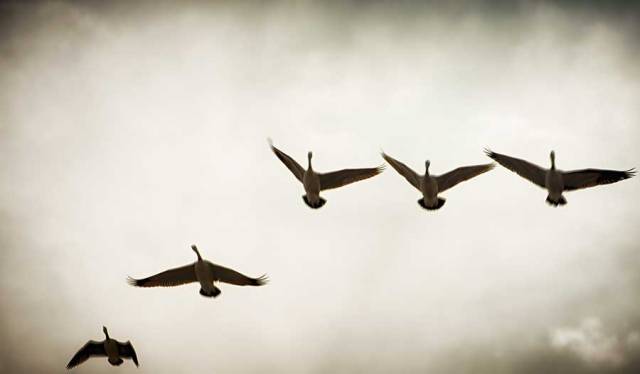
canadian geese
Nikon D750 f/5.6 1/100 s 300 mm ISO 100

Nikon D750 f/5.6 1/100 s 300 mm ISO 100
Nikon D750 f/5,6 1/100 s 300 mm ISO 100
no moment in which to forget
Listen, listen
longing and loss.
In the struck bell’s
recurrent calling,
no moment in which to forget.
~Izumi Shikibu (J Hirsfield & M Aratani, The Ink Dark Moon)
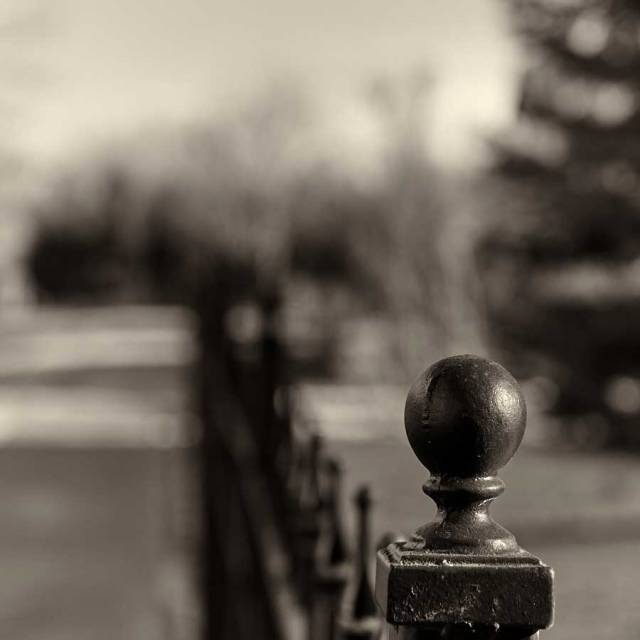
Nikon D750 f/2/2 1/800 s 35 mm ISO 100
Focusing Techniques for Photography (Ted Forbes, The Art of Photography)
content to stay
The wild geese yet
Are content to stay —
And must you return
~Otomo Oemaru (1719-1805)
cited: F Bowers, The Classic Tradition of Haiku

Nikon D750 f/6.3 1/200 s 90 mm ISO 100
tutus
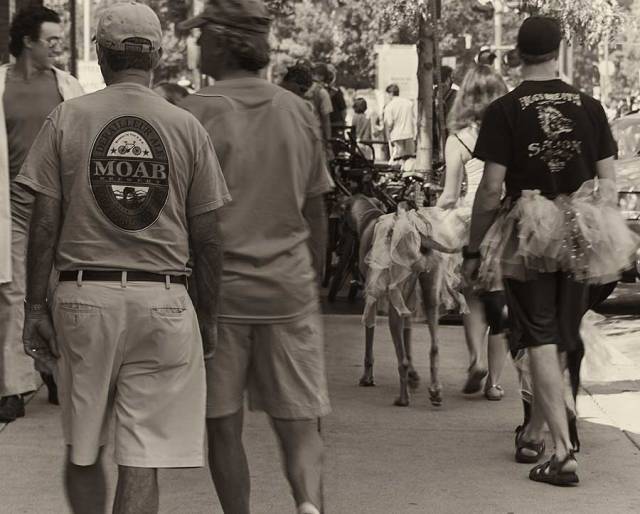
Nikon D750 f/7.1 1/30s 72mm ISO 100
the sound of loneliness

Nikon D750 f/6.3 1/50s 35 mm I00 ISO
Let me introduce you to Hu Ge, one of the top actors in China who has an amazing singing voice. His role in a series entitled, Nirvana in Fire, has been noted by fans to parallel the leading character’s rise from a tragedy. In 2006, a serious car accident that took the life of his friend and assistant, resulted in major surgeries which included over a hundred sutures on his face and neck. It would take him nearly a year to recover.
xdrive photography learning – 16 – contrasts
Raj writes in his 16th xdrive photo lesson that contrast, a deviation from the brightest parts of the image to the darkest, is often overlooked during the digital darkroom process. As I read his explanation about low contrast images, it brought to mind those long exposure landscape images that are composed of a single tree or those low contrast images of trees within mist or fog. Dreamy.
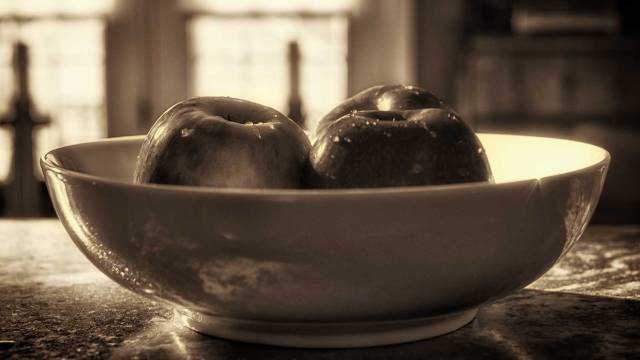
apples Nikon D750 f/4 0.1s 35mm (prime lens) 100 ISO
In the two images below, I can see in the color image how the contrast highlights the water drops…they seem to glisten within this backlit photograph. While the water drops within the monochrome image are not as noticeable, I like how the reflections of the countertop are reflected in the bowl. The tiny sunburst along the right edge of the bowl is visually interesting.

snow Nikon D750 f/5.6 1/125s 300 mm 100 ISO
While I like the warmth of the monochrome image of the apples, I couldn’t seem to create the same atmosphere with the snow photograph. It just may be incongruent to create a warm image of snow?
I prefer the color image which had a bit of editing within Color Effects Pro 4’s green-yellow color contrast presets. The water drop on the tip of the leaf also seems more apparent in the color image.

The low contrast monochrome image (first monochrome image) is not as dramatic as the high contrast (last image). The water drop also seems more apparent in the last image. I also noticed during the digital darkroom process that experimenting with contrast within Color Effects Pro 4 required awareness of how some of the presets darkened the leaves to a degree where the detail was hidden.


Again, thank you Raj for these lessons. I would also like to thank Helen at HHC Blog for bringing to mind the beauty of color contrast within images.
 a meditative journey
You must be logged in to post a comment.