
Nikon D750 f/7.1 1/320 24mm 100 ISO
Nikon D750 f/7.1 1/320 24mm 100 ISO
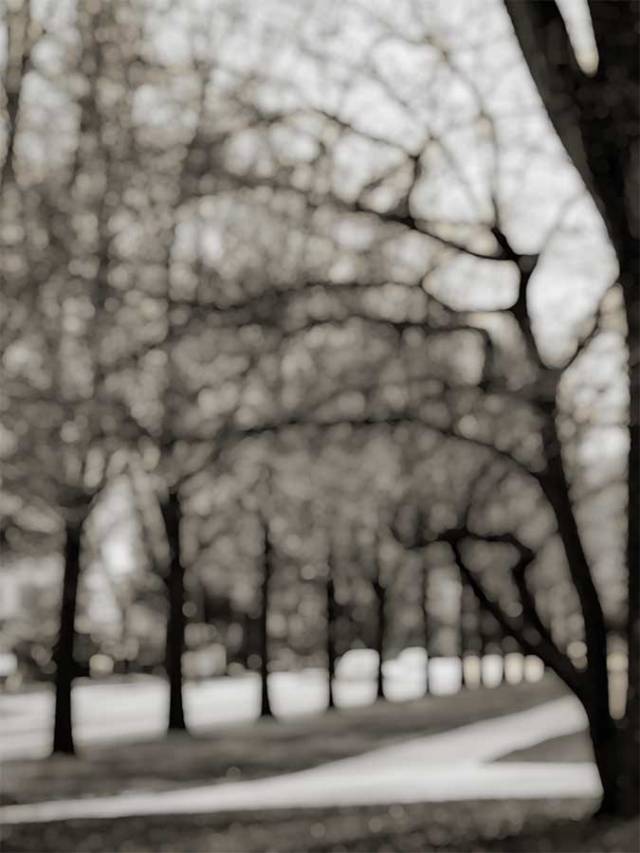
Nikon D750 f/11 1/1,000s 85mm 800 ISO
This week’s photo challenge has been inspired by Ted Forbes’ Using Low Angle video. Low-angle composition invites the photographer to create images with different and unique perspectives.


We generally experience our daily lives at eye level and often feel more comfortable photographing at eye level. Low angle photography invites us to look up…to create images from any point below eye level which gives the effect of looking up at an object or person. Also you can go to the extreme and show a worm’s eye view of the world.
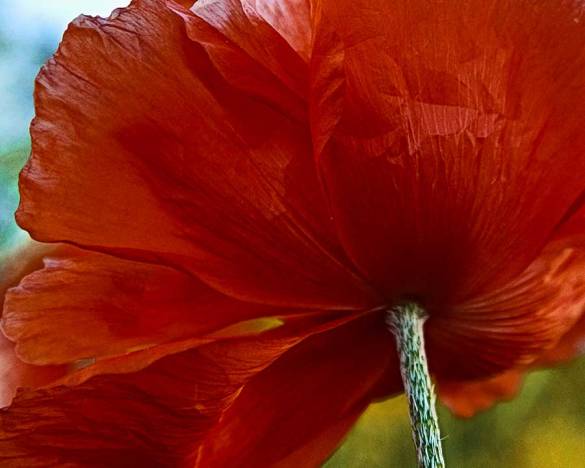
A worm’s-eye view is a view of an object from below, as though the observer were a worm; the opposite of a bird’s-eye view. It can be used to look up to something to make an object look tall, strong, and mighty while the viewer feels child-like or powerless. A worm’s eye view commonly uses three-point perspective, with one vanishing point on top, one on the left, and one on the right.
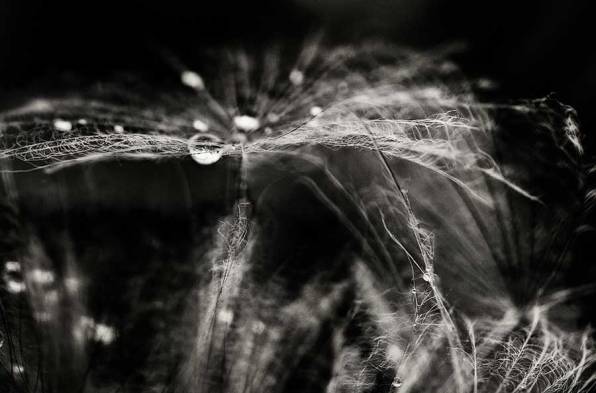
To photograph low angle composition, you will need to crouch, bend, or get down onto the floor. A personal note ― have found that when crouching I need to find a way to brace myself as without there often is a slight tremble which, sigh, results in a blurred image.
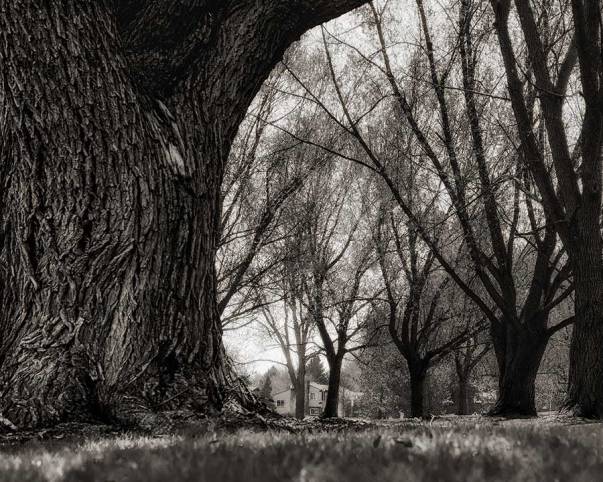
A low angle perspective increases the height of the subject.
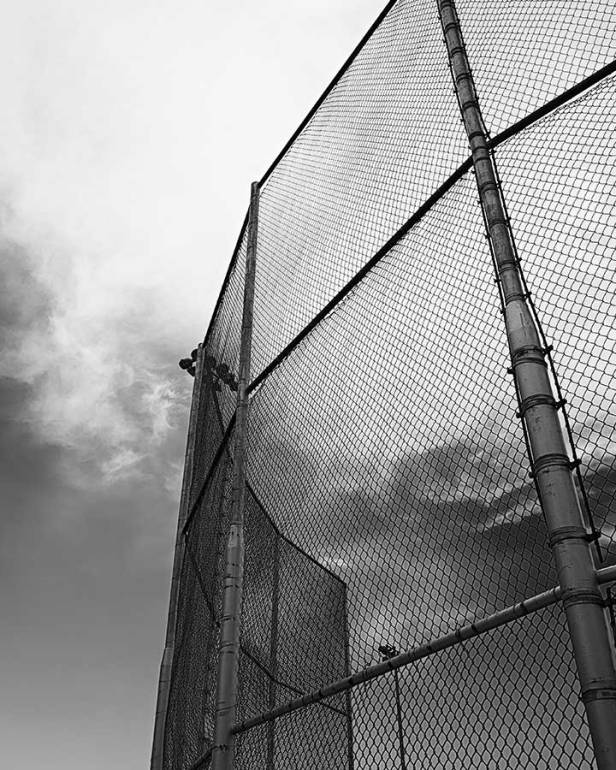
It creates an image where the subject appears more powerful and dramatic.
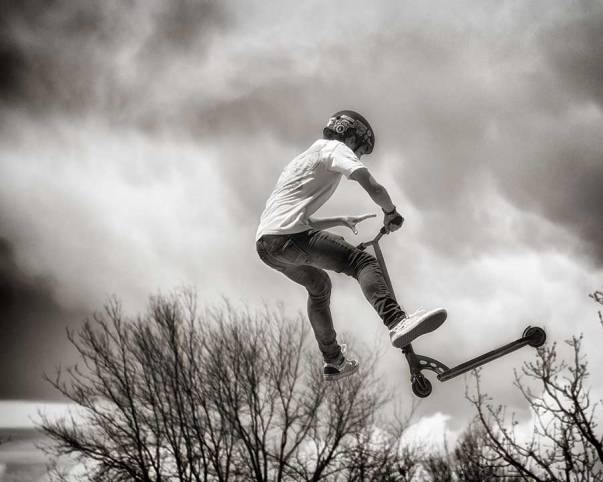
It lends empathy to a viewer as through a shared experience of a toddler’s world within a playground setting or standing before three-feet ocean waves.


This angle is also great when you wish to capture the mood.
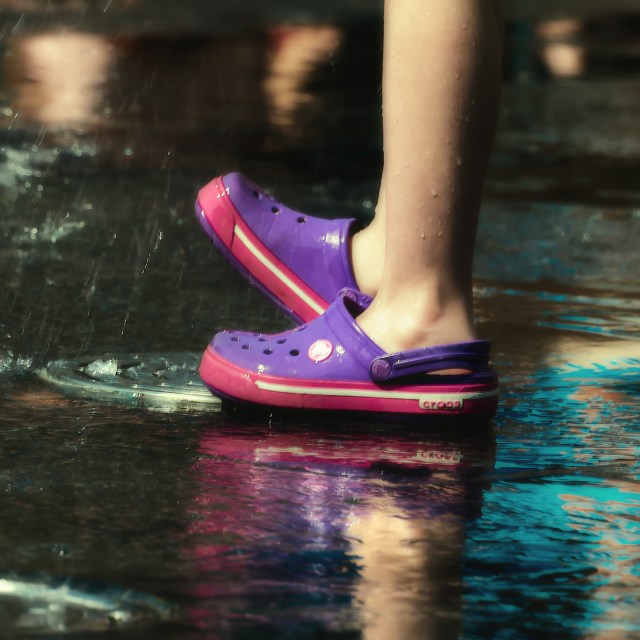
I began this photo study project about 18 weeks ago with an intention to develop, expand, and share my understanding of photography throughout 2018. Regrettably, I am finding that this project is being negatively impacted by some vision difficulties which may require eye surgery within the next couple of months. Consequently, I have decided to reblog some photo educational posts from other bloggers…sorta like using blogs as substitute teachers. I hope you will find them as inspiring and informative as I have.
To close this week’s photo study, please enjoy these two Ted Forbes’ videos on low angle photography.

Looking for curves…Nikon D750 f/7.1 1/80s 35mm 100 ISO
“Photography is a medium where one admires the work done by others…It is great to admire the work of other people, but it’s necessary to have one’s own distinctive style…I would rather be a mediocre photographer than an excellent imitator..the best thing I have ever heard about my work is when someone said, “that is unmistakably a Ralph Gibson photograph…” ~Ralph Gibson
During a taped interview with COOPH, Ralph Gibson shares a koan that was offered to him by Dorothea Lange, “Oh, I see your problem Ralph you have no point of departure.”
To which Ralph replied, “That’s true Dorothea. What is the point of departure?
“Well if you have your camera and you’re going down to the drugstore to buy toothpaste…you have an objective to buy toothpaste…you might then intersect something worth photographing. But if you just walk around the street looking for something to shoot you will never achieve very much.”
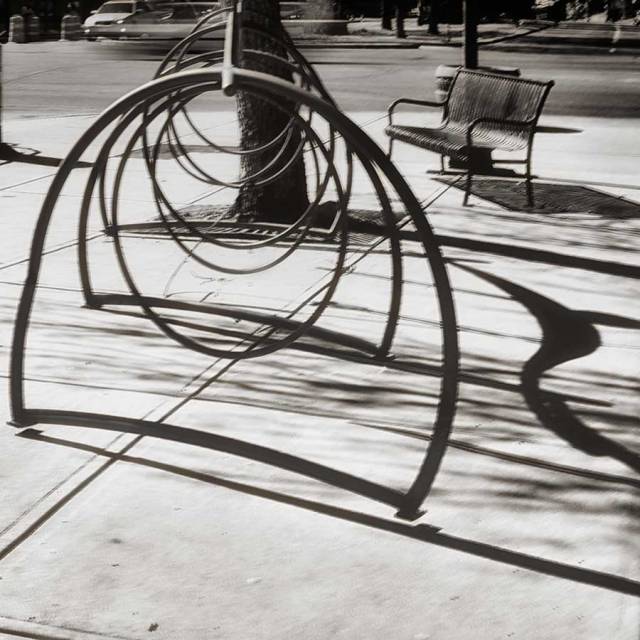
Looking for geometric shapes….Nikon D750 f/7.1 0.4s 24mm 100 ISO
Ralph Gibson has expanded his initial understanding of a point of departure. It guides him to be looking for an unusual point of interest or perspective in an ordinary frame. To help achieve this point of departure, he notes, “Take your camera everywhere with you… If you have your camera in tow, chances are that you might come across a striking frame. But, if you just stand at the corner of a street and wait for something to happen, you will never get a picture.”
“To have a point of departure is not to go out and shoot. It’s to have a project in mind and going out looking for a shot that represents or showcases this emotion or concept that your project is about.” ~Ralph Gibson
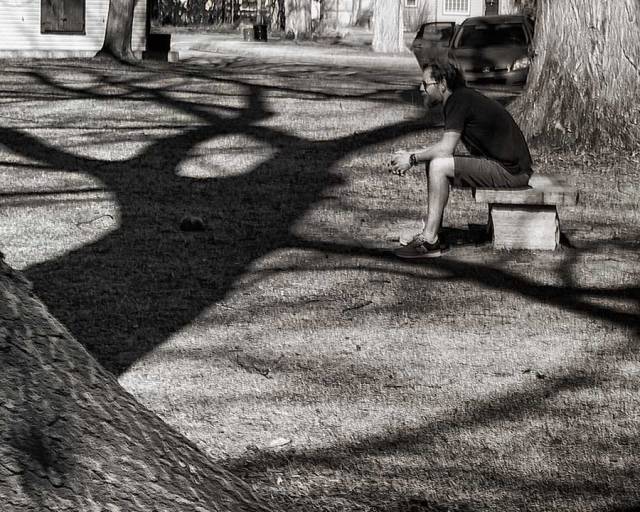
looking for shadows…Nikon D750 f/7.1 1/30s 35mm 100 ISO
“From now on, before I go shoot, I’ll consult internally to focus on one thing I want to capture, and have that point of departure. It’ll give purpose to my work and me being out there. The advantages are that I’ll learn patience, presence and a deeper sense of observation. This is a powerful and deep message…have a point of departure.” ~Ralph Gibson

looking for shadows…Nikon 750 f/7.1 1/15s 35mm 100 ISO
“I have investigated a lot of ideas—I love taking pictures of nothing, of ordinary objects, maybe even just the corner of a room. I love flattening and even reducing things. When I photograph flesh, I like to make it look like a stone. But, when I am photographing a stone, I like to make it look alive. I love re-contextualising the quality of my subjects.”~Ralph Gibson
Why not take a few minutes to wander about a gallery of Ralph Gibson’s work: http://www.ralphgibson.com/gallery.html
As I’ve noted before, I have enjoyed the process of sharing ideas and images. I’m looking forward to reading your thoughts about point of departure.

Nikon D750 f/4 1/8s 35mm 100 ISO
Don’t dye it, don’t pull it out,
let it grow all over your head.
No medicine can stop the whiteness,
the blackness won’t last out the fall.
Lay your head on a quiet pillow, hear the cicadas,
idly incline it to watch the waters flow.
The reason we can’t rise to this broader view of life
is because, white hair, you grieve us so!
~Ch’i-chi (864-937) Translation: Burton Watson
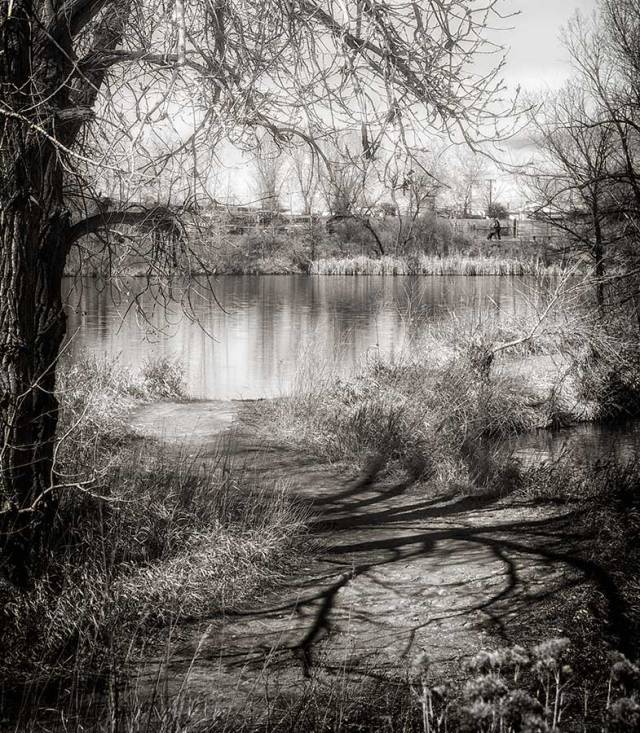
Nikon D750 f/7.1 1/320 44mm 100 ISO (neutral density lens)

Spring Creek Nikon D750 f/2 1/40s 35mm 100 ISO
The foundation of all mindfulness practice is awareness of the breath. There is no mindfulness without awareness of our in-breath and out-breath. Mindful breathing unites the body and mind and helps us to become aware of what is going on inside us and around us. In our daily life, we often forget that mind and body are connected. Our bodies are here but our minds are not. Sometimes we lose ourselves in a book, a film, the internet or an electronic game, and we’re carried off, far away from our body and the reality of where we are. Then, when we lift our head out of the book or look up from the screen, we may be confronted with feelings of anxiety, guilt, fear, or irritation. We rarely go back to our inner peace, to our inner island of calm and clarity, to be in touch with Mother Earth.
We can get so caught up in our plans, fears, agitations, and dreams that we aren’t living in our bodies anymore and we’re not in touch with our real mother, the Earth, either. We can’t see the miraculous beauty and magnificence that our planet offers to us. We are living more and more in the world of our minds and becoming increasingly alienated from the physical world. Returning to our breathing brings body and mind back together and reminds us of the miracle of the present moment. Our planet is rich here, powerful, generous, and supportive at every moment. Once we recognize these qualities in the Earth, we can take refuge in her in our difficult moments, making it easier for us to embrace our fear and suffering and to transform it.
Awareness of the in-breath and out-breath first of all calms us down. By paying attention to your breathing, without judgment, you bring peace back to your body, and release the pain and tension. …
When our minds and bodies have calmed down, we begin to see more clearly. When we see more clearly, we feel more connected to ourselves and to the Earth and we have more understanding. When there is clarity and understanding, love can bloom because true love is based on understanding.
…Each breath contains nitrogen, oxygen, and water vapor as well as other trace elements, so each breath that we inhale contains the Earth. With each breath, we’re reminded that we are part of this beautiful life-giving planet.
~Thich Nhát Hahn, (Love Letter to the Earth)
 Tempo as a composition element within photography is an extension of Ted Forbes’ discussion of rhythm…the beat…the pulse within images. He notes that tempo is the means by which we display speed, movement, as well as the passing of time all within a frozen moment.
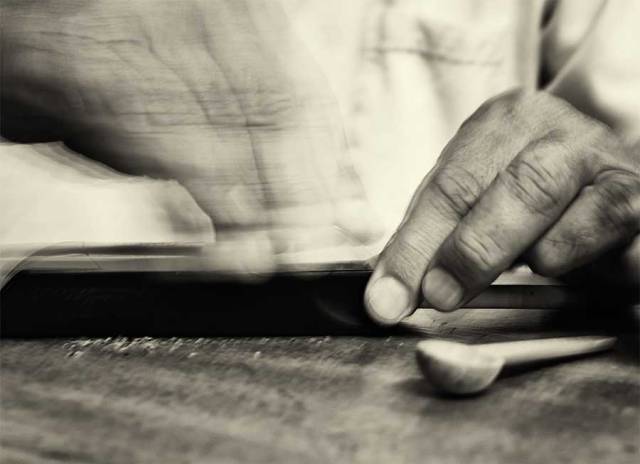
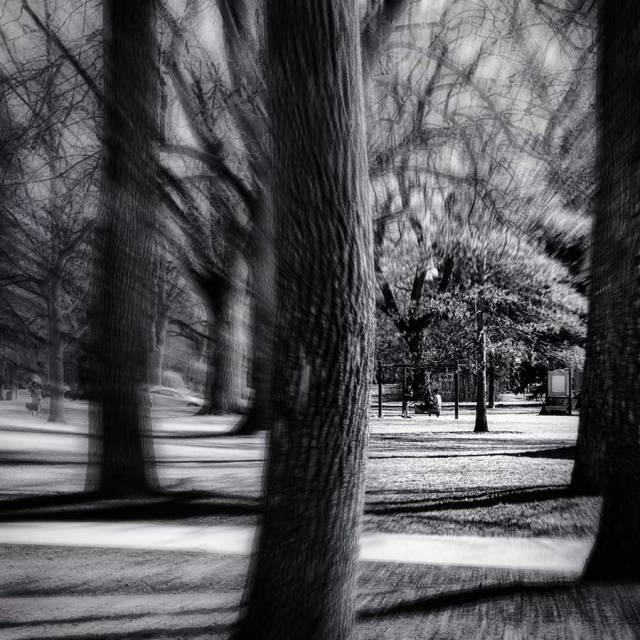

Within the comment section of the YouTube video , Tempo in Visual Composition and Photography, Ted Forbes furthers his discussion by noting that
tempo is different than the ‘rule of xxx’ stuff. Every photo has a tempo—a pace at which the elements relate to one another. This is simply becoming conscious of these relationships and learning how to vary the pace of the images you create.
Speaking of music within composition, here is a blog by Moss and Fog who offers us a video that is “a fascinating experimental film by Marcin Nowrotek [who] combines 3D footage of jazz musicians and 3D animations to create a video that brings amazing depth and physicality to the screen.” Enjoy.
As always, I would love hearing your thoughts and seeing how you understand Ted Forbes’ discussion of tempo within photography.

Nikon D750 f/7.1 1/2s 24mm 100 ISO
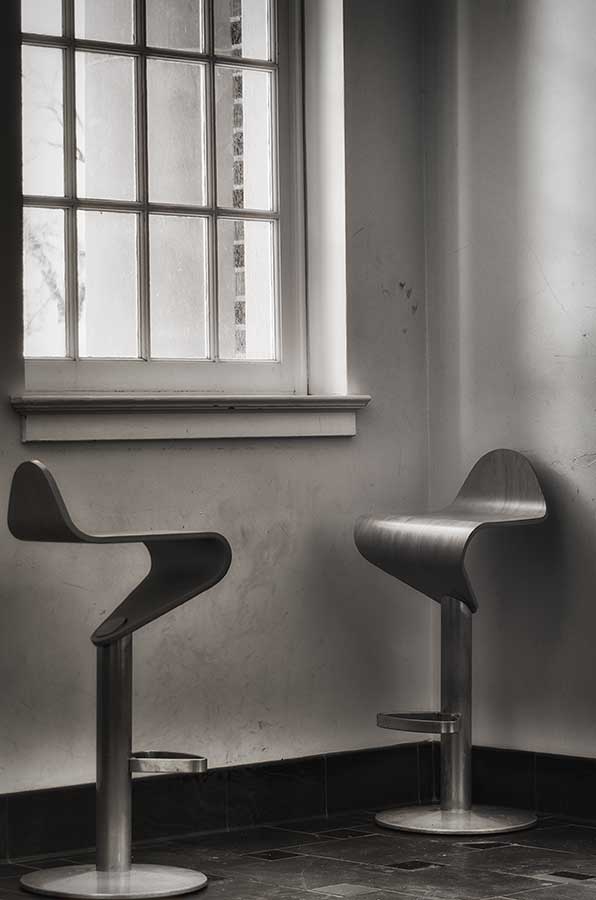
Nikon D750 f/4.8 1/10s 68m 100 ISO
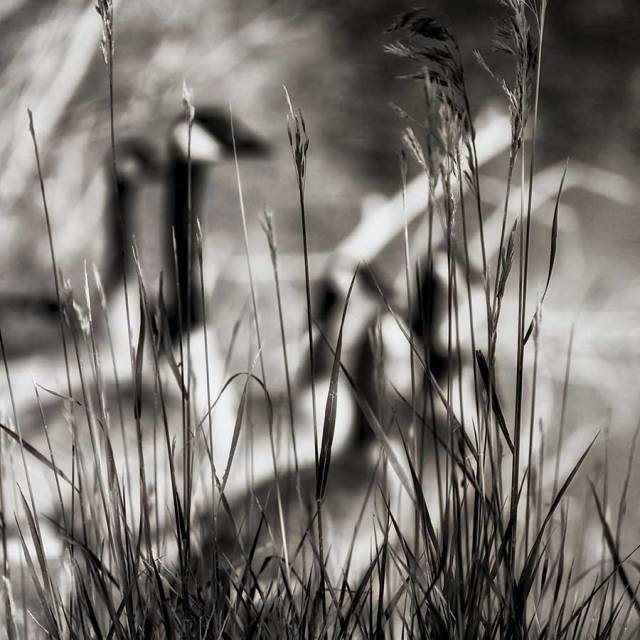
Sony NEX-5N f/6.3 1/500s 210mm
the rhetoric that fills the air…
http://player.theplatform.com/p/7wvmTC/MSNBCEmbeddedOffSite?guid=n_maddow_bhockley_180221

Sony NEX-5N f/6.3 1/400 186m
 a meditative journey
You must be logged in to post a comment.