Fields we saw
blooming with
so many different flowers,
frost-withered now
to a single hue.
~SaigyO (B Watson, Poems of a Mountain Home)

Wyoming Sony NEX-5N f/13 1/800 91mm
Fields we saw
blooming with
so many different flowers,
frost-withered now
to a single hue.
~SaigyO (B Watson, Poems of a Mountain Home)
Wyoming Sony NEX-5N f/13 1/800 91mm

Nikon D750 f/8 1/125 250mm

Imagine the dimension of time as a vertical line. Place yourself in the present on that line with the past above you and the future below you. Establish yourself in time. See all your ancestors that have come before you. The youngest generation of your ancestors is your parents. All of them are above you on this line of time. Then below you, see all your dependents, your children, your grandchildren, and all their future descendants. If you have no children, your descendants are the people you have touched in your life, and all the people they in turn influence.
In you are both your blood ancestors and your spiritual ancestors. You touch the presence of your father and mother in each cell of your body. They are truly in you, along with your grandparents and great-grandparents. Doing this, you realize their continuation. You may have thought that your ancestors no longer existed, but even scientist will say that they are present in you, in your genetic heritage, which is in every cell of your body.

Look into a plum tree. In each plum on the tree there is a pit. That pit contains the plum tree and all previous generations of plum tree. The plum pit contains an eternity of plum trees. Inside the pit is an intelligence and wisdom that knows how to become a plum tree, how to produce branches, leaves, flowers, and plums. It cannot do this on its own. It can only do this because it has received the experience and heritage of so many generations of ancestors. You are the same. ~Thich Nhat Hanh (No Death, No Fear, 137-138)

This posting was created in memory of Dustin, Bob, Elberta, Donna, Chris, Larry, and Margaret who all live on within the lives of my beloved.
in the spring breeze
already casting shadows…
irises
~Issa (www.haikuguy.com_

Nikon D750 f/3.2 1/1,600 40 mm
This week my year-long commitment to study various elements of photography composition introduced me to lines: horizontal, vertical, diagonal, organic, and implied. Ted Forbes (The Art of Photography) wrote that while lines don’t actually exist in nature they are most likely the most basic element of visual composition. He further noted:
Lines serve many purposes in visual composition. They can divide the composition, they can direct the viewers eye, they can define shapes and they can make a statement to the feel or interpretation of the image by the viewer. Line’s speaking to the feel of a composition is extremely important.
horizontal

vertical
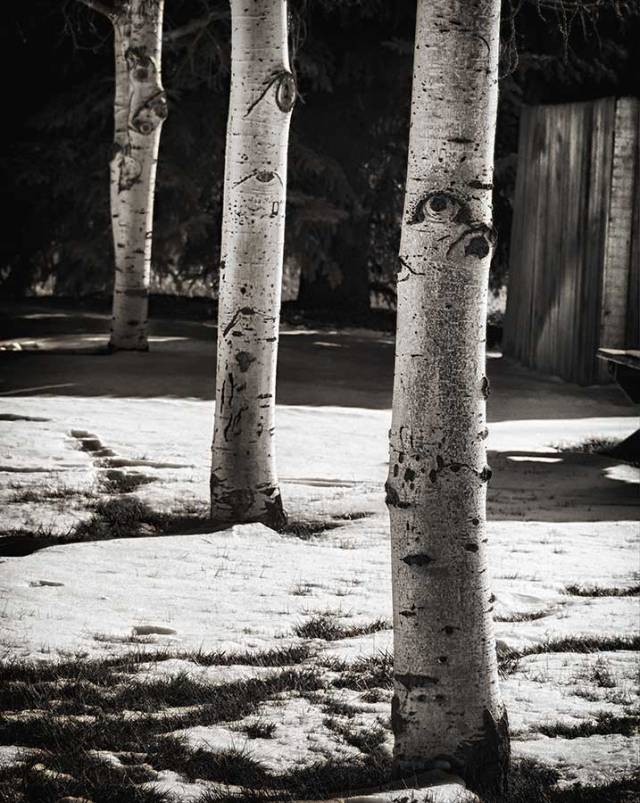
diagonal

organic
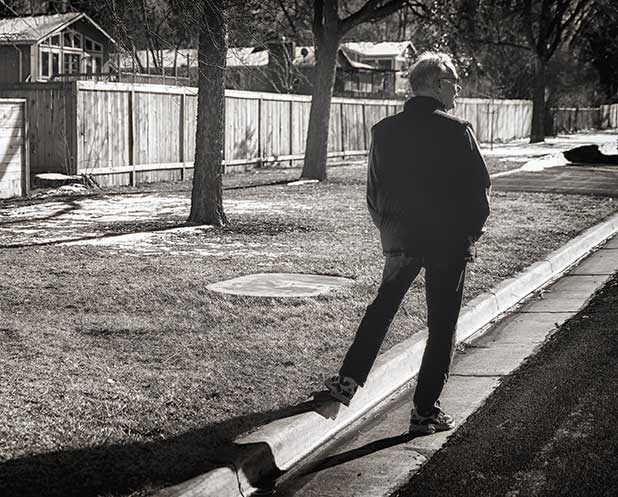
implied
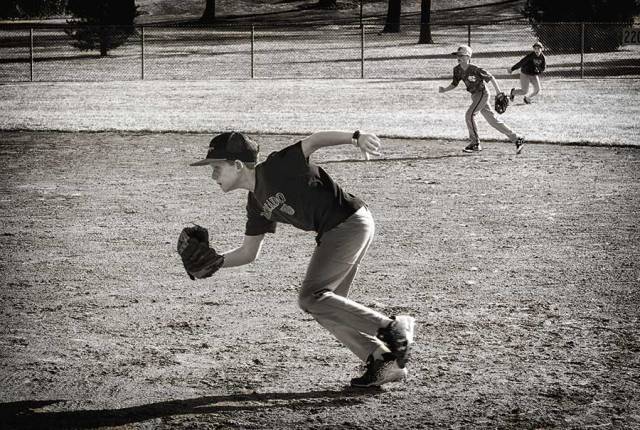
After this week, I am finding myself wondering about leading and curving lines as well finding myself in a bit of muddy water in regards to the differences between lines and shapes. Am I overthinking?
Would love to hear your thoughts and please feel free to join in.
To sum up this week here is Ted Forbes’, Photography Composition: Line.
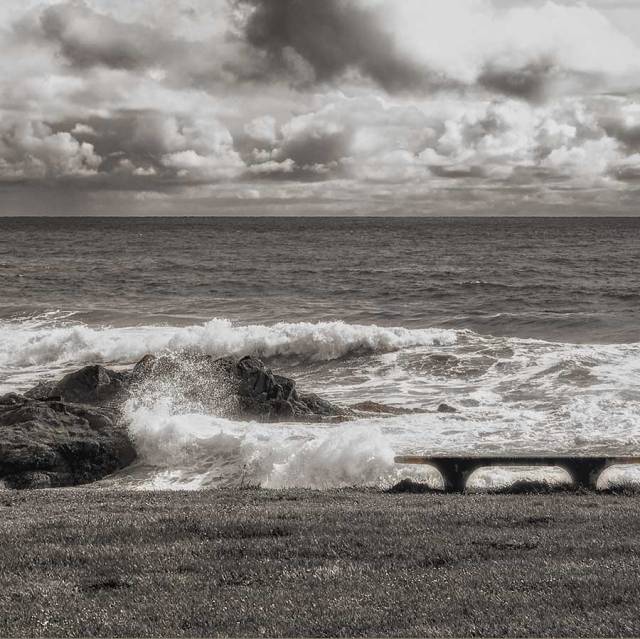
Over the wide sea
As I sail and look around,
It appears to me
That the white waves, far away,
Are the ever shining sky.
~Fujiwara no Tadamichi (1097-1164)
Mr. McGuire: I want to say one word to you. Just one word.
Benjamin: Yes, sir.
Mr. McGuire: Are you listening?
Benjamin: Yes, I am.
Mr. McGuire: Plastics.
Benjamin : Exactly how do you mean?
Mr. McGuire: There’s a great future in plastics.
Think about it. Will you think about it? ~The Graduate
after the geese depart
back to normal…
Sumida River
~Issa (www.haikuguy.com)

Nikon D750 f/5.6 1/230s 300mm

Nikon D750 f/5.6 1/100 62 mm
Sutcliffe rarely left Whitby [a port and resort community on the Yorkshire coast], where his portrait studio kept him busy, and said that he was ‘tethered for the greater part of each year by a chain, at most only a mile or two long.’ To most modern photographers this would seem a crippling restriction, but Sutcliffe gradually realized that it was an asset to him as a photographer since it forced him to concentrate on the transitory effects that could transform familiar scenes. …photographers should always aim for something more than ‘mere postcard records of facts.’ ‘By waiting and watching for accidental effects of fog, sunshine or cloud,’ he advised, ‘it is generally possible to get an original rendering of any place. If we only get what any one can get at any time, our labour is wasted; a mere record of facts should never satisfy us.’
cited: Frank Meadow Sutcliffe, The History of Photography Series, p 8
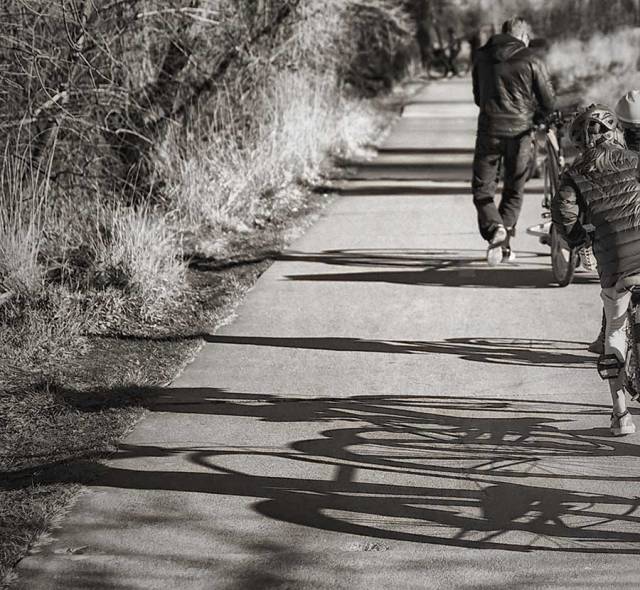
Nikon D750 f/1.8 1/800 35 mm
Someone once shared with me her personal goal of reading one book of child psychology for a week over the course of a year. She then asked, “Would that result in me becoming an expert?”
Off and on over the years, I have found myself pondering this exchange. About three weeks ago, while watching a Ted Forbes YouTube video I wondered, “how would my photography change if I was to “focus” on a particular element of photography each week for a year while also including various past lessons into my images throughout that week?
Well…I’m into my third week of this journey, The first week was exploring focusing techniques; the second, rule of odds; and this week, simplification and negative space.


At this time, it is my intention to review my journey and share a photo video each Saturday. If you wish to join me, I would enjoy hearing and seeing your photo journey.
Simplification and Negative Space (Ted Forbes, The Art of Photography)

Nikon D750 f/7.1 1/500s 122mm ISO 160

Nikon D750 f/7.1 1/250 300 mm ISO 160
 a meditative journey
You must be logged in to post a comment.