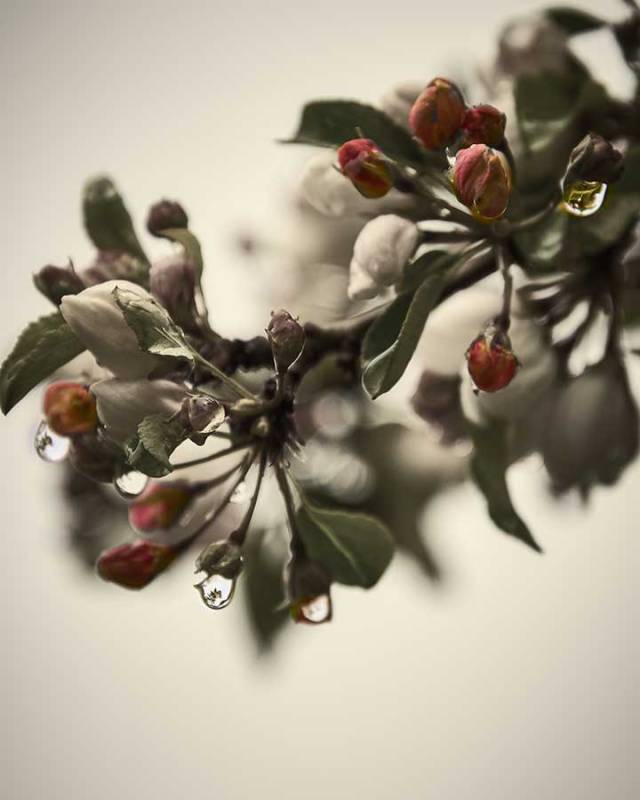
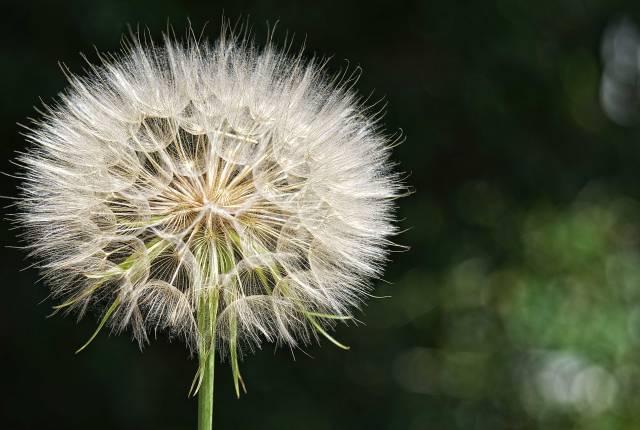
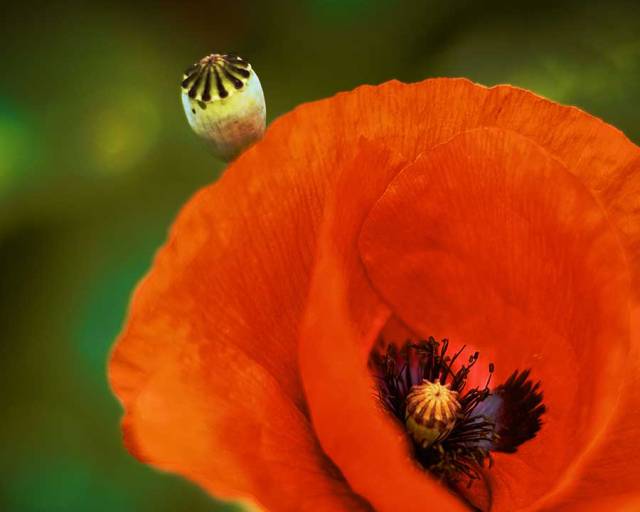
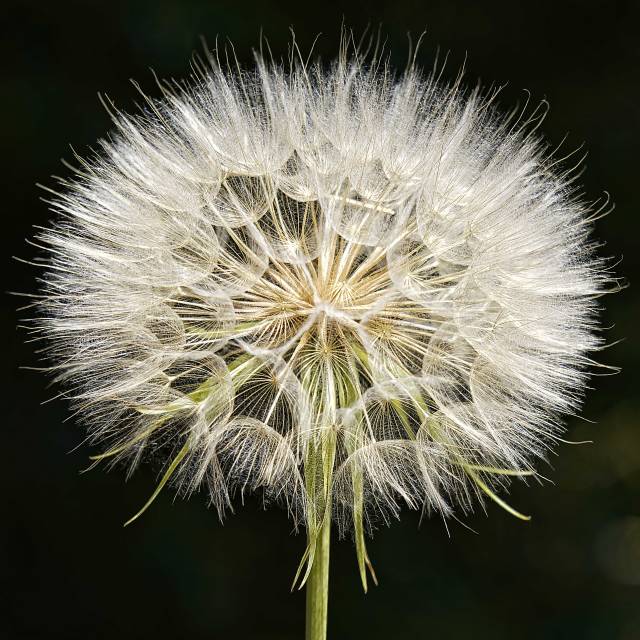
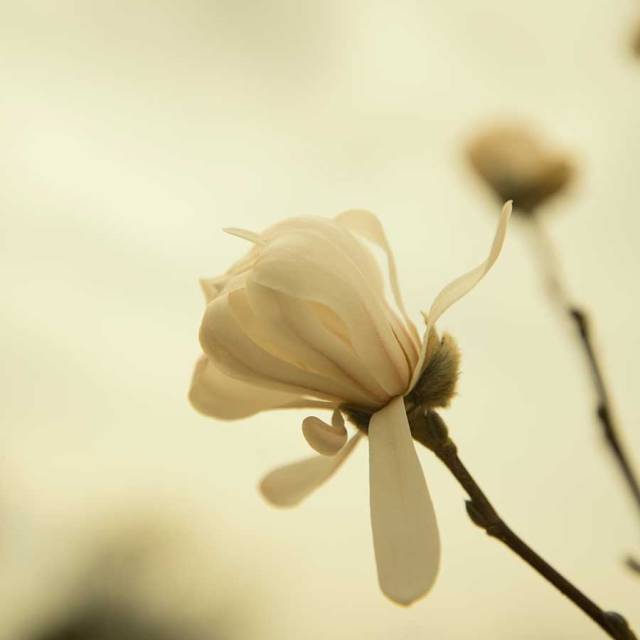
Nikon D750 f/4.5 1/2,000 85mm 800 ISO

Nikon D750 f/4.5 1/2,000 85mm 800 ISO
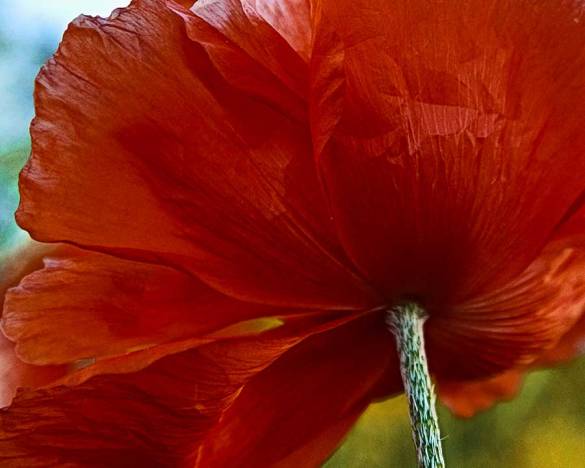
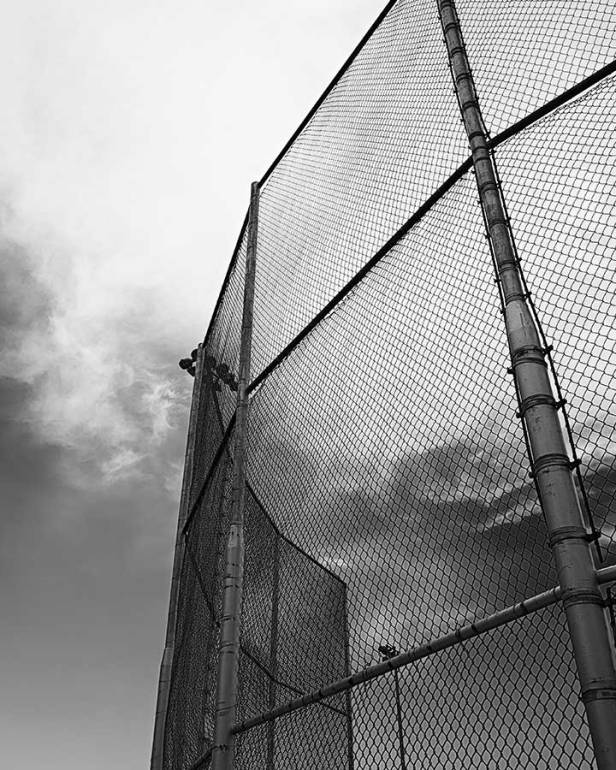
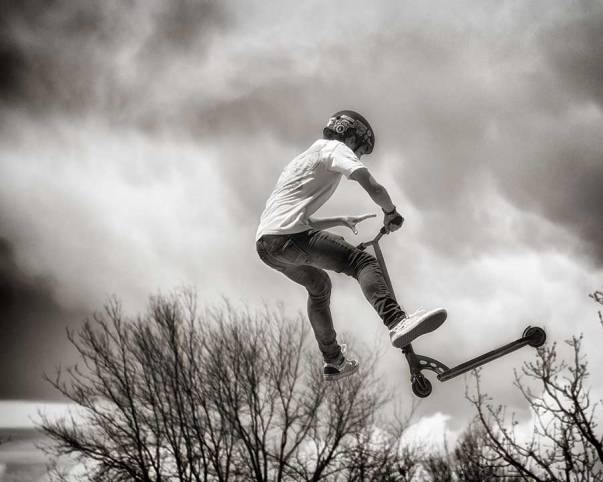
This week’s photo challenge has been inspired by Ted Forbes’ Using Low Angle video. Low-angle composition invites the photographer to create images with different and unique perspectives.
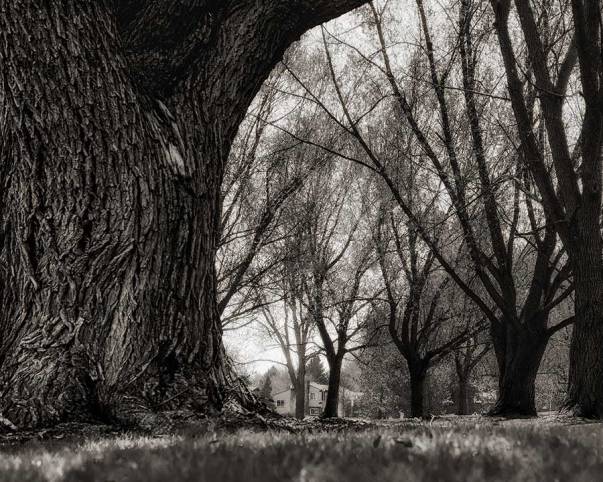
We generally experience our daily lives at eye level and often feel more comfortable photographing at eye level. Low angle photography invites us to look up…to create images from any point below eye level which gives the effect of looking up at an object or person. Also you can go to the extreme and show a worm’s eye view of the world.

A worm’s-eye view is a view of an object from below, as though the observer were a worm; the opposite of a bird’s-eye view. It can be used to look up to something to make an object look tall, strong, and mighty while the viewer feels child-like or powerless. A worm’s eye view commonly uses three-point perspective, with one vanishing point on top, one on the left, and one on the right.

To photograph low angle composition, you will need to crouch, bend, or get down onto the floor. A personal note ― have found that when crouching I need to find a way to brace myself as without there often is a slight tremble which, sigh, results in a blurred image.

A low angle perspective increases the height of the subject.

It creates an image where the subject appears more powerful and dramatic.

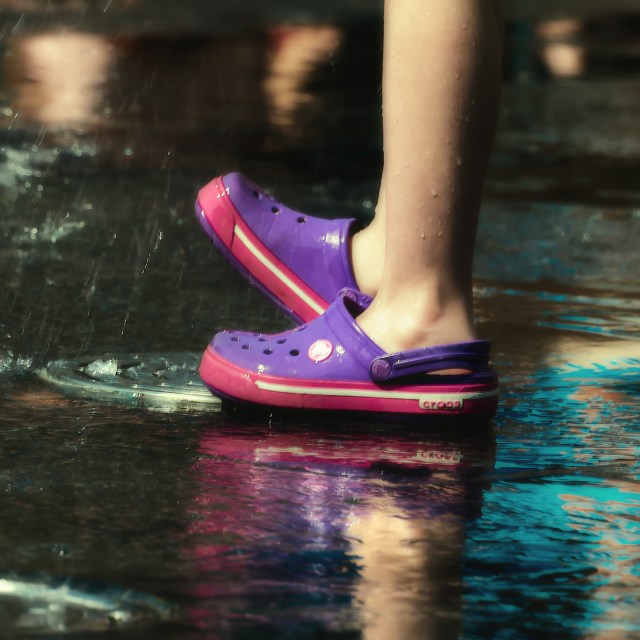
It lends empathy to a viewer as through a shared experience of a toddler’s world within a playground setting or standing before three-feet ocean waves.
This angle is also great when you wish to capture the mood.

I began this photo study project about 18 weeks ago with an intention to develop, expand, and share my understanding of photography throughout 2018. Regrettably, I am finding that this project is being negatively impacted by some vision difficulties which may require eye surgery within the next couple of months. Consequently, I have decided to reblog some photo educational posts from other bloggers…sorta like using blogs as substitute teachers. I hope you will find them as inspiring and informative as I have.
To close this week’s photo study, please enjoy these two Ted Forbes’ videos on low angle photography.
While watching
the long rains falling on this world
my heart, too, fades
with the unseen color
of the spring flowers.
~Ono no Komachi (J Hirshfield & M Aratani, The Ink Dark Moon)

Secretly
I would have you know,
With the mists of spring
Among the haze are
My thoughts of you
~Former Emperor Gosuzak (http://www.wakapoetry.net)

Nikon D750 f/11 1/3,200 52mm 800 ISO
Left behind
to grow old in this world
without you,
the flowers I pick lose their beauty,
dyed with dark ink.
~Izumi Shikibu (J Hirshfield & M Aratani, The Ink Dark Moon)

painting the moon

the bright moon in raindrops
from the eaves…
the geese depart
~Issa (www.haikuguy.com)

Nikon D750 f/4.5 1/1.280 85mm 800 ISO

Nikon D750 f/4.5 1/2,500s 85mm 100 ISO

Photography is an art form and as such need not rely on rules. Yet, it is important for the photographer to keep in mind that the composition rules help create balanced, dynamic, and interesting images that invite a viewer to stay and visit in comfort.
The Rule of Thirds
The rule of thirds is the element of composition that begins with dividing an image into thirds, horizontally and vertically, creating nine imagined sections.

The theory is that if you place your subject in the intersections or along the lines, your image becomes more balanced and will enable the viewer to interact with the story more naturally.
With the rule of thirds in mind, it is recommended that the photographer should compose a photographer by asking,
“what are the points of interest in this shot?”
“where am I intentionally placing them?”

Studies show that the human eye naturally is drawn more to one of the four intersection points than the the center of the image. Yet, sometimes a photographer finds that placing the subject right in the middle of the frame makes for a more interesting composition.
Centering

“Breaking” the rule of thirds opens the door to symmetry, creating balance on both sides of the image as well as the top and bottom.
We find beauty in natural symmetry. A butterfly, for example, has perfect symmetry when it opens its wings. Snowflakes, flowers and seashells also gift us with the beauty of balance.

Depth of field
Scenes that feature a shallow depth of field may also not require rule of thirds placement. That’s because a shallow depth of field creates dimension in a photograph, and our eyes are drawn into images that have dimension. You will look into a shallow background even when you can’t identify what’s there, because your eye automatically wants to move through a scene that seems to have depth and dimension.

Love to hear your thoughts about rule of thirds and see how you use this basic composition tool in your creative endeavors.
I hope you enjoy Saurav Sinha’s discussion about composition.

Nikon D750 f/4.5 1/125 50mm 100 ISO
Clear waters unchanged
in a meadow
I saw once long ago,
will you remember
this face of mine?
~Saigyo (B Watson, Poems of a Mountain Home)

Nikon D750 f/4.5 1/3,200 85mm 800 ISO
You must be logged in to post a comment.