their traveling hats
looking small…
mist
~Issa (www.haiku.guy)

emigrate IIII Nikon D750 f/3.3 1/1,000 40mm
Hop on over to Cee’s Photography to join this week’s black and white photo challenge.

their traveling hats
looking small…
mist
~Issa (www.haiku.guy)
emigrate IIII Nikon D750 f/3.3 1/1,000 40mm
Hop on over to Cee’s Photography to join this week’s black and white photo challenge.
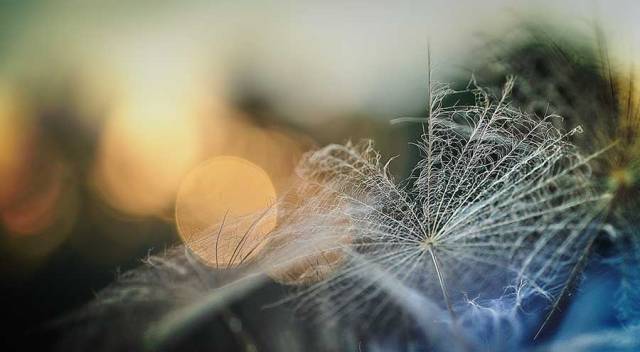
Nikon D750 f/3.2 1/1.250s 40mm
What is in front of my eyes
changes into a scene of the past —
a winter shower!
~Buson (Y Sawa & E Shiffert, Haiku Master Buson)

Nikon D750 f/8 1/1,000 70 mm
in the spring breeze
already casting shadows…
irises
~Issa (www.haikuguy.com_

Nikon D750 f/3.2 1/1,600 40 mm
The wind whistles in the bamboo
and the bamboo dances.
When the wind stops,
the bamboo grows still.
A silver bird
flies over the autumn lake.
When it has passed,
the lake’s surface does not try
to hold on to the image of the bird.
~Poems by Vietnamese Dhyana Master Hai (Ocean of Fragrance)
Cited: Thich Nhat Hanh, The Heart of The Buddha’ Teachings

my hut–
it’s a crooked path
to the New Year’s shelf
~Issa (www.haikuguy.com)

Olden memories
so brisk
in their fading,
this moment soon to follow —
shadows on the snow
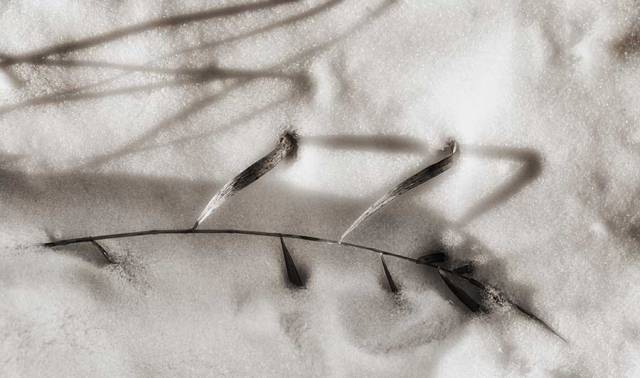
Nikon D750 f/5 1/4,000s 83mm ISO 800
After my initial posting, I found myself motivated to revisit Spring Creek trail with more intention to pay attention to Raj’s (XDrive ) high speed lesson. He noted that this high speeds allows the photographer to freeze motion as it permits “only a fraction of a second for the sensor to ‘see’ the scene” and the sensor “is going to record things at standstill even though they are moving.”

Nikon D750 f/5.6 1/2,000 300mm ISO 800

Nikon D750 f/5.6 1/3,200 300mm ISO 800

Nikon D750 f/5.6 1/3,200 300mm ISO 800

Nikon D750 f/5.6 1/3,200 300mm ISO 800
Thank you Raj…this lesson plan opened up a whole new visual world as well as shed some light into the importance of intention and attitude within the creative process of photography.
The wild geese yet
Are content to stay —
And must you return
~Otomo Oemaru (F Bowers, The Classic Traditions of Haiku)
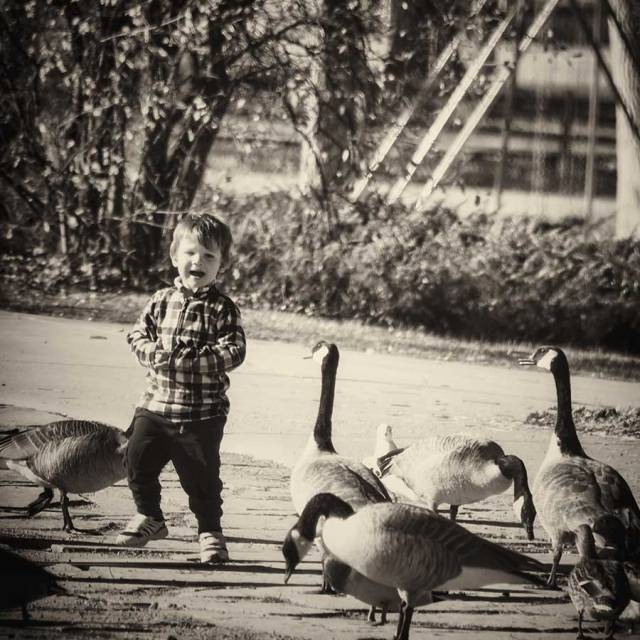
Nikon D750 f/5.6 1/320s 300mm
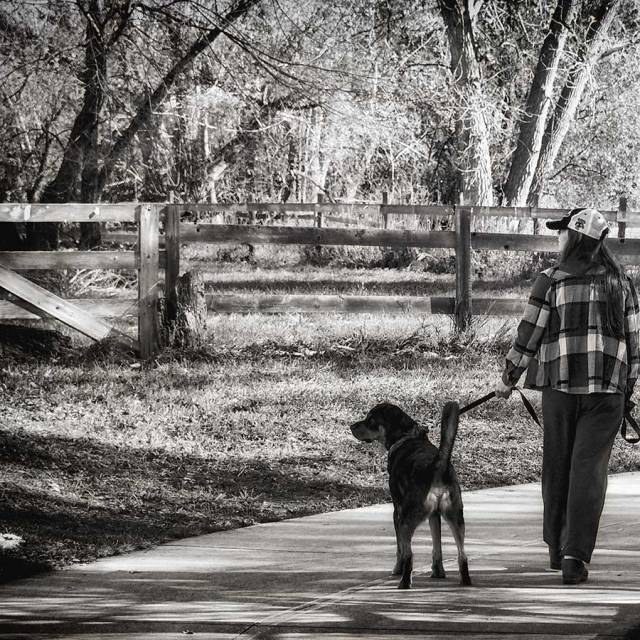
Nikon D750 f/5.6 1/100 62 mm
Sutcliffe rarely left Whitby [a port and resort community on the Yorkshire coast], where his portrait studio kept him busy, and said that he was ‘tethered for the greater part of each year by a chain, at most only a mile or two long.’ To most modern photographers this would seem a crippling restriction, but Sutcliffe gradually realized that it was an asset to him as a photographer since it forced him to concentrate on the transitory effects that could transform familiar scenes. …photographers should always aim for something more than ‘mere postcard records of facts.’ ‘By waiting and watching for accidental effects of fog, sunshine or cloud,’ he advised, ‘it is generally possible to get an original rendering of any place. If we only get what any one can get at any time, our labour is wasted; a mere record of facts should never satisfy us.’
cited: Frank Meadow Sutcliffe, The History of Photography Series, p 8
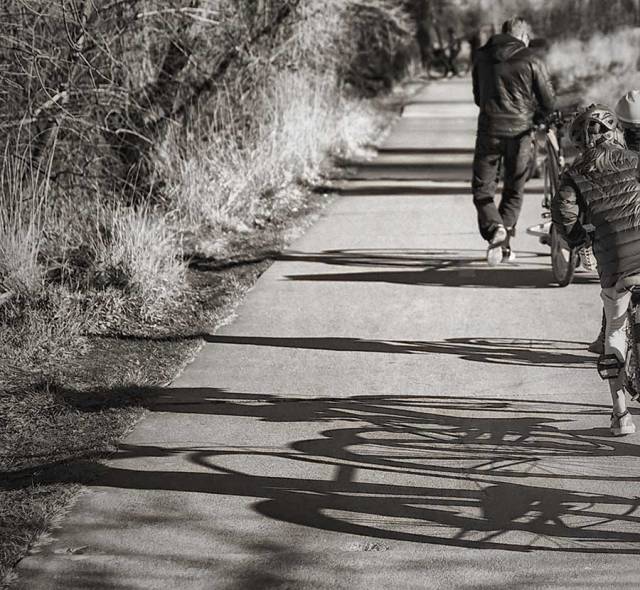
Nikon D750 f/1.8 1/800 35 mm


You must be logged in to post a comment.