Visual Rhythm brings to mind that moment in elementary school during a lecture on diagramming sentences in which I found myself totally confused. It was as if I had missed school for an extended period of time and now being back I am way, way behind the rest of the class…their eyes shining with understanding, their quick responses to questions…expanding the abyss between grammar and I.
Then there were those nightmares where I suddenly found myself wandering the school halls, lost and unable to locate my classroom, no one apparently seeing or hearing me, the anxiety intensifying because there is an exam scheduled on a topic that I had either totally forgot to study or simply couldn’t understand. All of this begs the question, “how does one study what one cannot understand?”
This past week my “focus” on rhythm has had me revisit those school memories of struggling to understand, to perceive, to apply…I have come to equate visual rhythm with English grammar and Mathematical imaginary numbers. And to even muddy my comprehension even more, my research through various websites found variations on this theme:
1) Sae Alumi notes that we always search for rhythm, balance, and harmony in photography and that the effort to master these three will make us more conscious and aid in creating more appealing images.
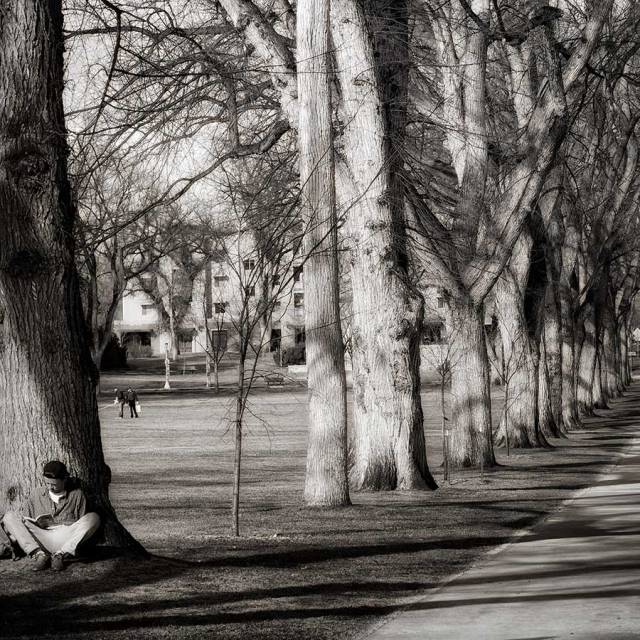
The repetition of forms is easy to find … Everything around us is built out of shapes that are pretty basic and often similar to each other. Look at trees: their forms could be closed in imaginary triangles, rectangles or circles. Start to observe shapes repeating in nature and the city space, within your body. Photograph structures of windows in skyscrapers or lines painted on a road.
2) APN
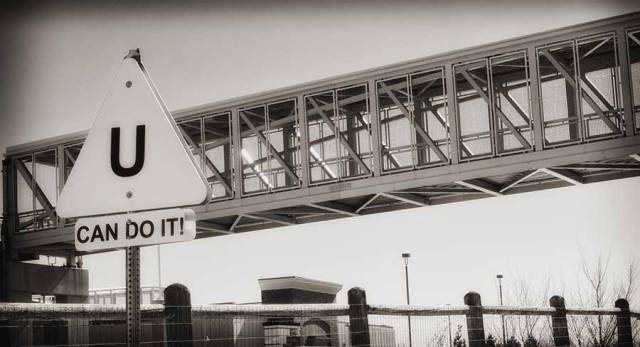
The primary characteristic of rhythm is its predictability and order. For example, day and night and the pattern of seasons are predictable and follow a particular movement along a connected path to exhibit a sense of rhythm. Rhythm is as important in photography as it is in music. Music when not in rhythm can be categorized as noise. But when it attains a timed beat at regular intervals, it turns pleasant to the ears. … Similarly, rhythm in photography renders a pleasant sensation to the eyes.
3. Sophia
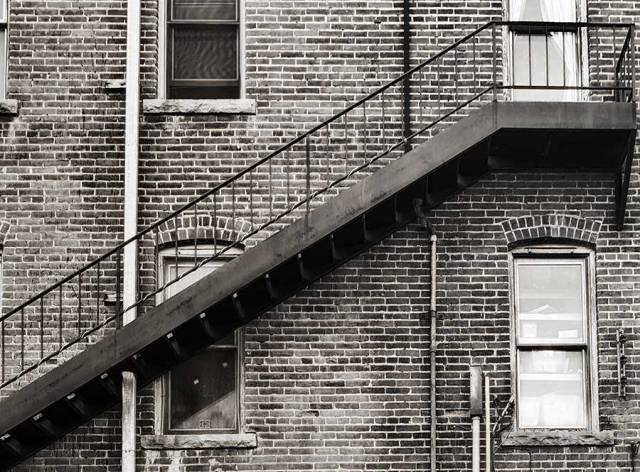
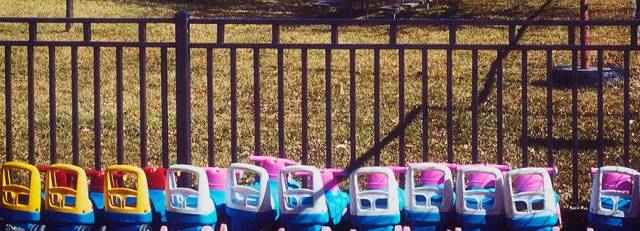
Repetition refers to one object or shape repeated; pattern is a combination of elements or shapes repeated in a recurring and regular arrangement; rhythm is a combination of elements repeated but with variations.
Rhythm is like pattern, in that the same elements (i.e. shape, line) are repeated; however, with rhythm there are slight variations in the pattern. Rhythm is easily perceived but complex and subtle. Think of water on a beach; it continually breaks on the shore in lines that are repeated, yet each one is different.

4. Masteringphoto.com
Rhythm is a repeating pattern through time (in music) or in space (more useful for our purposes). Whether you have a repeating individual element, such as the lines in the sand…or repeating groups such as the rows of magnets… (and remember, our brains will create groups, even if we didn’t intend them to be there), it’s important to think about the energy that this repetition adds to an image. Rhythm can be used to add peace and regularity to an image, and it can also be used to help a subject that interrupts the rhythm stand out
5. Vanseo design
Rhythm is a regular and repeated pattern, usually of sound or movement. …How do we define rhythm visually? As a design principle we can say rhythm is the patterned repetition of elements in space. We place elements on the page and experience the intervals between them. Time enters as our eye moves from one element to the next and through this rhythm in space and time we can create a sense of organized movement similar to a musical beat.
There are a variety of places where you can find rhythm.
• music — patterns of sound over timed intervals
• dance — patterns of movement and gesture through physical space
• speech — patterns of cadence in spoken words
• writing — patterns of cadence written words
• painting — patterns of brush stroke, color, shape, on a canvas
Notice the repetition of the word “patterns” in the list above. Pattern is essential to rhythm. So is repetition. The list above creates a rhythm though repetition. Visually each list item begins with a bullet. The bullet is then followed by a single bolded word, an mdash, and the words “patterns of.” Were I to add another item to the list you would expect it to follow the same predictable pattern.
Notice too, the slight variations created with the length of each line and by the links in a couple of the list items. These variations help break the monotony and add surprise and interest to the rhythm.

To add to this conversation there are different types of rhythm:
regular rhythm
alternating rhythm
flowing rhythm
random rhythm
progressive rhythm
symmetry rhythm
undulating rhythm, and (breaking this repetition)
rhythm sensation
Now I have a clearer understanding as to why, despite my continued efforts, I could never draw random v-shaped birds in my childhood drawings. While I may stumble in my attempts to comprehend rhythm, I have come to understand that all of us are hard wired to see and create patterns.
I would love to hear your thoughts about visual rhythm and to see how you incorporate this composition element within your own photography. Also…does anyone know of an elementary article about visual rhythm?








 Hop on over to Amy’s


 a meditative journey
You must be logged in to post a comment.