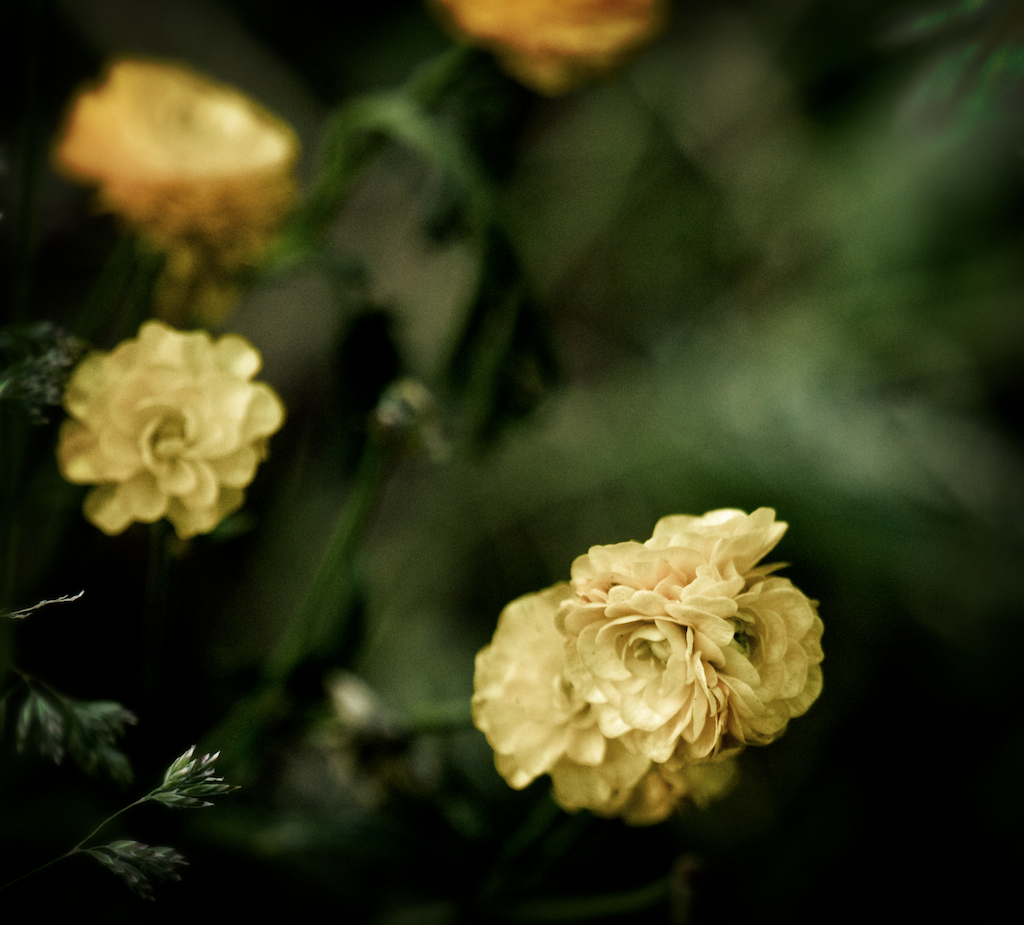
life’s passages … 101

How invisibly

it changes color

in this world,

the flower

of the human heart.

                              ~Ono no Komachi*
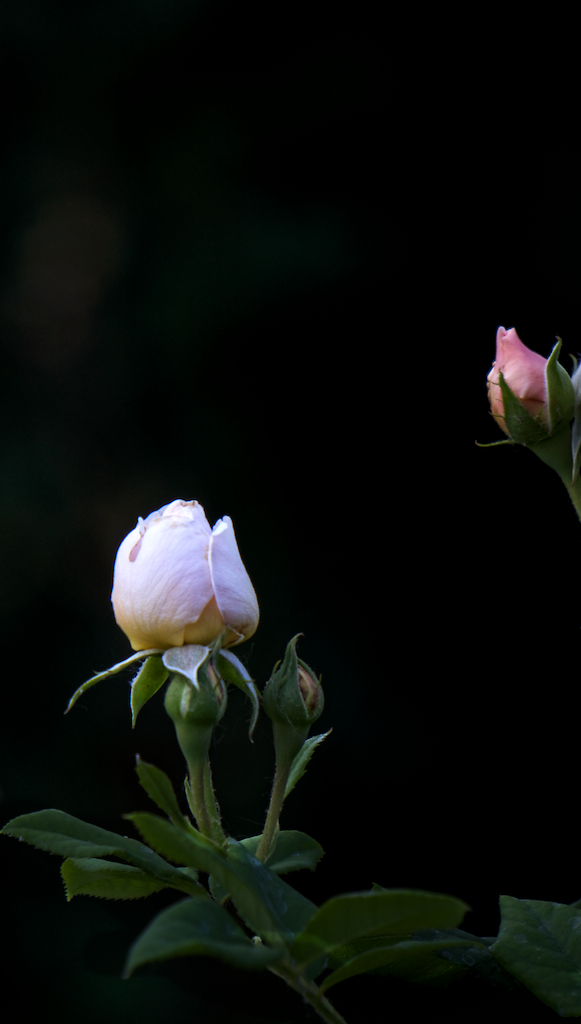
rose


“… our ordinary vision is limited, and…our conventional consensus of reality is not the only version of reality.

The complex multidimensionality of the modern world no doubt contributes to the constructive habit of the mind that, in its attempt to provide meaning, continually rearranges the world to fit individual needs.  The failure to recognize the constructive nature of the mind can be a major obstacle to artistry and creativity.  Conversely, understanding the constructive nature of the mind and reality can lead the way to Great Understanding in the art of photography and in the art of living.” (61)**

cited:

*The Ink Dark Moon

Trans: Jane Hirshfield with Mariko Aratant

**Tao of Photography

Philippe L Gross & S.I. Shapiro
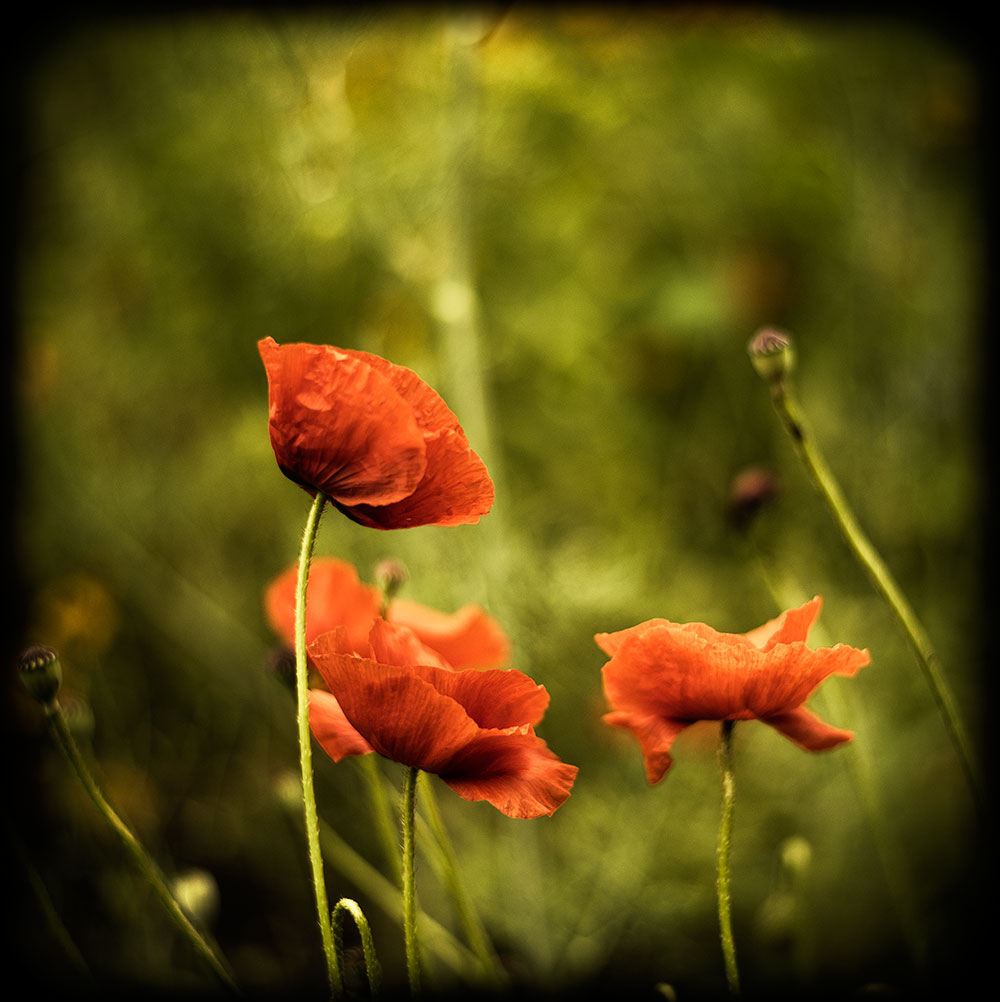
a flower is not a flower

100dayspoppy

Aryeah Kaplan wrote that when one is in a meditative state, one has obtained the ability to turn off faint after-images that are constantly with us and interfere with seeing objects with total clarity. He noted that when one is able “to turn off the spontaneous self-generated images . . . the beauty of the flower . . . seen in these higher states of awareness is indescribable [and] appears to radiate beauty.

~Aryeah, Kaplan, Jewish Meditation: A Practical Guide, p.9

wordless wed

A flower is not a flower.  It is made only of non-flower elements–sunshine, clouds, time, space, earth, minerals, gardeners, and so on. A true flower contains the whole universe. If we return any one of these non-flower elements to its source, there will be no flower. That is why we can say, “A rose is not a rose. That is why it is an authentic rose.” We have to remove our concept of rose if we want to touch the real rose.

~Thich Nhat Hanh, The Heart of the Buddha’s Teaching, p. 129


deconstruction2

…when we hold a rose we see that it is composed of multiple elements, some tangible – leaves, stem, thorns, petals, stamens – and others intangible – scent, color, memories. If you were to remove any of these constituent parts, would you find an entity know as “rose”? As we are unable to find the rose in the absence of any one of these parts, we are also unable to find an enduring solid rose in any one of these elements.

~B Catherine Koeford, A Meditative Journey with Saldage, pp152-153

thursday’s special: deconstruction

deconstruction2

When we hold a rose we see that it is composed of multiple elements, some tangible – leaves, stem, thorns, petals, stamens – and others intangible – scent, color, memories. If you were to deconstruct this flower where would you find the entity know as “rose”?

 submitted in response to Lost in Translation’s challenge.