
abstract photography
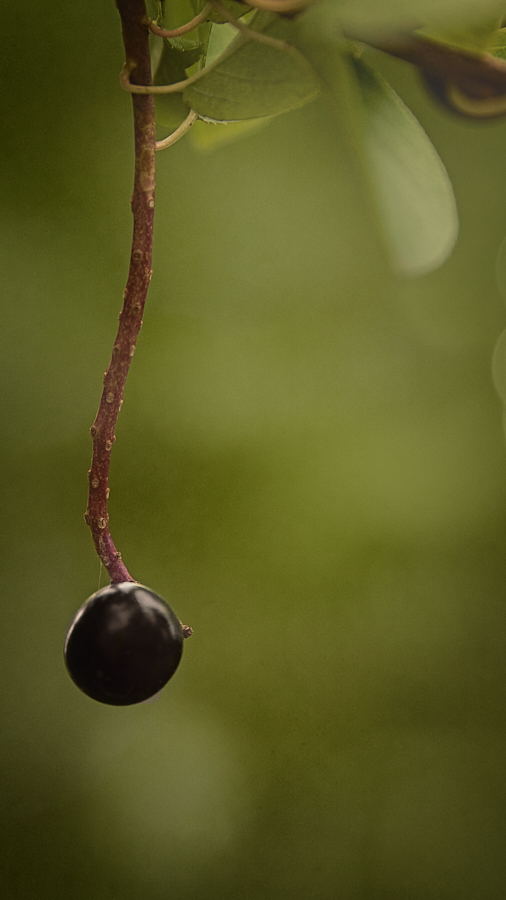
Unable to discern the form of You,
I see Your presence all around.
Filling my eyes with the love of You,
my heart is humbled,
for You are everywhere. ~ (Trans: Priya Hemenway: The Book of Everything Journey of the Heart’s Desire Hakim Sanai’s Walled Garden of Truth)
the children
make it a playground…
burnt field ~Issa (www.haikuguy.com)

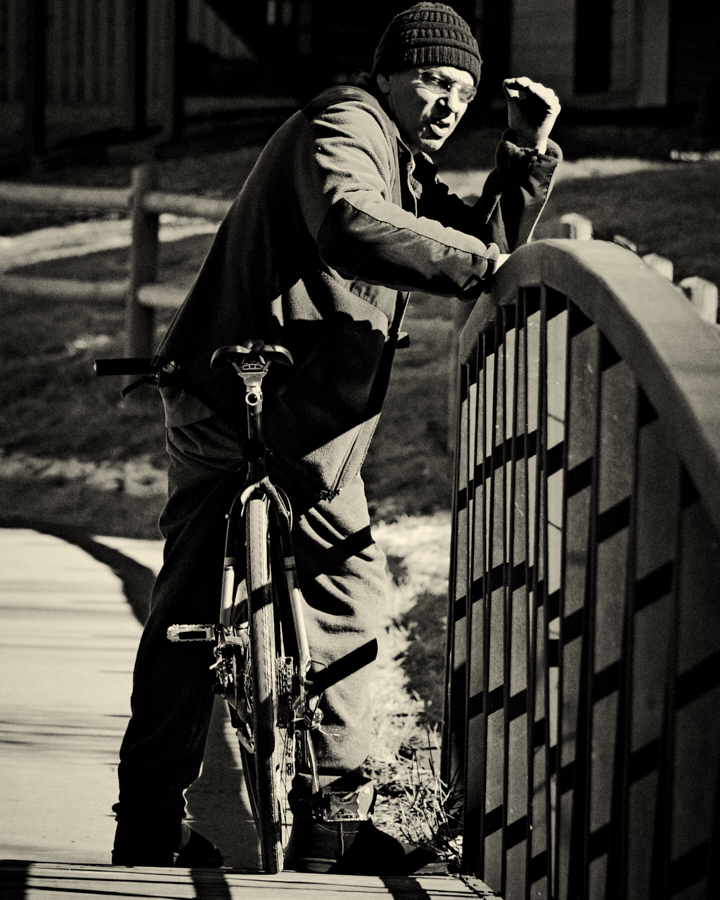

…evoking silent narratives.
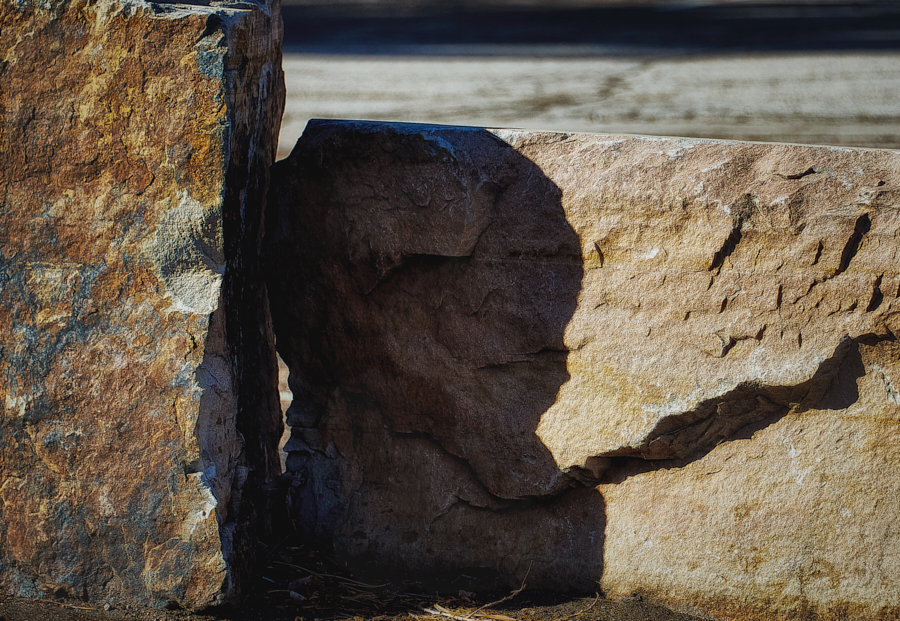
What story does this shadow image awaken in you?
as you wander through my dreams
this aged soul wonders…
do our yesterday’s greet you?
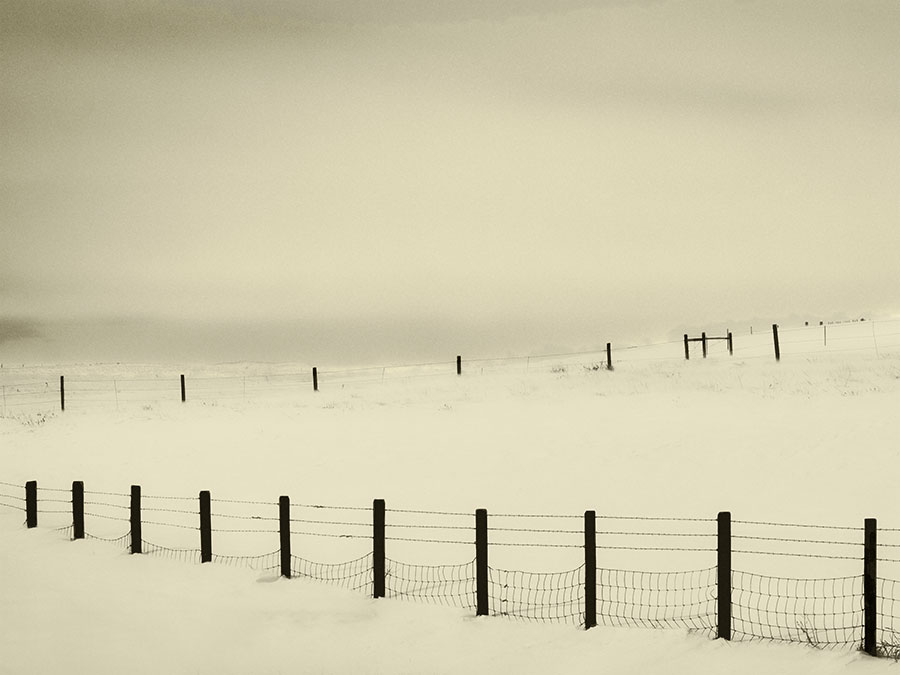

Image submitted for Dogwood Photography’s annual 52-week photography challenge.
Week 5: Composition: Symmetry Landscape (Landscape is one of the most practiced type of photography. Use Symmetry in a Landscape to create a new viewpoint for this week’s image.)
Scattered petals gather on the road,
more colorful than the blossoms on the
branches. ~Hatsui Shizue (K Rexroth & I Atsumi, The Burning Heart)

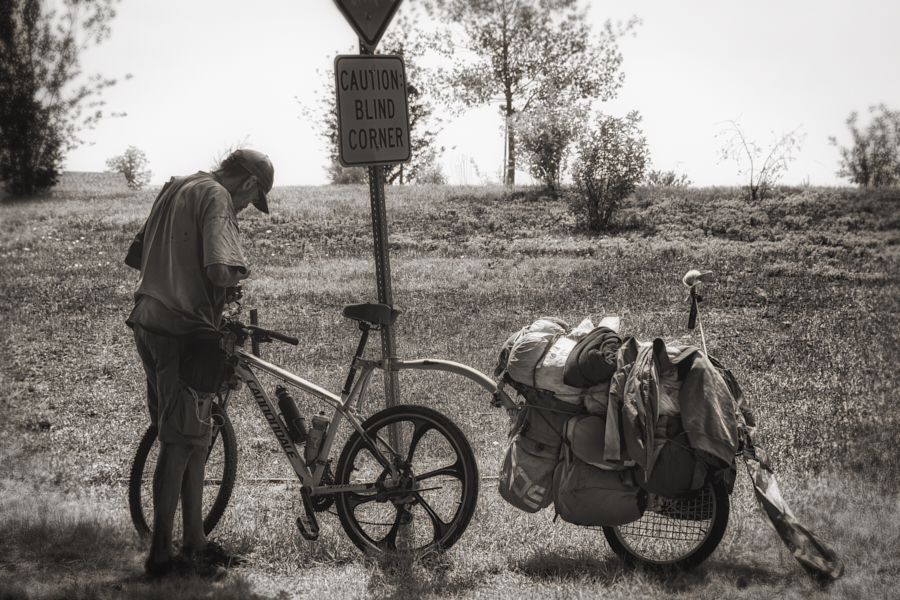
All are lonely,
Yet are you much more than any –
You who still wait?
…If we don’t have journalism, we don’t have democracy. ~Barbie Zelizer, director of Penn’s Center for Media at Risk
The fabric of press freedom in the US has been frayed and weakened by political stigmatisation of journalists and cries of “fake news”, but it risks much greater, and more permanent, damage from other forces, including harassment, detention and criminalisation. (cited: The Guardian The biggest risk to American journalism isn’t posed by Trump)
In the context of this new world order of dramatic political, social, and unparalleled technological change, the role of media has never been more important, and it’s also never been more dangerous…Foreign reporters in war zones, as well as domestic reporters and journalists like me in war zones of our own here at home, are facing angry people and the threats of violence.” (cited: Multichannel Don Lemon: Role of Journalists Vitally Important in Today’s Divisive Political Environment.)
In November 1940, days after the Nazis sealed 450,000 Jews in the Warsaw Ghetto, a secret band of journalists, scholars and community leaders decided to fight back. Led by historian Emanuel Ringelblum and known by the code name Oyneg Shabes, this clandestine group vowed to defeat Nazi lies and propaganda not with guns or fists but with pen and paper. Now, for the first time, their story is told as a feature documentary. Written, produced and directed by Roberta Grossman and executive produced by Nancy Spielberg, Who Will Write Our History mixes the writings of the Oyneg Shabes archive with new interviews, rarely seen footage and stunning dramatizations to transport us inside the Ghetto and the lives of these courageous resistance fighters. They defied their murderous enemy with the ultimate weapon – the truth – and risked everything so that their archive would survive the war, even if they did not.
When, with an awakened heart,
I realize
this world is only a dream,
a child’s smile revives joy.

This world is only a dream…submitted in response to Debbie’s (Travel with Intent) six-word musing challenge.


You must be logged in to post a comment.