the servant’s hair
made white by migrating…
this year too ~Issa (www.haikuguy.com)

the servant’s hair
made white by migrating…
this year too ~Issa (www.haikuguy.com)
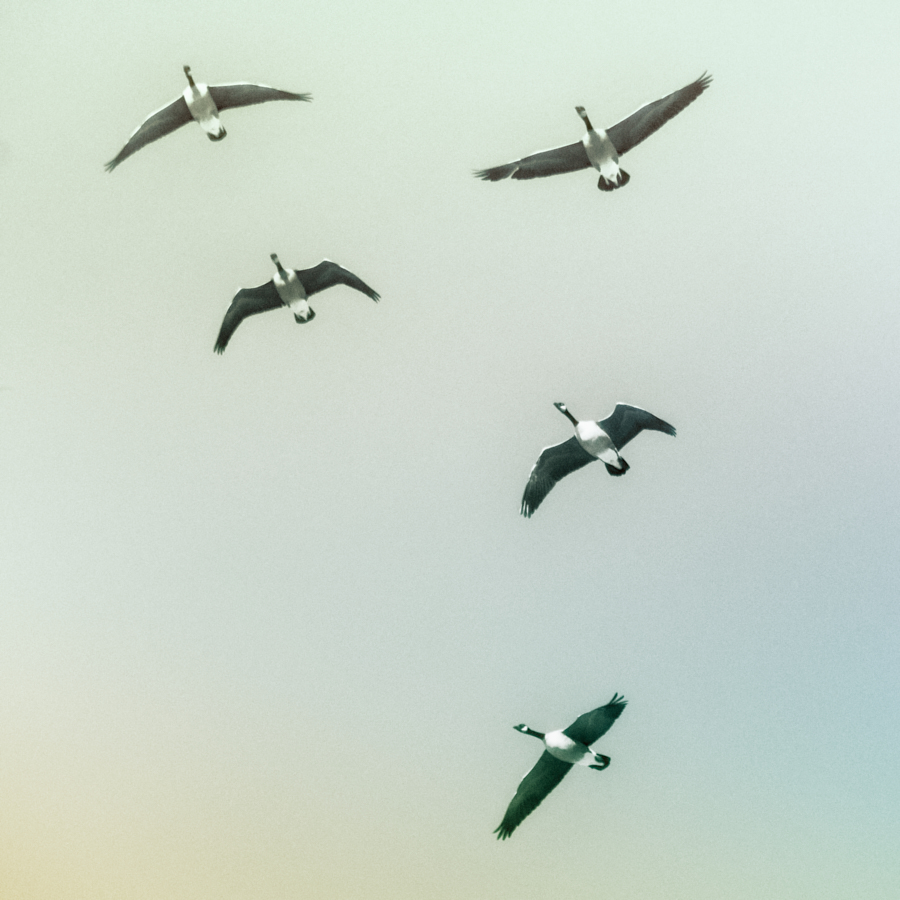
Wild geese —
between their cries, a slice
of silence ~ Katsura Nobuko (M Ueda, Far Beyond the Field)
Katsura Nobuko was born Niwa Nobuko in Osaka, Japan on November 1, 1914. When she was five, she almost died of acute pneumonia. After graduating from Ootemae Girls’ High School, she began writing haiku when the poems in ‘Kikan’ (The flagship) magazine impressed her with their nontraditional style. She subsequently met the magazine’s editor, Hino Soojoo, and became his protege. Her marriage in 1939 changed her family name to Katsura, but her husband died two years later.
Childless, Nobuko returned to her mother’s home. On March 13, 1945, the home caught fire as the American planes bombed Osaka. Unable to put out the fire she gathered her haiku manuscripts before fleeing barefooted. It is said that when she was reunited with her mother, her mother – weeping – said, “You are safe — that’s all I care.” The rescued manuscripts were later published in her first volume, ‘Gekkoo shoo (Beams of the moon 1949).
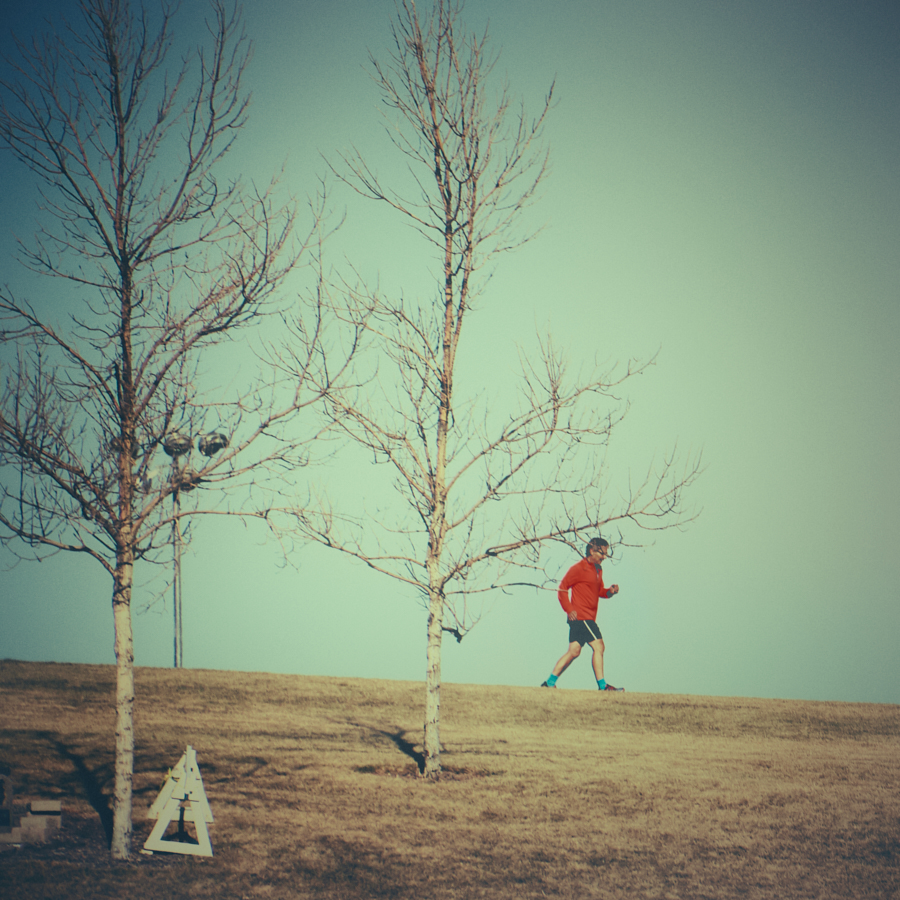
contemplating snow clouds —
whitened landscape, I am part
of the winter scene ~bckofford
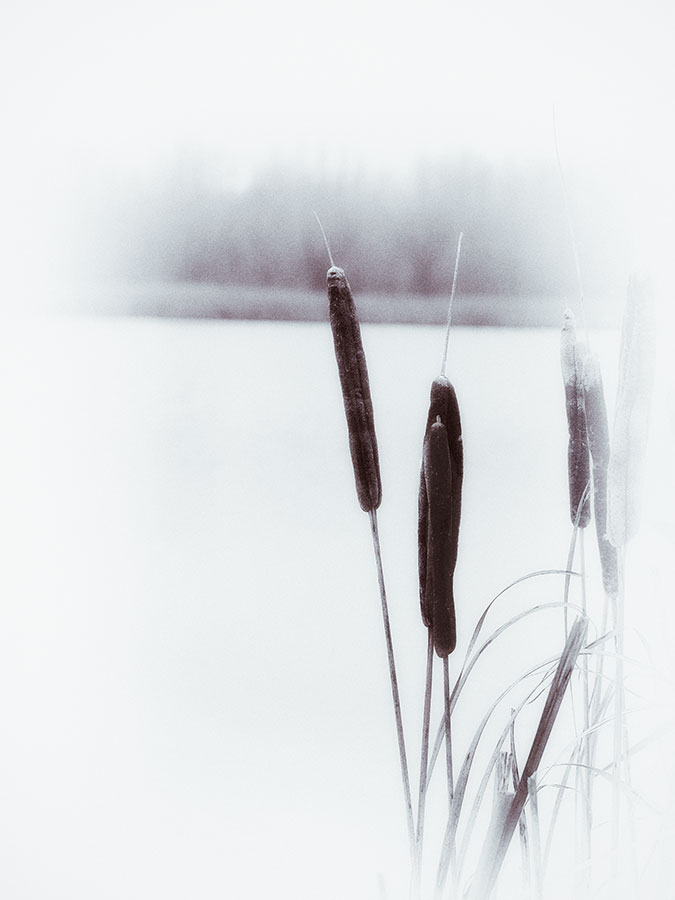

Nikon D750 f/7.1 1/400s 85mm 140 ISO
Over the wintry
forest, winds howl in rage
with no leaves to blow ~Soseki Natsume
Natsume Soseki (夏目 漱石 in Japanese; February 9, 1867 – December 9, 1916) was the pen name of Natsume Kinnosuke (夏目金之助), one of the foremost Japanese novelists of the Meiji Era. Soseki, along with Mori Ogai, is considered one of the two greatest early modern Japanese writers… The alienation of modern humanity, the search for morality and the difficulty of communication were common themes throughout Soseki’s works. From 1984 until 2004, his portrait appeared on the front of the Japanese 1,000-yen note.
Natsume Kinnosuke was born on February 9, 1867, just one year and a half before the start of the Meiji Reformation, in Edo (modern-day Tokyo). His father, Naokatsu, was the hereditary chief of a small town in Edo. When Natsume was born, Naokatsu was fifty years old, his wife Chie was forty-one, and they had five sons and three daughters. Bearing a child late in life, in those days, was regarded as “the shame of woman.” Chie was ashamed to have a child at her advanced age and, as the last baby of many children, Natsume was placed in a foster home at either a second-hand store or a vegetable shop. Kinnosuke’s elder sister found that he was being kept in the shop until late at night (the shop was probably kept open until midnight), confined in a bamboo cage beside the merchandise. Unable to look on in silence any longer, she brought him home.
When Natsume Kinnosuke was one year old, his parents foisted him off again, this time on a former household servant, Shiobara Masanosuke, and his wife. Natsume began his life as an unwanted child. Although he was brought up indulgently until the age of nine, Shiobara Masanosuke and his wife eventually separated and Natsume was returned to his family home. He was welcomed by his mother, but his father regarded him as a nuisance. When he was fourteen, his mother died. The solitude and defiance that he exhibited later in life came not only from his character, but from the surroundings in which he grew up. After his return home, he was required to call his parents “grandparents.” …
cited: http://www.newworldencyclopedia.org/entry/Natsume_Soseki

Nikon D750 f/7.1 1/400s 85mm 1250 ISO
“Why should you care so much for Christminster?” she said, pensively. “Christminster cares nothing for you, poor dear!”
“Well, I do; I can’t help it. I love the place–although I know how it hates all men like me–the so-called Self-taught–how it scorns our labored acquisitions, when it should be the first to respect them; how it sneers at our false quantities and mispronunciations, when it should say, I see you want help, my poor friend!. . . Nevertheless, it is the centre of the universe to me, because of my early dream: and nothing can alter it. Perhaps it will soon wake up, and be generous. I pray so! . . . I should like to go back to live there–perhaps to die there! … ~Thomas Hardy (Jude the Obscure)
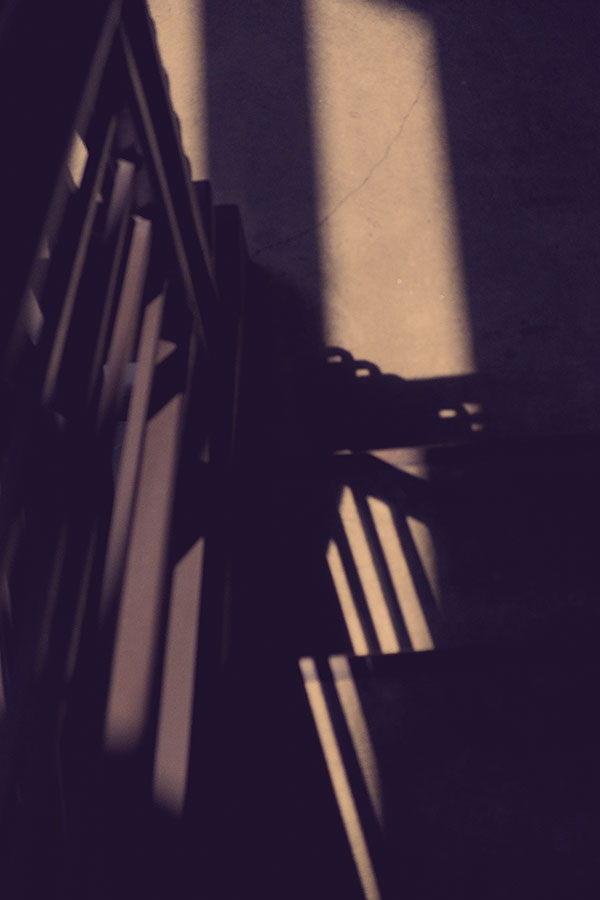
Olden memories
so brisk
in their fading,
this moment soon to follow —
shadows on the snow ~bckofford


Thank you for joining me as I wandered through the photographs posted on this blog throughout 2018 and shared the contemplations that accompanied them.
May each of your steps throughout the new year be accompanied with love-filled companions and joyous moments.
October is my Memorial Day extended to 30 days. In truth this time of remembered grief and loss ebbs and flows throughout each day of each year. The intensity of these emotional tides are at the mercy of a lunar moon that has a cycle that begins to tug at my heart in September and slowly releases me in February. It is October, the high tide, the felt-sense zenith of grief.
The continuation of contemplative photography through October was a means to be with the world as it is…and not as I so wish it would be.
the path is hidden by Dharma,
invisible, yet…
memories of you lead me onward.


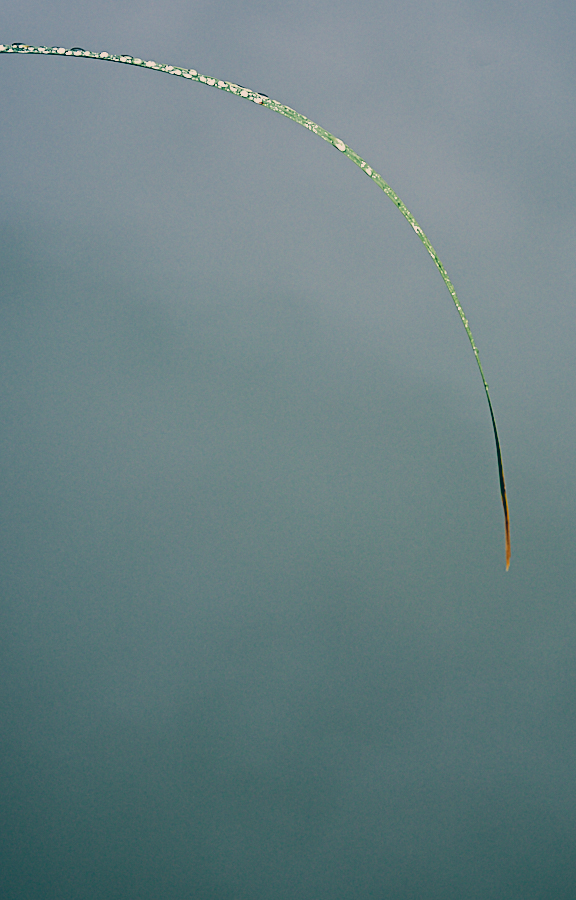

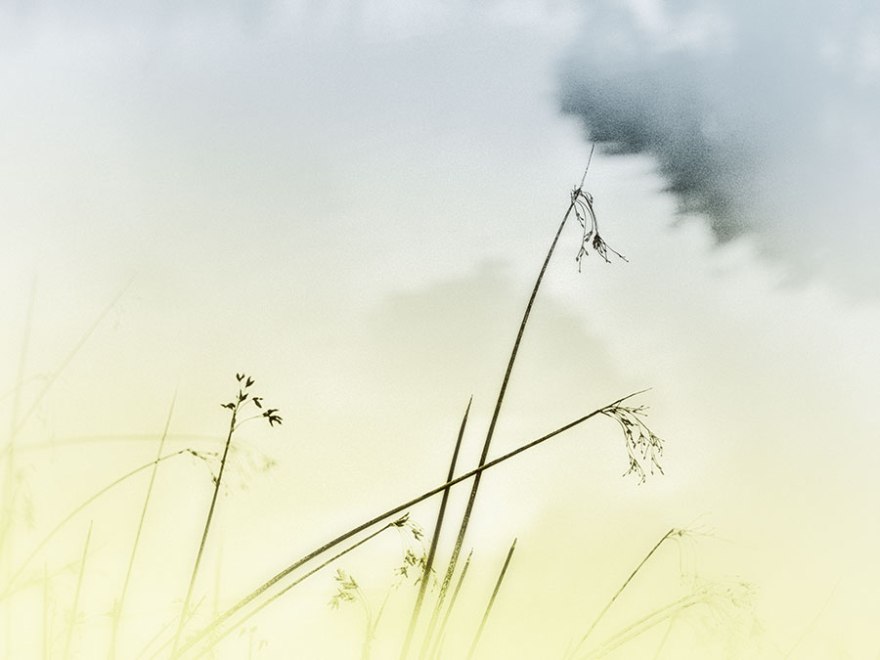


Even into the mind always clouded with grief,
There is cast the reflection of the bright moon ~The Sarashina Diary (Diaries of Court Ladies of Old Japan)
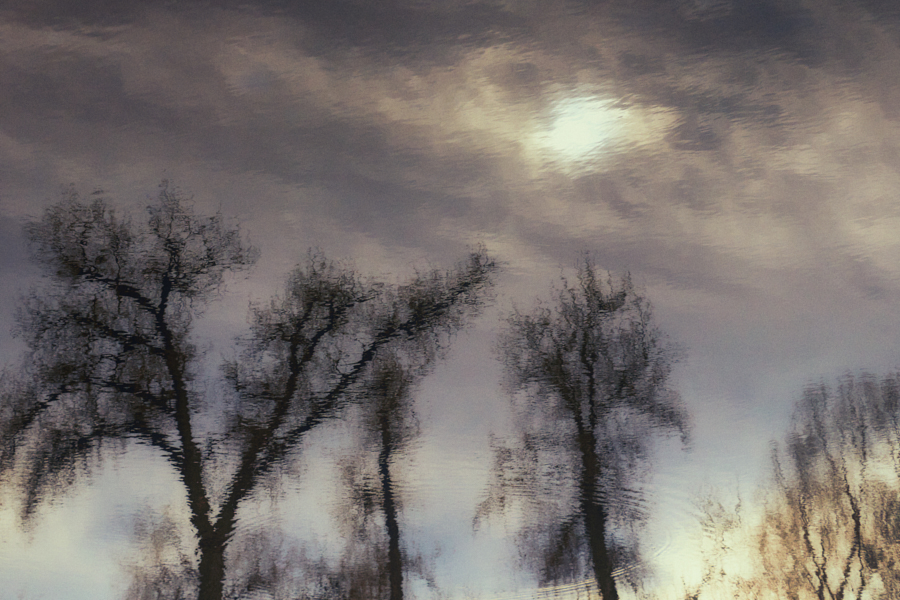
image submitted in response to Patti’s lens-artists photo challenge: reflections
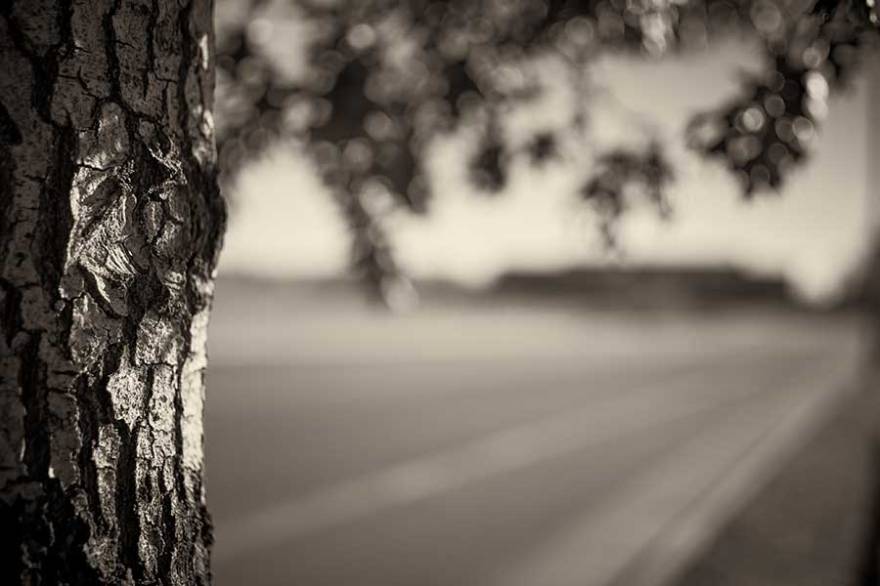
A life review, a year review, an anniversary review, a retirement review, or a graduation review invites us to reflect upon memories and begin a private process of shifting through remembered moments as if they were grains of time in which we place into value-laden categories that generally fall into piles of “good”, “bad”, or “indifferent.” This is the ground work for the emergence of future plans, goals, and yearly resolutions.


Photography, through its visual recording of time, offers a quasi-concrete way of revisiting our yesterdays. It is the coming together of aged and blurry photographs and shared family stories that have formulated and validated the pre-memories of my childhood self beyond my birth certificate and my parent’s marriage certificate. As an aside, I have wondered about the impact cherished family photos have on remembered and shared childhood memories especially in contrast to the time before photography when family stories, diaries, paintings, drawings, songs, biblical records, and cemeteries were memory keepsakes.


At this time, I thought it would be interesting to do twelve photo review blogs of the images created during 2018 as part of the aphotostudy project I began last January. I would love to have you join me and share the photographs that highlight your blogging journey through 2018.
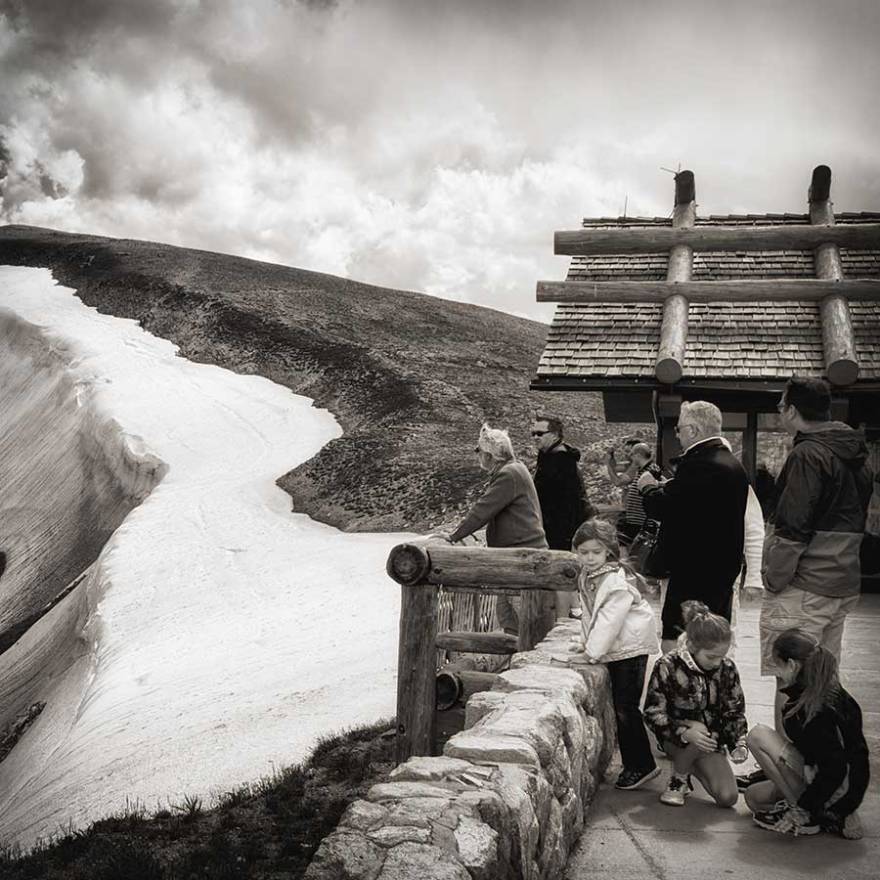
Also, as this year fades into memory and opens a door to 2019, I wish to express my gratitude for all of you who shared your creative endeavors, knowledge, and thoughts throughout the year. May each step you take throughout the coming days be accompanied by love, joy, and peace.
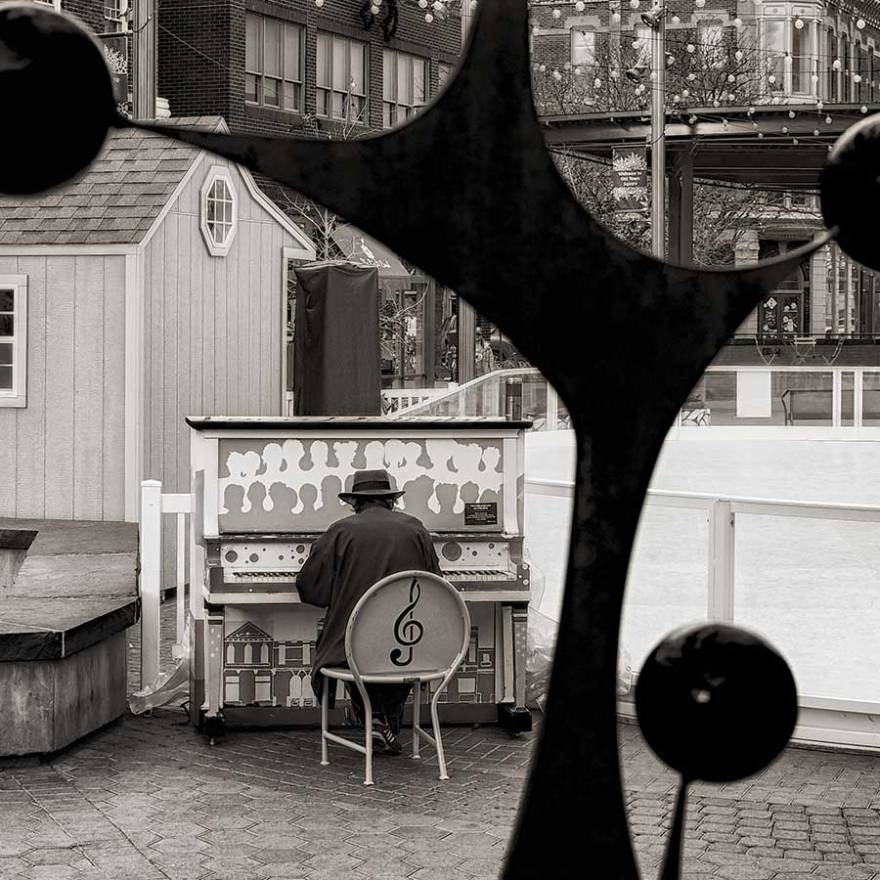

Ted Forbes brings his Master Class Live series to a close by identifying a number of important reminders for amateur and professional photographers:
photographs come from your mind, your talent, your skill level, your experience, your sense of creativity….
…what you are as a photographer is a sum of all your experiences and everything you have done up to this point comprises your skill level.
…the camera doesn’t make images you do
Developing your style as a photographer is:
…an ongoing process…this is something that you get better and better and better and better at, and I think, hopefully, one day you get really good at but it never stops….
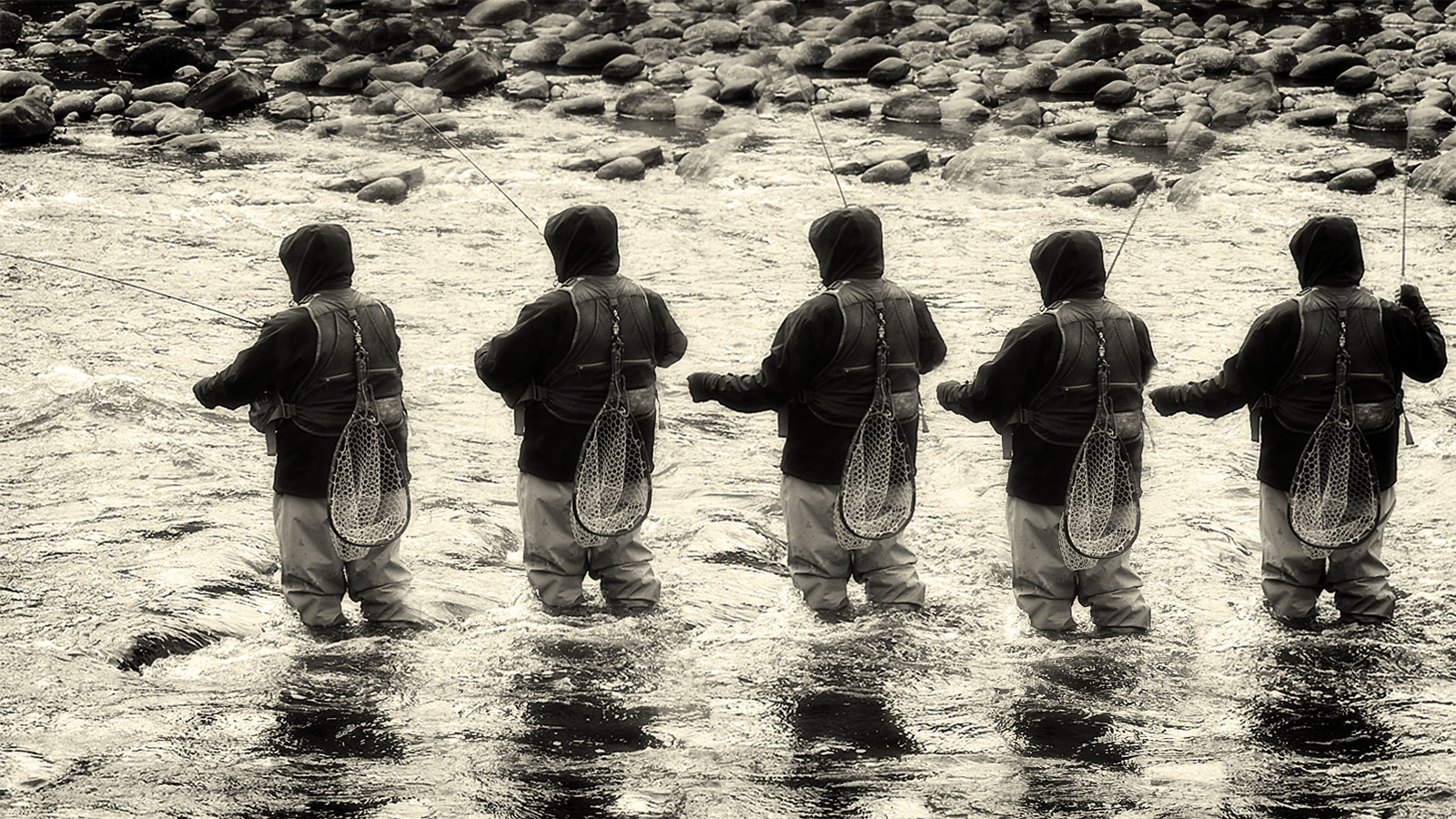
Exercise 1: tell a story without words
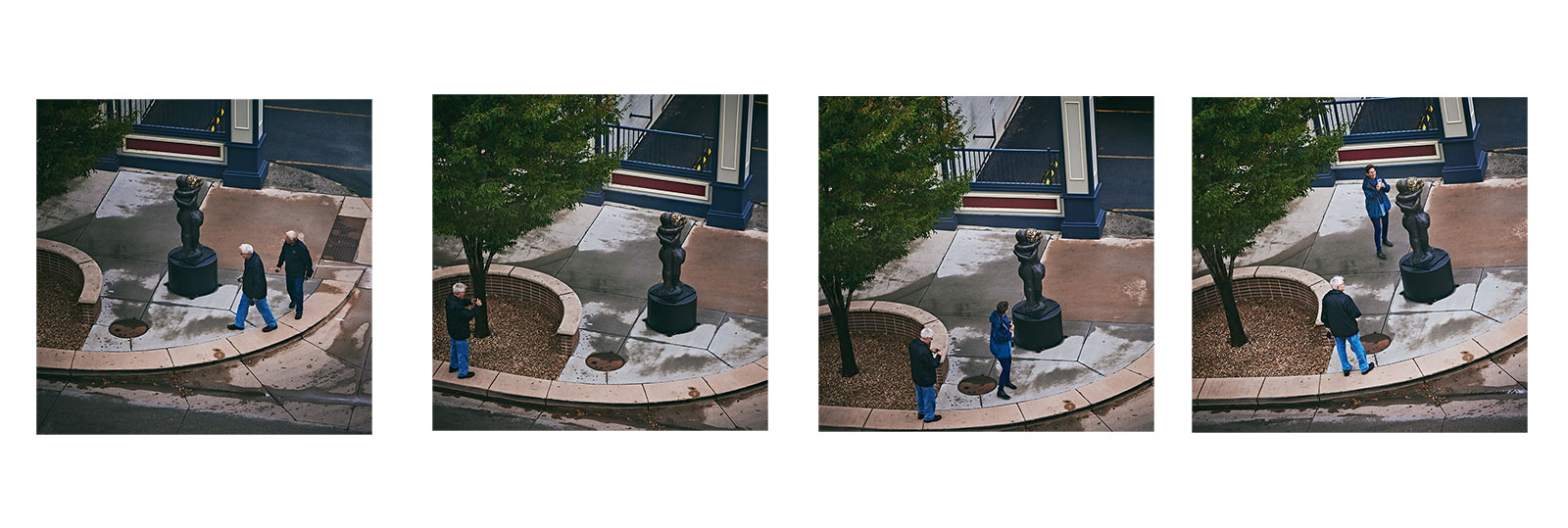 The absolute goal of this exercise is to tell a story with one image that interacts with a viewer and evokes an emotional response, a reaction, or a change in perspective, thought, or understanding.
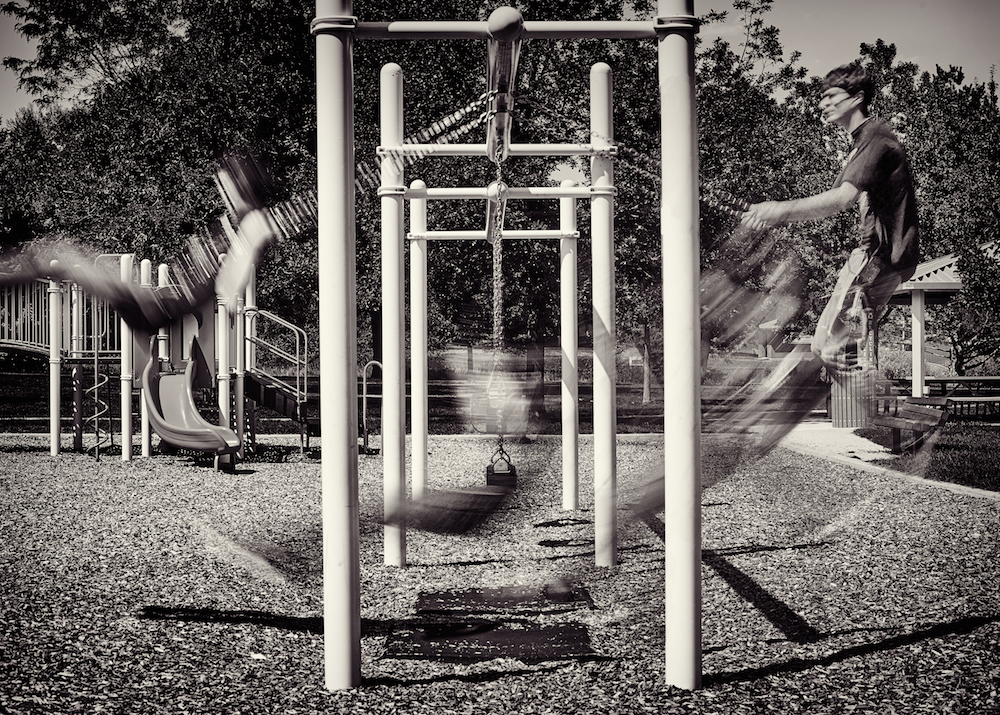
A number of various genres that may inspire you are:
Photographers:
Duane Michals @
http://www.dcmooregallery.com/exhibitions/duane-michals-sequences-and-talking-pictures?view=slider#8
Eadweard Muybridg @
https://www.tate.org.uk/whats-on/tate-britain/exhibition/eadweard-muybridge
Movies and short videos:
Ted Forbes’s Photo Assignment #6
A photo study
a photo study: story photography
Looking forward to your images and thoughts. Let’s tag with #aphotostory.
The hunting lanterns
on Mount Ogura have gone,
the deer are calling for their mates…
How easily I might sleep,
if only I didn’t share their fears.
~Ono no Komachi (cited: J Hirshfield & M Aratani, The Ink Dark Moon)
 a meditative journey
You must be logged in to post a comment.