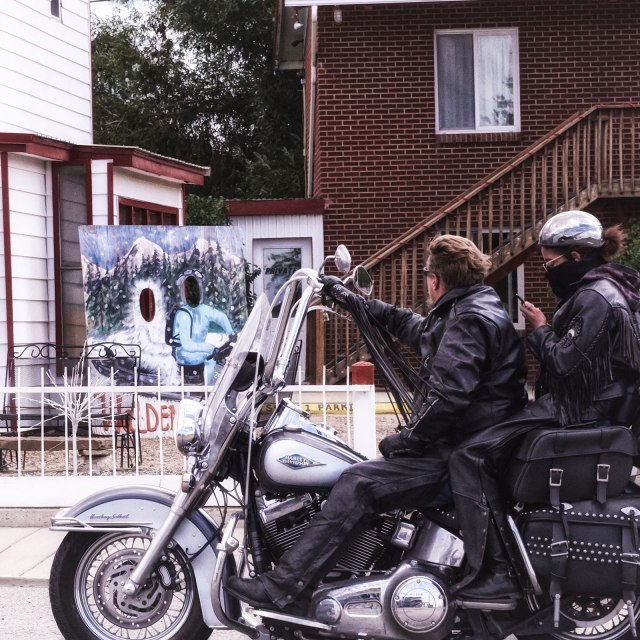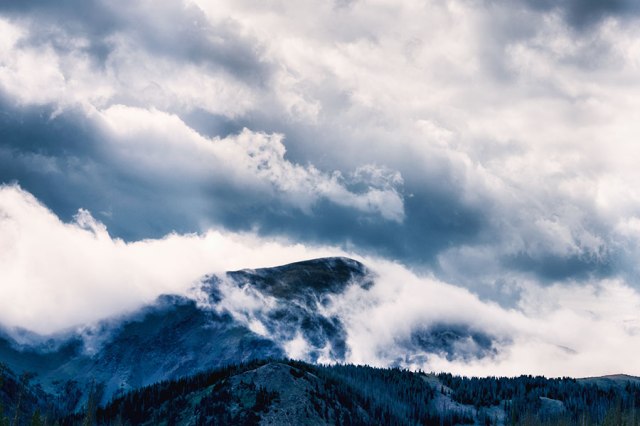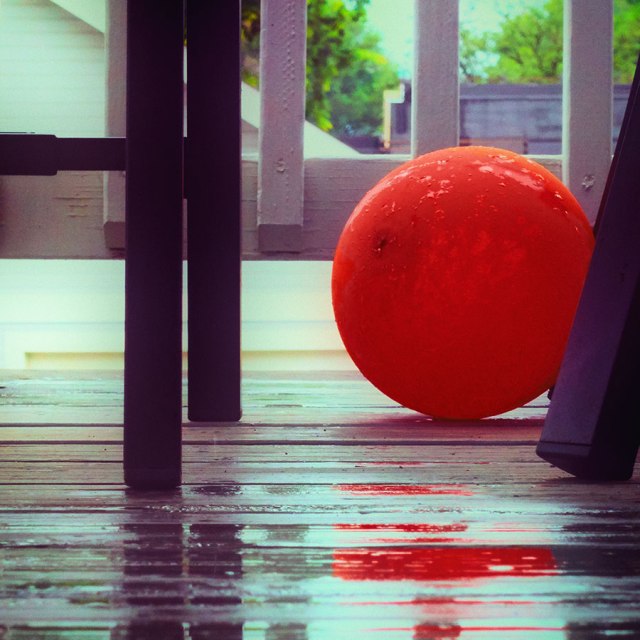
a photo study: story photography

A series of photographs has the ability to convey a story through the inclusion of emotion, mood, ideas, and visual narrative.

Five basic elements of story photography are:

  1. Mood can be created by experimenting with blurring the background and ensuring the background has a relationship with the main subject(s).
  2. Illustrate an idea through abstraction, symbolism, or a close up of a particular detail.
  3. Emotions are conveyed through facial expressions or body language.
  4. Narrative begin with an established photograph of what occurs before the story begins.
  5. Message is created through an object, location, colors, style or a combination that leaves clues that encourages the viewer to formulate ideas.

The introduction – an image that identifies the important characters while giving information about the context of the story and introducing the theme.  The first image should also be compelling and invite curiosity so that your viewer is drawn into the story.
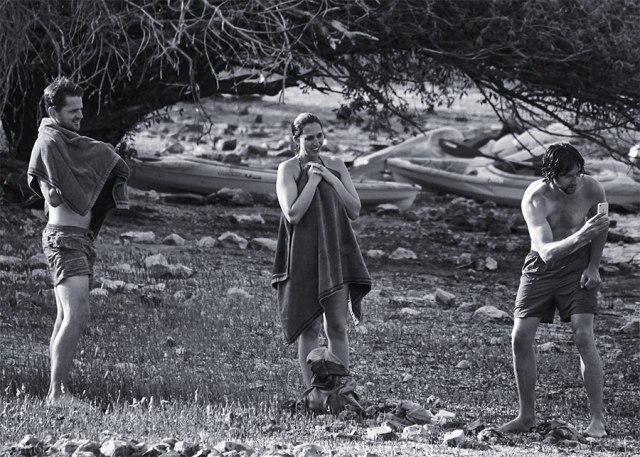
horsetooth-13story

the gaze

The Plot – introduces ideas, feelings, experiences while exploring themes. Do not forget to  follow the “rule of thirds” as this will definitely isolate and immediately draw the viewer’s attention to your subject.

swimmerswebstory

elsewhere

Varying characters’ perspective – photograph closer to your subject(s) or further away. Photograph from multiple angles to find which angle best communicates your story.

horsetooth-9story

watching

Stages – show images taken at different times/stages of the photo session.  Explore which subject needs to be included or excluded in an image.

horsetoothstoryweb

connecting

horsetoothstoryweb2

looking away

Focus on detail – you can also tell a story by paying attention to detail.  When photographing outdoors, make sure the sun is behind you or off to the side.

horsetooth-10photostory

disconnected

horsetoothstory4web

exclusion

Photo editing – ensure there is variety among the images to create interest while at the same time link them together by processing them in a similar manner (black and white, lightening).

horsetooth-storyweb3

distancing

If you chose to caption your photos be sure to take note of what the subject(s) are doing without giving it away.  Cations should be short, clear, and simple.

Projects such as story telling, variations, and photo series are excellent learning experiences because they help explore creativity, encourage you to compare your work with earlier photographs and allow you to see how your ideas and techniques evolve over time.

I love a great story…do you have one to share?  Let’s tag with #aphotostudy.

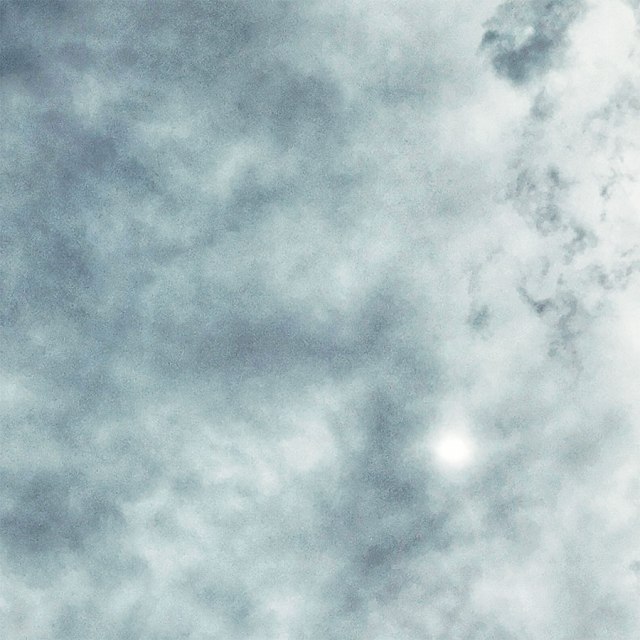
clouds

“I have found that the use of clouds in my photographs has made people less aware of clouds as clouds in the pictures than when I have portrayed trees or houses or wood or any other objects.
clouds4web


“In looking at my photographs of clouds, people seem freer to think about the relationships in the pictures than about the subject-matter for its own sake.

clouds2web

“My photographs are a picture of chaos in the world, and of my relationship to that chaos. My prints show the world’s constant upsetting of man’s equilibrium, and his eternal battle to reestablish it.”*

clouds5web

*Cited: Alfred Stieglitz, Master of Photographs: Aperture.

a photo study: street variations

toystorebnwweb

Sometimes I wonder if life is just a series of links that takes us on journeys of multiple “turned corners” until we suddenly find ourselves in some unimagined place. This week’s photo study is such a journey undertaken to research the genre of street photography.


I found four amazing street photographers (David Geffin, Jasper Tejano, Fan Ho, Dotan Saguy).  Each of them inspired me to explore new ways of seeing the life around me through variations of  light, shadow, shapes, colors, and tones.  I invite you to wander about their online galleries.

“You don’t need to be on ‘a street.’ Street photography is more about capturing candid and often fleeting moments. If you think of street photography in that way, you will always be ‘out on the street,’ looking to make photographs.”  ~David Geffin

“Though I admire many street photographers who present their work in black and white, color street photography, to me, presents life with much more realism and dynamism. Especially with my work on silhouettes, the darkness of my subjects will just drown in the different shades of gray. I need color to make my subjects emerge from the frame.” ~Jasper Tejano

“I always had an instinct for light, shadow, lines and form but the second important thing is the subject matter; the character that will create empathy.” ~ Fan Ho (1931-2016)

Ted Forbes, The Art of Photography Remembering Fan Ho

“For me street photography is above all about people and moments. … it’s just a question of being present with all my senses. The best I can describe myself in that state is as a meditative hunter.” ~Dotan Saguy

I do hope you enjoyed your linked journey through these amazing images.  Do you have a street photographer that awes you?  If so, please share and tag with #aphotostudy.

we won’t be falling

I was told from a young age there are four things we mustn’t be stubborn over:

First is not thinking everything is permanent

Second is right and wrong

Third is kindness and evil

Fourth is life and death

~cited: Guardian, ep 21

wewon'tbefallingdownweb

I hope you enjoy the Guardian’s soundtrack by, Chen Xue Ran, We Won’t Be Falling.

Quote

Creative Composition in Street Photography – Part Two

For this week’s photo study, I decided to continue with Ian’s creative composition posts as they seem to be an ideal way to revisit basic elements of composition and explore how to incorporate them into street photography.  He begins the second positing with noting the importance of slowing down with intentional “seeing” as a foundation to finding the ideal background and good light and then deciding to or not to press the shutter.

via Creative Composition in Street Photography – Part Two

Photography is not what’s important. It’s seeing.
The camera, film, even pictures, are not important.
~Algimantas Kezys (cited: H Zehr, The Little Book of Contemplative Photography)

Setting the Stage, Timing the Steps (fishing)  Ian writes, “The key concept for this approach is to establish the static elements in your frame first (i.e. background and light), then patiently work to add interesting dynamic elements by moving close and far, exploring various angles, adjusting the camera’s settings, and finally with patience waiting for the person who fits into your story to walk on your stage.

photostudystreetcompositionweb

Frame within a Frame  Create a frame within the image through the use of doorways, windows, window displays, trees, or any object that creates a frame around your subject.

photostudystreetcompweb

Leading Lines  Drawing the viewer’s eye is an important compositional element  especially when lines converge toward each other and draw the eye to the subject.  I found that the gaze of both the man and the dog create an implied line as well as invite a story.

photostudystreetcomp9web

Juxtaposition  Ian describes juxtaposition is where two adjacent objects appear to contrast with each other, as within the image below.   The person in the foreground leans to the left opening us to the elderly man in the midground who is leading left.  The Starbucks coffee cup in the center adds a social justice element as well as a contrast to both men.

photostudystreetcomp5web

Perspective – create high-angle images by standing on stairs, platforms, balconies or low-angle photos by  getting close to the ground and shooting upwards.

photostudystreetcompweb4

Scale  Images where the subject is dwarfed by the environment seems to be a way of introducing feeling into the image and drawing the eye to the person within the frame.

streetnoontues-1

Color  Color intermixed with light, shadows, and silhouettes have the potential to create unique photographs that nudge images away from the photojournalism and documentary genre.

noontunes-blurcolorweb

Reflections  Entire stories can be created through the layers that are created when photographing through glass.

brendaweb

Light and Shadows  Using your exposure compensation to drop the exposure on the frame (which protects the highlights while creating wonderful deep shadows) will create amazing interactions of shadows, light, and silhouettes.

aphotostudylowexposureweb

The Candid Frame  Within “Less than Obvious”, Ibarionex encourages us to open ourselves to “seeing” the world’s amazing detail and “being” intentional before we press the shutter.

I hope you find Ian’s educational blog and the Candid Frame to be an invaluable sources of information as well as doorways to a world of creative possibilities.  I’m looking forward to seeing your creative work as well as reading your throughs about the use of basic composition elements into street photograph.  Let’s tag with #aphotostudy.  Until next week…