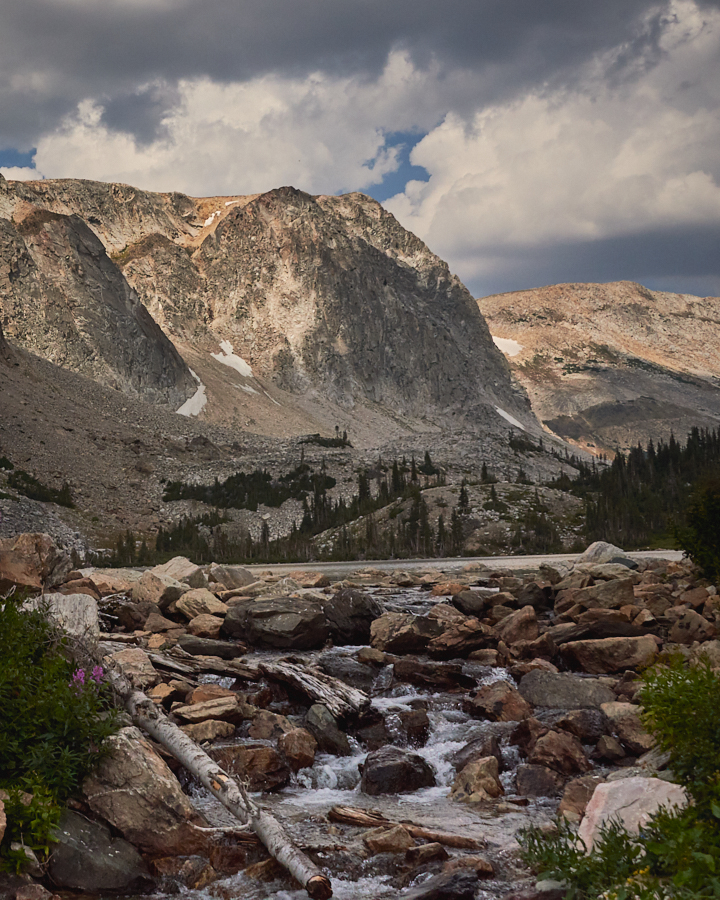
If the Earth were your body,
you would be able to feel the many areas where it is suffering.
Thich Nhat Hanh, Peace in Every Step
If the Earth were your body,
you would be able to feel the many areas where it is suffering.
Thich Nhat Hanh, Peace in Every Step

The plastic you use once tortures the oceans forever. With that simple yet forceful message, accompanied by torturous images of animals suffocated by plastic bags, we’re given a slap in the face to wake up to our wasteful practices. Sea Shepherd is responsible for the campaign, which is purposely shocking and off-putting. It’s well overdue…
Shocking Campaign Aims to Wake People to Dangers of Plastic Waste — Moss and Fog
One autumn day while walking in a park, I became absorbed in the contemplation of a very small and beautiful leaf in the shape of a heart. It was turning red and barely hanging on to the branch, about to fall. I spent a long time with this leaf …. Usually we think of the tree as the mother and the leaves as its children. But contemplating the leaf, I could see that the leaf was also a mother to the tree. The sap that the tree’s roots take up, called xylem sap, is only water, amino acids, and minerals, not rich enough to nourish the tree. So the tree distributes that sap to the leaves, which, with the help of the sun and carbon dioxide, transform it into phloem sap, rich in sugars, which the leaves send back to nourish the tree. So the leaves are also a mother to the tree. …
“We are like that leaf. When we were in our mother’s womb, we were also linked to her by a stem, an umbilical cord. All our nourishment came through the umbilical cord. Our mother breathed for us, ate for us, drank for us, did everything for us. Then one day that cord was cut, and we started to think of our mother and ourself as two different entities. In fact, our mother continued to nourish us like before. Our parents are present in every cell of our body. We continue to receive nourishment from our mother, as well as the suffering and the troubles of our mother, which continue to influence us, as they did when we were in the womb. That cord is still there, not just until we turn eighteen, but for our whole life.
”When we can see the umbilical cord, we can start to see the countless umbilical cords that link us to life all around us. There is an umbilical cord that exists between us and the river…. So the river is also a mother and there is an invisible umbilical cord between us. … There is another umbilical cord betweens and the clouds, between us and the forests, and another between us and the sun. The sun is like a parent to us. Without our link we to the sun we could not live, and neither could anything else. We are nourished and sustained by countless parents….
Excerpt From
The Other Shore
Thích Nhất Hạnh

Nikon D750 f/4.5 1/800s 24mm 100 ISO
“We must look deeply to identify the real suffering of our times and to understand how it has come to be. Our modern way of living brings tension, stress and pain to our body; we are exposed to anger, violence, and fear; we live with the threat of terrorism, the destruction of the ecosystem, war and famine, climate change, the economic crisis, recession, poverty, social injustice, broken families and divorce, and so much more.
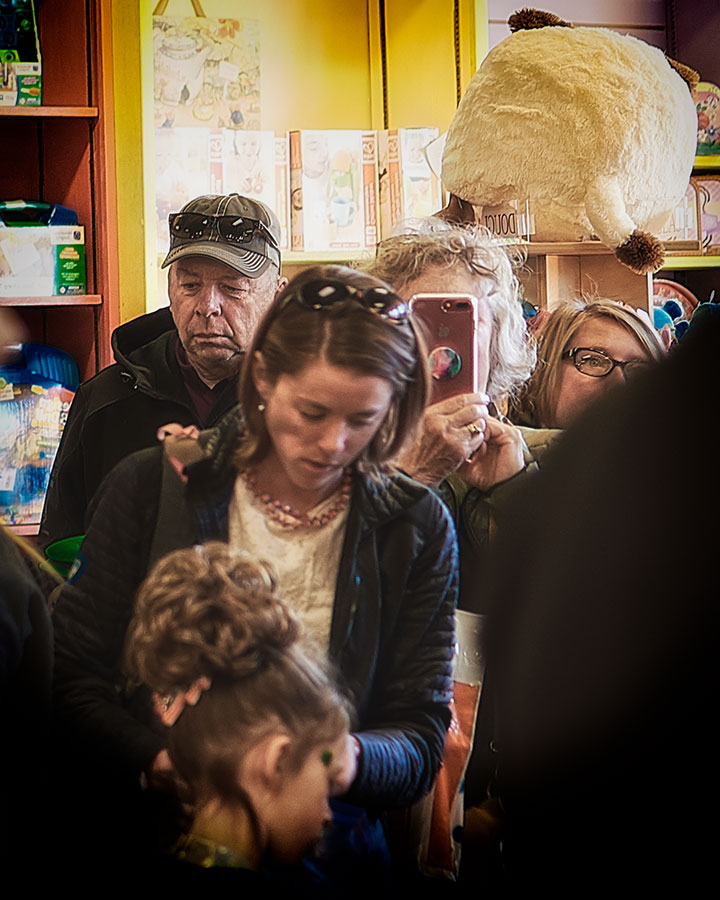
Toy Store… Nikon D750 f/1.8 1/25s 35m 100 ISO
How are we living? How are we consuming? What violence, fear, and anger are we ingesting every day through the media around us? How is our lifestyle polluting the environment and creating a toxic level atmosphere for our bodies and our minds, for our families and for future generations? If we can call the suffering, the real ill-being of our times, by its true names and if we an see how it has come to be, we will know exactly what kind of medicine, what kind of healing we need in order to deal with it. The truth of ill-being will reveal the end of ill-being.” ~Thich Nhat Hanh (The Other Shore)
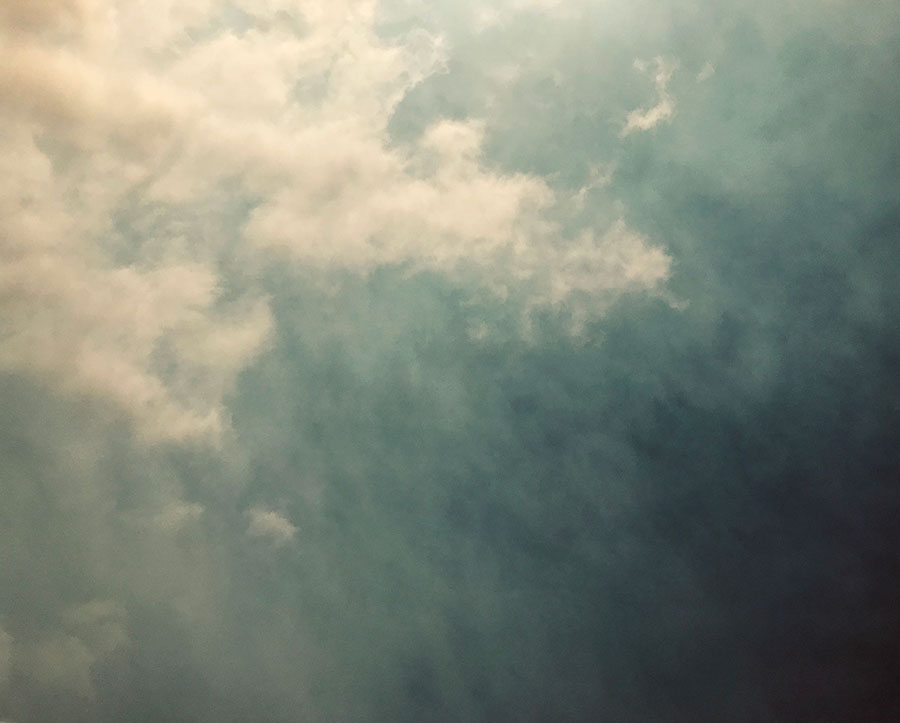
“Before the cloud appeared in the sky she was not nothing. She was the water in the ocean. She was the heat generated by the sun. She was the water vapor rising up to the sky. And when we can no longer see the cloud in the sky, she hasn’t died; she has just transformed into rain or snow. The notion of death is also created by our mind. It is impossible for something to become nothing. The cloud hasn’t died; it is manifesting in its new form as rain, as hail, as snow, as the river, and as the cup of tea in my two hands. So the true nature of the cloud is no-birth and no-death.
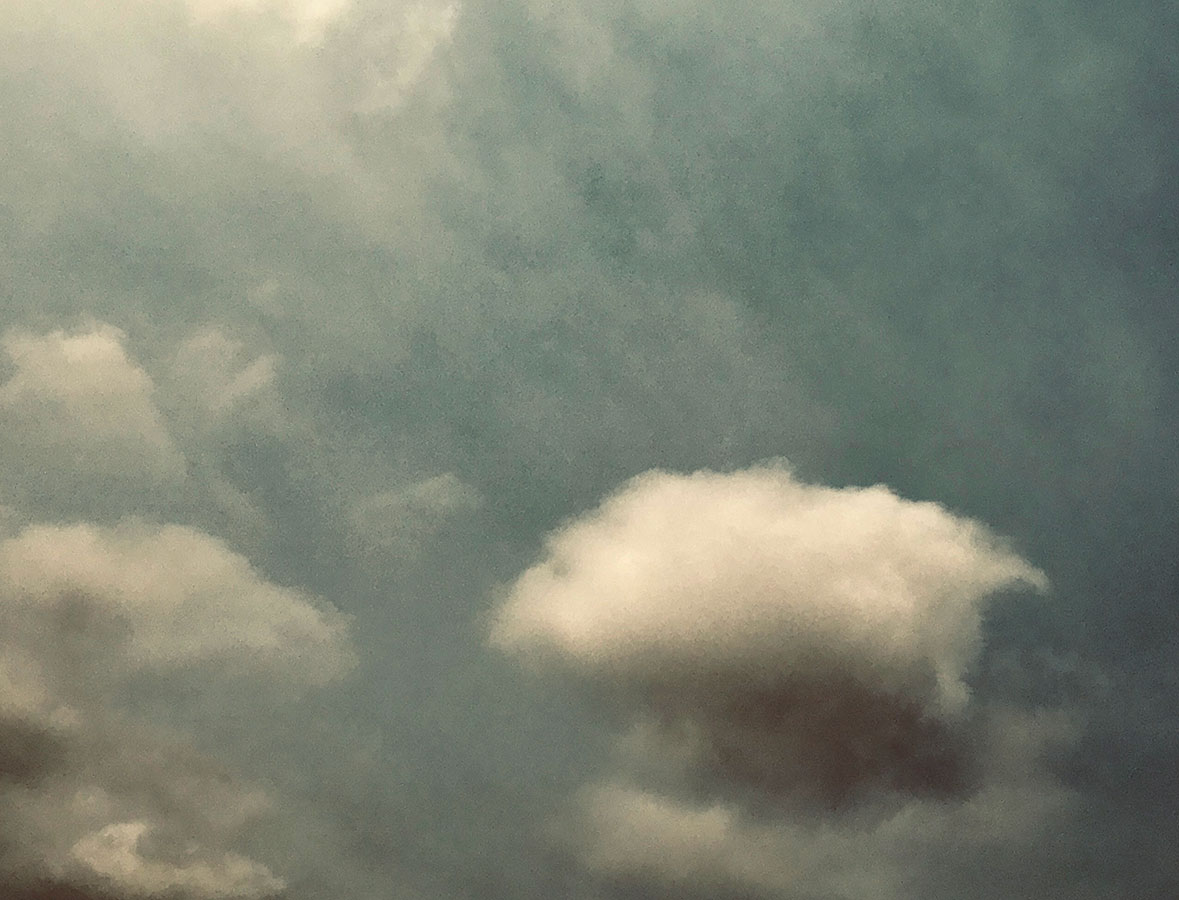
“… we can start to see the countless umbilical cords that link us to life all around us. There is an umbilical cord that exists between us and the river. The water we drink every day flows down from mountain springs and streams, right into our kitchen. So the river is also a mother and there is an invisible umbilical cord between us. If we cannot see it yet, it’s because we haven’t looked deeply enough. There is another umbilical cord between us and the clouds, between us and the forests, and another between us and the sun. The sun is like a parent to us. Without our link to the sun we could not live, and neither could anything else. We are nourished and sustained by countless parents. The river, the wild animals, the plants, the soil and all its minerals are our mothers and fathers, and are mothers and fathers to all phenomena on planet Earth. That is why in the sutras it is said that living beings have been our parents through countless lifetimes.
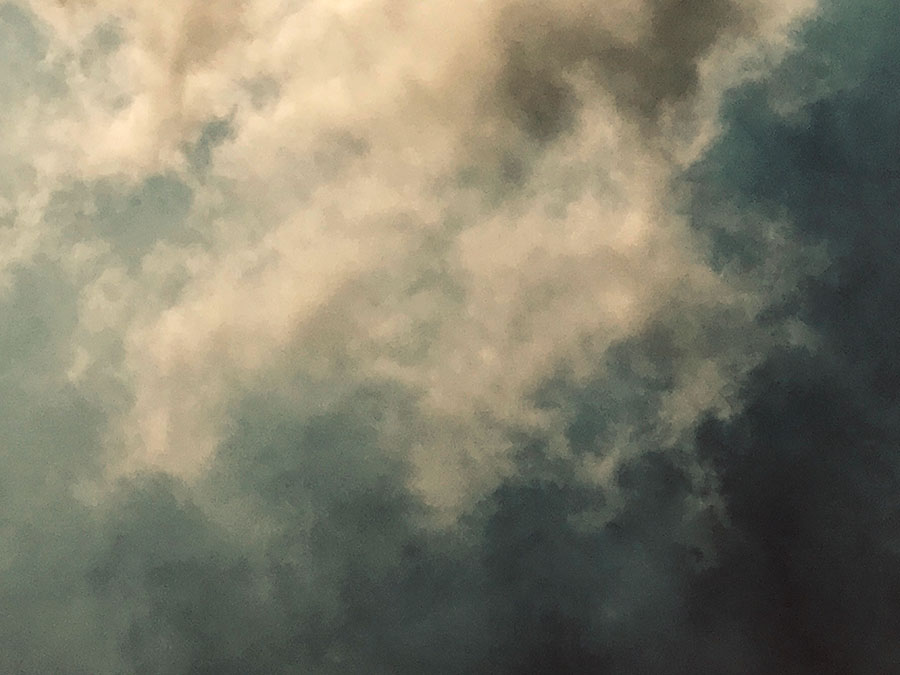
“There are umbilical cords linking us to all that is in the universe and in the entire cosmos. Can you see the link between you and me? If you are not there, I am not here; that is certain. If you do not yet see it, look more deeply and I am sure you will see”
Excerpt: Thich Nhát Hanh, The Other Shore
“We tend to think of human beings as falling into two groups: those who are similar to us and those who are different. We allow political boundaries to obscure our interconnectedness. What we often refer to patriotism is actually a barrier the prevents us from seeing that we’re all children of the same mother. Every country calls its nation a motherland or a fatherland. Every country tries to show how it loves its mother. But in doing so, each country is contributing to the destruction of our larger mother, our collective mother, the Earth. In focusing our human-made boundaries, we forget that we are co-responsible for the whole planet. …
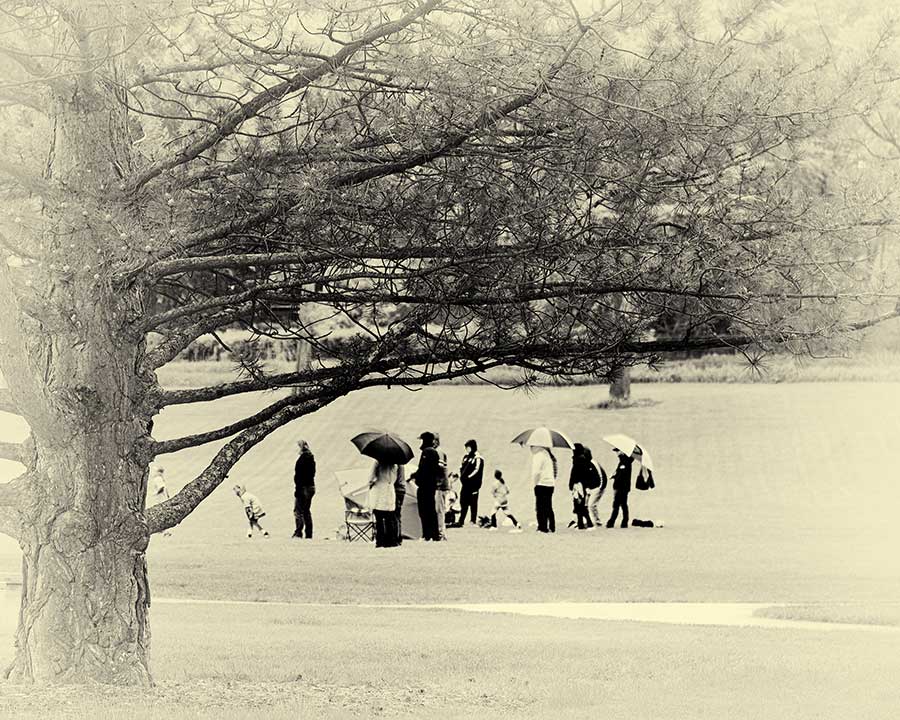
Nikon D750 f/4.5 1/200 85mm 100 ISO
“Every one of us, regardless of nationality or religious faith, can experience a feeling of admiration and love when we see the beauty of the Earth and the beauty of the cosmos. This feeling of love and admiration has the power to unite the citizens of the Earth and remove all separation and discrimination. Caring about the the environment is not an obligation, but a matter of personal and collective happiness and survival. We will survive and thrive together with our Mother Earth, or we will not survive at all.”
~Thích Nhát Hanh (Love Letter to the Earth)
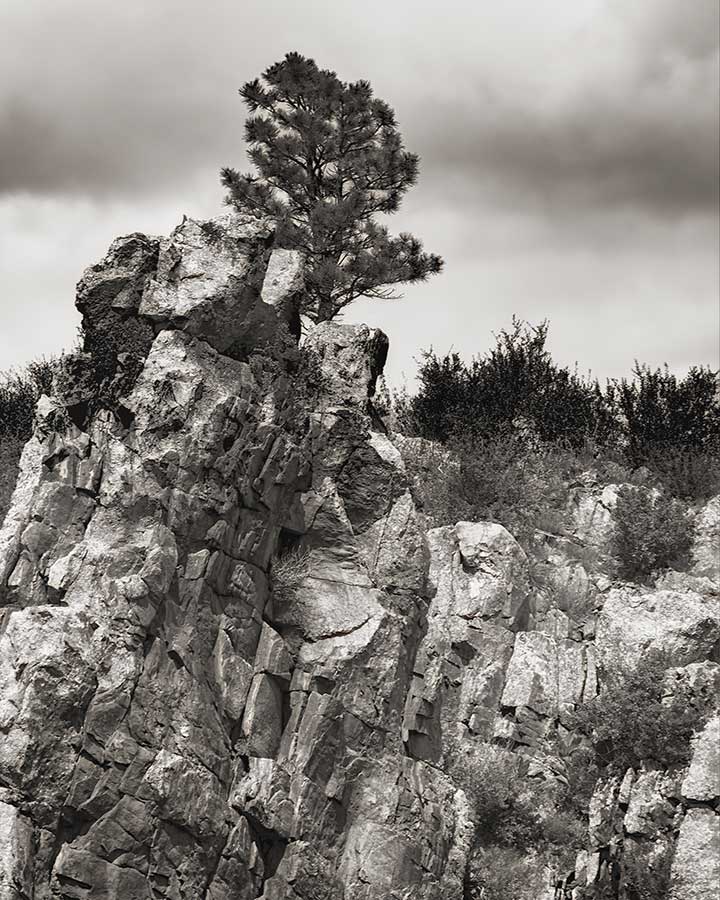
Nikon D750 f/8 1/50s 300 mm 100 ISO
We Are Not Separate From the Earth
We think that the earth is the earth and we are something outside of the earth. But in fact we are inside of the earth. Imagine that the earth is the tree and we are a leaf. The earth is not the environment, something outside of us that we need to care for. The earth is us. Just as your parents, ancestors, and teachers are inside you, the earth is in you. Taking care of the earth, we take care of ourselves.
When we see that the earth is not just the environment, that the earth is in us, at that moment you can have real communion with the earth. But if we see the earth as only the environment, with ourselves in the center, then we only want to do something for the earth in order for us to survive. But it is not enough to take care of the earth. That is a dualistic way of seeing.
We have to practice looking at our planet not just as matter, but as a living and sentient being. The universe, the sun, and the stars have contributed many elements to the earth, and when we look into the earth we see that it’s a very beautiful flower containing the presence of the whole universe. When we look into our own bodily formation, we are made of the same elements as the planet. It has made us. The earth and the universe are inside of us.
~Thich Nhat Hanh (https://earthholder.org/walking-with-earth/)

Spring Creek Nikon D750 f/2 1/40s 35mm 100 ISO
The foundation of all mindfulness practice is awareness of the breath. There is no mindfulness without awareness of our in-breath and out-breath. Mindful breathing unites the body and mind and helps us to become aware of what is going on inside us and around us. In our daily life, we often forget that mind and body are connected. Our bodies are here but our minds are not. Sometimes we lose ourselves in a book, a film, the internet or an electronic game, and we’re carried off, far away from our body and the reality of where we are. Then, when we lift our head out of the book or look up from the screen, we may be confronted with feelings of anxiety, guilt, fear, or irritation. We rarely go back to our inner peace, to our inner island of calm and clarity, to be in touch with Mother Earth.
We can get so caught up in our plans, fears, agitations, and dreams that we aren’t living in our bodies anymore and we’re not in touch with our real mother, the Earth, either. We can’t see the miraculous beauty and magnificence that our planet offers to us. We are living more and more in the world of our minds and becoming increasingly alienated from the physical world. Returning to our breathing brings body and mind back together and reminds us of the miracle of the present moment. Our planet is rich here, powerful, generous, and supportive at every moment. Once we recognize these qualities in the Earth, we can take refuge in her in our difficult moments, making it easier for us to embrace our fear and suffering and to transform it.
Awareness of the in-breath and out-breath first of all calms us down. By paying attention to your breathing, without judgment, you bring peace back to your body, and release the pain and tension. …
When our minds and bodies have calmed down, we begin to see more clearly. When we see more clearly, we feel more connected to ourselves and to the Earth and we have more understanding. When there is clarity and understanding, love can bloom because true love is based on understanding.
…Each breath contains nitrogen, oxygen, and water vapor as well as other trace elements, so each breath that we inhale contains the Earth. With each breath, we’re reminded that we are part of this beautiful life-giving planet.
~Thich Nhát Hahn, (Love Letter to the Earth)

This is, because that is. This is not, because that is not. This comes to be, because that comes to be. This ceases to be, because that ceases to be…This is like this, because that is like this.
~Thich Nhat Hanh, The Heart of the Buddha
time-lapse of an apple blossom transforming

For a table to exist, we need wood, a carpenter, time, skillfulness, and many other causes. And each of these causes needs other causes to exist. The wood needs the forest, the sunshine, the rain, and so on. The carpenter needs his parents, breakfast, fresh air, and so on. And each of these things, in turn, has to be brought about by other conditions. If we look in this way, we’ll see that nothing has been left out. Everything in the cosmos has come together to bring us this table. Looking deeply at the sunshine, the leaves on the tree, and the clouds, we can see the table. The one can be seen in the all, and the all can be seen in the one.
Thich Nhat Hanh, The Heart of the Buddha’s Teaching

Horsetooth III Nikon D750 f/7.1 1/500s 50mm
Water covers 70% of our planet, and it is easy to think that it will always be plentiful. However, freshwater—the stuff we drink, bathe in, irrigate our farm fields with—is incredibly rare. Only 3% of the world’s water is fresh water, and two-thirds of that is tucked away in frozen glaciers or otherwise unavailable for our use
As a result, some 1.1 billion people worldwide lack access to water, and a total of 2.7 billion find water scarce for at least one month of the year. Inadequate sanitation is also a problem for 2.4 billion people—they are exposed to diseases, such as cholera and typhoid fever, and other water-borne illnesses. Two million people, mostly children, die each year from diarrheal diseases alone.
Many of the water systems that keep ecosystems thriving and feed a growing human population have become stressed. Rivers, lakes and aquifers are drying up or becoming too polluted to use. More than half the world’s wetlands have disappeared. Agriculture consumes more water than any other source and wastes much of that through inefficiencies. Climate change is altering patterns of weather and water around the world, causing shortages and droughts in some areas and floods in others.
At the current consumption rate, this situation will only get worse. By 2025, two-thirds of the world’s population may face water shortages. And ecosystems around the world will suffer even more
~www.worldwildlife. org
 a meditative journey
You must be logged in to post a comment.