
reflections… Nikon D750 f/4.5 1/250 45mm 800 ISO
reflections… Nikon D750 f/4.5 1/250 45mm 800 ISO
Photography is representational by nature in that the subject(s) within most images depict the real world and usually are easily recognizable; for example, a photograph of tree generally looks very much like a tree.

Ted Forbes notes that abstract photography within the art world is drawn from skills that are different from other forms of art and, “It is something that we are not used to seeing in every day life…When it is done well, it stands out and it’s really exciting. When it is not done well, it is weird.”

Fundamentally, abstract art is a visual form that does not convey a realistic depiction of the world. This departure from reality can be partial or complete; therefore, we are often uncertain about the identification of the subject. Photographs within this genre diverge from a realist depiction of the world through the use of form, color, and lines.
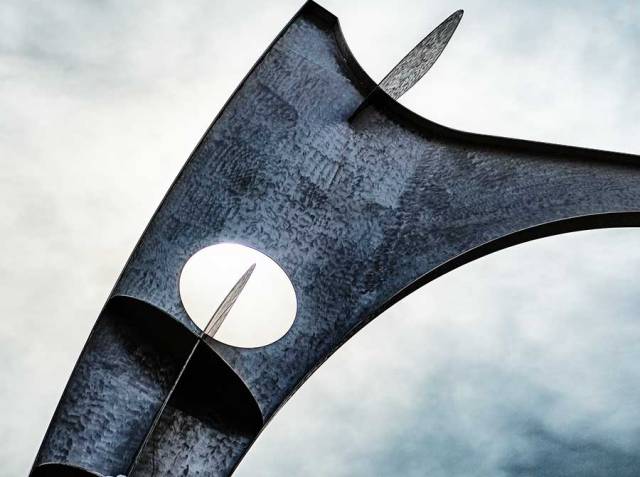
Form is the shape of the elements within the image and is the foundation of an abstract image. When creating abstract photography, ask yourself, “is there an interesting form/shape with this image?”

The variations and contrast of colors within art create interesting images and evoke feelings within the viewer.

Lines within the image directs the viewer’s eye and creates a dynamic image by emphasizing movement.
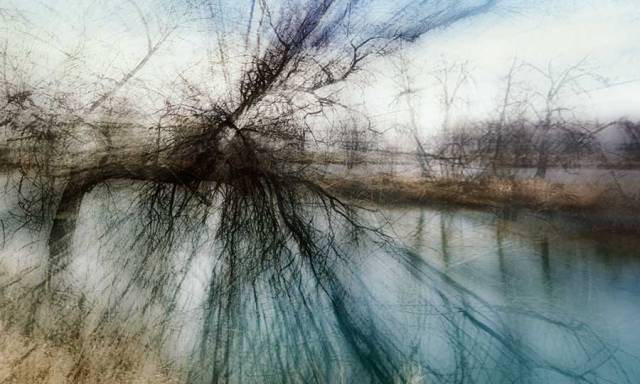
There are different techniques photographers use to create abstract image: 1) selective focus, 2) light and shadow, 3) lines and textures, 4) blur, 5) zooming, 6) moving the camera or subject, 7) double exposure, and 8) moving in close or standing far away.

I’ve come to understand abstract/non-representational imagery as an absence of the type of discrimination and labeling process that seeks an answer to, “what is that?” to one that invites the viewer to explore, “what feelings does this image evoke?”

Thank you for taking the time to visit my blog and for the exchange of ideas and photographs. I am inspired by the process of viewing and exchanging ideas with other bloggers and am excited about walking through your galleries of abstract/nonrepresentational photographs. I hope you find Ted Forbes’ video interesting.
Clear waters unchanged
in a meadow
I saw once long ago
will you remember
this face of mine?
~Saigyō (B Watson, Poems of a Mountain Home)

Don’t dye it, don’t pull it out,
let it grow all over your head.
No medicine can stop the whiteness,
the blackness won’t last out the fall.
Lay your head on a quiet pillow, hear the cicadas,
idly incline it to watch the waters flow.
The reason we can’t rise to this broader view of life
is because, white hair, you grieve us so!
~Ch’i-chi (864-937) Translation: Burton Watson
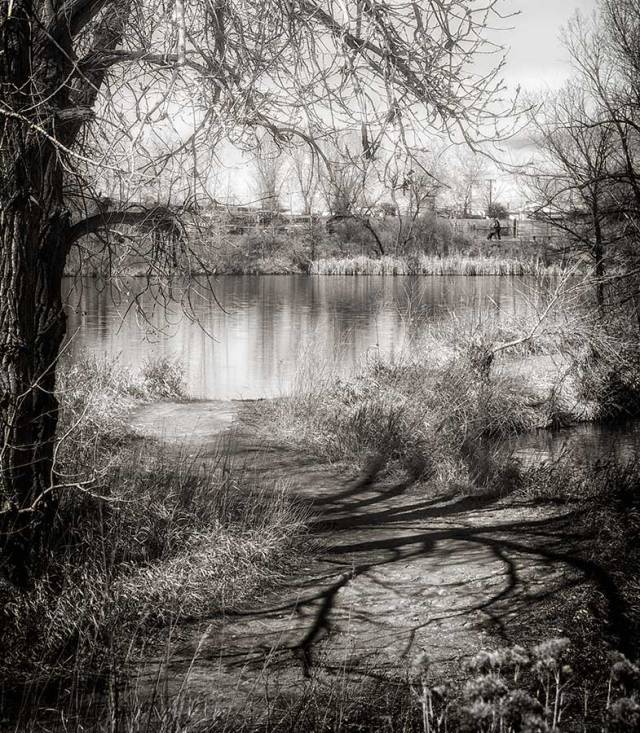
Nikon D750 f/7.1 1/320 44mm 100 ISO (neutral density lens)
moss blossoms bloom
in a little crack…
stone Jizo
~Issa (www.haikuguy.com)

Nikon D750 f/1.8 1/800 35mm 100 ISO

Nikon D750 f/1.8 1/10 35mm 100 ISO (neutral density lens)
Every moment that we’re alive in this body, in this human manifestation, we’re emitting energy. This energy can be transformed but it can’t die; it remains in the world forever. … A thought is an action because it already has energy and it has the power to affect things. When we produce a thought of compassion, understanding, and love, that thought has the power to heal our body, our mind, and the world. If we produce a thought of hatred, anger, or despair, that thought has an affect not only on ourselves but on the world; it can destroy us and lead to the obstruction of many other lives.
Suppose a nation produces a collective thought of anger and fear and decides to go to war. The whole country is then producing fear and anger. That collective fear and anger can cause much real destruction and suffering. … The thoughts and feelings we send out to into the world have a powerful effect. Every thought we produce, everything we do and say, is an action. These actions continue forever. They can transform, but like the cloud, they will not disappear. We have to recognize the power of our [actions] and make a firm determination to be mindful of our thoughts, speech, and actions in order to heal ourselves and the Earth.
Thich Nhát Hanh, Love Letter to the Earth
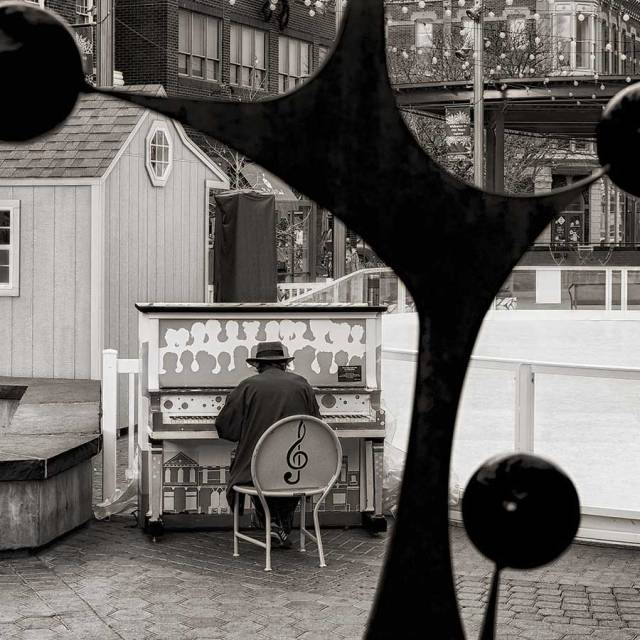
Nikon D750 f/4 1/60s 35mm 100 ISO

Horsetooth Reservoir Nikon D750 f/13 1/100 35mm 100 ISO
This week’s photo study is an exploration of shutter speed. Shutter speed, a basic photographic component, is defined as the amount of time your camera allows light to enter your camera. The variables of a scene being photographed together with the size of aperture and the shutter speed have the potential to create unique images.
A fast shutter speed will freeze moving objects.
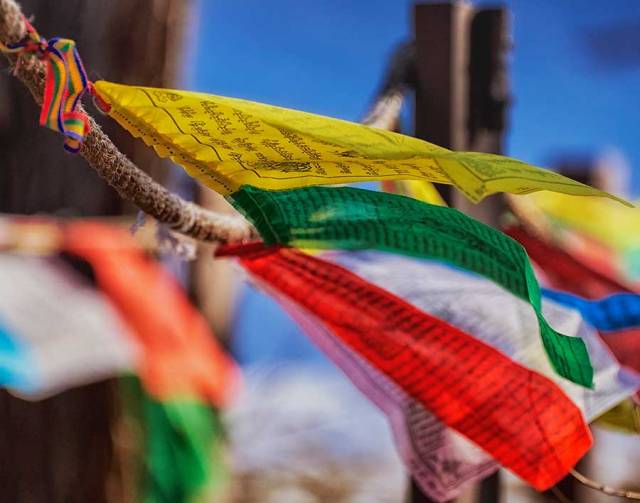
Nikon D750 f/5.6 1/2,500 300mm 100 ISO
While fast shutter speeds create crisp and sharp images, slow shutter speeds — open for half a second or longer – extends the length of time light is entering your camera. This light is continuously being influenced by the motion within the scene and thus creating blurry, foggy, silky, or milky elements within an image.
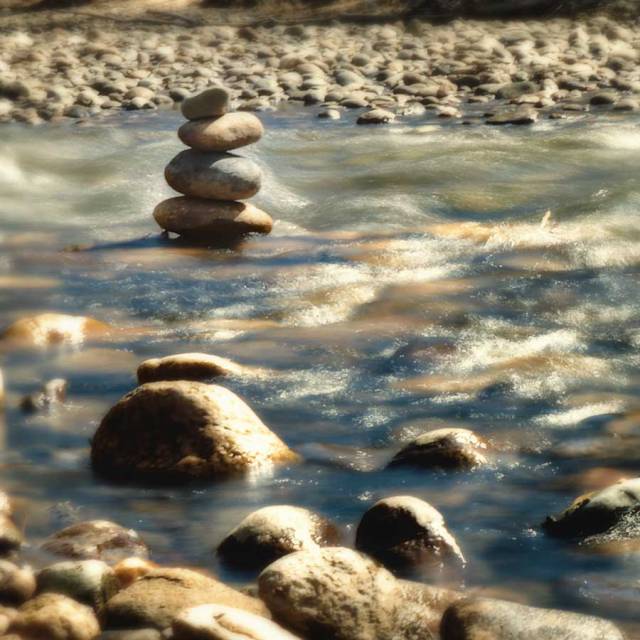
Nikon D750 f/22 1s 35mm 100 ISO

Nikon D750 f/8 241s 24mm 100 ISO
The shutter speed in panning photography can be as low as 1/20 or as fast as 1/125. The trick is to match the speed of the subject with your speed of panning. The inclusion of motion blur within street photography is often created with a high aperture setting, a low as possible ISO, and a low shutter speed.

Nikon D750 f/29 1/6s 75mm 100 ISO

Nikon D750 f/9 1/20s 85mm 320 ISO
The images below are examples of various shutter speeds with the same aperture and ISO settings.
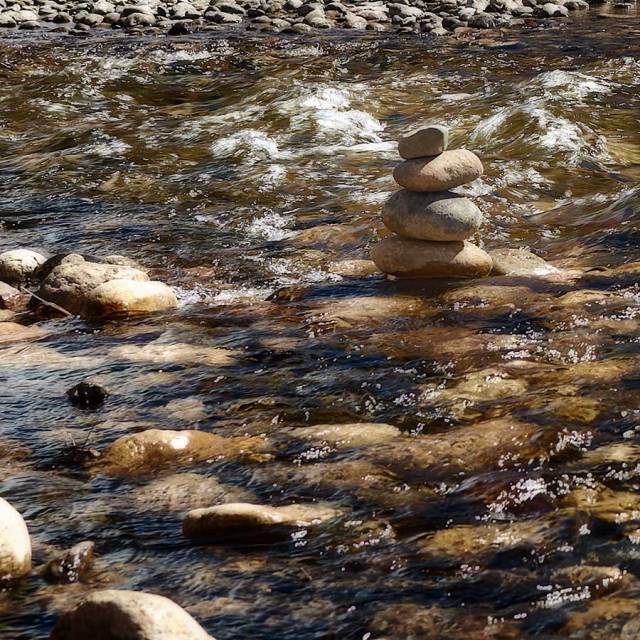
Nikon D750 f/7.1 1/60s 35mm 100 ISO
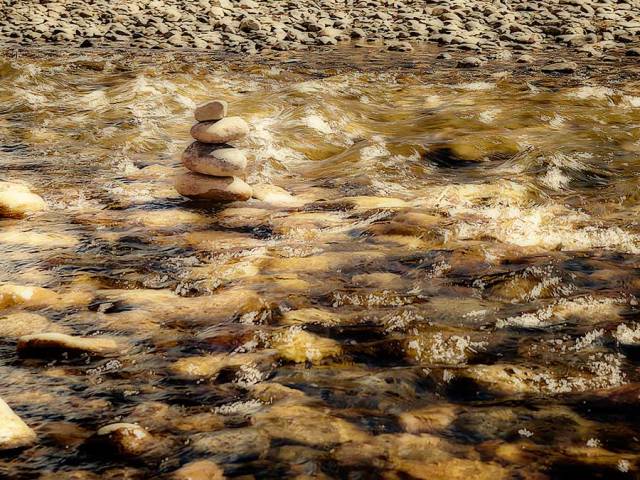
Nikon D750 f/7.1 1/30s 35mm 100 ISO
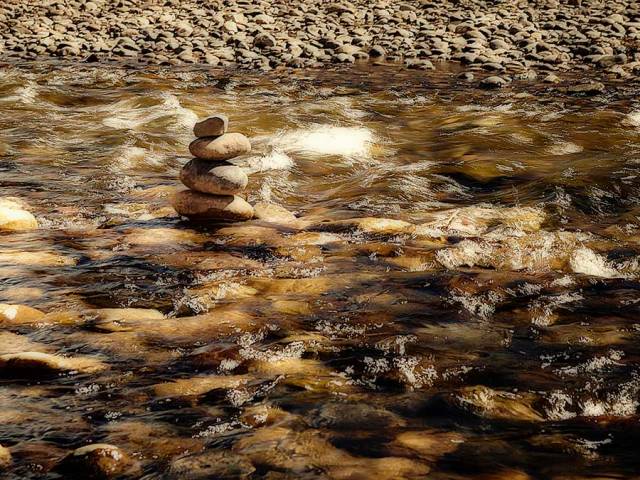
Nikon D750 f/7.1 1/20s 35mm 100 ISO
Thank you for taking the time to visit. I hope you enjoy Ted Forbes’ discussion of shutter speed and his nighttime images. Would love to hear your thoughts and see your creative work.

Spring Creek Nikon D750 f/2 1/40s 35mm 100 ISO
The foundation of all mindfulness practice is awareness of the breath. There is no mindfulness without awareness of our in-breath and out-breath. Mindful breathing unites the body and mind and helps us to become aware of what is going on inside us and around us. In our daily life, we often forget that mind and body are connected. Our bodies are here but our minds are not. Sometimes we lose ourselves in a book, a film, the internet or an electronic game, and we’re carried off, far away from our body and the reality of where we are. Then, when we lift our head out of the book or look up from the screen, we may be confronted with feelings of anxiety, guilt, fear, or irritation. We rarely go back to our inner peace, to our inner island of calm and clarity, to be in touch with Mother Earth.
We can get so caught up in our plans, fears, agitations, and dreams that we aren’t living in our bodies anymore and we’re not in touch with our real mother, the Earth, either. We can’t see the miraculous beauty and magnificence that our planet offers to us. We are living more and more in the world of our minds and becoming increasingly alienated from the physical world. Returning to our breathing brings body and mind back together and reminds us of the miracle of the present moment. Our planet is rich here, powerful, generous, and supportive at every moment. Once we recognize these qualities in the Earth, we can take refuge in her in our difficult moments, making it easier for us to embrace our fear and suffering and to transform it.
Awareness of the in-breath and out-breath first of all calms us down. By paying attention to your breathing, without judgment, you bring peace back to your body, and release the pain and tension. …
When our minds and bodies have calmed down, we begin to see more clearly. When we see more clearly, we feel more connected to ourselves and to the Earth and we have more understanding. When there is clarity and understanding, love can bloom because true love is based on understanding.
…Each breath contains nitrogen, oxygen, and water vapor as well as other trace elements, so each breath that we inhale contains the Earth. With each breath, we’re reminded that we are part of this beautiful life-giving planet.
~Thich Nhát Hahn, (Love Letter to the Earth)
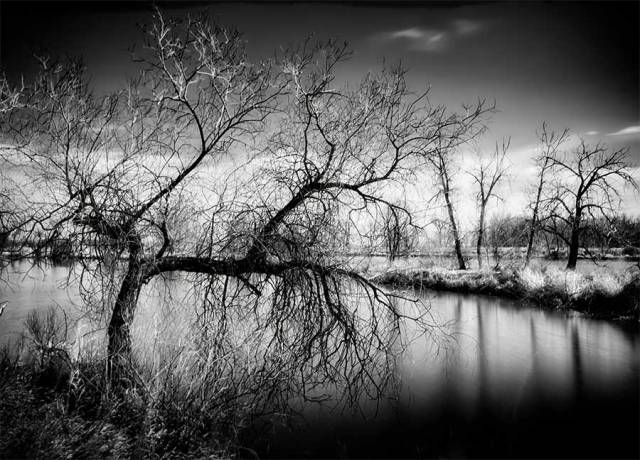
winter sleep Nikon D750 f/13 13.1s 28mm 100 ISO

My Favorite Place…Downtown Nikon D750 f/8 1/125 24mm 100 ISO
In the early 1960s, Grand Junction, Colorado’s downtown commercial district was restructured into a tree-lined, pedestrian-friendly shopping park that borders the gentle winding Main Street.
Today, one of the first things we do when we return to visit family and friends is to undertake a walk about with our memories of what use to be and amazement at what remains as we view the various exhibits that are currently part of the Art on the Corner project.


You must be logged in to post a comment.