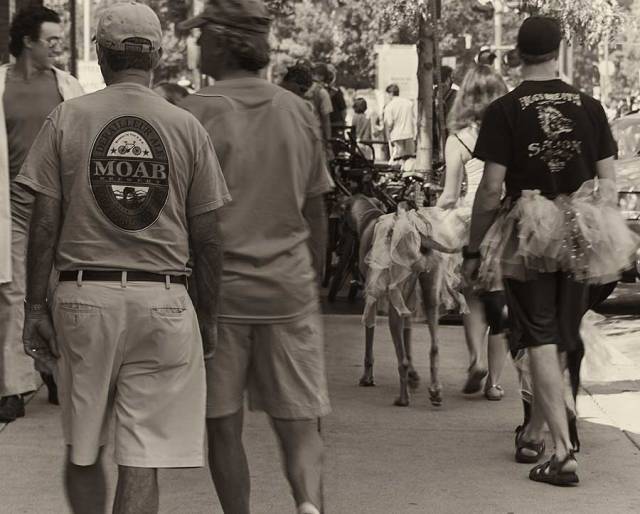
Nikon D750 f/7.1 1/30s 72mm ISO 100
Nikon D750 f/7.1 1/30s 72mm ISO 100

Tour de Fat
Michelle challenges us to find a little irreverence in our world within the theme of cheeky. I must admit it is a bit difficult to silence anxiety–as fires rage in southern California, the number of employed homeless increases, the possible financial impact due to an inequality of federal tax burdens, children in Yemen starving, and the list goes on and on and on–long enough to shift my focus towards something “impudent or irreverent, typically in an endearing or amusing way.” Tour de Fat…a day filled with bikes, costumes, music, friends, and family.

Nikon D750 f/6.3 1/50s 35 mm I00 ISO
Let me introduce you to Hu Ge, one of the top actors in China who has an amazing singing voice. His role in a series entitled, Nirvana in Fire, has been noted by fans to parallel the leading character’s rise from a tragedy. In 2006, a serious car accident that took the life of his friend and assistant, resulted in major surgeries which included over a hundred sutures on his face and neck. It would take him nearly a year to recover.
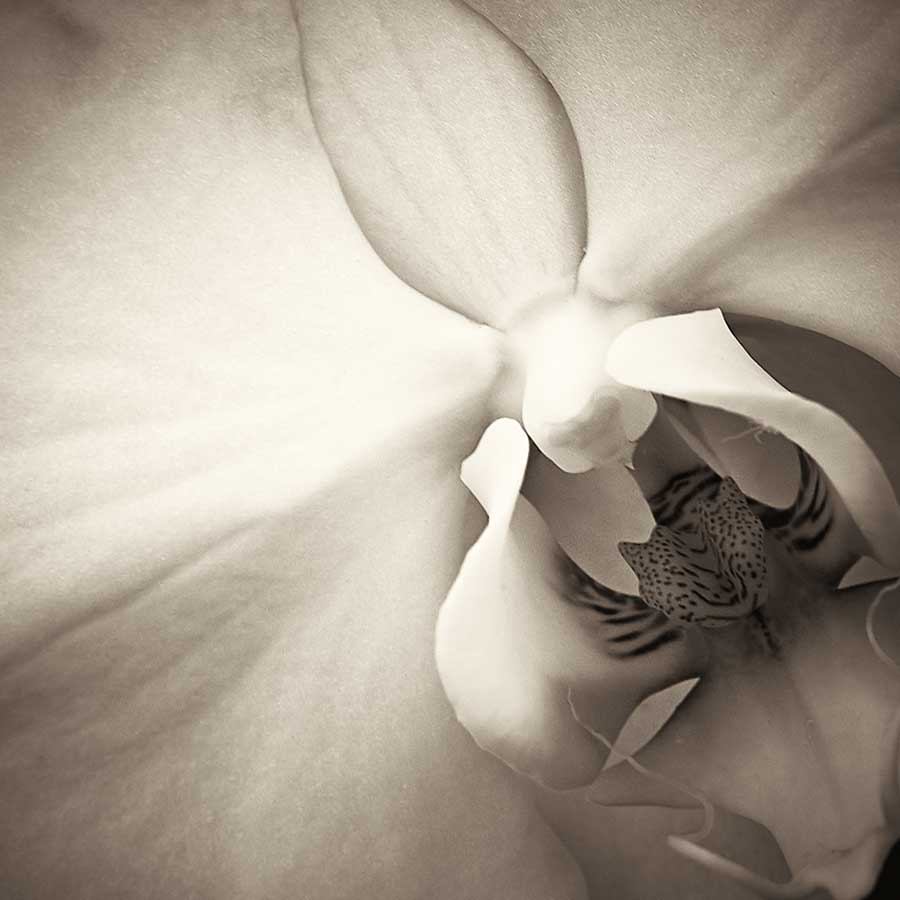
The poetry of Japan has its seeds in the human heart and mind and grows into the myriad leaves of words. Because people experience many different phenomena in this world, they express that which they think and feel in their hearts in terms of all that they see and hear. A nightingale singing among the blossoms, the voice of a pond-dwelling frog–listening to these, what living being would not respond with his own poem? It is poetry which effortlessly moves the heavens and earth, awakens the world of invisible spirits to deep feeling, softens the relationship between men and women, and consoles the hearts of fierce warriors.
~Ki no Tsurayuki, (preface Kosinsbū, ca. 905)

Nikon D750 f/1.8 1/1000 s 35 mm 100 ISO
In the first legend of the Grail, it is said the Grail . . . belongs to the first comer who asks the guardian of the vessel, a king three quarters paralyzed by the most painful wound, ‘What are you going through?’ It is in our concern for others that we find the Grail.
cited: Robert Aitken, A Zen Wave
upside down today.
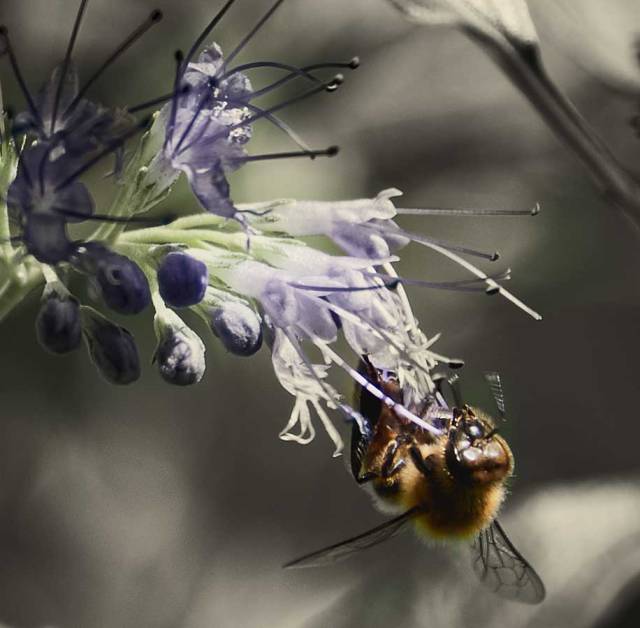

…a group of children were crying. An adult came along with a handful of yellow leaves and said, “Don’t cry anymore. I’ll give you a pile of gold.” So the person gave the children a handful of yellow leaves, and the children thought they were real pieces of gold. They were happy and they stopped crying. ~Thich Nhát Hanh (Zen Battles)
looking delicious
the snow falling softly
softly
~Issa (www.haikuguy.com)

Nikon D750 f/5.6 1/200s 300 mm 100 ISO
those snow days…blanketing the earth and gifting us with silence, before snow shovels and snow removal trucks, serene
Let’s spend a few minutes listening to…The Sound of Silence, Simon and Garfunkel.
No matter how much things change, they still remain the same.
We live
in a tide-swept inlet,
floating, flung.
In such a world, why cling to
collections of poems?
~Izumi Shikibu, (J Hirshfield & M Aratani, The Ink Dark Moon)

How invisibly
it changes color
in this world,
the flower
of the human heart.
~Ono No Komachi (J Hirshfield & M Aratani, The Ink Dark Moon)
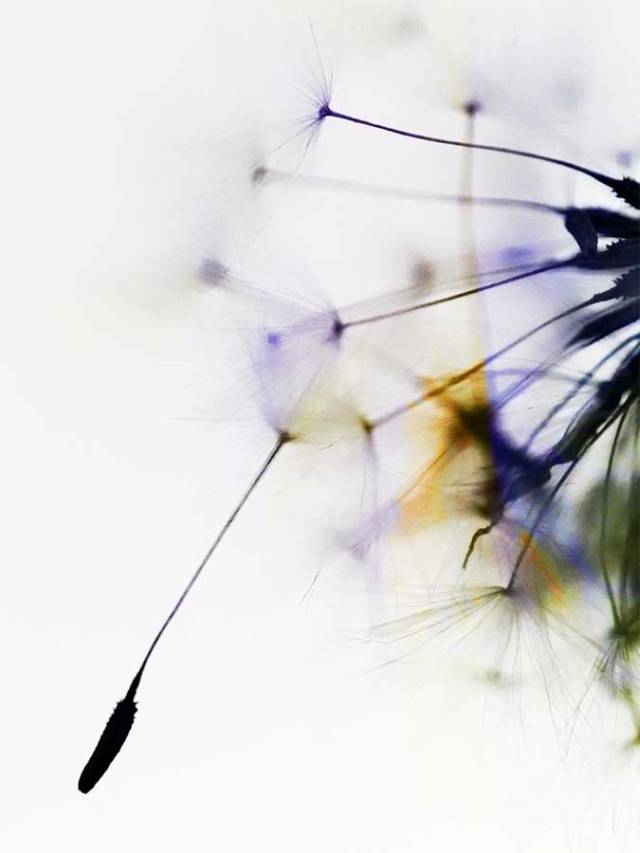
Raj writes in his 16th xdrive photo lesson that contrast, a deviation from the brightest parts of the image to the darkest, is often overlooked during the digital darkroom process. As I read his explanation about low contrast images, it brought to mind those long exposure landscape images that are composed of a single tree or those low contrast images of trees within mist or fog. Dreamy.
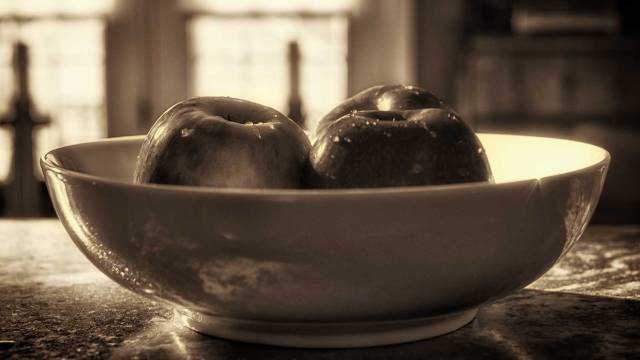
apples Nikon D750 f/4 0.1s 35mm (prime lens) 100 ISO
In the two images below, I can see in the color image how the contrast highlights the water drops…they seem to glisten within this backlit photograph. While the water drops within the monochrome image are not as noticeable, I like how the reflections of the countertop are reflected in the bowl. The tiny sunburst along the right edge of the bowl is visually interesting.

snow Nikon D750 f/5.6 1/125s 300 mm 100 ISO
While I like the warmth of the monochrome image of the apples, I couldn’t seem to create the same atmosphere with the snow photograph. It just may be incongruent to create a warm image of snow?
I prefer the color image which had a bit of editing within Color Effects Pro 4’s green-yellow color contrast presets. The water drop on the tip of the leaf also seems more apparent in the color image.

The low contrast monochrome image (first monochrome image) is not as dramatic as the high contrast (last image). The water drop also seems more apparent in the last image. I also noticed during the digital darkroom process that experimenting with contrast within Color Effects Pro 4 required awareness of how some of the presets darkened the leaves to a degree where the detail was hidden.


Again, thank you Raj for these lessons. I would also like to thank Helen at HHC Blog for bringing to mind the beauty of color contrast within images.
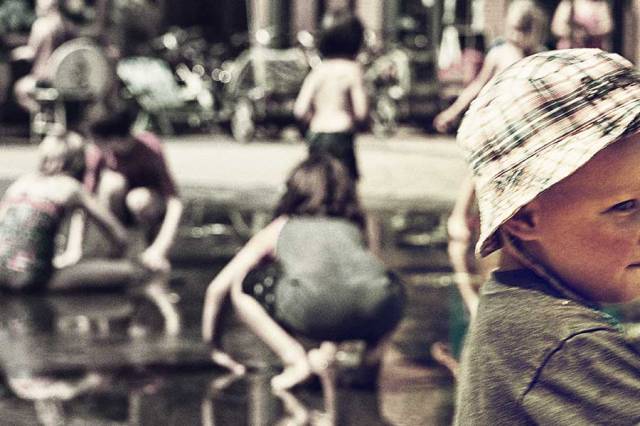
Nikon D750 f/7.1 1/80 s 85 mm 100 ISO
When we touch one wave, we are in touch with all the other waves. This wave is continued by the next wave. A wave pretends to appear, it pretends to dwell, it pretends disintegrate, and it pretends to disappear.
~Thich Nhát Hanh (Zen Battles)


You must be logged in to post a comment.