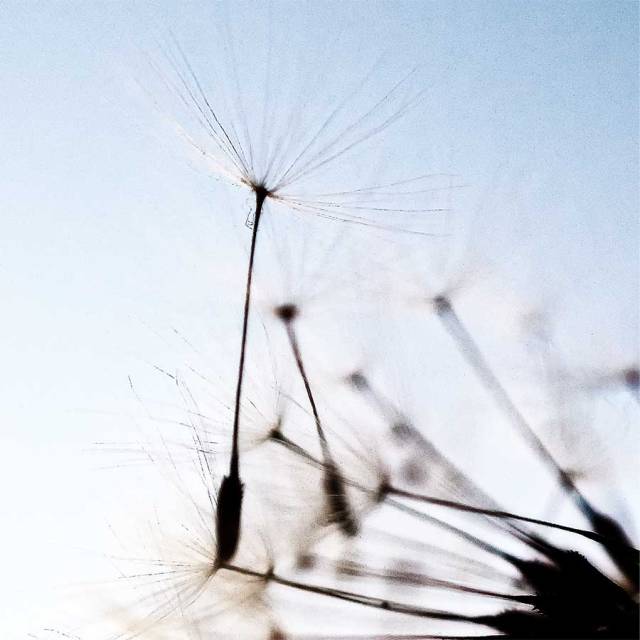
photography
vulgar songs fill the days…

Customs become diluted year after year.
Both the noble and the common decline.
The human mind grows fragile with time;
the ancestral way becomes fainter day by day.
Teachers can’t see past the name of their school;
students enable their teachers’ narrow-mindedness.
They are glued to each other,
unwilling to change.
…
Thornbushes grow around high halls,
fragrant flowers wither in the weeds.
Vulgar songs fill the days.
Who will expound the luminous teaching?
Ah, I, a humble one,
have encountered this era.
When a great house is about to crumble,
a stick cannot keep it from falling.
Unable to sleep on a clear night,
I toss in bed, …
~Ryokan, 1796-1816 (K Tanahashi, Sky Above, Great Wind)
senseless tweets
The world I knew
darkens into dreams…
senseless tweets

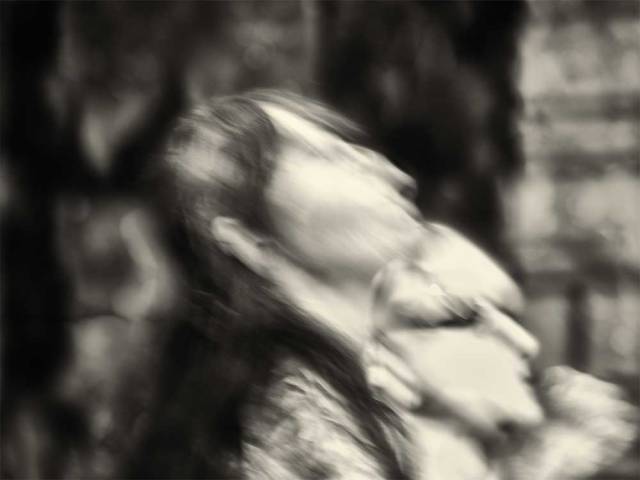
wpc: satisfaction
Old Fall River Road, a motor nature trail, is an auto route in Colorado’s Rocky Mountain National Forest that travels through the park’s wilderness to Fall River Pass, 11,796 feet above sea level. This road follows a course traveled long ago by Indian hunters in search of game and passes the site of a labor camp which housed state convicts who built a three-mile section of the 11 mile-long road with nothing more than hand tools.
The graveled one-way road which rarely exceeds 14 feet in width was largely built out from the hillside. In the steepest places, multiple switchbacks are stacked one above the other. What periodically blinded me to the absolute beauty of montane and subalpine forests, wild flowers, water falls, and alpine landscape along this narrow and curved road was the absence of any guard rails between me and the road-snuggling, never-ending, deep valleys.

the top of the world
At one point I found myself pulled back into memories of those Sunday drives through Rabbit Ears Pass where my parents, both deaf, would chat away with each other–eyes off the road–about the beauty around them…in sign language. Fear began to subside as we moved above the timber line to the Alpine Visitors Center. This Center, the highest facility of its kind in the National Park Services, offers a deep satisfaction and gratitude to the national park community for offering a road trip to the birthplace of glaciers that once worked they way up and down the mountain valleys and the Never Summer Wilderness where the temperature was 60 degrees…30 degrees less than the summer we escaped from earlier that day.
sliver of perspective
“…thoughts of the past, fantasies about the future, judgements and evaluations concerning…work itself–what are these but shadows and ghosts flickering about in our minds, preventing us from entering fully into life itself.”
~Philip Kapleau (Thich Nhat Hanh, Zen Keys, Introduction)

awakening
 “Suppose I invite you to join me for a cup of tea. You receive your cup, taste the tea, and then drink a little more…
“Now suppose I ask you to describe the tea. You use your memory, your concepts, and your vocabulary to describe the sensations. …concepts and words describe your direct experience of the tea, they are not the experience itself. Indeed, in the direct experience of the tea, you do not make the distinction that you are the subject of the experience and that the tea is its object, you do not think that the tea is the best, or the worst…There is no concept or word that can frame this pure sensation resulting from experience. You can offer as many descriptions as you like, but only you have had a direct experience of the tea. …And you yourself, when you are describing the experience, are no longer in it. In the experience you were one with the tea. There was no distinction between subject and object, no evaluation, and no discrimination. That pure sensation is an example of non-discriminative wisdom, which introduces us to the heart of reality.
“To reach truth is not to accumulate knowledge, but to awaken to the heart of reality. Reality reveals itself complete and whole at the moment of awakening. In the light of awakening, nothing is added and nothing is lost. …The moment of awakening may be marked by an outburst of laughter, but this is not the laughter of someone who has won the lottery or some kind of victory. It is the laughter of one who, after searching for something for a long time, suddenly finds it in the pocket of his coat.”
~Thich Nhat Hanh ( Zen Keys, pp.43-44)
twilight bell
The twilight bell
I waited for
is sounding —
if tomorrow is granted me,
I’ll listen for it again.
~Saigyo (B Watson: Poems of a Mountain Home)

nondiscrimination
“My right hand does a lot of things–it creates calligraphy and writes poems. Nearly all my poems have been written with my right hand because I don’t use a typewriter. There was only one time when I wrote a poem on a typewriter. When inspiration came to me, I did not have a pen at hand so I just put an envelope into the typewriter, and at that time my left hand participated. All the rest of my poems were written with my right hand alone, yet my right hand never says to the left hand, ‘You, you are good for nothing! You don’t do calligraphy, you don’t write poems. I do all the work, you never do anything!’

“The body never discriminates in this way. Don’t think that this is because our bodies do not possess any inherent intelligence. While trying to hang a picture on the wall, I held the nail in my left hand and hammered with the right. But instead of hitting the nail I hit a finger on my left hand. That happens from time to time, especially if you are high up on a ladder. Immediately the right hand put down the hammer and reached over to take care of the left hand, very naturally. The feet began to move to look for a bandage. Everything worked together very smoothly. Later the right hand did not say, “Hay left hand, remember how I helped you? Next time I need something you have to come and help me.’ Our innately wise bodies do not act in that way. So the wisdom of nondiscrimination is present in us as a living bodily reality. We have to train our minds to see in this way.

We form one reality. We exist in interbeing with all of life. When we understand this fundamental truth, our acts of giving will be made in the spirit of nondiscrimination. …we can offer a smile or a loving compassionate gaze. We can give the gift of calm, concentrated presence to help someone who is fearful or anxious. We can make an offering of our time and energy and work with the homeless, or with those who are prisoners or who are addicted to different substances, or to work on helping the environment. We have plenty of gifts to offer; we are far wealthier than we may imagine. We can help secure the happiness of many people even if we don’t have a single penny in our pocket.”
~Thich Nhat Hanh, Opening the Heart of the Cosmos
wpc: unusual
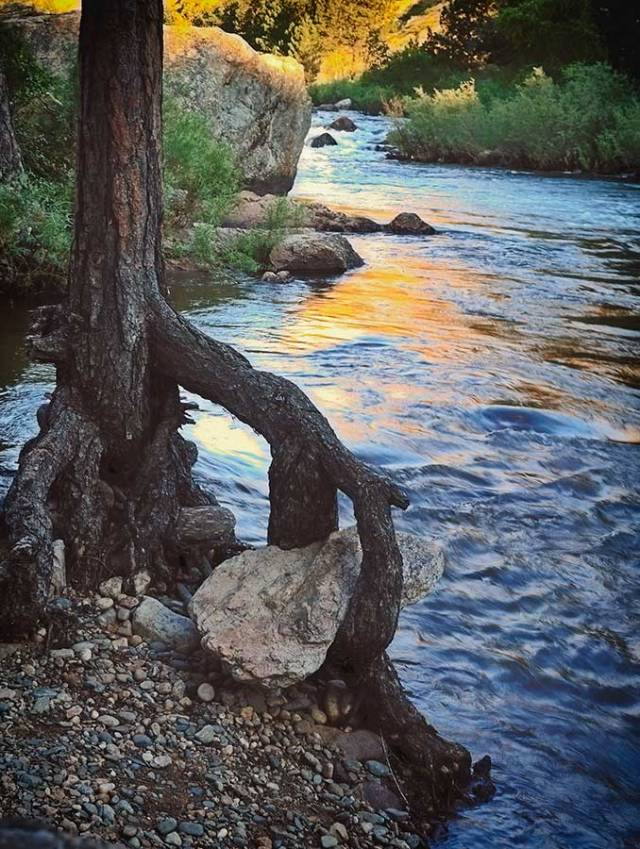
A river boulder embraced by a tree’s root…unusual
moon painting
Won’t you sing?
I will get up and dance.
How can I sleep
with the timeless
moon this evening?
~Ryokan (K Tanahashi: Sky Above, Great Wind)
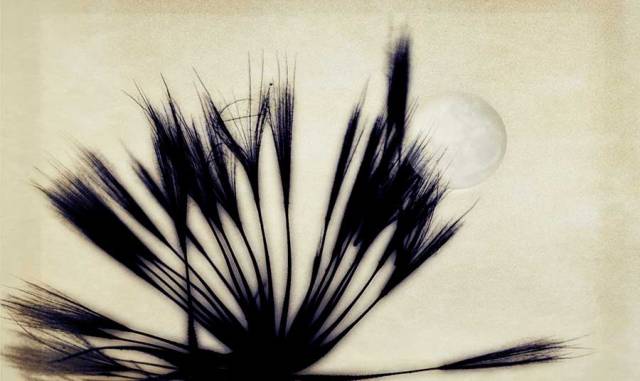
morning sun
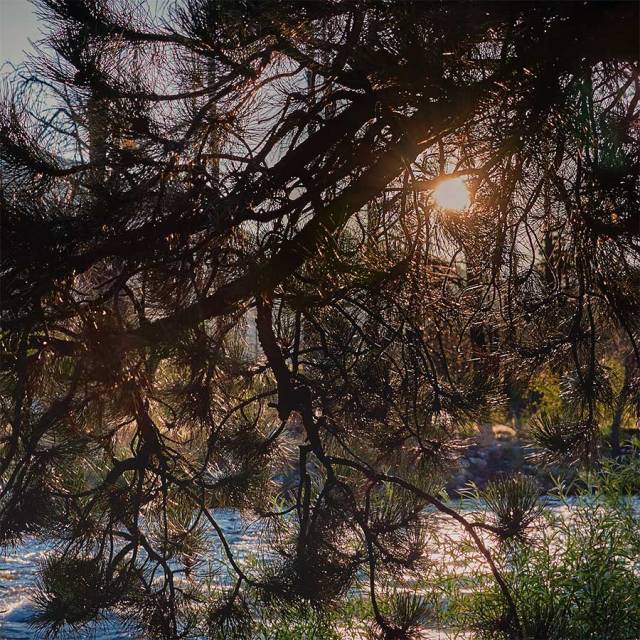
glimmer
In the mountain shade,
water in the moss
drips between rocks.
I feel a glimmer of clarity.
~Ryokan (K Tanahashi: Sky Above, Great Wind)


You must be logged in to post a comment.