lens artists: summer daze

After we moved into town I roamed through a backyard that extended south to the Yampa River, north over the creek and up the hill behind our home, and to the eastern and western edges of town.

During that summer the only concerns she expressed were to be home before dark and to wait an hour after eating as I [joined] a group of friends on the dirt path to the Yampa river with worn, faded, and tattered bath towels draped over our shoulders. Black inner tubes of various sizes dragged behind us filling the air with the pungent scent of faded rough rubber. The sounds of splashing water and laughter would fill the air as we gathered along the river bank and swam to the sandbar. No parents…no supervision. Freedom.

My mother gifted me freedom. (cited: My Mother Came to Visit, b c kofford)

A Summer Daze

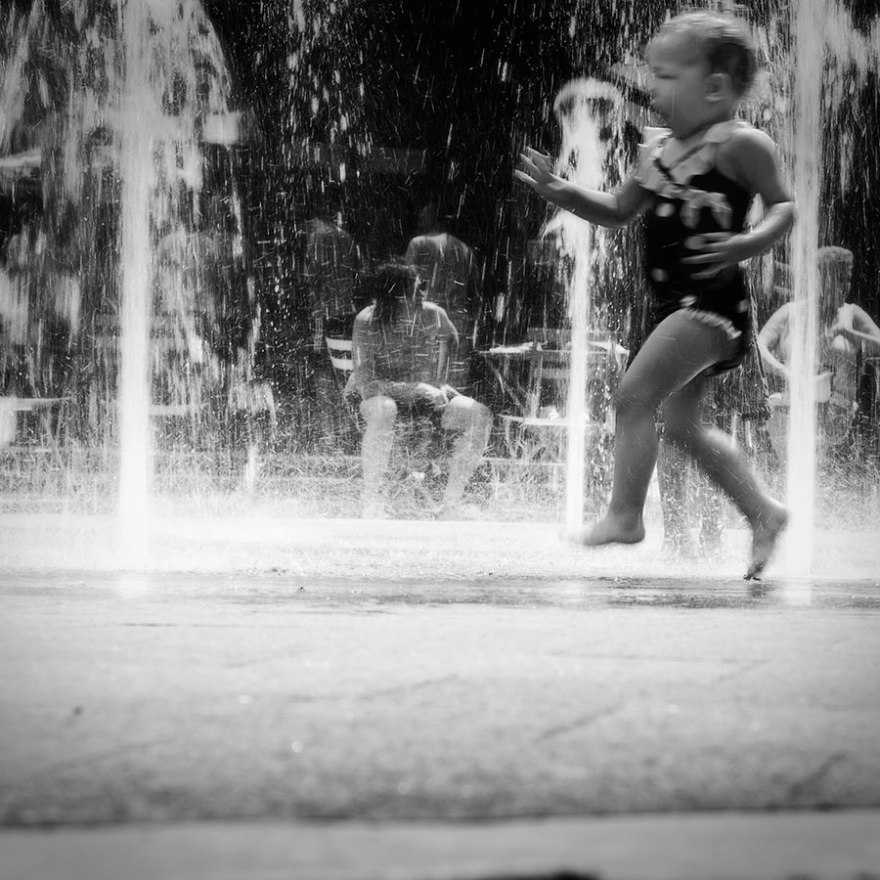
… the repeating tic-tic-tic swoosh of the water sprinkler’s voice with its tiny fingers of ice cold water drops … tickling and awakening goose bumps.

… the freedom of bare feet — bare feet freed from school shoes and rubber boots … running across fields with their dandelions, clover, and tall wild grasses; bees, butterflies, and dragonflies; as well as, unknown caves filled with magic carpets, hidden treasures of gold and diamonds, and invisible sailing ships. Coming into the house and instantly hearing my mother’s voice, “Go wash those feet! Who knows what dirt and germs you have picked up!”

(Translation: You are home … a home filled with a mother’s love and care)

… weekend trips to the library … books lined upon shelves … filled with the richness of words … brought home to bring to life stories slumbering within pages and creating imagined adventures out of treasure boxes filled with rummy-sale clothes and trinkets.

“No! You may not build a raft to float down the river, NO!”

… an aging self looking back for long ago summers … an aging self, locked into a present, fatigued by the absence of summer’s afternoon showers and drained by summer’s drying heat … missing, wishing, for those Sunday drives to Never Summer*

*Designated in 1980, the Never Summer Wilderness area is located mostly within the Arapahoe National Forest. Situated to the west of Rocky Mountain National Park, the Never Summer Wilderness area, including the Never Summer Mountain Range, provides a beautiful backdrop for the famous mountain vistas from Trail Ridge Road.

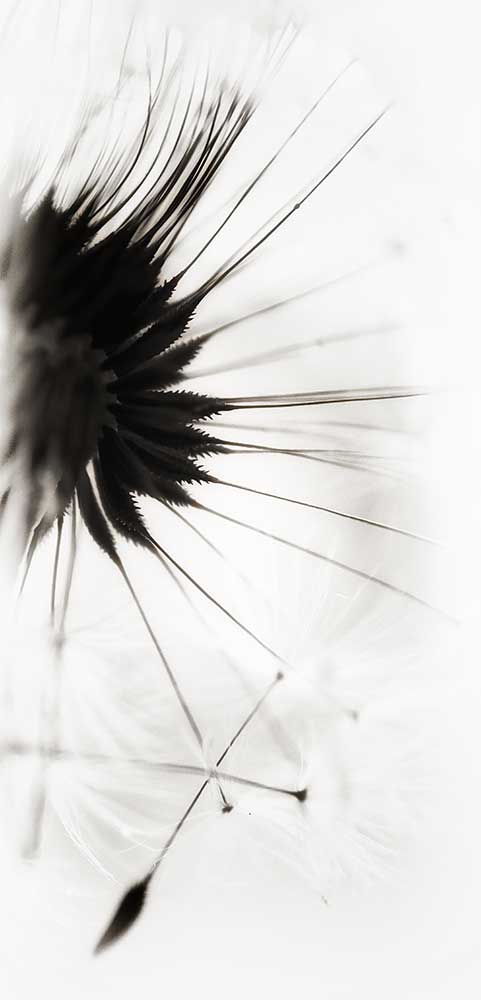
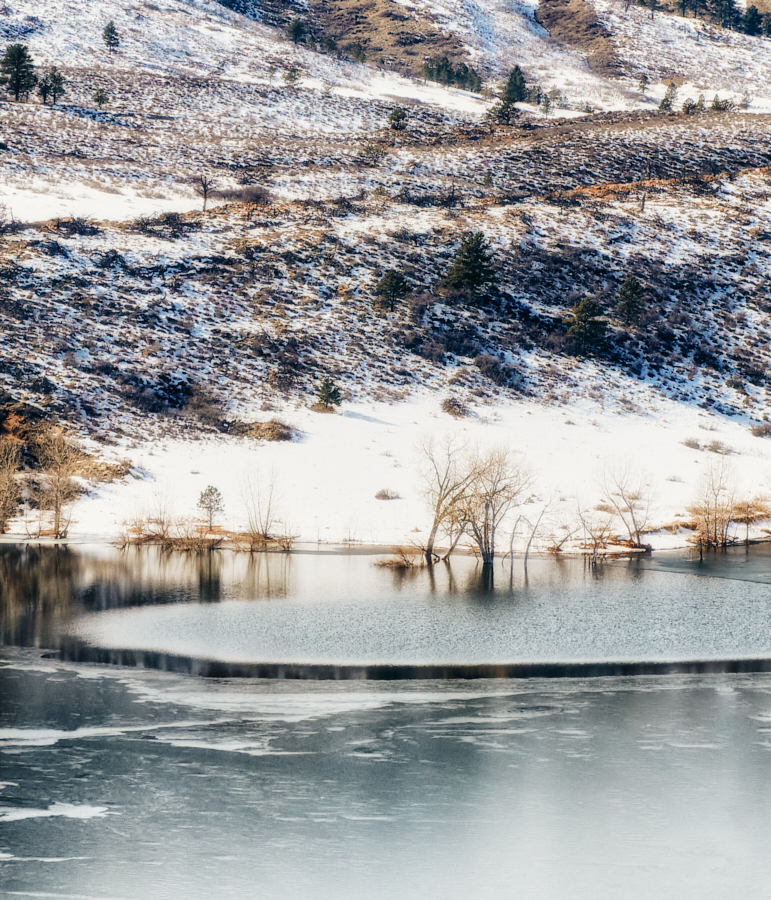
lens-artists challenge: seasonal

In the aging house,

crookedness of the door being straightened,

a spring-like winter day.

~Buson (Y Sawa & E Shiffert, Haiku Master Buson)


Walking on, walking on,

things wondered about — springtime,

where has it gone on too?

~Buson (Y Sawa & E Shiffert, Haiku Master Buson)

On the shortest path,

stepping through water to cross

in the summer rains.

~Buson (Y Sawa & E Shiffert, Haiku Master Buson)

No trail to follow

where the teacher has wandered off —

the end of autumn

~Buson (Y Sawa & E Shiffert, Haiku Master Buson)

and then… Vivaldi’s Four Seasons

An artistic journey through the seasons….a lens-artist’s challenge offered by Tina. 

a photo study: story photography

A series of photographs has the ability to convey a story through the inclusion of emotion, mood, ideas, and visual narrative.

Five basic elements of story photography are:

  1. Mood can be created by experimenting with blurring the background and ensuring the background has a relationship with the main subject(s).
  2. Illustrate an idea through abstraction, symbolism, or a close up of a particular detail.
  3. Emotions are conveyed through facial expressions or body language.
  4. Narrative begin with an established photograph of what occurs before the story begins.
  5. Message is created through an object, location, colors, style or a combination that leaves clues that encourages the viewer to formulate ideas.

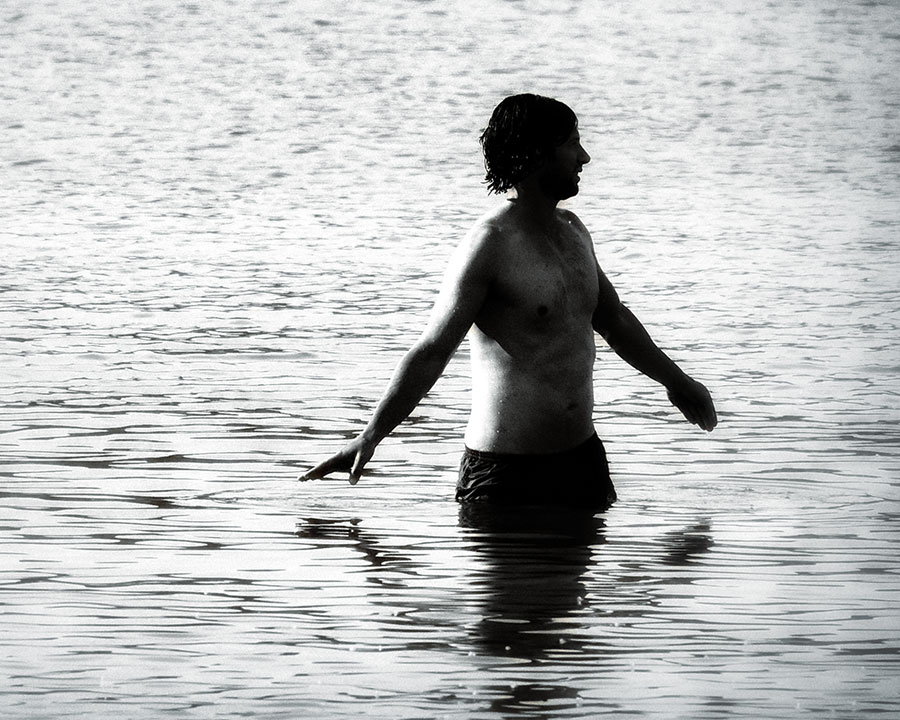
The introduction – an image that identifies the important characters while giving information about the context of the story and introducing the theme.  The first image should also be compelling and invite curiosity so that your viewer is drawn into the story.

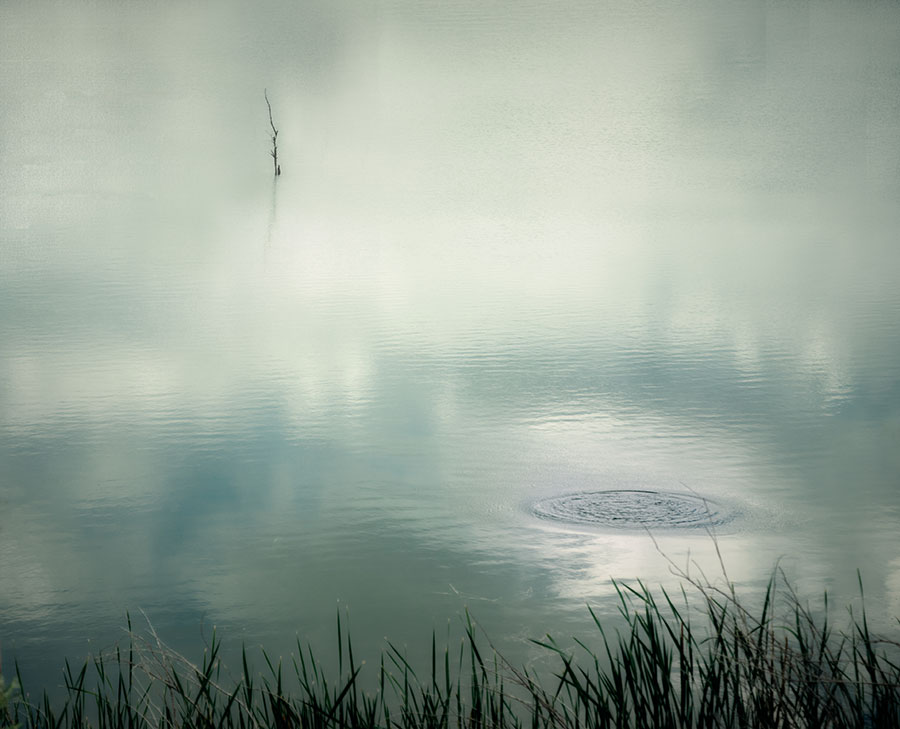
horsetooth-13story

the gaze

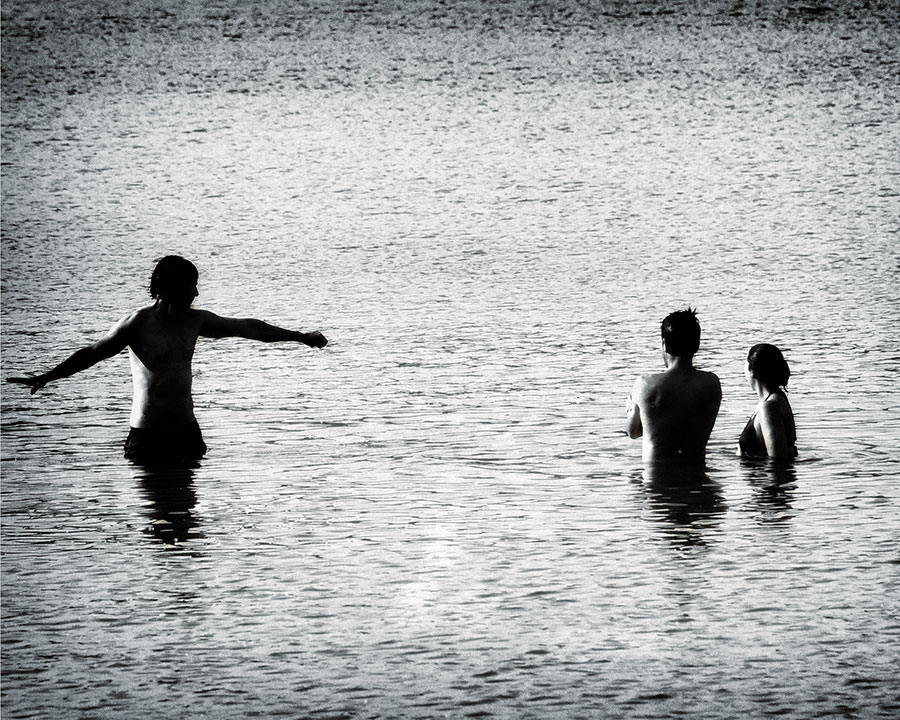
The Plot – introduces ideas, feelings, experiences while exploring themes. Do not forget to  follow the “rule of thirds” as this will definitely isolate and immediately draw the viewer’s attention to your subject.

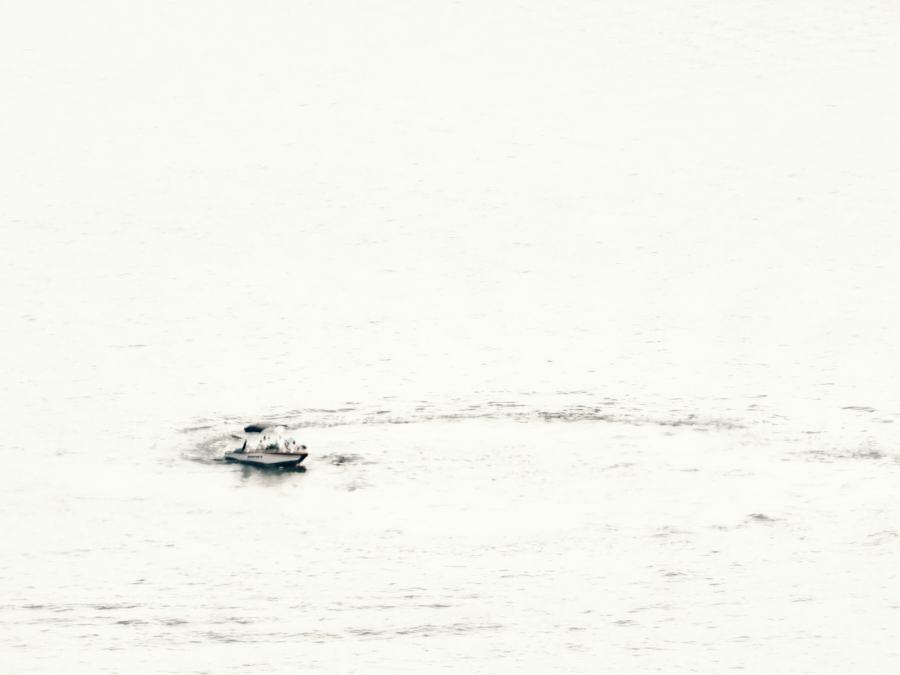
swimmerswebstory

elsewhere

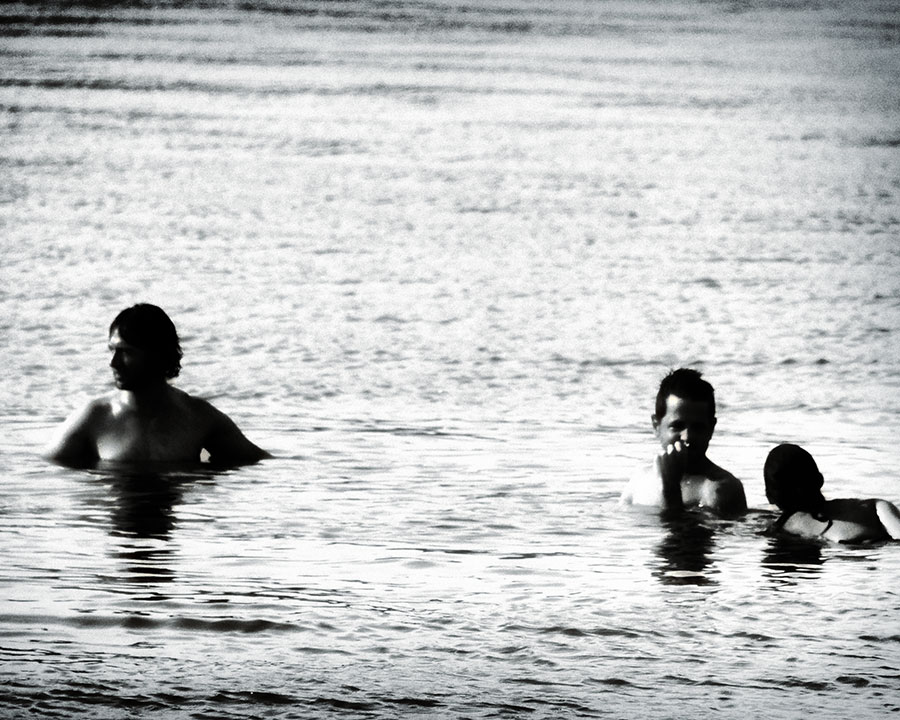
Varying characters’ perspective – photograph closer to your subject(s) or further away. Photograph from multiple angles to find which angle best communicates your story.

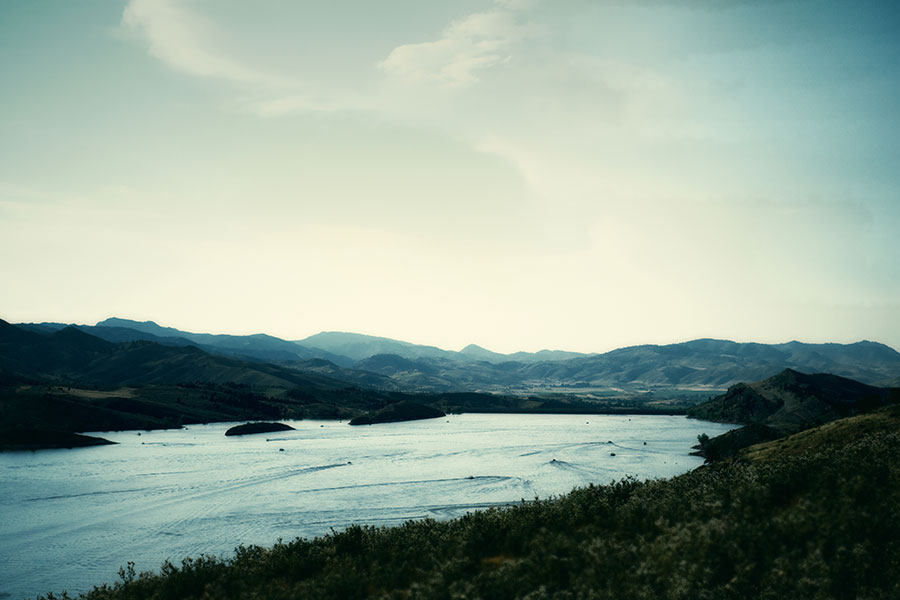
horsetooth-9story

watching

Stages – show images taken at different times/stages of the photo session.  Explore which subject needs to be included or excluded in an image.

horsetoothstoryweb

connecting

horsetoothstoryweb2

looking away

Focus on detail – you can also tell a story by paying attention to detail.  When photographing outdoors, make sure the sun is behind you or off to the side.

horsetooth-10photostory

disconnected

horsetoothstory4web

exclusion

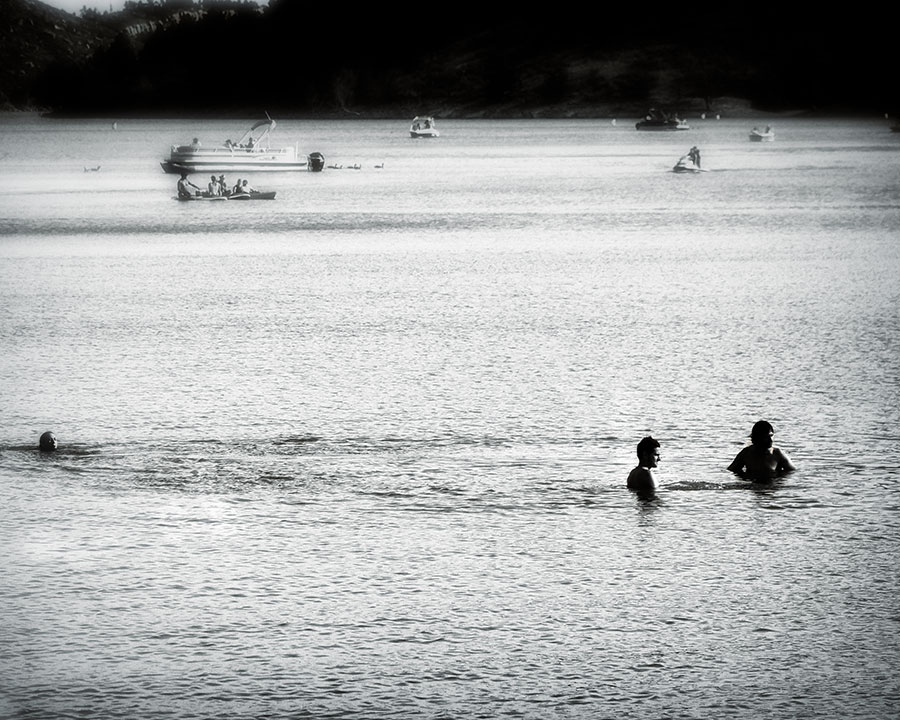
Photo editing – ensure there is variety among the images to create interest while at the same time link them together by processing them in a similar manner (black and white, lightening).

horsetooth-storyweb3

distancing

If you chose to caption your photos be sure to take note of what the subject(s) are doing without giving it away.  Cations should be short, clear, and simple.

Projects such as story telling, variations, and photo series are excellent learning experiences because they help explore creativity, encourage you to compare your work with earlier photographs and allow you to see how your ideas and techniques evolve over time.

I love a great story…do you have one to share?  Let’s tag with #aphotostudy.