as day breaks
all around the castle
the cries of ducks ~Kyoroku*
source
*The Moon in the Pines
trans: Jonathan Clements
as day breaks
all around the castle
the cries of ducks ~Kyoroku*
source
*The Moon in the Pines
trans: Jonathan Clements
How invisibly
it changes color
in this world,
the flower
of the human heart.
~Ono no Komachi*

…our ordinary vision is limited, and…our conventional consensus of reality is not the only version of reality.
The complex multidimensionality of the modern world no doubt contributes to the constructive habit of the mind that, in its attempt to provide meaning, continually rearranges the world to fit individual needs. The failure to recognize the constructive nature of the mind can be a major obstacle to artistry and creativity. Conversely, understanding the constructive nature of the mind and reality can lead the way to Great Understanding in the art of photography and in the art of living. (61)**
sources:
*The Ink Dark Moon
Trans: Jane Hirshfield with Mariko Aratant
**Tao of Photography
Philippe L Gross & S.I. Shapiro
her favorite flower
a child remembers, “sweet peas”
her forgotten moment
In making things end and in making things start,
there is nothing more glorious than keeping still. ~unknown
With one who does not speak his every thought
I spent a pleasant evening. ~ Hyakuchi*

Things wabi-sabi have a vague, blurry, or attenuated quality—as things do as they approach nothingness (or come out of it). One-hard edges take on a soft pale glow. Once-substantial materiality appears almost sponge-like. Once-bright saturated colors fade into muddy earth tones or the smoky hues of dawn and dust. Wabi-sabi comes in an infinite spectrum of grays…**
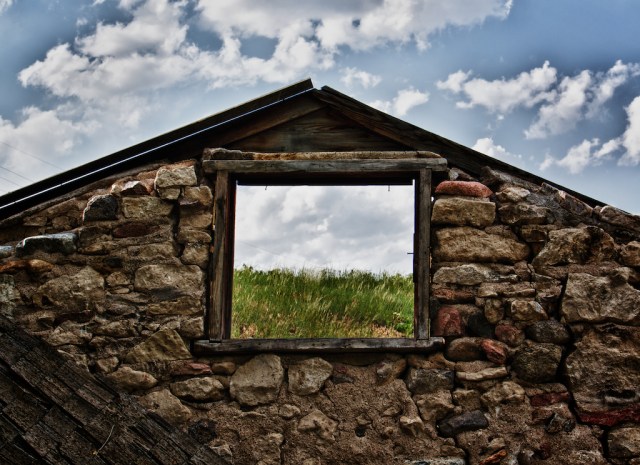
This week’s WordPress.com Weekly Photo Challenge submission: a barn in southeastern Wyoming
sources:
*The Moon in the Pines
Trans: Jonathan Clements
**Wabi-Sabi for Artist, designers, Poets, & Philosophers
Leonard Koren
The remarkable thing about deja vu, or other vivid experiences of recollection,
is that they are vested with significances that we cannot put into words.
At an earlier time, whatever happened might have seemed important, or might not.
But the recollection is charged with relevance, and tears flow for no reason.
Robert Aitken, A Zen Wave
Share a picture of CURVES and explain why you chose that picture!

Gramophone
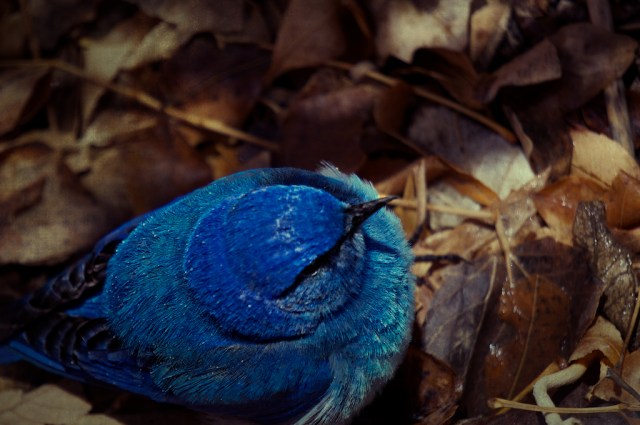
Blue Bird
‘A photograph,’ it has been said, ‘shows the art of nature rather than the art of the artist.’ This is mere nonsense, as the same remark might be applied equally well to all the fine arts. Nature does not jump into the camera, focus itself, expose itself, develop itself, and print itself. On the contrary, the artist, using photography as a medium, chooses his subject, selects his details, generalizes the whole in the way we have shown, and thus gives his view of nature. This is not copying or imitating nature, but interpreting her, and this is all any artist can do. ~Henry Emerson *
cited in:
Tao of Photography Seeing beyond Seeing
Philippe L. Gross and S. I. Shapiro
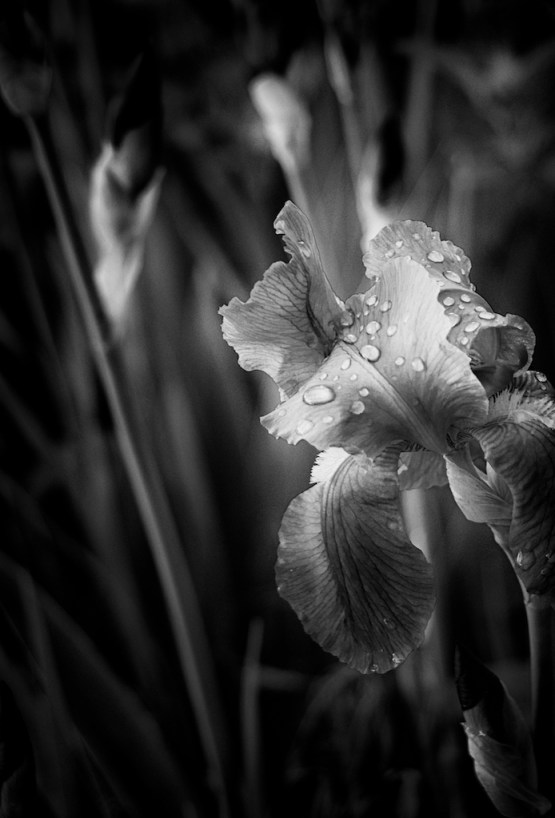
I am a drop of dew
Hanging from a leaf
Yet, I am not unrestful
For on this branch I
seem to have existed
~Izumi Shikibu
Coming, all is clear, no doubt about it
Going, all is clear, without a doubt
What, then, is it all? ~ Hosshin*

A new post specifically created for this WordPress Weekly Photo Challenge: escape
*source:
Japanese Death Poems
Yoel Hoffmann
In a discussion with Carol Jung,
one of the members of the Lamaist convent of Bhutia Busty, Lingdam Gomchen,
noted, “no one mandala is the same as an another”:
all are different because each is a projected image of the psychic condition of its author…
the mandala is a synthesis of a traditional structure plus free interpretation.*

A new post specifically created for this WordPress Weekly Photo Challenge: patterns
*A Dictionary of Symbols
J.E. Cirlot
Trans: Jack Sage

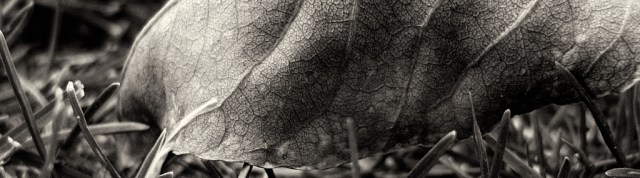
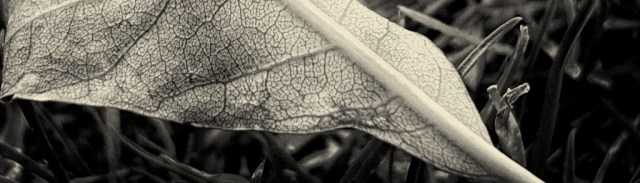
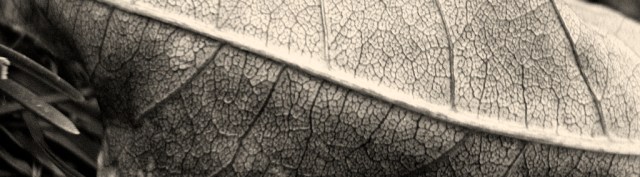
“But why now?”
You will ask, awake
in autumn night. ~ Nishiyama Soin*

*cited in:
Haiku Before Haiku
Steven D Carter
 a meditative journey
You must be logged in to post a comment.