my hut–
it’s a crooked path
to the New Year’s shelf
~Issa (www.haikuguy.com)

my hut–
it’s a crooked path
to the New Year’s shelf
~Issa (www.haikuguy.com)
The depths of the hearts
Of humankind cannot be known.
But in my birthplace
The plum blossoms smell the same
As in the years gone by.
~Ki no Tsurayuki


The video below was created by Yoshiyuki Katayama and cited at Aeon.com. Please gift yourself with this amazing visual journey with nature.
A term introduced by the Baltic German biologist Jakob von Uexküll in 1909, Umwelt refers to an organism’s internal and limited perceptual experience of the external world. This stunning experimental exploration of the concept from the Japanese artist Yoshiyuki Katayama contrasts flowers blooming at time-lapse speeds with insects and spiders atop them, captured in real time. As these two organisms move at what appear to be similar speeds, the viewer is reminded of the disparate timescales on which they usually operate, and the very different evolutionary goals that they pursue even as they interact with one another.
Olden memories
so brisk
in their fading,
this moment soon to follow —
shadows on the snow
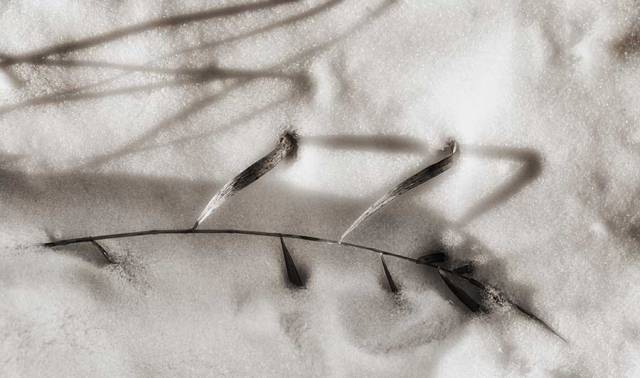
Nikon D750 f/5 1/4,000s 83mm ISO 800
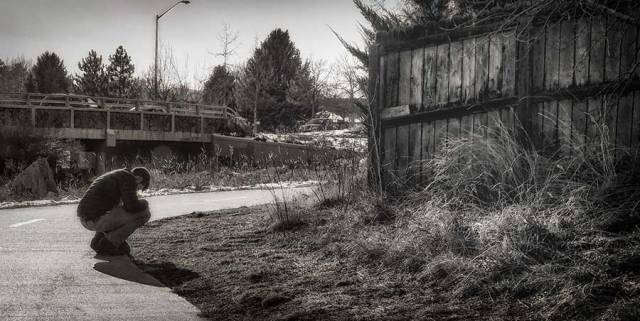
Nikon D750 f/8 1/3,200s 28mm ISO 800
This week my year-long commitment to study various elements of photography composition introduced me to lines: horizontal, vertical, diagonal, organic, and implied. Ted Forbes (The Art of Photography) wrote that while lines don’t actually exist in nature they are most likely the most basic element of visual composition. He further noted:
Lines serve many purposes in visual composition. They can divide the composition, they can direct the viewers eye, they can define shapes and they can make a statement to the feel or interpretation of the image by the viewer. Line’s speaking to the feel of a composition is extremely important.
horizontal

vertical
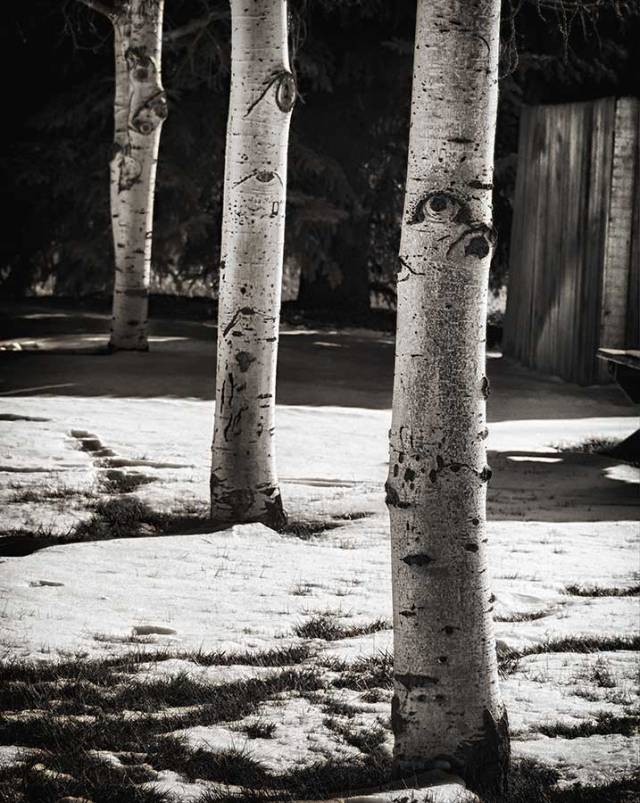
diagonal

organic
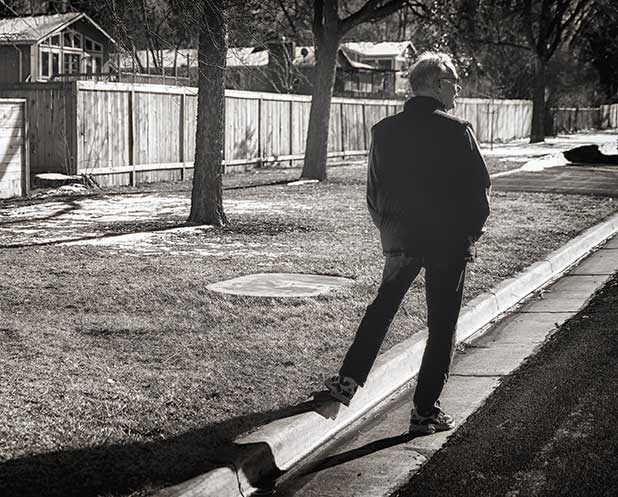
implied
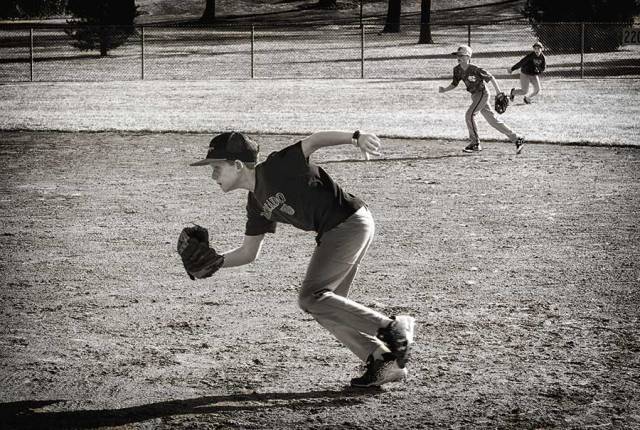
After this week, I am finding myself wondering about leading and curving lines as well finding myself in a bit of muddy water in regards to the differences between lines and shapes. Am I overthinking?
Would love to hear your thoughts and please feel free to join in.
To sum up this week here is Ted Forbes’, Photography Composition: Line.

Nikon D750 f/16 1500s 85mm ISO 800
After my initial posting, I found myself motivated to revisit Spring Creek trail with more intention to pay attention to Raj’s (XDrive ) high speed lesson. He noted that this high speeds allows the photographer to freeze motion as it permits “only a fraction of a second for the sensor to ‘see’ the scene” and the sensor “is going to record things at standstill even though they are moving.”

Nikon D750 f/5.6 1/2,000 300mm ISO 800

Nikon D750 f/5.6 1/3,200 300mm ISO 800

Nikon D750 f/5.6 1/3,200 300mm ISO 800

Nikon D750 f/5.6 1/3,200 300mm ISO 800
Thank you Raj…this lesson plan opened up a whole new visual world as well as shed some light into the importance of intention and attitude within the creative process of photography.
Rocky Mountain National Forest…Never Summer
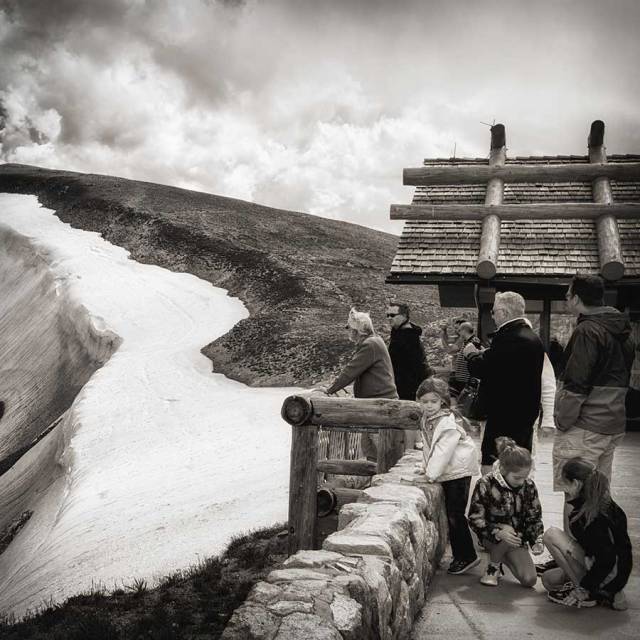
Nikon D750 f/7.1 1/320 28mm
How about a moment or two with Michael Jackson…

A Collage
May I find the Equanimity
that will lift this veil of shamed despair
and acquaint me to the perceived and perceiver
absent of greed, anger, and ignorance.

When we say, ‘I can see my consciousness in the flower.’ it means we can see the cloud, the sunshine, the earth, and the minerals in it. But how can we see our consciousness in a flower? The flower is our consciousness. It is the object of our perception. It is our perception. To perceive means to to perceive something. Perception means the coming into existence of the perceiver and the perceived. The flower that we are looking at is part of our consciousness. The idea that our consciousness is outside of the flower has to be removed. It is impossible to have a subject without an object. It is impossible to remove one and retain the other.
~Thich Nhat Hanh (The Heart of the Buddha’s Teaching, p.53)
Working homelessness in America…a glaring manifestation of income disparity.
Who lives there,
learning such loneliness? —
mountain village
where rains drench down
from an evening sky
~Saigyo O (B Watson, Poems of a Mountain Home)

It is a joy to be hidden and a disaster not to be found
~Winnicott
Old and Poor: American’s Forgotten
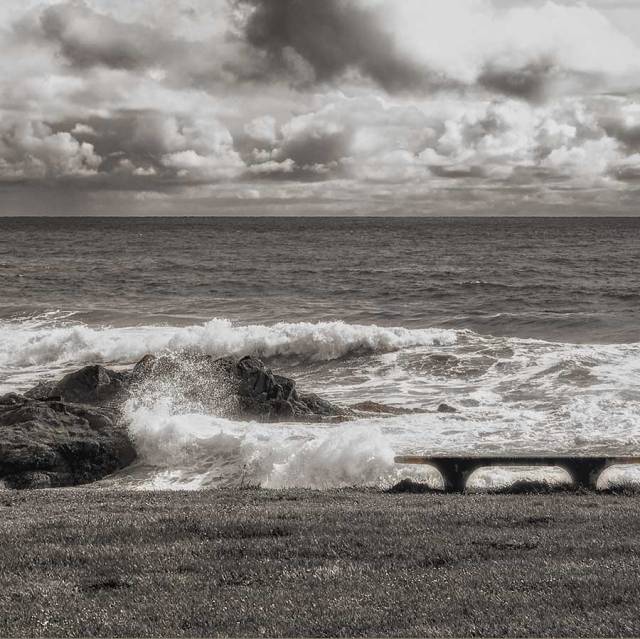
Over the wide sea
As I sail and look around,
It appears to me
That the white waves, far away,
Are the ever shining sky.
~Fujiwara no Tadamichi (1097-1164)
Mr. McGuire: I want to say one word to you. Just one word.
Benjamin: Yes, sir.
Mr. McGuire: Are you listening?
Benjamin: Yes, I am.
Mr. McGuire: Plastics.
Benjamin : Exactly how do you mean?
Mr. McGuire: There’s a great future in plastics.
Think about it. Will you think about it? ~The Graduate
 a meditative journey
You must be logged in to post a comment.