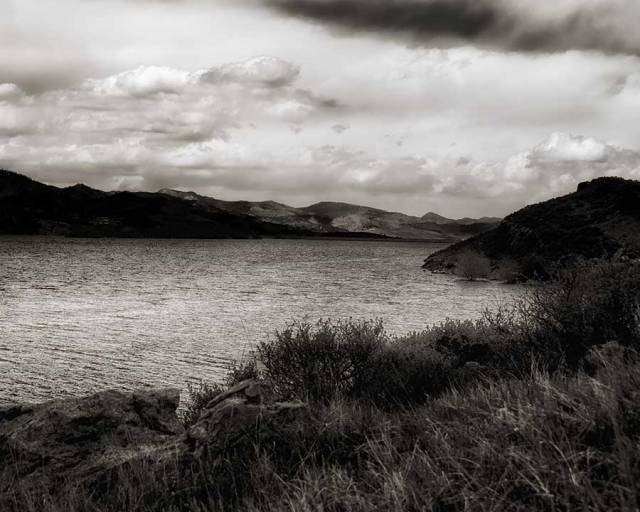
Horsetooth Reservoir…..Nikon D750 f/5.6 1/320 45 mm 100 ISO
Horsetooth Reservoir…..Nikon D750 f/5.6 1/320 45 mm 100 ISO

Nikon D750 f/4.5 1/2,500s 85mm 100 ISO
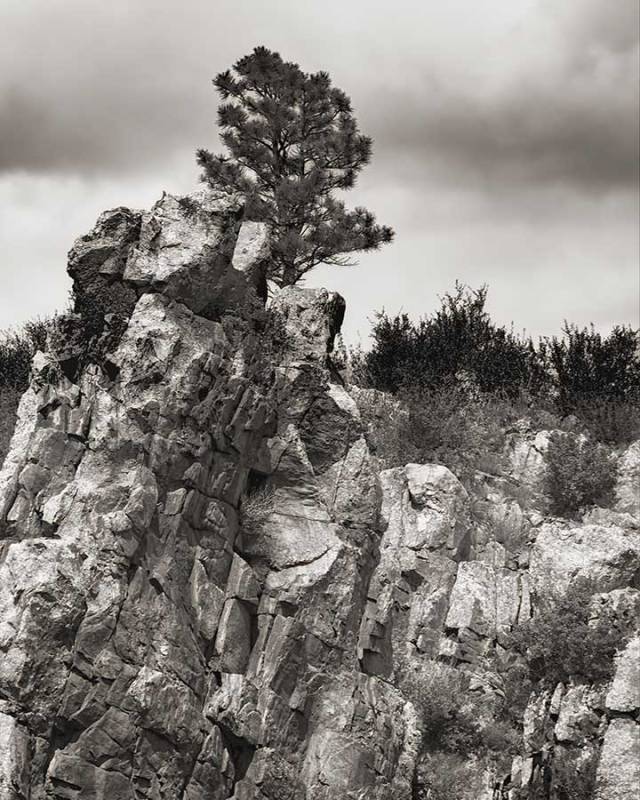
Nikon D750 f/8 1/50s 300 mm 100 ISO
We Are Not Separate From the Earth
We think that the earth is the earth and we are something outside of the earth. But in fact we are inside of the earth. Imagine that the earth is the tree and we are a leaf. The earth is not the environment, something outside of us that we need to care for. The earth is us. Just as your parents, ancestors, and teachers are inside you, the earth is in you. Taking care of the earth, we take care of ourselves.
When we see that the earth is not just the environment, that the earth is in us, at that moment you can have real communion with the earth. But if we see the earth as only the environment, with ourselves in the center, then we only want to do something for the earth in order for us to survive. But it is not enough to take care of the earth. That is a dualistic way of seeing.
We have to practice looking at our planet not just as matter, but as a living and sentient being. The universe, the sun, and the stars have contributed many elements to the earth, and when we look into the earth we see that it’s a very beautiful flower containing the presence of the whole universe. When we look into our own bodily formation, we are made of the same elements as the planet. It has made us. The earth and the universe are inside of us.
~Thich Nhat Hanh (https://earthholder.org/walking-with-earth/)
Photography is an art form and as such need not rely on rules. Yet, it is important for the photographer to keep in mind that the composition rules help create balanced, dynamic, and interesting images that invite a viewer to stay and visit in comfort.
The Rule of Thirds
The rule of thirds is the element of composition that begins with dividing an image into thirds, horizontally and vertically, creating nine imagined sections.
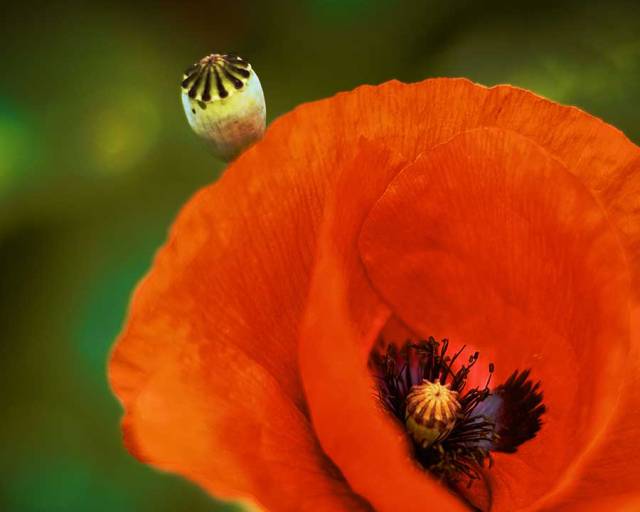
The theory is that if you place your subject in the intersections or along the lines, your image becomes more balanced and will enable the viewer to interact with the story more naturally.
With the rule of thirds in mind, it is recommended that the photographer should compose a photographer by asking,
“what are the points of interest in this shot?”
“where am I intentionally placing them?”

Studies show that the human eye naturally is drawn more to one of the four intersection points than the the center of the image. Yet, sometimes a photographer finds that placing the subject right in the middle of the frame makes for a more interesting composition.
Centering

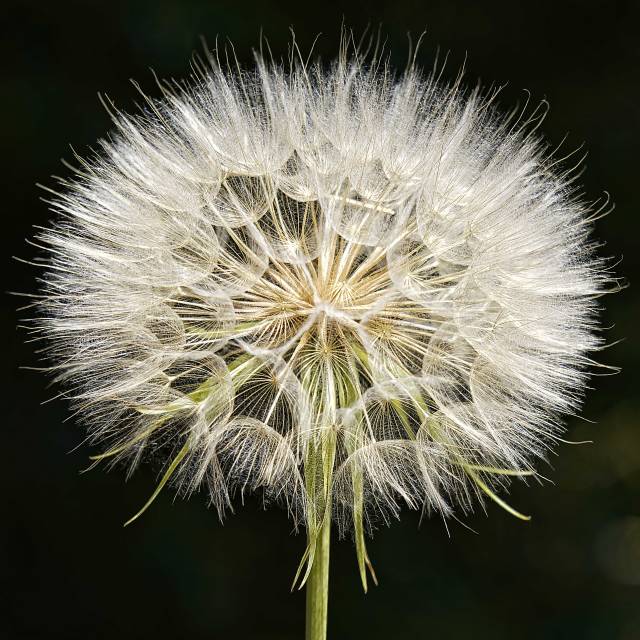
“Breaking” the rule of thirds opens the door to symmetry, creating balance on both sides of the image as well as the top and bottom.
We find beauty in natural symmetry. A butterfly, for example, has perfect symmetry when it opens its wings. Snowflakes, flowers and seashells also gift us with the beauty of balance.
Depth of field
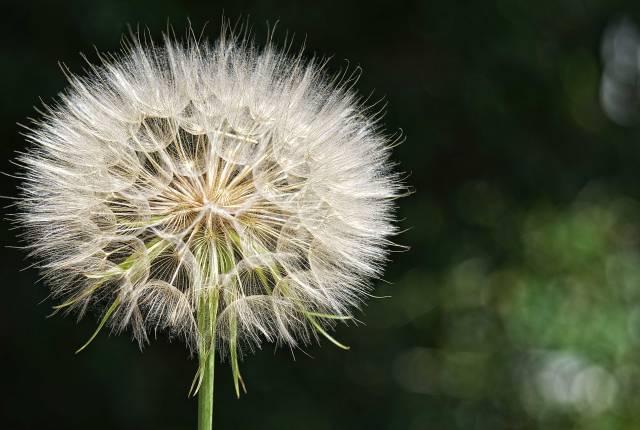
Scenes that feature a shallow depth of field may also not require rule of thirds placement. That’s because a shallow depth of field creates dimension in a photograph, and our eyes are drawn into images that have dimension. You will look into a shallow background even when you can’t identify what’s there, because your eye automatically wants to move through a scene that seems to have depth and dimension.
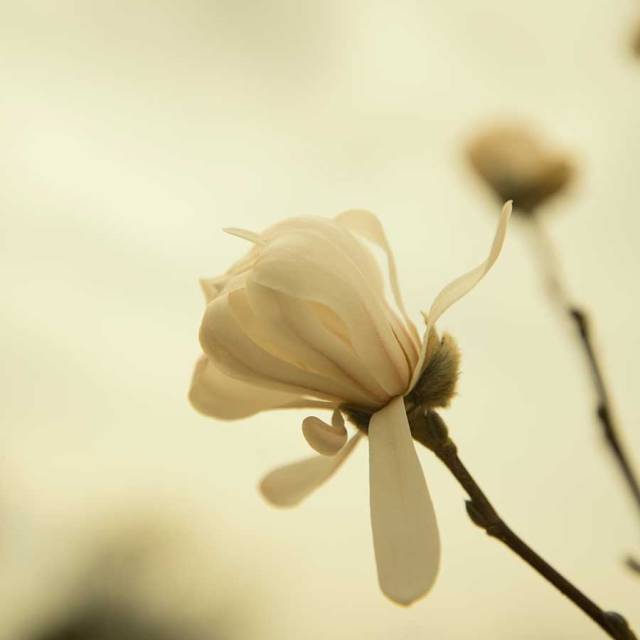
Love to hear your thoughts about rule of thirds and see how you use this basic composition tool in your creative endeavors.
I hope you enjoy Saurav Sinha’s discussion about composition.
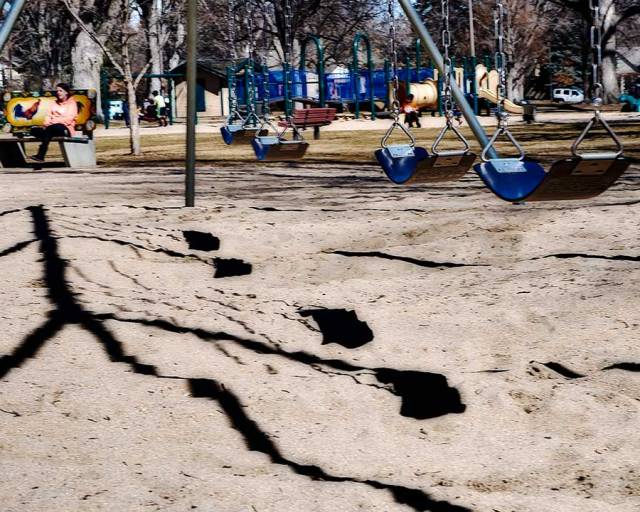
Nikon D750 f/7.1 1/20 35mm 100 ISO

Nikon D750 f/4.5 1/125 50mm 100 ISO

Nikon D750 f/4 1/160 s 55 mm 800 ISO
Clear waters unchanged
in a meadow
I saw once long ago,
will you remember
this face of mine?
~Saigyo (B Watson, Poems of a Mountain Home)

Nikon D750 f/4.5 1/3,200 85mm 800 ISO

Spring Creek…Nikon D750 f/4.5 1/2,000 85mm 100 ISO
“…we never just ‘see’ something in the sense that a photographic plate receives rays of light. In the real world we bring a lot of our selves to the party. And that means gaze alters what it finds.”
cited: Iain McGilchrist, The Master and his Emissary
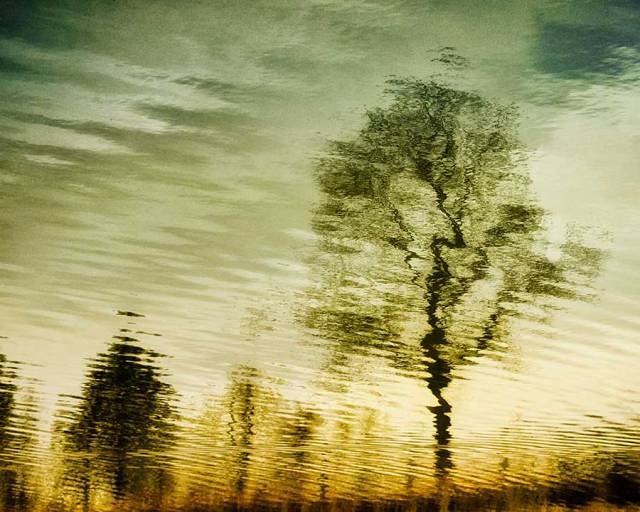
Nikon D750 f/4.5 1/3,200 48mm 100 ISO
“About twelve years ago, I met a homeless woman who identified herself as a sundowner. She described how each evening’s sun invited her to settle down along the side of her life’s path so that her journey could begin afresh in the morning sun. She eloquently described an undercurrent of yearning that ebbed and flowed throughout her soul and how, in her past days, she found herself at the mercy of private memories, thoughts, and imaginations and had encountered, time and time again, various degree of discontent despite the seemingly fulfilling qualities of her life.
As I hear the suffering within women who story their lives through the multi-colored threads of substance use, I find myself acknowledging a similarity within each of these unique stories with my own metaphysical search for someone, something, or some place that remains beyond the forever next horizon. Each of our unique narratives reveal an unending wandering with satchels of discontent that tell of a spiritual emptiness and an emotional intimacy with a homesickness for a place one knows cannot be.”
~B Catherine Koeford (A Meditative Journey with Saldage)

Looking for curves…Nikon D750 f/7.1 1/80s 35mm 100 ISO
“Photography is a medium where one admires the work done by others…It is great to admire the work of other people, but it’s necessary to have one’s own distinctive style…I would rather be a mediocre photographer than an excellent imitator..the best thing I have ever heard about my work is when someone said, “that is unmistakably a Ralph Gibson photograph…” ~Ralph Gibson
During a taped interview with COOPH, Ralph Gibson shares a koan that was offered to him by Dorothea Lange, “Oh, I see your problem Ralph you have no point of departure.”
To which Ralph replied, “That’s true Dorothea. What is the point of departure?
“Well if you have your camera and you’re going down to the drugstore to buy toothpaste…you have an objective to buy toothpaste…you might then intersect something worth photographing. But if you just walk around the street looking for something to shoot you will never achieve very much.”
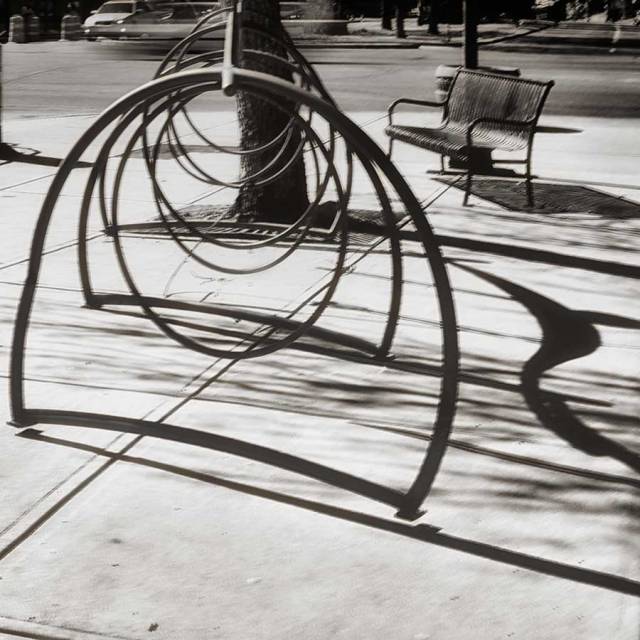
Looking for geometric shapes….Nikon D750 f/7.1 0.4s 24mm 100 ISO
Ralph Gibson has expanded his initial understanding of a point of departure. It guides him to be looking for an unusual point of interest or perspective in an ordinary frame. To help achieve this point of departure, he notes, “Take your camera everywhere with you… If you have your camera in tow, chances are that you might come across a striking frame. But, if you just stand at the corner of a street and wait for something to happen, you will never get a picture.”
“To have a point of departure is not to go out and shoot. It’s to have a project in mind and going out looking for a shot that represents or showcases this emotion or concept that your project is about.” ~Ralph Gibson
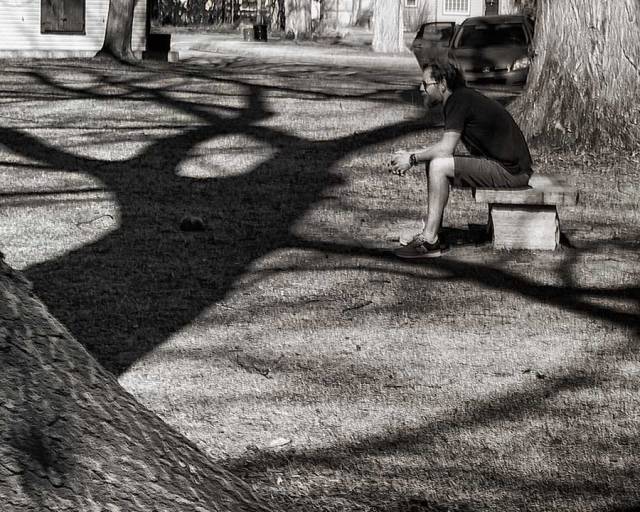
looking for shadows…Nikon D750 f/7.1 1/30s 35mm 100 ISO
“From now on, before I go shoot, I’ll consult internally to focus on one thing I want to capture, and have that point of departure. It’ll give purpose to my work and me being out there. The advantages are that I’ll learn patience, presence and a deeper sense of observation. This is a powerful and deep message…have a point of departure.” ~Ralph Gibson

looking for shadows…Nikon 750 f/7.1 1/15s 35mm 100 ISO
“I have investigated a lot of ideas—I love taking pictures of nothing, of ordinary objects, maybe even just the corner of a room. I love flattening and even reducing things. When I photograph flesh, I like to make it look like a stone. But, when I am photographing a stone, I like to make it look alive. I love re-contextualising the quality of my subjects.”~Ralph Gibson
Why not take a few minutes to wander about a gallery of Ralph Gibson’s work: http://www.ralphgibson.com/gallery.html
As I’ve noted before, I have enjoyed the process of sharing ideas and images. I’m looking forward to reading your thoughts about point of departure.
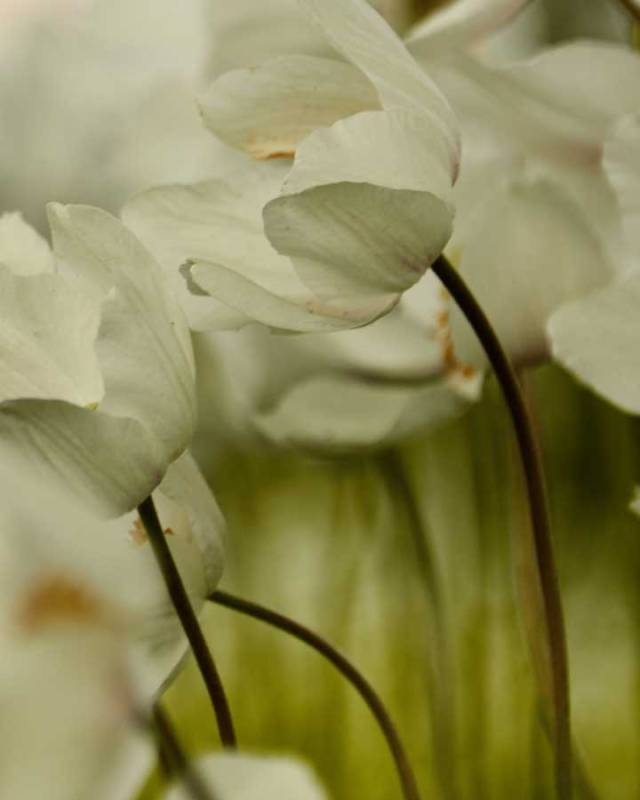
 a meditative journey
You must be logged in to post a comment.