Should I leave this burning house
of ceaseless thoughts
and taste the pure rain’s
single truth
falling upon my skin?
Izumi Shikibu (J Hirshfield & M Aratani, The Ink Dark Moon)

rhythm… Nikon D750 f3/2 1/320 40mm 100 ISO
Should I leave this burning house
of ceaseless thoughts
and taste the pure rain’s
single truth
falling upon my skin?
Izumi Shikibu (J Hirshfield & M Aratani, The Ink Dark Moon)
rhythm… Nikon D750 f3/2 1/320 40mm 100 ISO
My mother once described a job interview for a dietary postion within a small community hospital in which she was asked if she could cook. She described how she directed the woman’s gaze to the various pictures of her children that were placed about her living room and invited the woman into her kitchen to show her that she, indeed, as a mother did and could cook.
This question, was experienced by my mother as an example of discrimination…a prejudice of deafness. As I listened to my mother’s story, I understood the question as appropriate to the job. What I interpreted to be discrimination came from the environment in which the interview occurred…not at the hospital, but within the privacy of her own home.
How many job interviews take place within a job applicant’s home?
Being a child of my mother’s and a female, I believed I came to understand discrimination, oppression, and marginalization, both personally and through my mother’s life stories. As a child, she was required by state law to attend a deaf school and initially attended a school that was close enough to the family home to allow for weekends with the family. Yet, because the school was located out of state, she had to enroll in a state school much further away, Consequently, she was then only able to be with family during specific holidays. This is of a time when letters were her only course of connection with her family.
Also, the school she attended had a policy prohibiting communication through the use of sign language as a means to assist the students to fit in with the “hearing world.” I smile today, remembering her pride as she described the opposition to this policy. She and her classmates would gather together in an attic, at night, to teach one another how to speak in sign.
The events of today have invited me to reflect upon my own behaviors — and even my reaction to my mother’s job interview experience — and to see them as being influenced by discrimination, marginalization, and oppression especially in light of my understanding of “microaggression.”
Microaggressions are the everyday verbal, nonverbal, and environmental slights, snubs, or insults, whether intentional or unintentional, which communicate hostile, derogatory, or negative messages to target persons based solely upon their marginalized group membership. In many cases, these hidden messages may invalidate the group identity or experiential reality of target persons, demean them on a personal or group level, communicate they are lesser human beings, suggest they do not belong with the majority group, threaten and intimidate, or relegate them to inferior status and treatment.
…microaggressions are active manifestations and/or a reflection of our worldviews of inclusion/exclusion, superiority/inferiority, normality/abnormality, and desirability/undesirability. Microaggressions reflect the active manifestation of oppressive worldviews that create, foster, and enforce marginalization. Because most of us consciously experience ourselves as good, moral and decent human beings, the realization that we hold a biased worldview is very disturbing; thus we prefer to deny, diminish or avoid looking at ourselves honestly. Yet, research suggests that none of us are immune from inheriting the racial, gender, and sexual orientation biases of our society. We have been socialized into racist, sexist and heterosexist attitudes, beliefs and behaviors. Much of this is outside the level of conscious awareness, thus we engage in actions that unintentionally oppress and discriminate against others.
~ https://www.psychologytoday.com/blog/microaggressions-in-everyday-life/201011/microaggressions-more-just-race
I have come to realize that to there are no benign questions…and that a small section of my indignities towards another arise, in part, from my own denial and ignorance. Awakening to the suffering of others and to the unintentional harm I have caused others brings tears to my eyes as well as leaves me floundering in how to apologize.
It is my hope this sharing of Br Phap Man’s video, “Inclusivity and Justice”, is a small step that brings about a healing awakening that overcomes walls of various shapes, formations, and sizes.
On a troubled current
we grow old in this world–
today’s rain-filled stream
will only increase
with tears.
~Izumi Shikibu (J Hirshfield & M Aratani, The Ink Dark Moon)

rule of thirds…rhythm…symmetry Sony NEX-5N f/8 1/200s 96mm
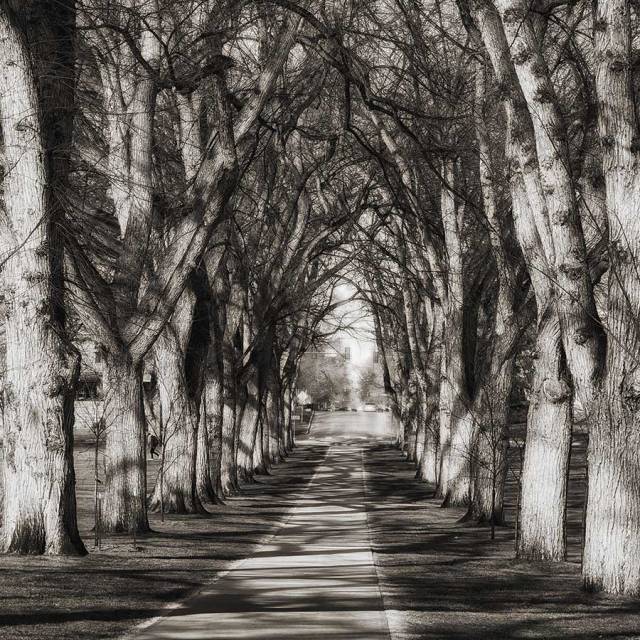
Nikon D750 f/8 1.160s 85mm 100 ISO
A visual study of elements of composition through the use of amazing images by Steve McCurry. Hope you enjoy.
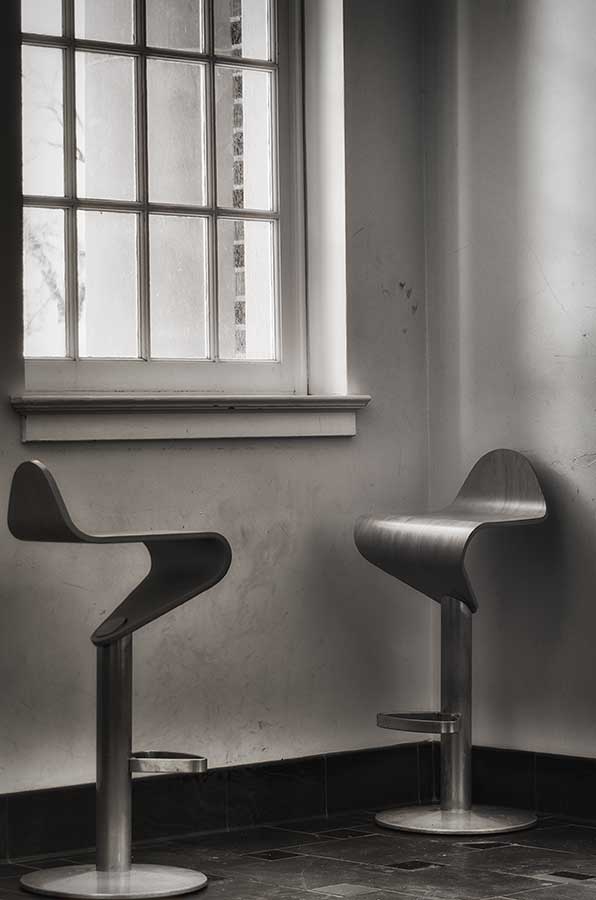
Nikon D750 f/4.8 1/10s 68m 100 ISO
Rhythm, a vital element within music, dance, and poetry, is also important in photography. Ted Forbes writes that visual pulses are within all visual compositions.

Repetition is easy to find…all around us are shapes that are pretty basic and similar to each other. We will see them repeating at regular intervals within nature, design, works of art, architecture, and photography.
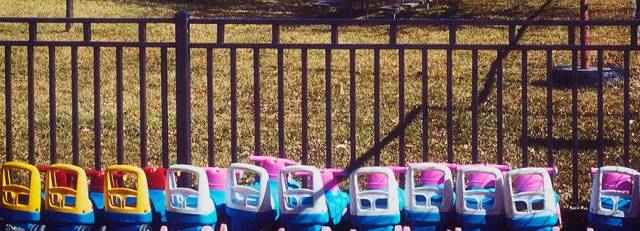
Standard rhythm involves the same or similar elements repeating at regular intervals — think of equally spaced light posts extending from left to right across the frame, the slats of a crib, or a series of windows on the side of a city apartment building. These patterns can be thought of as a subset of rhythm in that patterns always have rhythm, but rhythm doesn’t always have patterns.

Rhythm affects the quality of our viewing experience and helps draw and keep the observer’s eye within the frame. Visual rhythm is often most powerfully used as a vehicle for or backdrop to your central story or primary subject.

After a week of studying rhythm, I’m finding a need to stay with this topic as the extension of rhythm within sound and physical sensations to a visual format is like…hmm…sitting in an introduction to physics class. Well, maybe not exactly like a physics class…maybe more like an introduction to “imaginary numbers.”

In the meanwhile, I’ve concluded this week’s photo study blog with a Ted Forbes’ video rhythm in visual composition. I would enjoy hearing your thoughts and understanding about rhythm as well as seeing some of your creative use of repeating patterns.
 1. “I will be strongly pushing Comprehensive Background Checks.” That sounds like a worthwhile reform, though it would be a rather dramatic reversal for Trump, who, as Rachel noted on last night’s show, has weakened the background check system.
Indeed, the L.A. Times reported this week, Trump administration officials “have quietly chipped away at the National Instant Criminal Background Check System, the federal system that stores consult to make sure buyers are eligible to purchase guns.” The piece added, “In his recently released budget for the coming fiscal year, Trump proposed slashing millions of dollars from the budget for the background check system.”
2. “…with an emphasis on Mental Health.” Again, Trump is the one who, shortly after taking office, took steps to make it easier for the mentally impaired to buy guns. What’s more, as the Washington Post’s Catherine Rampell explained last week, Trump’s proposed budget calls for significant cuts that, if implemented, would limit access to mental-health services for many Americans.
3. “Raise age to 21.” There seems to be a growing number of Republicans who can’t answer questions about why a young adult can buy an assault rifle, but not a beer. The NRA, however, has not yet signed off on the change.
4. “…end sale of Bump Stocks.” If Trump is serious about this, he could endorse the pending legislation banning bump-stock modifications. So far, he hasn’t
Cited: http://www.msnbc.com/rachel-maddow-show/guns-pay-attention-what-trump-does-not-what-he-says
I am finding myself wondering if those who support guns in schools, churches, malls, etc. have they ever, personally, been in a war zone. A quote from a very close friend:
Before I went to Vietnam, I went through six months of extensive weapons training, and then SERE (survival, escape, resistance, and evasion) training. Even so, I’m not embarrassed to admit, I still pissed my pants in my first firefight with the VC. Yeah, I came home, but some did not. Are we now expected to train our educators to the same standard? Why on earth would I want my daughter [an university instructor] subjected to the same terror? Would you? I do not.
Then I am beginning to wonder if the focus upon Second Constitutional is more about a distraction that comes from stirring up emotive distance while the gun industry is silently expanding their market shares. The easing of the federal background checks, removal of criminal records, budget cuts, opening up gun ownership to “mentally impaired” individuals, easing interstate carry of weapons, and now arming school teachers…all in all has the hidden benefit of expanding the market share. Did the NRA begin lobbying politicians as the gun industry saw potential loss of revenue due to market saturation?
Before I labeled myself as an independent or progressive, I am foremost a parent, a grandparent, and more recently a great-grandparent. My youngest grandchild will graduate from high school this spring. I worry, as do most conscientious parents, grandparents and great grandparents, about the availability of these weapons falling into the hands of an irresponsible person and using it against helpless teachers and students.
My world of friends and family is rather small…yet, my life history includes the loss of a childhood friend after being shot by his brother, two teen suicides, and the deaths of three young sons by their father. I also have a dear, dear friend whose childhood family was taken hostage by her stepfather that ended when the police chose to use…not weapons, but tear gas. No one was seriously injured throughout this ordeal; yet, I wonder would the ending to this trauma be even more intense for her and her family if there had been a gun in the home…
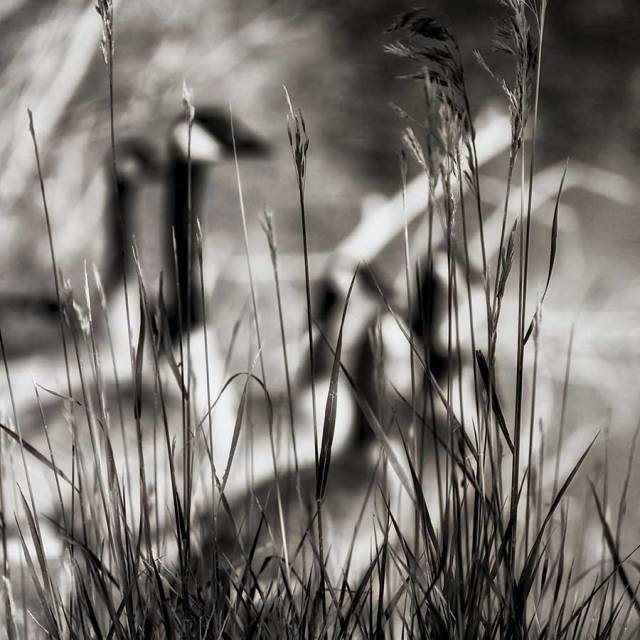
Sony NEX-5N f/6.3 1/500s 210mm
the rhetoric that fills the air…
http://player.theplatform.com/p/7wvmTC/MSNBCEmbeddedOffSite?guid=n_maddow_bhockley_180221
Within xdrive photography’s bokeh lesson, Raj notes that the unique blur within photographs known as bokeh is a composition tool that allows a photographer to guide a viewer’s eye as well as to keep distracting elements hidden.
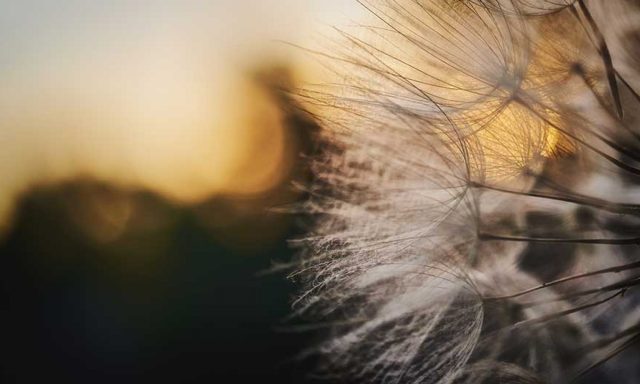
Nikon D750 f/3.2 1/320s 40mm ISO100
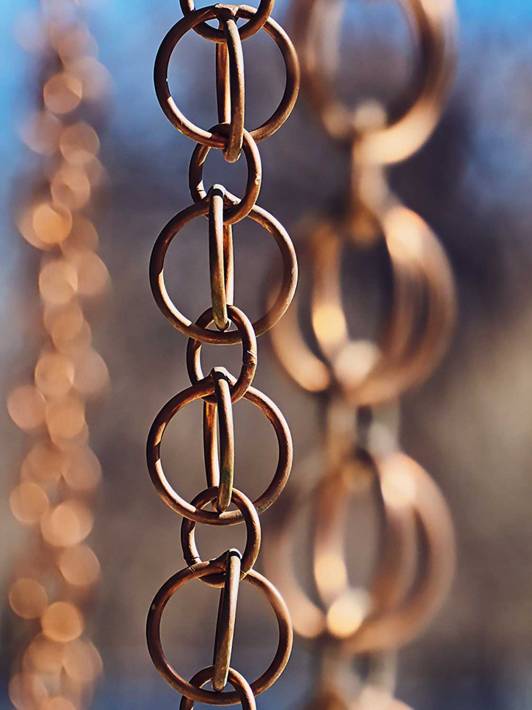
Nikon D750 f/5.6 1/320s 230mm ISO 100

Nikon D750 f/5.6 1/200 210mm ISO 100
Over to you Raj. Thank you for this informative lesson and your amazing images.


The human body speaks…very loudly through its postures and movements. More and more I’m finding that photographers who create street images from perspectives other than direct portraiture opens me to ponder individual humans stories that speak through the body’s emotional expressions which often are distracted from by a smile, an eye glimmer, a hair cut, a style of dress, etc.
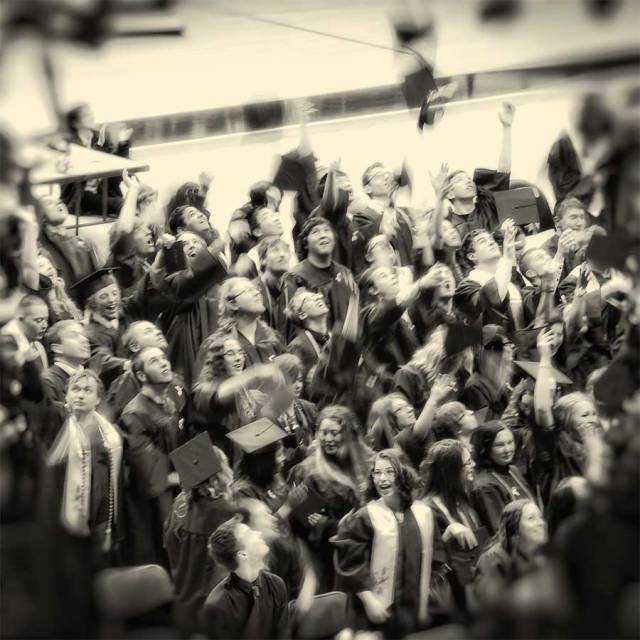
images submitted in response to Erica’s photo challenge: A Face in the Crowd

Sony NEX-5N f/6.3 1/400 186m

 a meditative journey
You must be logged in to post a comment.