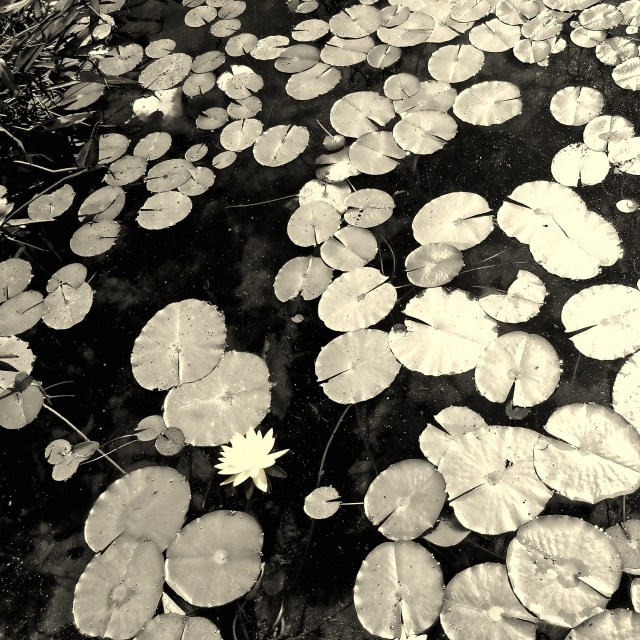
Singular Richo GX100 f/2.5 1/800s 5/1m
Singular Richo GX100 f/2.5 1/800s 5/1m
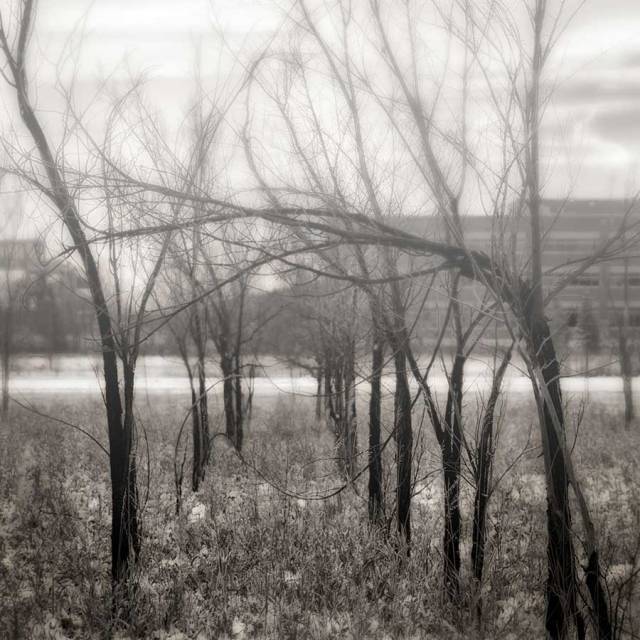
Nikon D750 f/4,8 1/640 63mm

Laramie Mountains Ricoh GX100 f/16 1/217 15.3
Thus far, this photo study project has expanded my understanding of: rule of odds, simplification and negative space, composition, lines, shape, and the photographer. This week, I “focused” on Ted Forbes’s discussion on sub-framing and while I initially bounced up against an internalized adolescent wall of resistance, the intention to first understand, then to see, and finally to create images with this composition tool in mind brought about a bit of…fun. (Note to self: don’t cave into those pesky adolescent moments of opposition and resistance.) Also, as I reviewed my photo files, I was surprised to find sub-framing in past blog postings.


A simple way to understand sub-framing is to re-define it as a picture in a picture. This technique invites a viewer’s eye into an image through the use of natural or man-made elements. This invitation to the viewer to be guided from the foreground to the background also adds depth to an image. They may take multiple shapes or forms and may either dominate an image or constitute a small component in a wider composition.
Using architectural elements is probably the most obvious way to frame a subject. Using doorways, window frames, archways, framed mirrors.


Urban landscapes in general and street scenes in particular offer countless opportunities to use sub-frames to add depth and interest to what would be otherwise somewhat average shots.


Natural sub-frames generally don’t offer the uniformity that one finds in man-made structures but will add significantly to an overall composition. Trees easily frame a subject. and the use of grass, flowers, or bushes can often bring more attention to your subject by creating a blurred foreground as the eye tends to go toward the in-focus areas of the images first, while the added dimension adds depth to the photo to make it more interesting.


Sub-frames need not necessarily be created by fixed physical elements but may also be created on-the-fly.


Sub-frames can provide interest and focus within portraiture shots where the composition seeks to include the wider environment rather than only capturing details of the individual subject.

In closing I wish to express my gratitude to Ted Forbes for offering these amazing videos. Also, I included links to photographers, Robert Frank and Saul Leiter, two leading photographers who have creatively incorporated the sub-framing composition technique.
I would love to hear your thoughts and see your creative efforts.
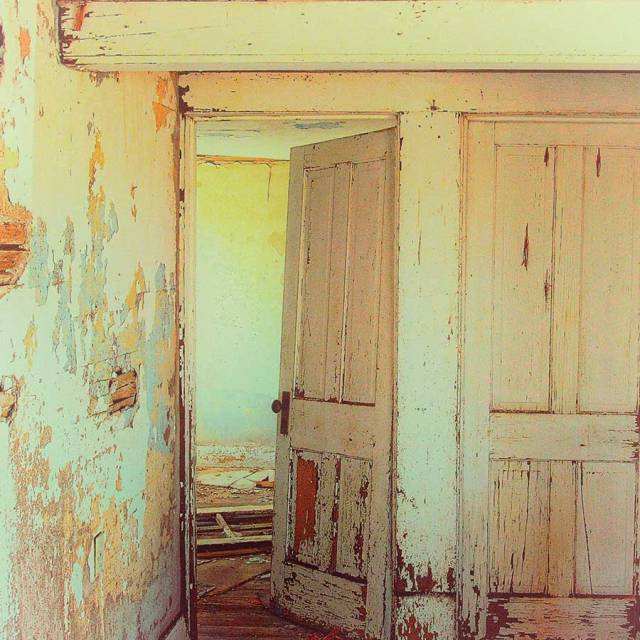
Ricoh Caplio GX100 f/4.1 1/73s 7.3m
…Just beyond the field is a house weathered gray by the seasons and weakened by the stresses of time. In the golden rays of the morning light, the young girl is kicking up dust clouds, searching through the barren soil for seeds of her past, and desiring to be freed from yesterday’s delusions. She walks over to the side of the road and bends over; as she stands, I see three keys, dangling from her left hand. One key is silver, another is gold, and the third is made of diamonds. I feel the pain of fear awaken as the warmth of this early autumn day touches the frozen shield that embraces her heart
…literature provided me with alternate threads by which to darn a harmonious, yet delusional, understanding of death, of fatherless children, of a family. To move into this realm is to be cuddled in the arms of a chair, mesmerized by the pages of a book unfolding like an accordion, embraced by a transparent sound barrier, and transported into fantasies found through fictional characters. While my mind’s eye grasped the hand of my naïve emotional self and together we observed the telling of storied lives, there was a seeking mind that simultaneously identified revealing markers to create a map, not to a place of hidden treasures, but to a place that felt like a home.
B Catherine Koeford, A Meditative Journey with Saldage
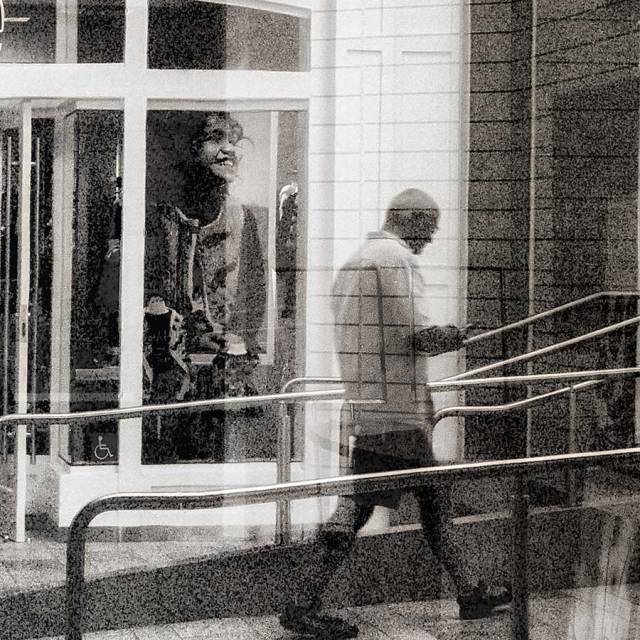
Lumix GX85 f/5.6 1/80 32mm
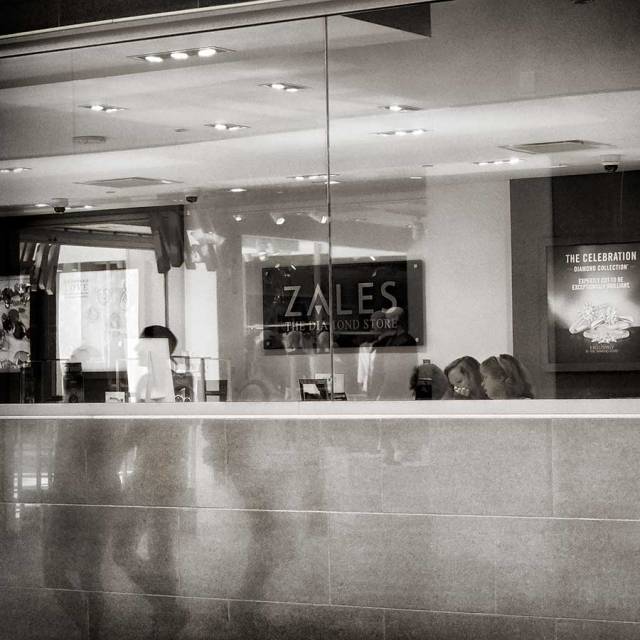
Lumix GX85 f/7.1 1/200 32mm

Intermixed Lumix GX85 f/5.6 1/125 32mm

Horsetooth III Nikon D750 f/7.1 1/500s 50mm
Water covers 70% of our planet, and it is easy to think that it will always be plentiful. However, freshwater—the stuff we drink, bathe in, irrigate our farm fields with—is incredibly rare. Only 3% of the world’s water is fresh water, and two-thirds of that is tucked away in frozen glaciers or otherwise unavailable for our use
As a result, some 1.1 billion people worldwide lack access to water, and a total of 2.7 billion find water scarce for at least one month of the year. Inadequate sanitation is also a problem for 2.4 billion people—they are exposed to diseases, such as cholera and typhoid fever, and other water-borne illnesses. Two million people, mostly children, die each year from diarrheal diseases alone.
Many of the water systems that keep ecosystems thriving and feed a growing human population have become stressed. Rivers, lakes and aquifers are drying up or becoming too polluted to use. More than half the world’s wetlands have disappeared. Agriculture consumes more water than any other source and wastes much of that through inefficiencies. Climate change is altering patterns of weather and water around the world, causing shortages and droughts in some areas and floods in others.
At the current consumption rate, this situation will only get worse. By 2025, two-thirds of the world’s population may face water shortages. And ecosystems around the world will suffer even more
~www.worldwildlife. org
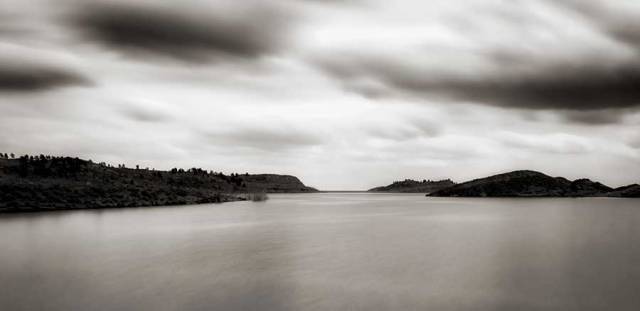
Horsetooth Nikon D750 f/8 127s 24mm ISO 100
their traveling hats
looking small…
mist
~Issa (www.haiku.guy)

emigrate IIII Nikon D750 f/3.3 1/1,000 40mm
Hop on over to Cee’s Photography to join this week’s black and white photo challenge.

During this week a memory came to mind a number of times in which a classmate, who was doing an internship in an adolescent treatment program, shared her understanding of the process of reflective listening within a therapeutic session. She ended her narrative with the teen’s response, “duh.”
The photographer, the basic third element in photography who stands on one side of the camera, looking through the view finder, seeing and focusing. Her personality as a photographer — motivation, interest, patience, attitude, etc. all require attention and adjusting…”duh,” Brenda.
This moment of enlightenment that shed awareness on the fact that I am mostly ignorant about one important aspect of photography, me. Thus far, my photography journey has included an investment in learning about various components of the camera as well as exploring basic elements of composition. Beyond a moment or two about how to manage anxiety within street photography or the motivation to get out of a warm bed at predawn to photograph the golden light not much attention has been given to…me, the photographer.
I have to give credit to Ted Forbes’ video, Three Tips to Improve Your Photography for this “duh” moment as he described improving one’s photography.
So this week, my photo study assignment was to explore
Identifying Photographers that inspire (street photographers, minimalist, long exposure)
When exposures last hours rather than fractions of a second, there is much time for watching. Sometimes it is a basic concern for security but at others it is a more meditational activity. I watch the sky and imagine what patterns the clouds and stars will make on my film. I watch the water, the leaves on the trees, passing cars, changing shadows, smoke from chimneys, whatever is around. Wind, rain, mist, etc., all have effects on the eventual image. …Nothing is the same twice and every moment in time is unique. ~Michael Kenna (Photo Review interview, January 2003 with Carole Glauber)
Michael Kenna’s work can been seen at Supervision
Studying his images as suggested by Howard Becker:
Take some genuinely good picture… Using a watch with a second hand, look at the photograph intently for two minutes. Don’t stare and thus stop looking; look actively. It will be hard to do, and you’ll find it useful to take up the time by naming everything in the picture to yourself: this is a man, this is his arm, this is the finger on his hand, this is the shadow his hand makes, this is the cloth of his sleeve , and so on. Once you have done this for two minutes, build it up to five, following the naming of things with a period of fantasy, telling yourself a story about the people and things in the picture. The story needn’t be true; it’s just a device for externalizing and making clear to yourself the emotion and mood the picture has evoked, both part of its statement
When you have done this exercise many times, a more careful way of looking will become habitual. Two things result. You will realize that ordinarily you have not consciously seen most of what is in an image even though you have been responding to it You will also find that you can now remember the photographs you have studied much as you can remember a book you have taken careful notes on. They become part of a mental collection available for further work. (When you do this exercise a number of times you will acquire new habits of seeing and won’t have to spend as much time looking at a new print).
Photographer’s past journey As I reviewed this week’s photo study, I realized that I’m a photographer who enjoys being engaged by spontaneous moments. The images below are a review of past images that I chose to “re-see” as part of my study of Kenna’s work.
Patience…mindfulness…characteristics which are extremely useful and priceless tools for me, the photographer.


One element to develop this week – This week as I am out and about – walking as prescribed by my doctor – my intention is to scan my environment from right-to-left. I’ve read that this way of “seeing” will gradually become an intuitive process and I’ll see more than I ever imaged. Seeing is the gateway.

Lumix DMC GX85 f/7.1 1/250 43mm
I would love to hear your thoughts about yourself as the photographer and to see where you have been and one element you are invested in developing.
 a meditative journey
You must be logged in to post a comment.