lens-artist photo challenge: communication

Nonverbal communication: It is suggested that 50 to 75% of all communication is transmission through our eye contact, facial expressions, gestures, posture and the distance between people. We also understand messages through variations of body language, distance and physical environments.  

In the mountain depths,
Treading through the crimson leaves,
The wandering stag calls.
When I hear the lonely cry,
Sad–how sad!–the autumn is

~Sarumaru (cited: Ogura Hyakunin Isshu)

did others sit here too
waiting for spring?
old tatami ma
t ~Issa (haiku.guy)

blooming plum–
the voices of children
sound reverent
~Issa (haikuguy.com)

A haiku…is a way in which the cold winter rain, the swallows of evening, even the very day in its hotness, and the length of the night, become truly alive, share in our humanity, speak their own silent and expressive language. (cited: Haiku: Eastern Culture)

Symbols are objects that conveys agreed upon messages within a particular group of people.

Harry Nilsson, Every Body is Talking’

Ride and jump on over to HorseAddict to join in this week’s lens-artist’s photo challenge: communication

memory

if I go to heaven I will forget you,

and

if I go to hell you will forget me.*

memoryportraiture
self portraiture created through the use of mixed media

In China a person who will not forget the past is described as ‘one who did not drink Old Lady Meng’s soup.’ Borrowed from Buddhist folklore, Old Lady Meng dispenses the Broth of Oblivion to souls leaving the last realm of the underworld on their way to reincarnation. After drinking her soup, the soul is directed to the Bridge of pain that spans a river of crimson water. There, two demons lie in wait: Life-Is-Not-Long and Death-is-Near. They hurl the soul into waters that will lead to new births.

Old Lady Meng is more than a quaint antidote for the Greeks’ Mnemosyne. She embodies a psychological understanding about the forces that promote, indeed demand, forgetting for the sake of ongoing life.  It is not enough to note that water is linked with amnesia in Chinese folklore as much the same way that the river Lethe is associated with forgetting in Greek mythology. The challenge here is to make sense of the distinctively Chinese attachment to remembrance in spite of the benefits of Old Lady Meng’s soul.

In Jewish tradition, too, the benefits of amnesia were acknowledged along with the sacred commitment to recollection. There is a midrash, or Torah-based story, that teaches us a lesson similar to that of Lady Meng: ‘God granted Adam and Eve an all-important blessing as they were about to leave the Garden of Eden: I give you, He said, ‘the gift of forgetfulness.” What is so precious about amnesia? Why would God, who demands fidelity to memory, offer the relief from recollection?Perhaps it is because without some ability to forgive and forget we might become bound by grudges and hatred. To remember everything may be immobilizing. To flee from memory, however, leads to an ever more debilitating frenzy.(40-41)**

source:

*Arang and the Magistrate

Munhwa broadcasting corporation 

**Bridge Across Broken Time

Vera Schwarcz

Initially posted on October 10, 2013

entrusted…

…the scent of mothballs signals the opening of a small steamboat trunk entrusted with long-forgotten memorabilia. Carefully placed upon a layer of women’s 1930 era clothing are three stacks of yellow ribbon-tied envelopes. Within each are hand-written letters reminiscent of second grade penmanship inquiring, “Dear Mother, how are you? Fine I hope.” brendamilyOn the left side is a stationery box filled with certificates of marriage, birth, baptism, and death intermingled with a child’s brilliantly colored drawings.

Beneath the box is a small silk sachet holding a solitary diamond engagement ring and an ivory locket. At the bottom of the trunk, children’s books and wooden blocks with carved letters surround a miniature wooden rocking chair and a one-button eyed velvety-patched teddy bear. I become distracted from the remaining contents as black and white photograph images softly held within the folds of a woman’s garnet silk dress glide in the air and scatter on the floor.
The photographic images are a visual memoir of a young family where trust once allowed two young sisters to roam free throughout a field of tall, yellowed grass. “How many days,” my questioning mind wonders, “how many days were left before the decline of my father’s health shifted the lights of a colorful present into the gray-shaded time of waiting?” Within this stillness of waiting, memory tells of a young child seeking solace through repetitive rocking behaviors and of a father’s fragile heart enduring a turbulent wait for a donated aorta.

I hear compassion speak to my heart and I begin to feel how my father intuitively knew of my inner turmoil and of the tranquil stillness within rhythmic repetition. His gift of a rocking chair tells me some fifty years after his death of the multiple emotional and physical sufferings within his suffering, the interconnectedness of the suffering within the family, and of his wish to ease our suffering.

As the fabric of the dress glides between my fingertips, the shadow of grief that holds the memories of my son emerges from a compartment hidden within the trunk. An old fear dustin20awakens as the image of grief’s blackened shadow looms over me with its death-filled abyss of intermingled condemnation, uncertainty, and emptiness. I feel the void that will consume me if I were to release the eternal care of my son to its embrace. I come to know that I hold no trust  that within death is compassionate loving-kindness. Awareness arises to tell me that as I run from grief with the anguish of powerlessness to protect the heart of my soul, like an addict running from her addiction, grief becomes even more insidious. In this undifferentiated chaos of anguish, fear, and mistrust there is hope [larger than a mustard seed] which seeks for the magical garment when donned will transform me into the Great Mother. It is childhood faith that clings to the belief that as God witnesses this transformation, absolution and reconciliation would simultaneously subdue this impenetrable monster and return my son, whole with the spirit of life, to…*

cited:  B Koeford, A Mediative Journey with Saldage

weekly photo challenge: cover art

dew-laden,

it falls without wind–

a single leaf.

            ~Gyojo*

photochallengewaterway2

to view additional images submitted for Pete Rosos’ challenge or “to dig a new creative well and have fun while doing it” visit The Daily Post.

*cited:

Haiku before Haiku

Steven Carter

Initially posted in October, 2014

lens-artist photo challenge: photo walk

to the man walking
“Look behind you!”
windblown butterfly
~ Issa (cited: www.haikuguy.com)

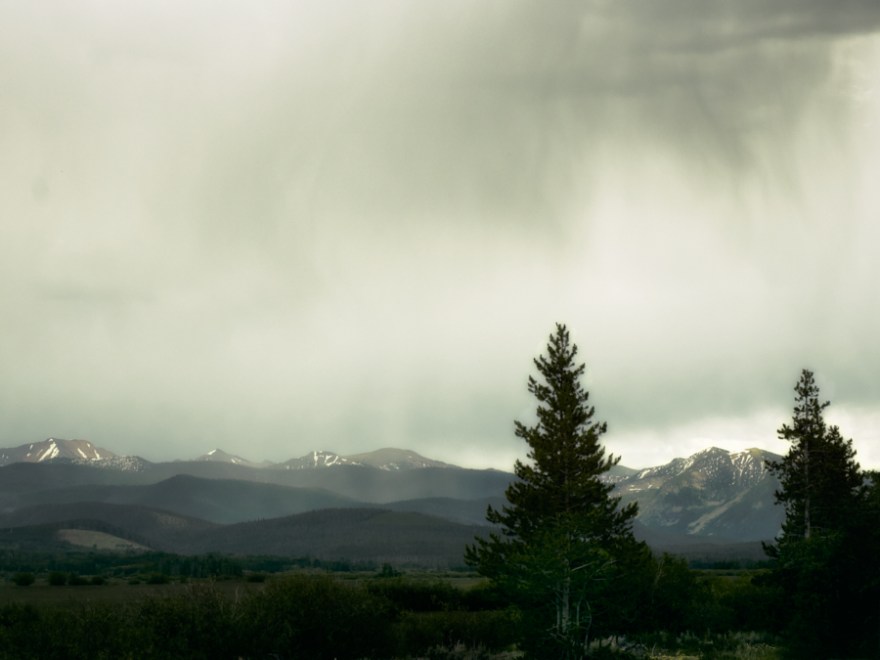
Sony RX1003 f/3.5 1/30s 25.7mm 80 ISO

Spring has its hundred flowers,
Autumn its moon,
Summer has its cooling breezes,
Winter its snow.
If you allow no idle concerns
To weight on your heart,
Your whole life will be one
Perennial good season.
~The Golden Age of Zen

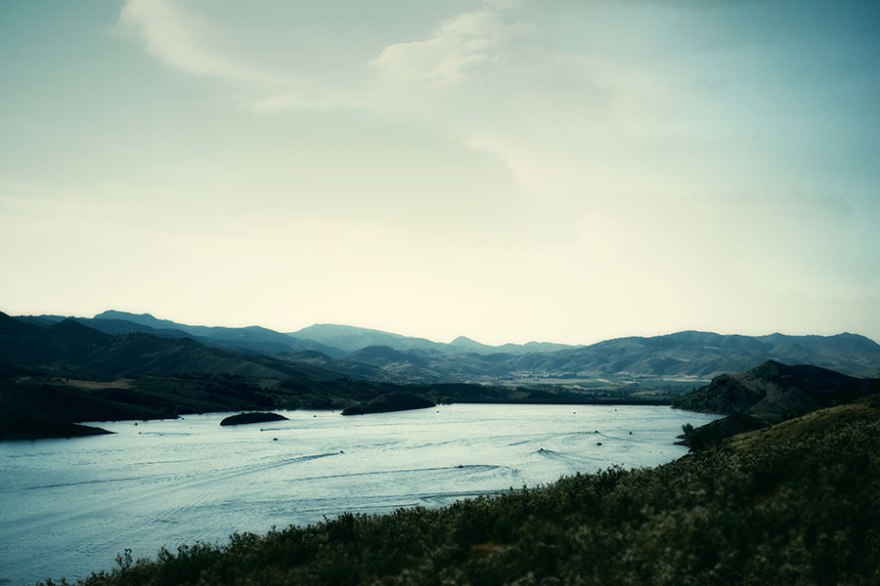
Sony RX1003 f/3.5 1/25s 25.7mm 80 ISO

Though days pass 
And others may forget 
I can never lose the thought 
That meeting in the evening 
Of an Autumn day.
~The Dairy of Izumi Shikibu (cited: Diaries of Court Ladies of Old Japan)

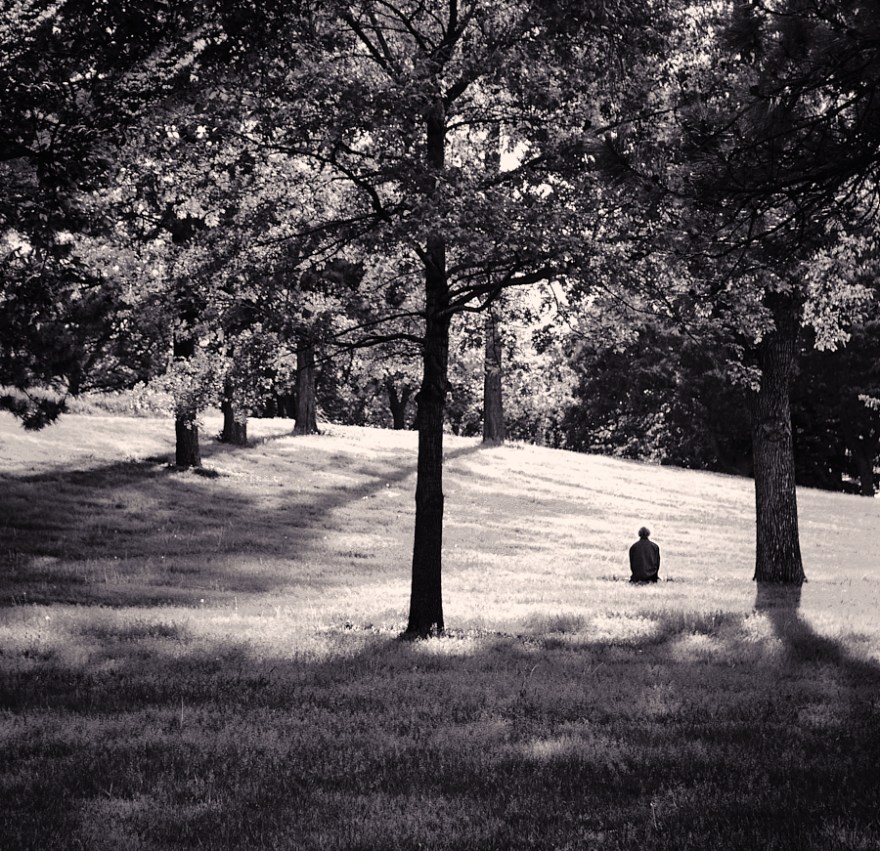
Sony RX1003 f/3.5 1/8s 25.7mm 80 ISO

Hop on over to Amy’s (The World is a Book) to join this week’s photo challenge: photo walk