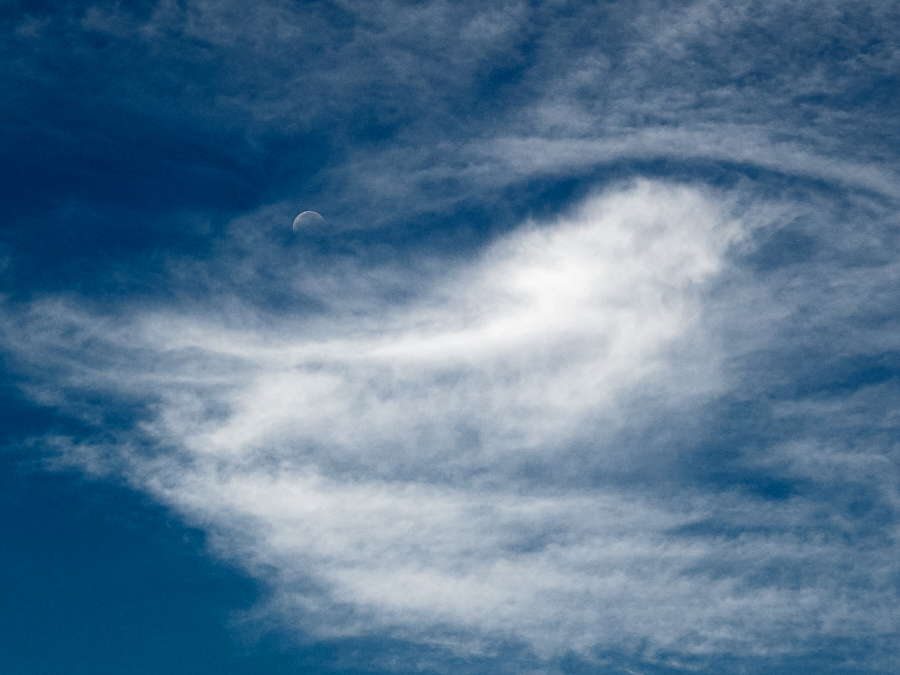
Looking at the moon and stars we are seeing our own mind.
Thich Nhát Hanh, The Other Shore
Looking at the moon and stars we are seeing our own mind.
Thich Nhát Hanh, The Other Shore

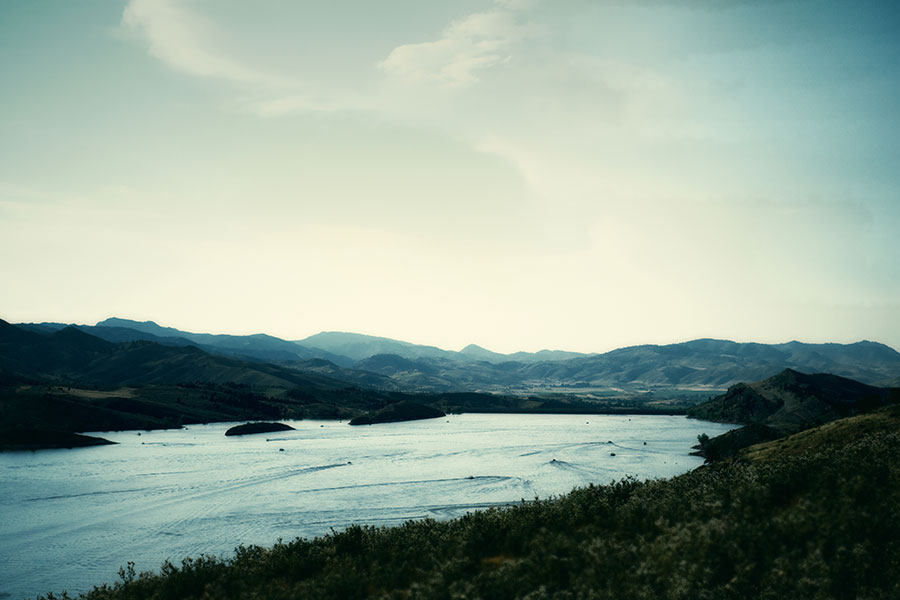

Week 28 Story Telling: Your Culture (Photographers participating in the challenge come from nearly every country and culture. Tell us the story of your culture.)
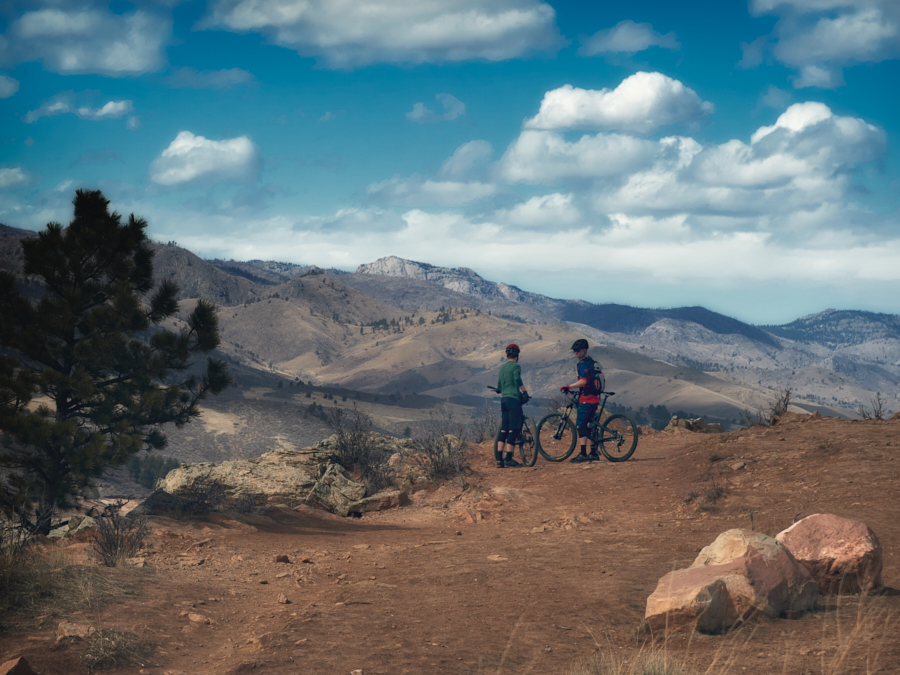
Image submitted in response to Dogwood Photography’s annual 52-week photography challenge.
Plastics have become part and parcel of our daily routines, our day-to-day purchases, and in the air we breathe and water we drink.
I’ve found myself wondering how recycled products will be recycled as well as how to become more aware of the plastics I generally purchase without any concern of where these containers go after I toss them in the recycle bin.
“All this plastic we are discarding is ending up in our waterways and oceans, and now showing back up in our drinking water and food.” ~Sarah Paiji
City Women & Co.
Does anyone else find a bit of disconnect in the choice to implement a plant-based diet motivated by concerns of sustainability and a cupboard of plastic containers of organic super foods and veggie foods?
Is there a means to explore how to recycle pill bottles…plant-based containers…supplements, electronics, clothing, appliances, etc. other than tossing them into the oceans and backyards of other countries?
How can a single consumer begin to encourage corporations to change their packaging to be more earth friendly?
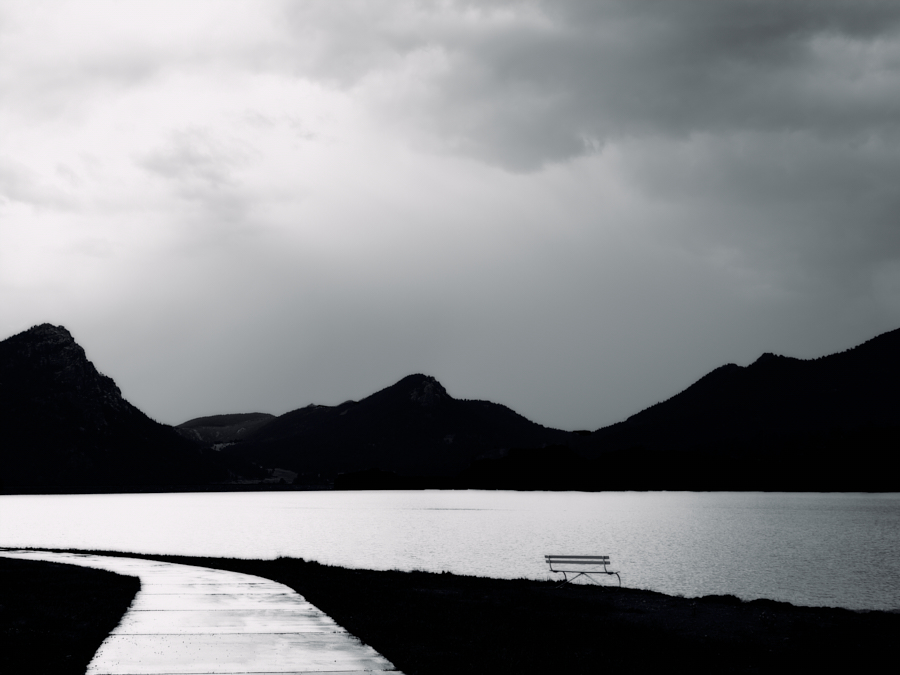
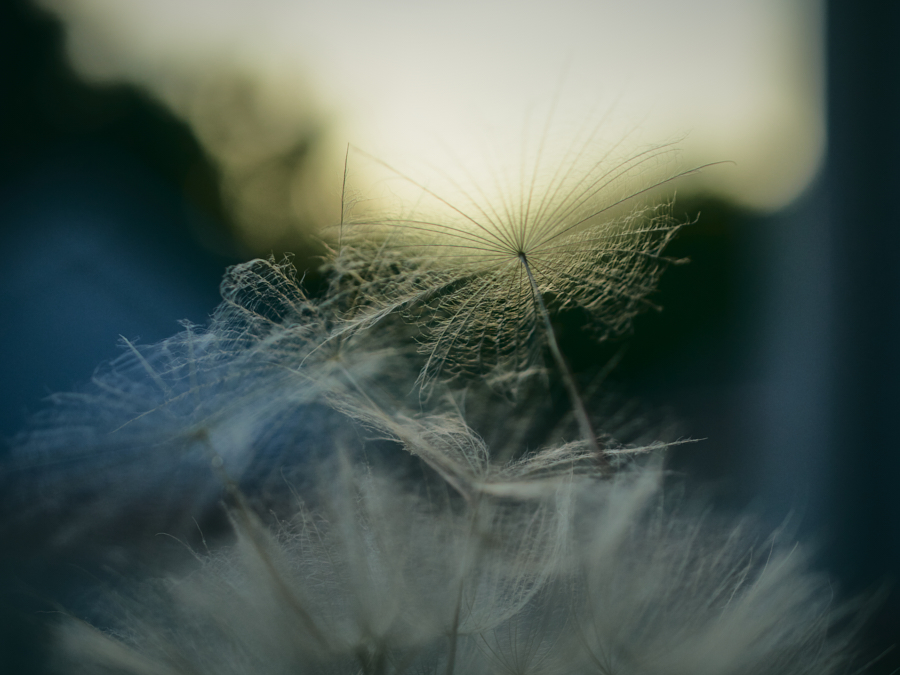
Week 27 Inspiration: Gratitude (What are you grateful for? Show us.)

Image submitted in response to Dogwood Photography’s annual 52-week photography challenge.
All know that the drop merges into the ocean,
but few know that the ocean merges into the drop.
~Kabir Das

The river and its waves are one surf:
where is the difference between the river and its waves?
When the wave rises, it is the water;
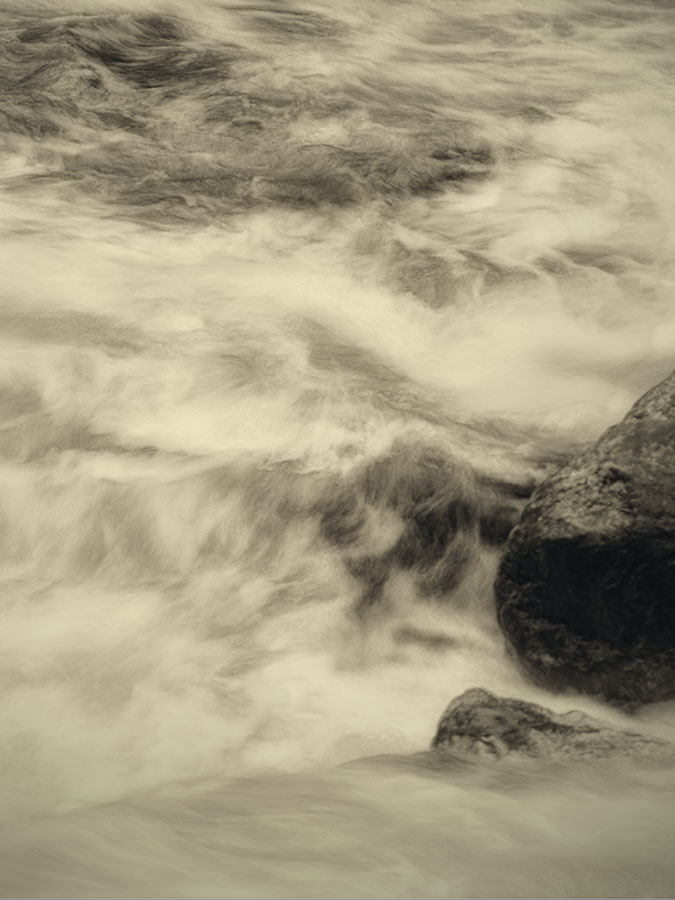
and when it falls, it is the same water again.
Tell me, Sir, where is the distinction?
Because it has been named as wave,
shall it no longer be considered as water?
~Kabir Das (One Hundred Poems by Kabir, Trans: Rabindranath Tagore)
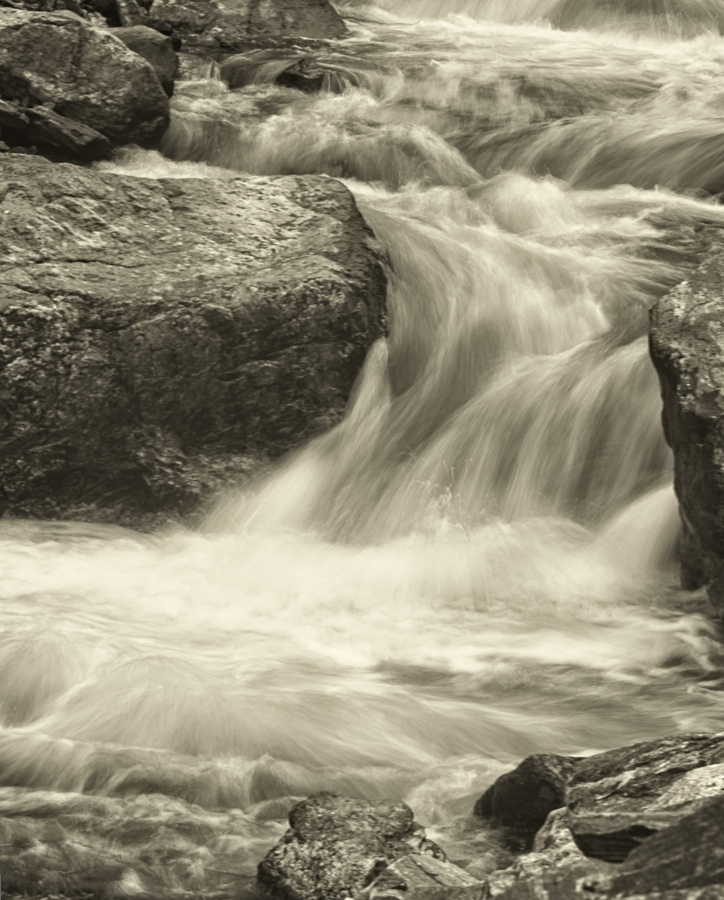
 a meditative journey
You must be logged in to post a comment.