
wordless wednesday

Nikon D750 f/5.6 1/15s 56m 100 ISO

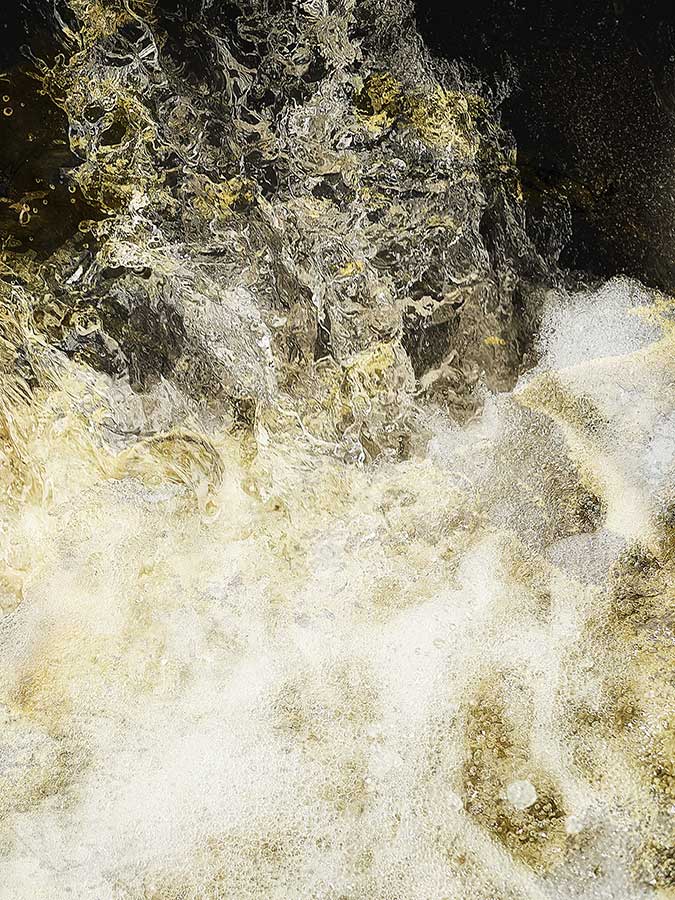
Nikon D750 f/3.2 1/2,000 sec 50 m ISO 800
Photography is representational by nature in that the subject(s) within most images depict the real world and usually are easily recognizable; for example, a photograph of tree generally looks very much like a tree.

Ted Forbes notes that abstract photography within the art world is drawn from skills that are different from other forms of art and, “It is something that we are not used to seeing in every day life…When it is done well, it stands out and it’s really exciting. When it is not done well, it is weird.”

Fundamentally, abstract art is a visual form that does not convey a realistic depiction of the world. This departure from reality can be partial or complete; therefore, we are often uncertain about the identification of the subject. Photographs within this genre diverge from a realist depiction of the world through the use of form, color, and lines.

Form is the shape of the elements within the image and is the foundation of an abstract image. When creating abstract photography, ask yourself, “is there an interesting form/shape with this image?”

The variations and contrast of colors within art create interesting images and evoke feelings within the viewer.

Lines within the image directs the viewer’s eye and creates a dynamic image by emphasizing movement.
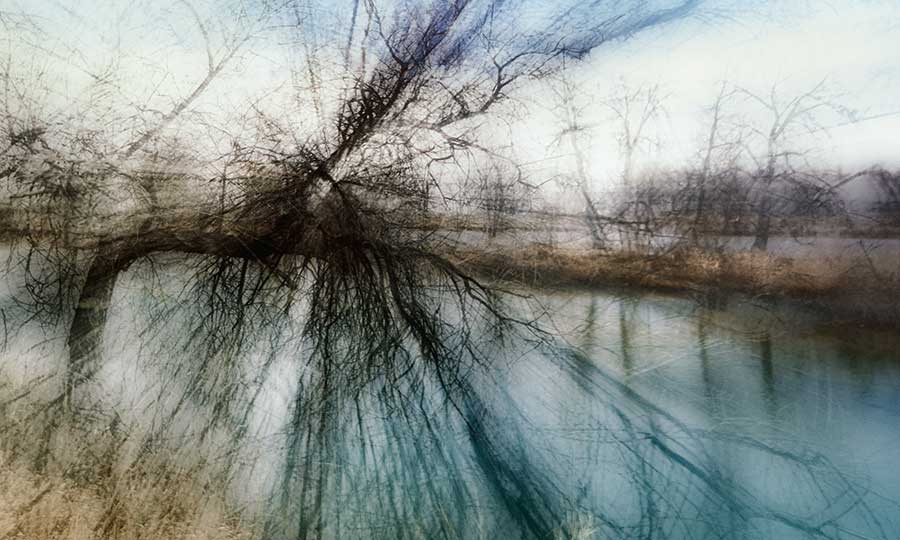
There are different techniques photographers use to create abstract image: 1) selective focus, 2) light and shadow, 3) lines and textures, 4) blur, 5) zooming, 6) moving the camera or subject, 7) double exposure, and 8) moving in close or standing far away.

I’ve come to understand abstract/non-representational imagery as an absence of the type of discrimination and labeling process that seeks an answer to, “what is that?” to one that invites the viewer to explore, “what feelings does this image evoke?”

Thank you for taking the time to visit my blog and for the exchange of ideas and photographs. I am inspired by the process of viewing and exchanging ideas with other bloggers and am excited about walking through your galleries of abstract/nonrepresentational photographs. I hope you find Ted Forbes’ video interesting.
The use of negative and positive space within photo composition aids in directing where you want the viewer’s eye to go.
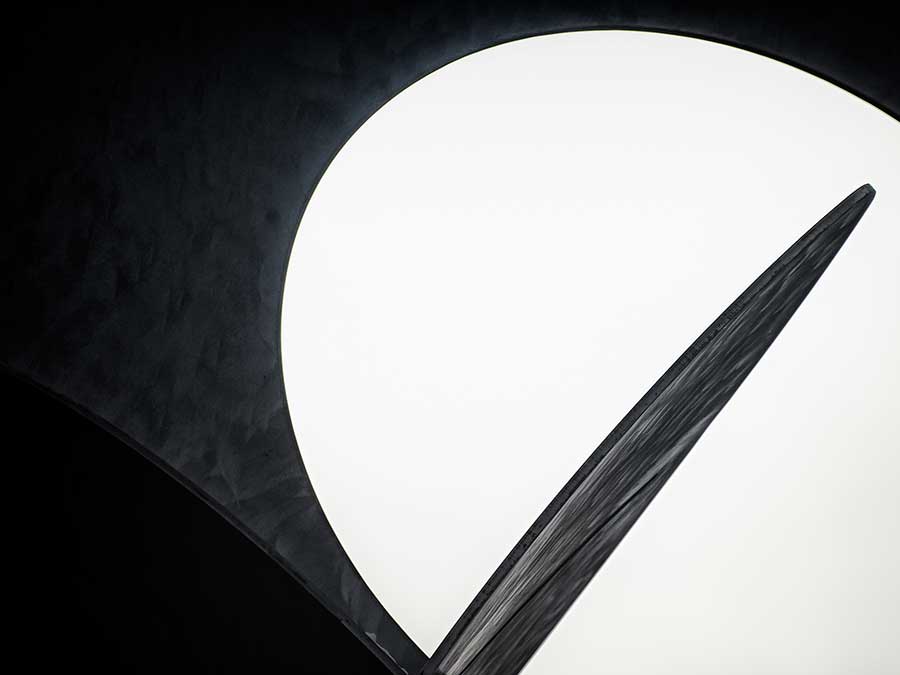 Hop on over to Amy’s The World is a Book to journey through her images of positive and negative space.
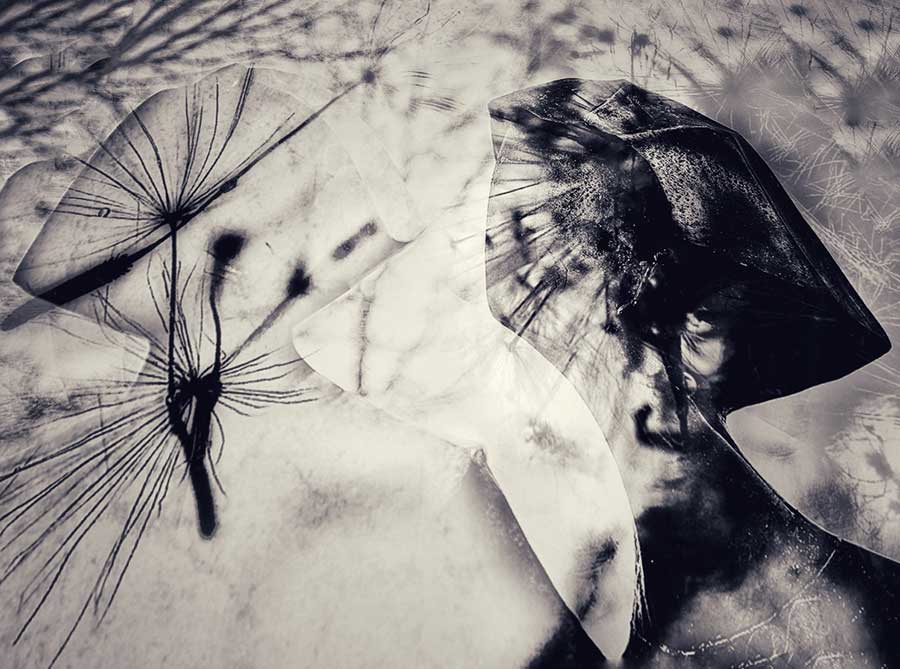
“I only saw faces
I didn’t see the changing era
I only saw the waves
I should have seen the wind
Wind is what makes the waves
I’m saying you were the big wave at that moment
We were drifting away
One day we’ll go up again
Eventually the big wave will break down”
Kim Dong-hyeok, Screenplay: The Face Reader
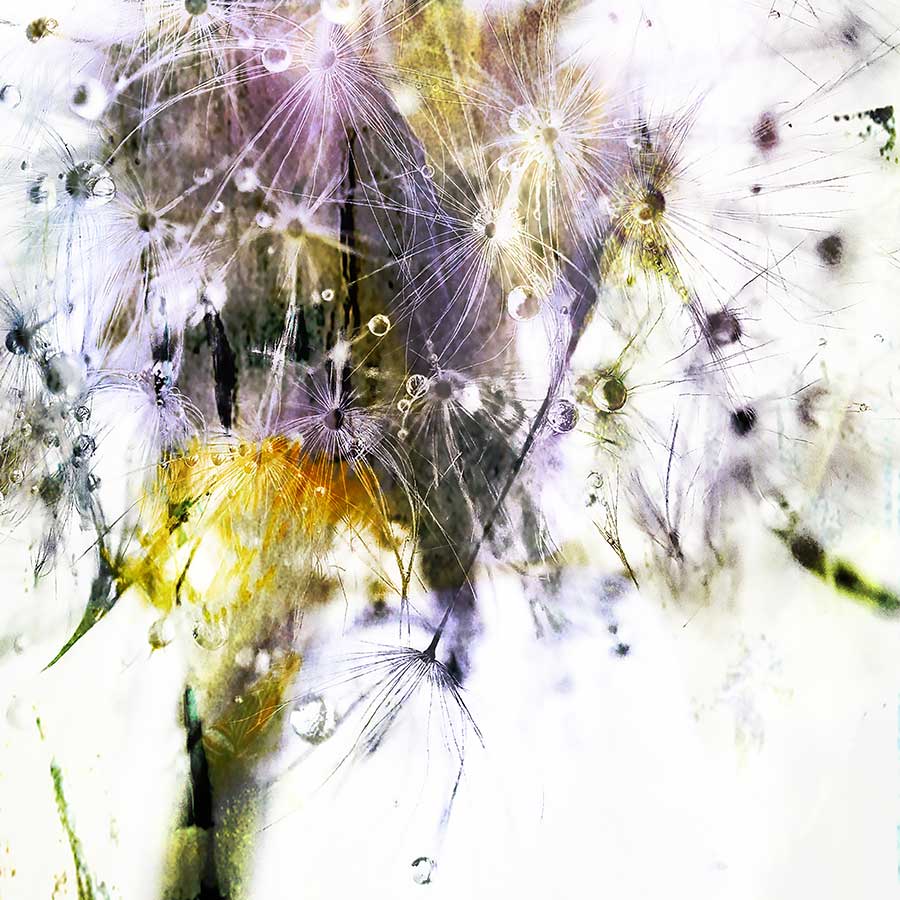
tears
The Belgian composer Wim Mertens (born 1953) is an international recording and performing artist who has given countless concerts, as a soloist and with his ensemble, all over Europe, North and Central America, Japan, Thailand and in Russia. He initially studied at the Conservatory of Brussels and graduated in political and social sciences at the K.U. Leuven and Musicology at the R.U. Gent. In 1998, Mertens became the Cultural Ambassador of Flanders.

when i awake
i wonder
if the color i saw
in my dream
was real
or imaginary
 was it red?
i turn back
towards the word red
but the color is gone
what i thought was
being alive
is only various colors
reflected and
scattered
in my mind
sun setting
turned the windowpane orange
shower spray
was a diamond color
so i thought
now only the memory
of color remains
the window
and the shower spray
have vanished.
~Yoshihara Sachiko
I found this video, The Pattern behind Self-deception, at Ted.com by Michael Shermer interesting as well as entertaining. Hope you find your self smiling.

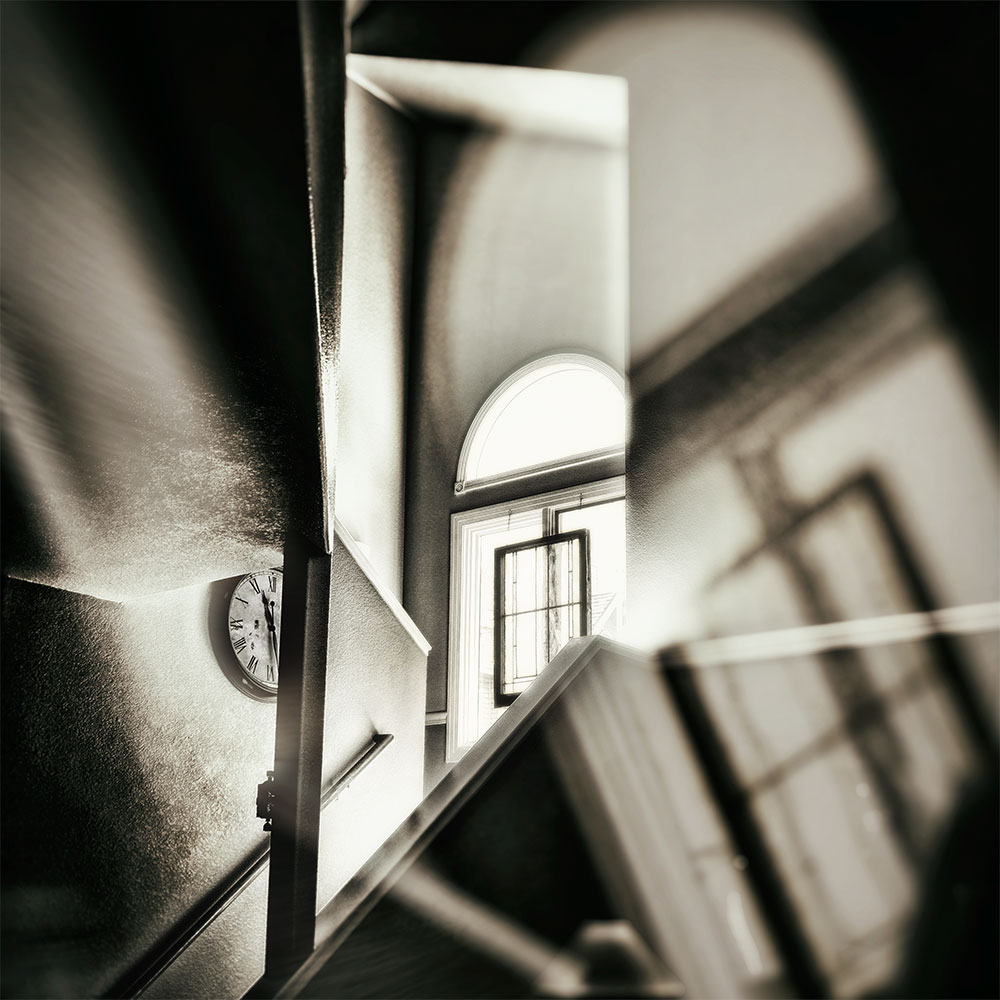
You are invited to participate in photo challenge: Edge
 a meditative journey
You must be logged in to post a comment.