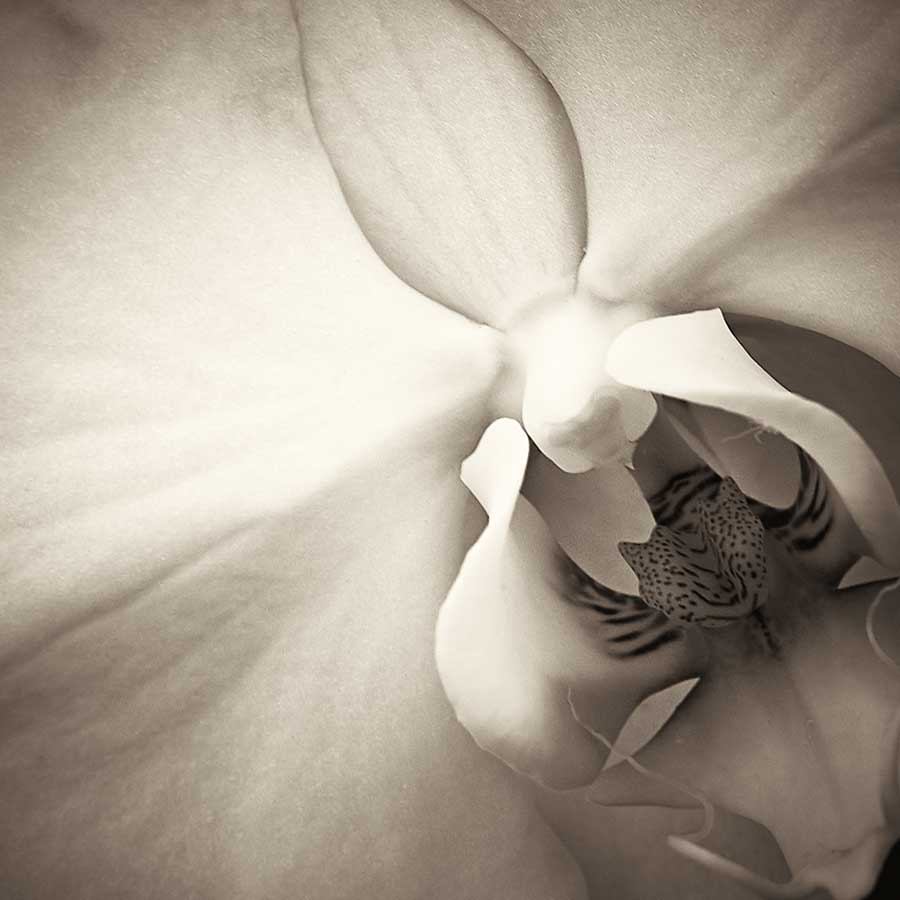
orchid

orchidweb

The poetry of Japan has its seeds in the human heart and mind and grows into the myriad leaves of words. Because people experience many different phenomena in this world, they express that which they think and feel in their hearts in terms of all that they see and hear. A nightingale singing among the blossoms, the voice of a pond-dwelling frog–listening to these, what living being would not respond with his own poem? It is poetry which effortlessly moves the heavens and earth, awakens the world of invisible spirits to deep feeling, softens the relationship between men and women, and consoles the hearts of fierce warriors.

~Ki no Tsurayuki, (preface Kosinsbū, ca. 905)

the world seems…

Is it because my mind

keeps dwelling

on every worldly thing

the the word seems

more hateful to me than ever?

~SaigyO  (Poems of a Mountain Home)

doubleexposurebuddha

SaigyO was born in 1118 in the capital city, Kyoto.  When he was twenty-two he suddenly left his post as an elite private guard of Emperor Toba to become a Buddhist  priest.  I find it interesting how his poem written almost a thousand years ago resonates with me today especially when I think of Jean-Baptiste Alphonse Karr’s (who was born in 1808) translated epigram, “the more things change, the more they stay the same.”


black and white sunday: imperfect

A back-yard chrysanthemum

looked at the setting sun

and faded. ~ Kaen (Y Hoffmann, Japanese Death Poems)

When I revisit this (imperfect) image of a section of an Ireland cemetery,  I  find myself being emotionally touched by how the statue seems to speak of life’s aloneness and a yearning for that which will lead us away from suffering.

turning-away

Image submitted in response to Lost in Translation’s photo challenge: imperfect