
Nikon D750 f/7.1 1/500 s 35 mm prime ISO 100 neutral-density filter
Nikon D750 f/7.1 1/500 s 35 mm prime ISO 100 neutral-density filter
squatting
the frog observes
the clouds
~Chiyo (F Bowers, The Classic Tradition of Haiku)
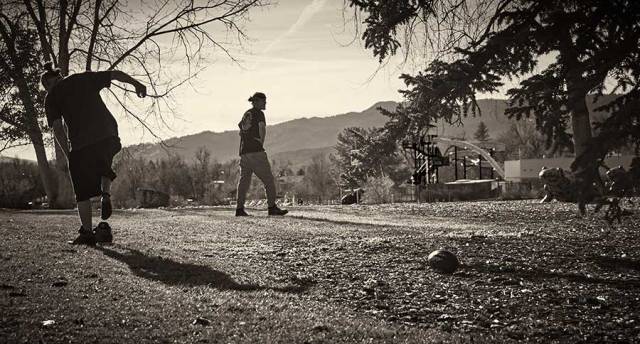
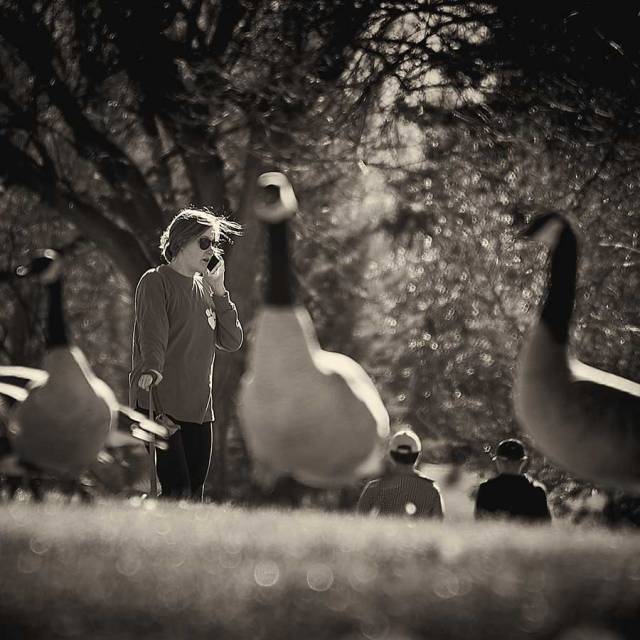
Nikon D750 f/5.6 1/100s 300mm ISO 100

Tour de Fat
Michelle challenges us to find a little irreverence in our world within the theme of cheeky. I must admit it is a bit difficult to silence anxiety–as fires rage in southern California, the number of employed homeless increases, the possible financial impact due to an inequality of federal tax burdens, children in Yemen starving, and the list goes on and on and on–long enough to shift my focus towards something “impudent or irreverent, typically in an endearing or amusing way.” Tour de Fat…a day filled with bikes, costumes, music, friends, and family.
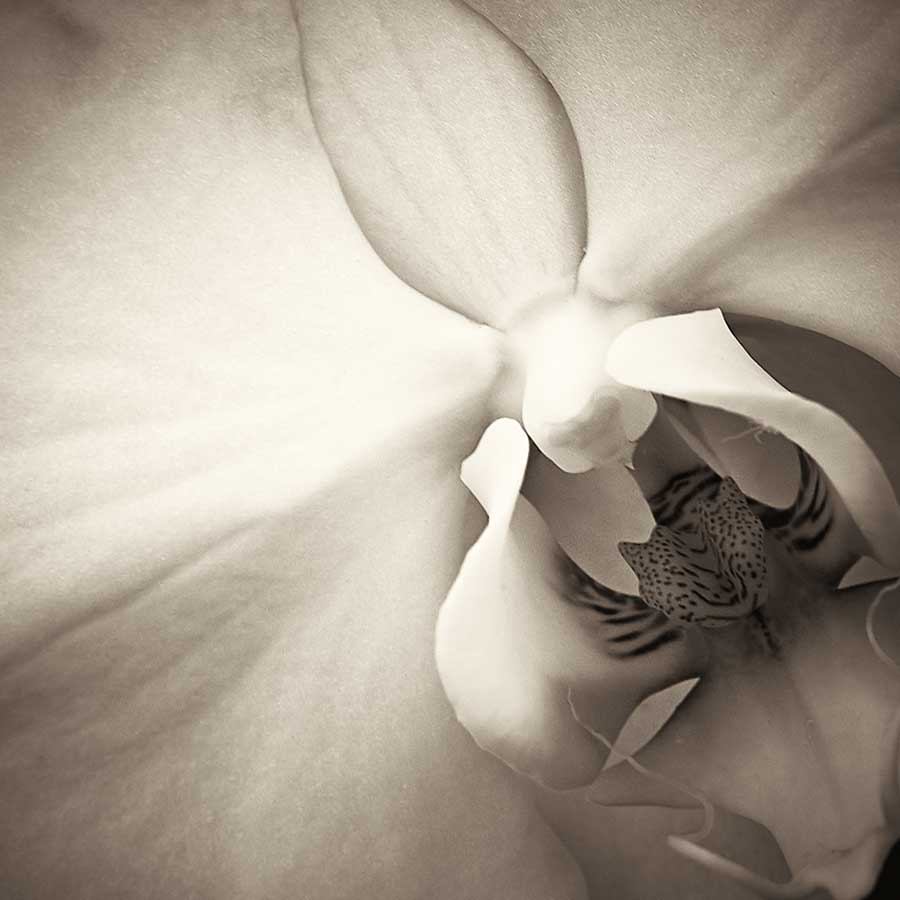
The poetry of Japan has its seeds in the human heart and mind and grows into the myriad leaves of words. Because people experience many different phenomena in this world, they express that which they think and feel in their hearts in terms of all that they see and hear. A nightingale singing among the blossoms, the voice of a pond-dwelling frog–listening to these, what living being would not respond with his own poem? It is poetry which effortlessly moves the heavens and earth, awakens the world of invisible spirits to deep feeling, softens the relationship between men and women, and consoles the hearts of fierce warriors.
~Ki no Tsurayuki, (preface Kosinsbū, ca. 905)

Nikon D750 f/7.1 1/25 s 35 mm 100 ISO
an experimental perspective
On a troubled current
we grow old in this world–
today’s rain-filled stream
will only increase
with tears.
~Izumi Shikibu (J Hirsfield & M Aratani, The Ink Dark Moon)
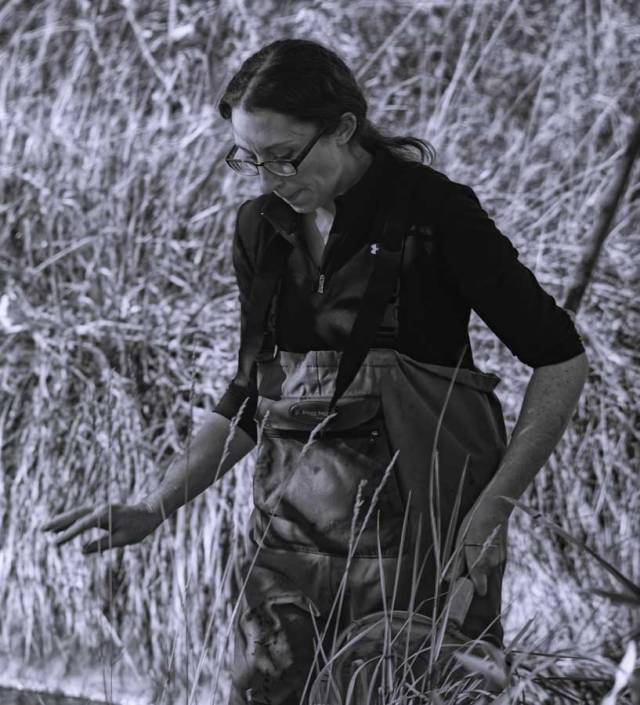
Nikon D750 f/7.1 1/100 s 300 mmm 100 ISO
orignial raw image
Raj’s xdrive photography lesson lesson for November explored 10 edits that photographers should know about prior to publishing images. My initial submission was of a family walking on a bike path during the golden hour.

Nikon D750 f/7.1 1/160 s 35 mm 400 ISO
Taking a few minutes to review this image in response to Raj’s feedback, I found that it is a bit of a challenge for me to notice the tilting due to 1) the curvature of the pathway as it moves my eyes to the background and 2) the presence of the trees hinders a clear view of the horizon.
In the markup below, my initial horizontal adjustment was the rooftop of the building in the background. Raj noted in his feedback, “we can’t rely on anything man-made as it all depends on the orientation of these things.” The areas I have circled were noted as over and underexposed by Capture One’s high exposure warning.

raw image with markup
adjusted image

first edited image with markup
Raj noted that the image stilled seemed a bit tilted in the image above. He also noted that the edited image is “kind of overexposed” and recommended that I “carefully check woman’s jacket, it looks kind of overexposed.” Also my editing seemed need a bit more saturation.
The image below was cropped with Raj’s recommendation in mind and I find it to be more focused upon the family dynamics. It also brings attention to Raj’s observation regarding the closeness of mother and daughter in comparison to the actions of the two boys. I also did not attempt to lighten the shadow element of the boys as I wanted the image to be about the family.
While the image below seems to address the overexposure Raj noted in the above image, I’m still struggling with this as the histogram (within both Capture One and Photoshop) as well as the Capture One exposure warning does not indicate an overexposure. So do I rely too much on technological guidelines over my vision?
It took me several tries to address the titling…sigh…
In regards to saturation, could the specifications of computer design as well as color calibration variances result in visual differences between what I see–or think I see–on my computer and what other bloggers see? If so, is there a way to address this? Also, I found that I needed to be very careful in regards to saturation as the image tended towards having a yellowish sheen.
All in all I the second edit does seem to be better.

second edit
monochrome images

first monochrome image with markup
When I compare the above initial monochrome image with the one below, I’m able to more easily see areas that may be a bit overexposed. The woman’s jacket has a burned appearance. The detail in the woman’s jacket below offers a bit of resolution to my question above regarding overexposure…it’s about the detail in the woman’s jacket and the girl’s top.
Since the young boy looking towards the camera suggests a message of interaction, I find that I prefer the lightening in the above image when compared to the one below.

second edit
Again, I wish to express my gratitude to Raj and to all those wonderful bloggers who stop by and visit.
Henri Cartier-Bresson said that photographers deal in things which are continually vanishing, and which no contrivance on earth can bring back again. Not even photography can bring these things back, except in the memory of those who knew them, or in the imagination those who did not.
(cited: J. Szarkowski, Looking at Photographs, pg. 124)
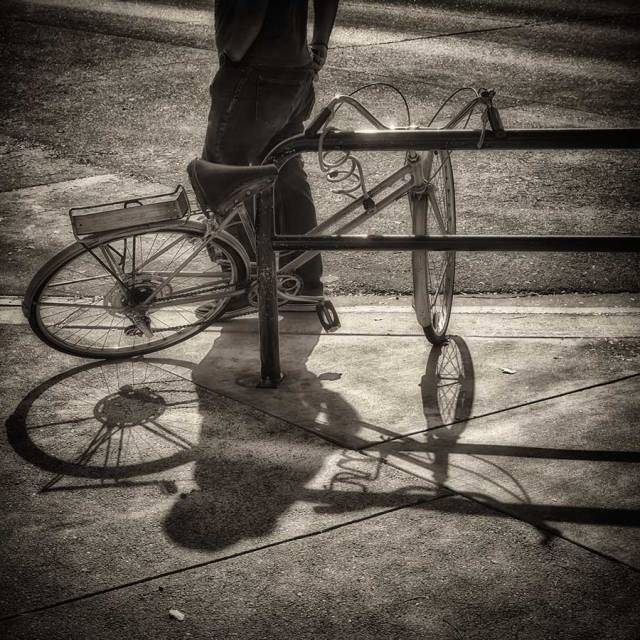
Lumix GX85 f/7/1 1/640s 32 mm 200 ISO
Ólafur Arnalds is a BAFTA-winning multi-instrumentalist and producer from Mosfellsbær, Iceland. Ólafur Arnalds mixes strings and piano with loops and beats crossing over from ambient/electronic to pop.

Lumix GX85 f/7.1 1/320 s 32 mm ISO 200
A valuable resource for those who have an interest in expanding their understanding of street photography can be found at the Streets of Nuremberg. His intention is to to give back to those who have given him so much by offering a “one stop resource pool” where photographers can find free tips, tutorials, inspirations and everything else.
The above image was created (with a bit of awkward anxiety) using Streets of Nuremberg’s Photography Quick Tip 1 for photographing inconspicuously; that is,
Line up in the general direction of your subject, raise the camera and shoot something behind or above him/her. Absolutely avoid eye contact, best look through the viewfinder of your camera. Bring the camera down, pretending to check the image you just took on the LCD back screen of your camera, your finger still on the shutter, still avoiding any eye contact with your subject. Instead of checking the image you just have taken above or behind your subject, compose your shot with your subject through the LCD back screen of our camera and shoot the “real” picture. Do not (!) check the photograph you’ve just taken, instead raise the camera again and “redo” the first shot behind or above the subject. Repeat as needed. And don’t blush 😉
Marcus at Streets of Nuremberg’s discussion about backlighting photography inspired me to pick up my camera and walk along a bike path during the golden hour. He noted that when one photographs into the sun there will be a great glow around the hair and body.
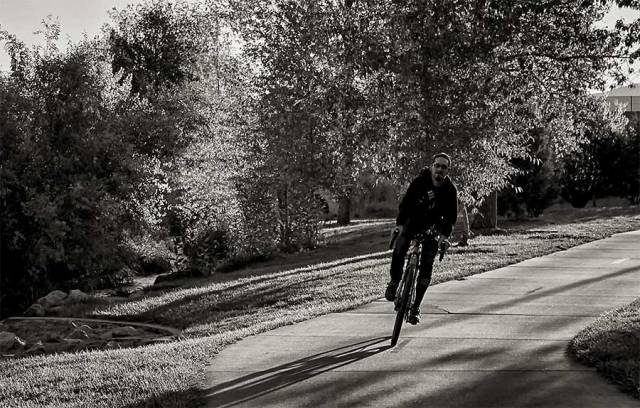
Nikon D750 f/7.1 1/320s 35 mm 400 ISO

Nikon D750 f/7.1 1/500s 35 mm 400 ISO
In the first image, there is a bit of glow on the cyclist’s hair and in the trees. In the second, the glow outlines both the young man and his dog. The setting sun in both of these images brought out some interesting long shadows.
It is wonderful to follow bloggers such as Marcus who share their skill and knowledge of photography and invite photographers such as I to grow and learn. Thank you!

 a meditative journey
You must be logged in to post a comment.