three day quote challenge: 3rd day

The faculty of voluntarily bringing back a wandering attention, over and over again, is the very root of judgment, character, and will. No one is [master of himself] if he have it not. An education which should improve this faculty would be the education par excellence. But it is easier to define this ideal than to give practical instruction for bringing it about.  ~ William James


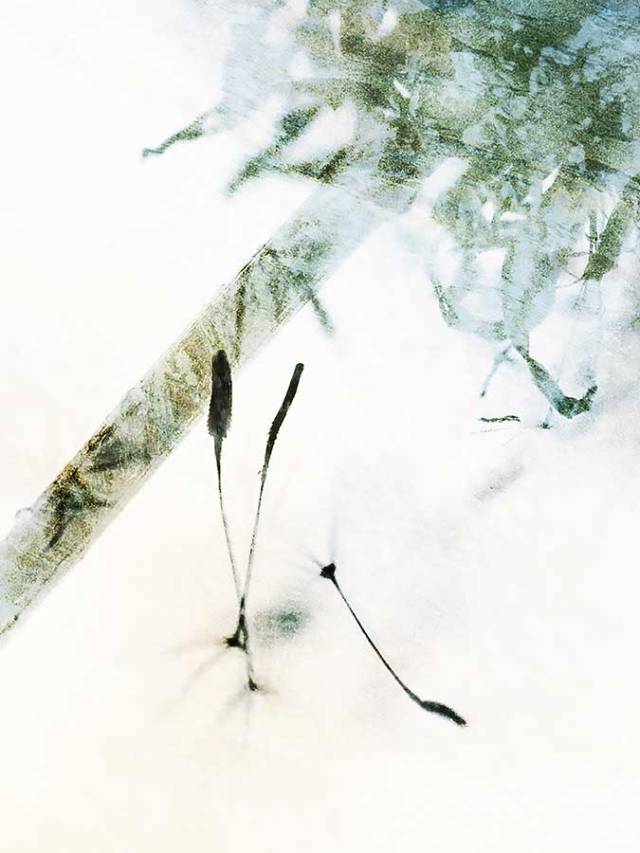
brendakofford_sojournIIweb

The rules of this three-day quote challenge are to post a favourite quote every day for three days, and pass on the challenge to three other bloggers. You can do this at any time you like – even next year – and you can also say, “No thanks.”

While I’ve enjoyed being challenged by others, I find it difficult to invite one blogger over another, so if you would like to join in please accept this invitation to share your favorite quotes.  Thank you Amy at The World is a Book for extending an invitation.  It eases all those times in the playground when I was among the last to be chosen to be on a team.  _()_

wpc: temporary

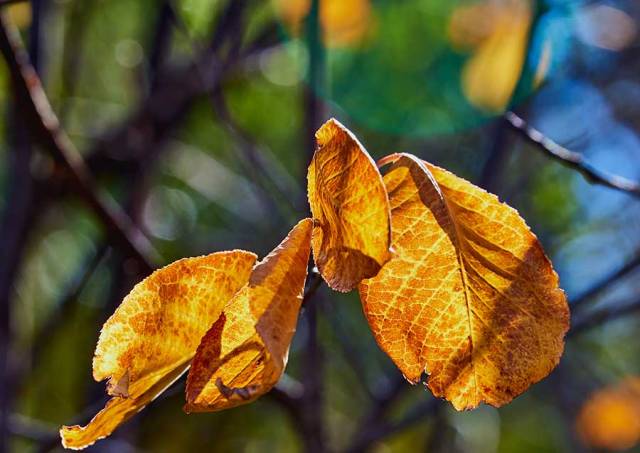
springcreek-1web

Nikon D50   f/10   1/50 s   24 mm   100 ISO

Memory bridges our past with the present and awakens us to an awareness that life is created by minute moments that often go unnoticed as our minds are frequently elsewhere.  Photography offers us a means to awaken to these temporary moments and to create priceless keepsakes of our yesterdays.

an object of perception

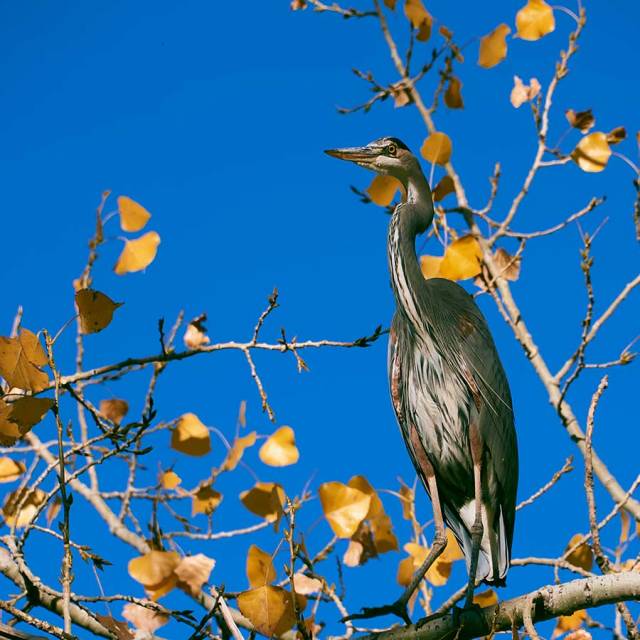
brendakofford_dandelionproject10417web

The spring sunlight, flowers blooming, and green trees create a landscape that looks like embroidery. This is an object of perception and it’s a beautiful thing to focus on. …if we don’t consider the role of our mind, and just focus on what we see as the independent reality around us, there will be contradictions.

The Vietnamese poet Nguyen Du said, ‘When a person is sad, the scenery is never happy.’ How we are feeling determines how we see the world. Why are some people able to experience happiness when they look at the moon and see its beauty, while others see the same moon as sad or depressing? This question can’t be answered unless both the subject [person] and object [moon] are taken into account.

~Thich Nhat Hanh, Zen Battles


Shinrin-yoku…forest bathing

You didn’t come into this world.

You came out of it, like a wave from the ocean.

You are not a stranger here.

~Alan Watts

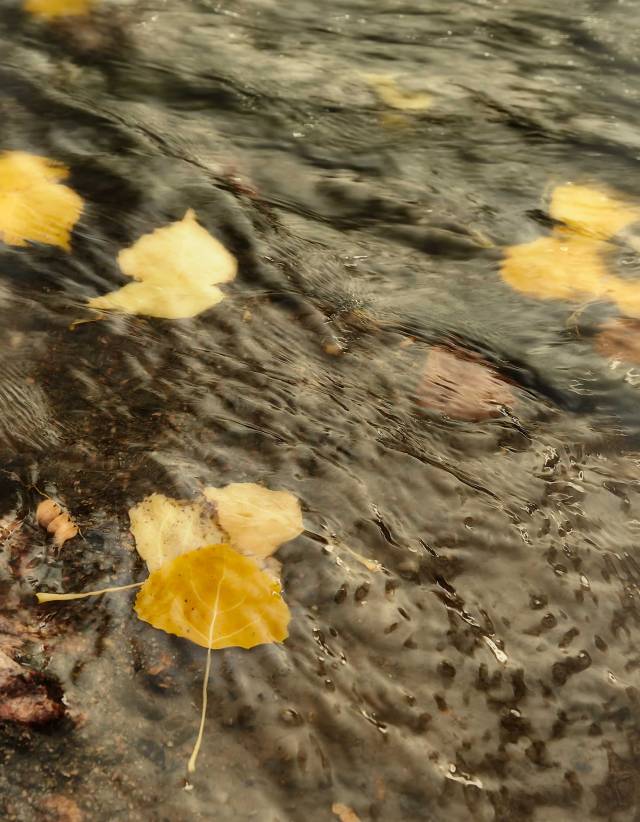
autumn102417web

The healing way of Shinrin-yoku is through the medicine of simply being in the forest.  A gentle path to wellness accessible to almost everybody.  Studies have found that the benefits of forest bathing include:

  • Boosted immune system functioning, with an increase in the count of the body’s Natural Killer (NK) cells.
  • Reduced blood pressure
  • Reduced stress
  • Improved mood
  • Increased ability to focus, even in children with ADHD
  • Accelerated recovery from surgery or illness
  • Increased energy level
  • Improved sleep

I’m hoping that the Youtube video below motivates you to kick off your house slippers and rummage through closets for your long-forgotten hiking boots…

_()_

xdrive photography lesson – 11 – lenses

Over the past couple of months I’ve found that postings of bloggers I follow are not always coming up in my WordPress Reader.  One of those missed postings is Raj’s photo lesson on lenses.   In that xdrive photo lesson Raj invited us to “really access the capabilities of your camera and find out what exactly is your stumbling block, is it a camera or a lens?”

So with this lesson in mind along with the recent discussions about photographing in  raw, I set out on three separate nature walks with a different lens on each occasion.

On the first day of this assignment I used a Nikon 28-300mm f/3.5-5.6G ED VR lens with a Tiffen 0.6 neutral density lens.

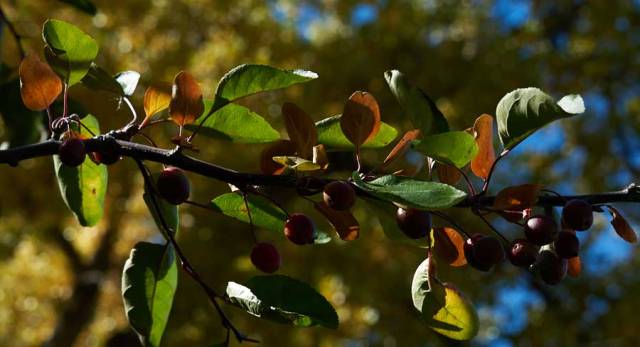
This first image is a representation of the raw image.  I see this image as a bit underexposed.
28-300mmraw

Nikon D750   f/9   1/40s   55mm   ISO 100

This second image was created with Raj’s discussion regarding the consideration of sharpening and color saturation within the initial editing of raw images in mind.

24-85mmf9

Nikon D750   f/9   1/40s   55mm   ISO 100

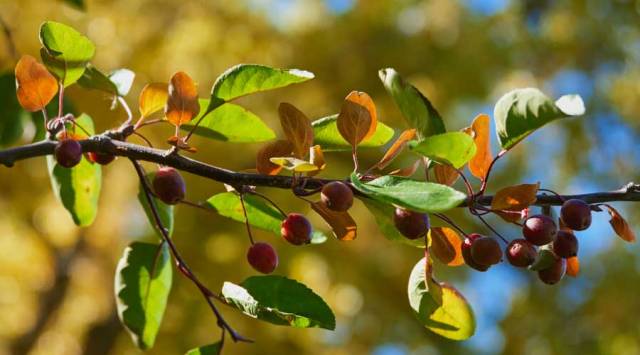
While I love bokeh – the way the lens renders out-of-focus points of light – I experimented with opening up the f-stop to explore Raj’s recommendation that an “open aperture would have created better isolation of leaves.”
28-300mmf4.5

Nikon D750   f/4.5   1/100s   55mm   ISO100

During the second day of this assignment I used a Nikon AF-S DX 35mm f/1.8G lens with a Platinum natural density lens.

The first image is a raw representation prior to any editing. This image seems a bit muted.
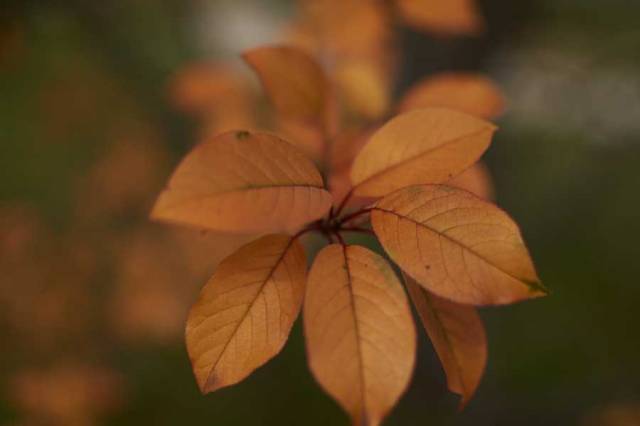
35mmraw

Nikon D750   f/1.8   1/1000s   35mm   ISO 100

This second image was again edited with the intentional inclusion of sharpening and color saturation.   As Raj noted an open aperture does allow for a greater isolation of the leaves.  The f/1.8 setting also seems to offer a softness to the image as well as gentle depth of field.

35mmf1

Nikon D750   f/1.8   1/1000s   35mm   ISO 100

In my limited experience and knowledge I find that a prime lens invites me to zoom in using my legs which is okay when photographing leaves…but not so much during street photography.
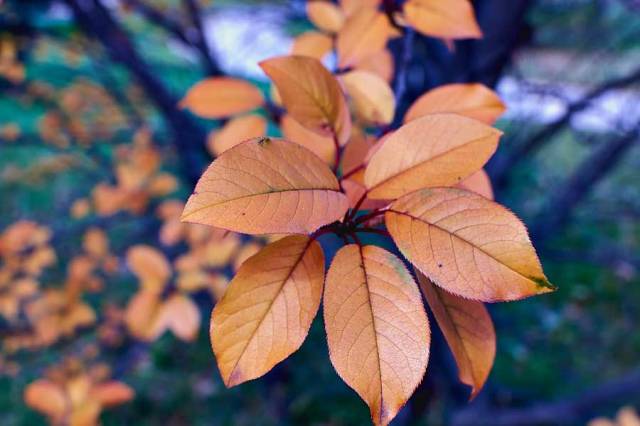
35mmf7.1

Nikon D750   f/7.1   1/60s   35mm   ISO 100

On the third day, I set out with a Nikon AF-S 24-85mm f/3.5-4.5 G ED VR lens.

A raw representation prior to editing.  Again, muted.
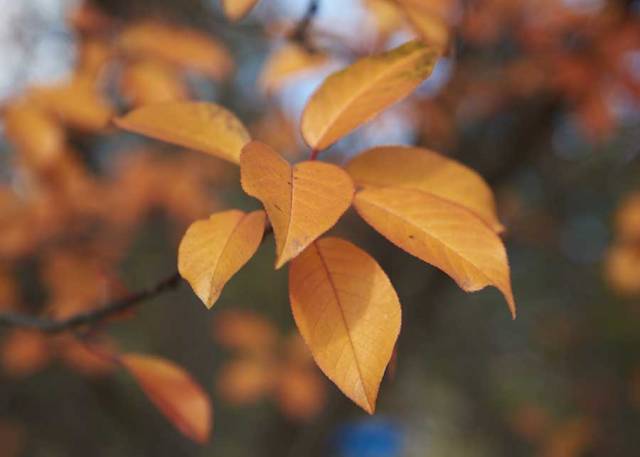
24-85mmraw

Nikon D750   f/4.2   1/125s   56mm   ISO 100

In the edited f/4.2 image the shadows on the leaves are brought out; yet, I find the background a bit distracting.   Sharpening and color saturation was also intentionally included in the editing process.

24-85mmf4.2

Nikon D750   f/4.2   1/125s   56mm   ISO 100

In the f/7.1 image below the detail and sharpness of the leaves seems to offer a greater isolation of the leaves and isn’t as distracting as in the f/4.2 image.  Also, it is interesting to note that both images have a bit of bokeh.
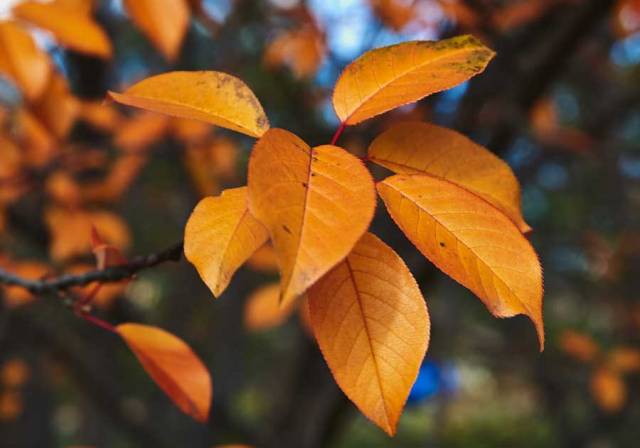
24-85mmf7.1web

Nikon D750   f/7.1   1/80s   56mm   ISO 100

Over to you Raj…I am finding great value in your lessons and feedback.  Thank you for expanding my understanding of this never-ending learning experience.