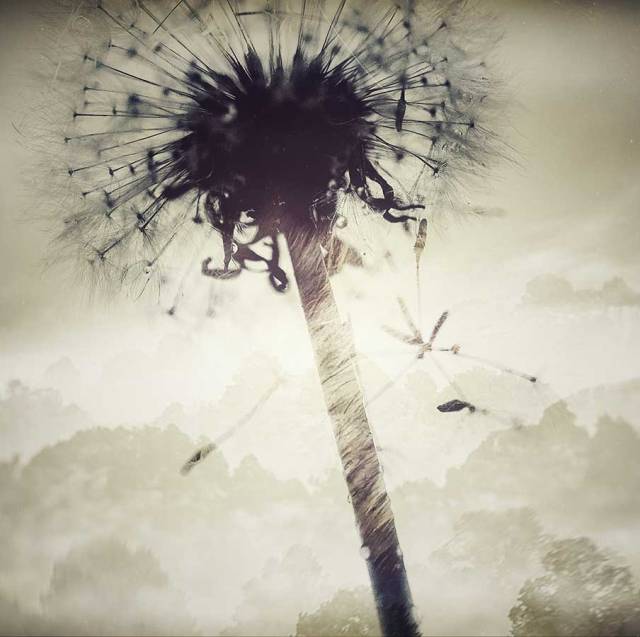
Umwelt

The depths of the hearts
Of humankind cannot be known.
But in my birthplace
The plum blossoms smell the same
As in the years gone by.

~Ki no Tsurayuki

shapes-22webshapes-23web

The video below was created by Yoshiyuki Katayama and cited at Aeon.com.  Please gift yourself with this amazing visual journey with nature.

A term introduced by the Baltic German biologist Jakob von Uexküll in 1909, Umwelt refers to an organism’s internal and limited perceptual experience of the external world. This stunning experimental exploration of the concept from the Japanese artist Yoshiyuki Katayama contrasts flowers blooming at time-lapse speeds with insects and spiders atop them, captured in real time. As these two organisms move at what appear to be similar speeds, the viewer is reminded of the disparate timescales on which they usually operate, and the very different evolutionary goals that they pursue even as they interact with one another.


Umwelt from Yoshiyuki KATAYAMA on Vimeo.

a photo study: lines

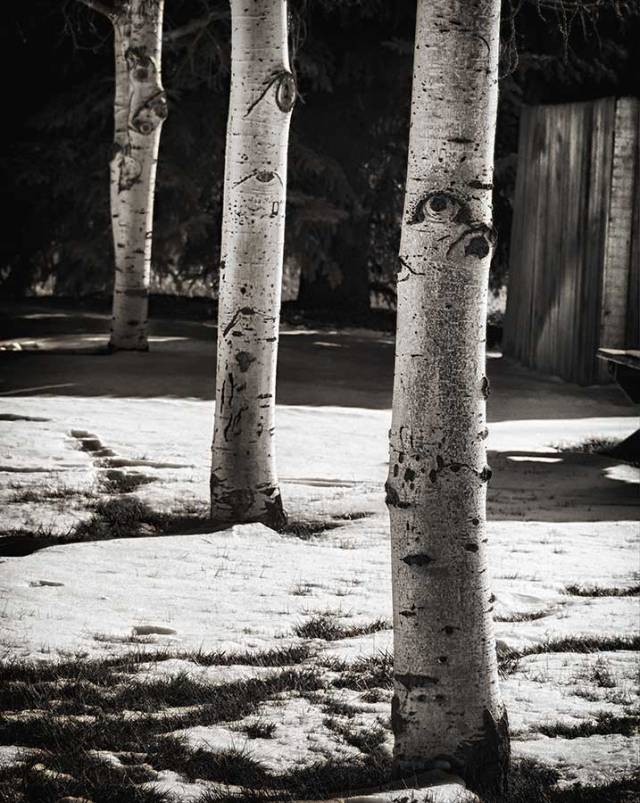
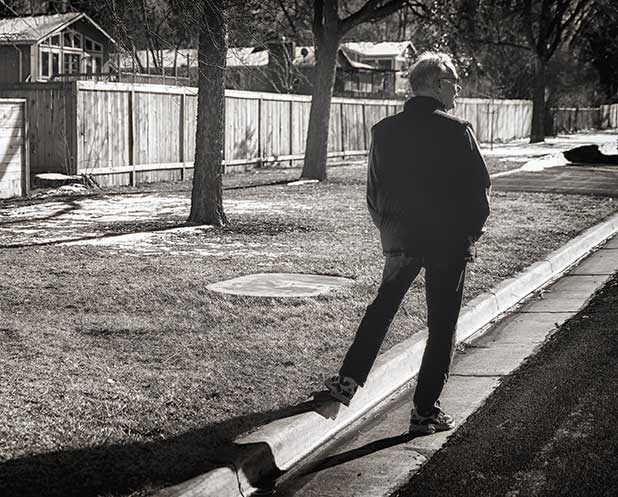
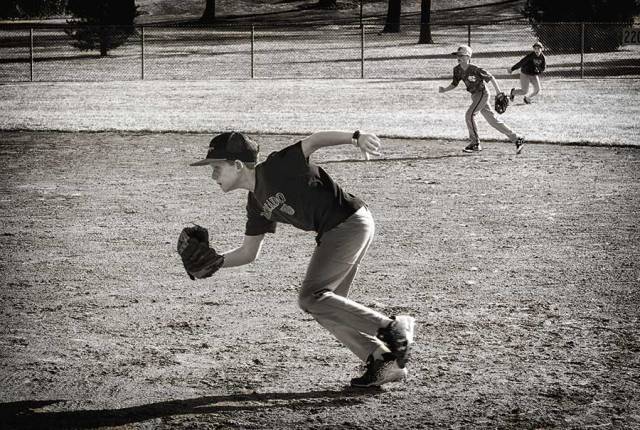
This week my year-long commitment to study various elements of photography composition introduced me to lines: horizontal, vertical, diagonal, organic, and implied. Ted Forbes  (The Art of Photography) wrote that while lines don’t actually exist in nature they are most likely the most basic element of visual composition. He further noted:

Lines serve many purposes in visual composition. They can divide the composition, they can direct the viewers eye, they can define shapes and they can make a statement to the feel or interpretation of the image by the viewer. Line’s speaking to the feel of a composition is extremely important.

horizontal

procycle-(2)web

vertical

horizonaloddweb


diagonal

brenakofford_dandleionprojectsunweb

organic

impliedlines-4web

implied

impliedlines-1webredo

After this week, I am finding myself wondering about leading and curving lines as well  finding myself in a bit of muddy water in regards to the differences between lines and shapes.  Am I overthinking?

Would love to hear your thoughts and please feel free to join in.

To sum up this week here is Ted Forbes’,  Photography Composition: Line.

consciousness in a …

May I find the Equanimity
that will lift this veil of shamed despair
and acquaint me to the perceived and perceiver
absent of greed, anger, and ignorance.

brendakofford_dandelionprojlinesweb

When we say, ‘I can see my consciousness in the flower.’ it means we can see the cloud, the sunshine, the earth, and the minerals in it. But how can we see our consciousness in a flower? The flower is our consciousness. It is the object of our perception. It is our perception. To perceive means to to perceive something. Perception means the coming into existence of the perceiver and the perceived. The flower that we are looking at is part of our consciousness. The idea that our consciousness is outside of the flower has to be removed. It is impossible to have a subject without an object. It is impossible to remove one and retain the other.

~Thich Nhat Hanh (The Heart of the Buddha’s Teaching, p.53)

Working homelessness in America…a glaring manifestation of income disparity.

manifest


goatsbeard-2web

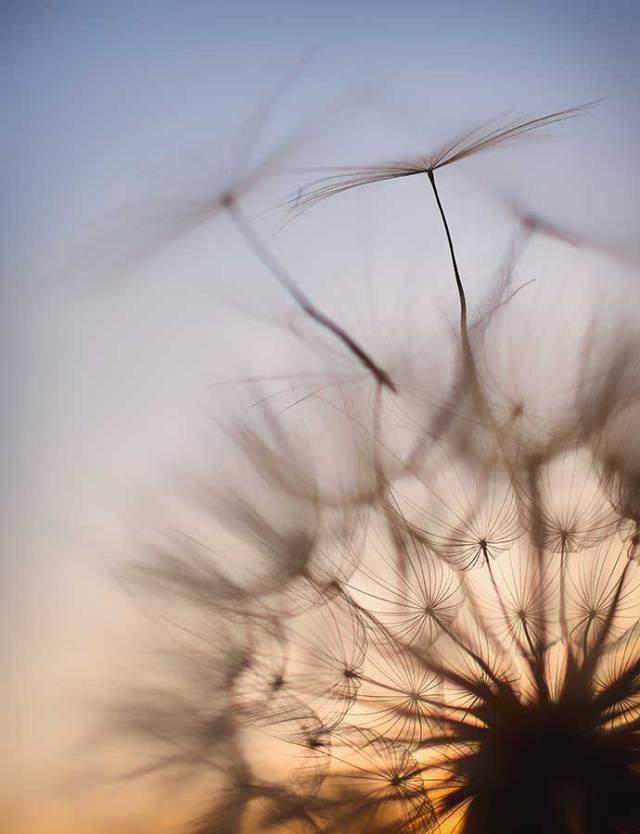
Before its so-called birth, this goats beard already existed in other forms – clouds, sunshine, seeds, soil, and many other elements. Rather than birth and rebirth it is more accurate to say, “manifestation and re-manifestation”.  It’s  so-called birthday is really a day of its re-manifestation. It has already been here in various forms, and now it has made an effort to re-manifest.

When conditions are no longer sufficient and a plant ceases to manifest, we say it has died, but that is not correct either. Its constituents have merely transformed themselves into other elements.


wpc: 2017 favorites

Standing quietly by the fence,

you smile your wondrous smile.

I am speechless, and my senses are filled

by the sounds of your beautiful song,

beginningless and endless.

I bow deeply to you.

~Quach Thoai (describing the appearance of a dahlia: Thich Nhat Hanh, Fragrant Palm Leaves)

wpcorders-curvesolitudeheadshot2

2017 Favorites

truth & strength…together

geesetwo-3web

…we were determined to speak the truth. Now I understand that truth and virtue must be joined by strength. When I first read the French author La Fontaine many years ago, I was disturbed by this statement: ‘The argument of the strongest party is always the best.’ …life has taught me more than once that his statement is at least partly true. Truth without strength cannot stand firm. Strength does not have to mean tyranny or violence, but one must be strong. Without strength, how could those with no more than a pen challenge powerful authorities? 

~Thich Nhat Hanh (Fragrant Palm Leaves)