After participating in the WordPress’ weekly photo challenge for around 8 years, there is a bit of sadness in learning that this week’s challenge is the last edition. Don’t know why this decision was made and so with a bit of confusion and resistance I wave farewell and say, “thank you, it has been great fun. If you wish to return, there is a welcome back, awaiting.” All-Time Favorites
This week’s photo challenge has been inspired by Ted Forbes’ Using Low Angle video. Low-angle composition invites the photographer to create images with different and unique perspectives.
Enya
Enya
We generally experience our daily lives at eye level and often feel more comfortable photographing at eye level. Low angle photography invites us to look up…to create images from any point below eye level which gives the effect of looking up at an object or person. Also you can go to the extreme and show a worm’s eye view of the world.
A worm’s-eye view is a view of an object from below, as though the observer were a worm; the opposite of a bird’s-eye view. It can be used to look up to something to make an object look tall, strong, and mighty while the viewer feels child-like or powerless. A worm’s eye view commonly uses three-point perspective, with one vanishing point on top, one on the left, and one on the right.
To photograph low angle composition, you will need to crouch, bend, or get down onto the floor.A personal note ― have found that when crouching I need to find a way to brace myself as without there often is a slight tremble which, sigh, results in a blurred image.
A low angle perspective increases the height of the subject.
It creates an image where the subject appears more powerful and dramatic.
It lends empathy to a viewer as through a shared experience of a toddler’s world within a playground setting or standing before three-feet ocean waves.
This angle is also great when you wish to capture the mood.
I began this photo study project about 18 weeks ago with an intention to develop, expand, and share my understanding of photography throughout 2018. Regrettably, I am finding that this project is being negatively impacted by some vision difficulties which may require eye surgery within the next couple of months. Consequently, I have decided to reblog some photo educational posts from other bloggers…sorta like using blogs as substitute teachers. I hope you will find them as inspiring and informative as I have.
To close this week’s photo study, please enjoy these two Ted Forbes’ videos on low angle photography.
Photography, in a nut shell, is lines, shapes, colors, and feelings
In photography negative space is perhaps the most important element as it embraces the subject within your image — the element of interest — helping it stand out and inviting the viewer’s attention. It is the aspect within a photograph that generally doesn’t attract much attention. It is sometimes referred to as white space and has the potential to change what appears to be an average subject into an outstanding image.
The simplest example of positive and negative are the words in this blog. These words draw your attention while the background doesn’t. The words are positive space, and the white background is negative space
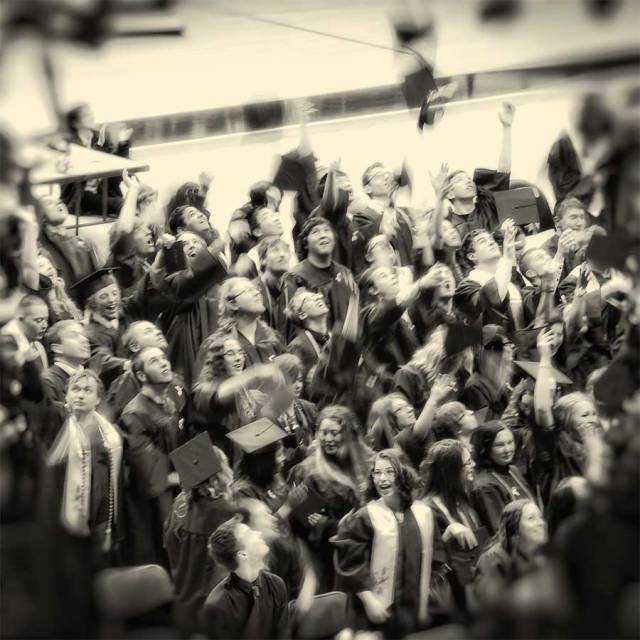
Some images have high amounts of positive space creating what some identify as busy, cluttered, crowded creative works. These types of images generally reflect the busy nature of the scene being photographed.
The elements of positive and negative space are two elements of photography that are important because of the emotions they evoke. Images created with high amounts of positive space have the potential to evoke feelings of power, strength, action, chaos, busyness, or…as in the image above…anticipation.
Negative space, in contrast, awakens feelings of peace, calm, quiet, loneliness, isolation. It is less about the subject within a photograph and more about awakening a feeling in the viewer.
Negative space can create a sense of lightness, airiness…it can strengthen the positive emotions in a photography, emphasize the feelings of your subject, conveying whatever story you as a photographer wishes to evoke in your viewer.
Negative space provides “breathing room” giving the viewer’s eyes a place to rest and preventing an image from appearing too cluttered…creating a more engaging composition.
Negative space generally mutes detail or color; yet, in some cases well-defined buildings and people can act as negative space as it conveys a story or evokes feelings.
It is easy to focus our attention on the subject, on what we see as most important element of the photograph. Adding to or taking away negative space affects the subject within an image as they effectively become smaller or larger within the frame of your image.
At first, it seems that to set out to find empty space may be a difficult undertaking; yet, searching for elements that don’t stand out becomes more natural over time…try including the sky in your composition…it is expansive, everywhere, and often filled with negative space.
Our mind formulates ideas about how objects in our world look and that is the reason an art instructor may invite her class to draw an object upside down. This engages the eye to see as opposed to allowing the mind to impose a preconceived idea into a drawing.
Unfortunately these preconceptions distort the way we see a scene, and this can lead to photographs that we see as good, but not so in reality. My readings noted that a way to step out of the boundary of our minds is to ignore the objects in the scene altogether and instead concentrate on the gaps between and around them. This also aids in giving more attention to composition and seeing sizes and shapes in a more accurate manner.
Negative space, in the world of photography, may be more important especially if the photographer tends towards creating images that are simple; yet effective. Michael Kenna, Bruce Percy, and Masao Yamamoto are three artists known for their minimalistic images.
Examples of images that “focuses” on specific compositional tools are an invaluable learning tool. I hope you enjoy seeing these amazing images offered through Ted Forbes.
In closing, I’m deeply grateful for the exchange of ideas and images that I have experienced thus far in this photo study project and am looking forward to reading your thoughts and seeing your images.
This week’s photo study is an exploration of shutter speed. Shutter speed, a basic photographic component, is defined as the amount of time your camera allows light to enter your camera. The variables of a scene being photographed together with the size of aperture and the shutter speed have the potential to create unique images.
A fast shutter speed will freeze moving objects.
Nikon D750 f/5.6 1/2,500 300mm 100 ISO
While fast shutter speeds create crisp and sharp images, slow shutter speeds — open for half a second or longer – extends the length of time light is entering your camera. This light is continuously being influenced by the motion within the scene and thus creating blurry, foggy, silky, or milky elements within an image.
Nikon D750 f/22 1s 35mm 100 ISO
Nikon D750 f/8 241s 24mm 100 ISO
The shutter speed in panning photography can be as low as 1/20 or as fast as 1/125. The trick is to match the speed of the subject with your speed of panning. The inclusion of motion blur within street photography is often created with a high aperture setting, a low as possible ISO, and a low shutter speed.
Nikon D750 f/29 1/6s 75mm 100 ISO
Nikon D750 f/9 1/20s 85mm 320 ISO
The images below are examples of various shutter speeds with the same aperture and ISO settings.
Nikon D750 f/7.1 1/60s 35mm 100 ISO
Nikon D750 f/7.1 1/30s 35mm 100 ISO
Nikon D750 f/7.1 1/20s 35mm 100 ISO
Thank you for taking the time to visit. I hope you enjoy Ted Forbes’ discussion of shutter speed and his nighttime images. Would love to hear your thoughts and see your creative work.
This is, because that is. This is not, because that is not. This comes to be, because that comes to be. This ceases to be, because that ceases to be…This is like this, because that is like this.


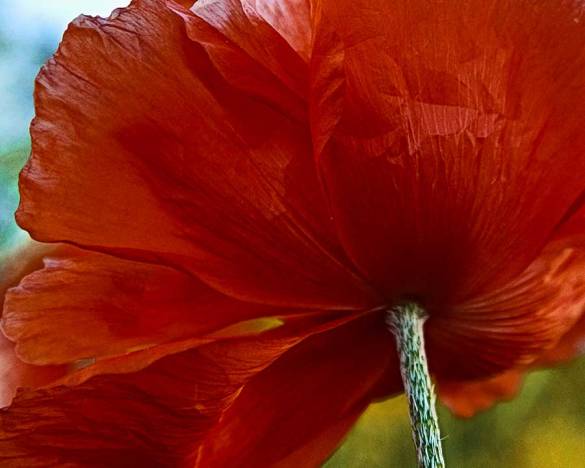
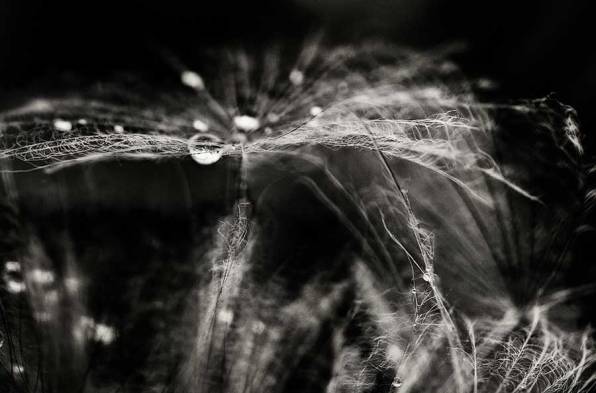
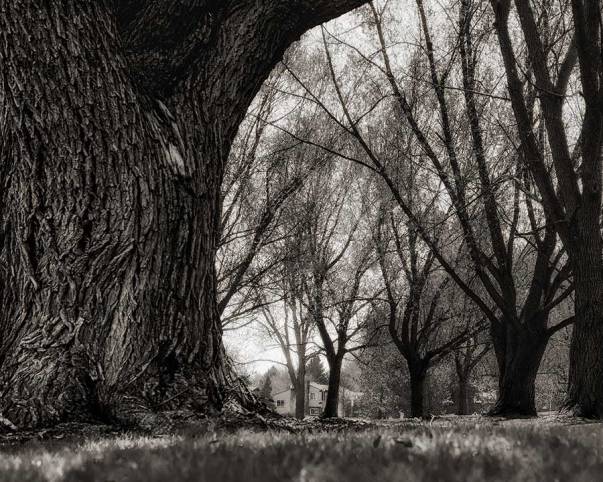
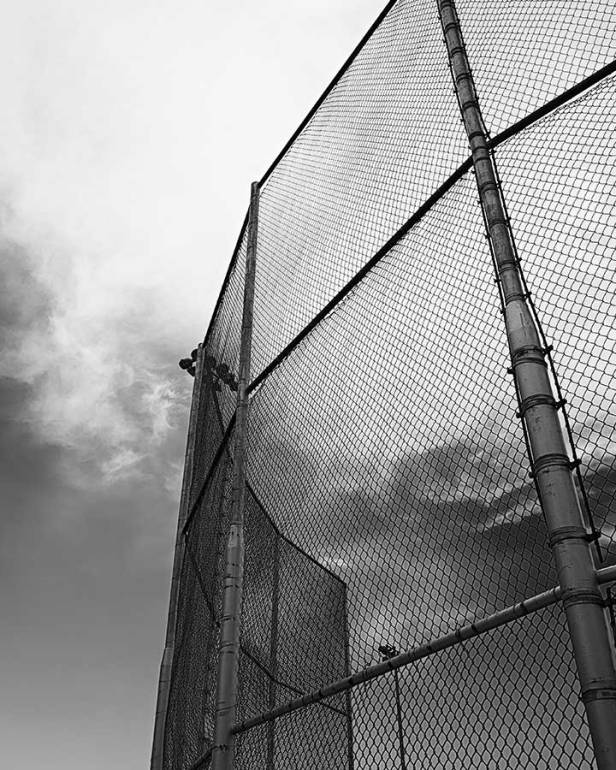
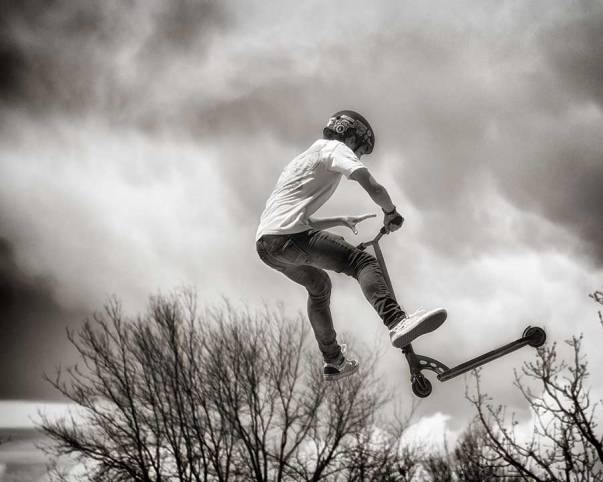


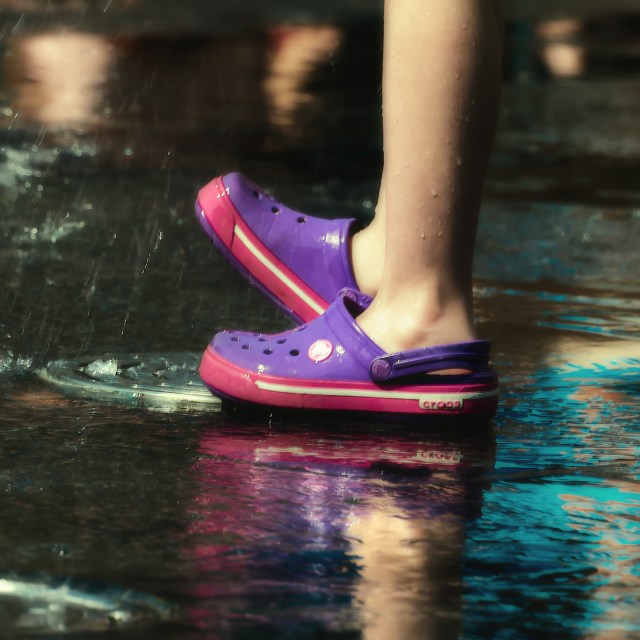
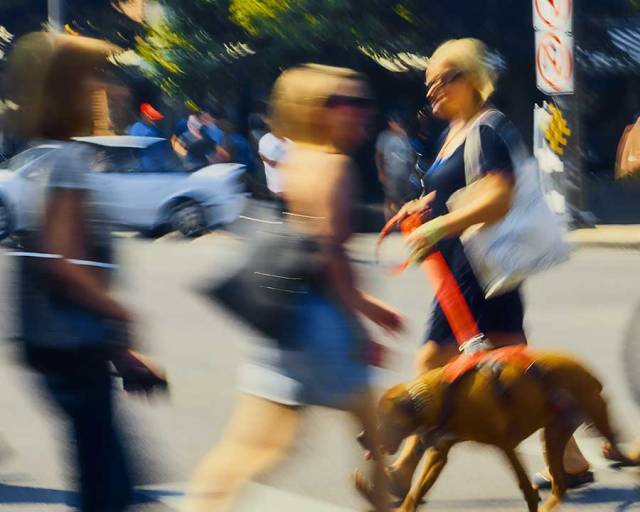
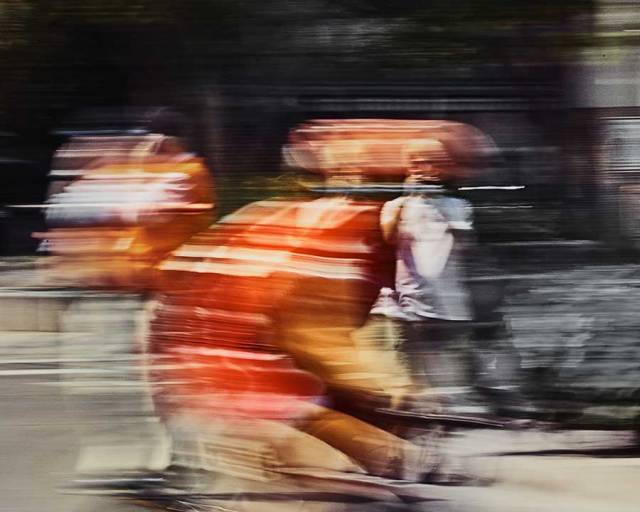
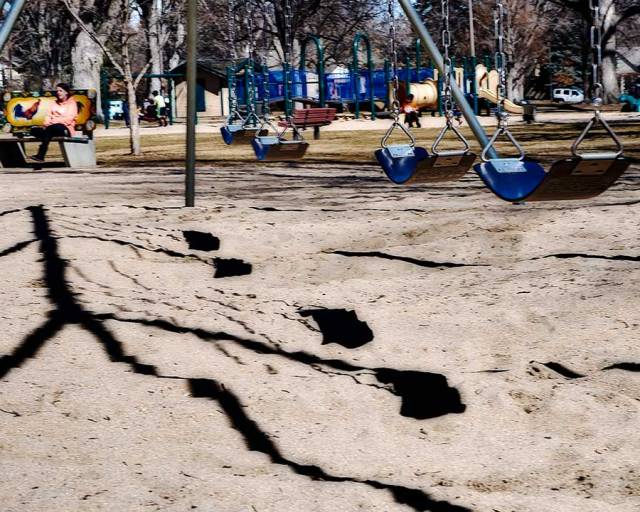


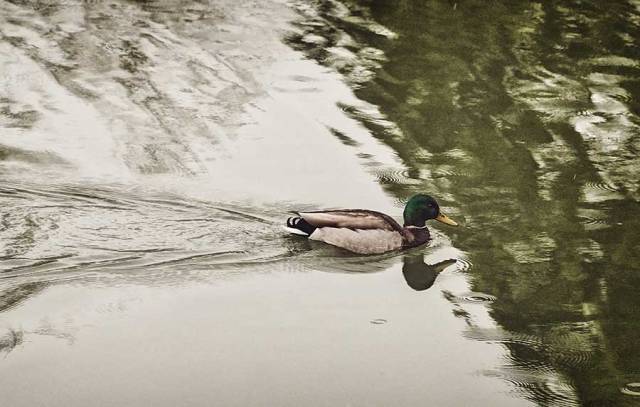 Negative space provides “breathing room” giving the viewer’s eyes a place to rest and preventing an image from appearing too cluttered…creating a more engaging composition.


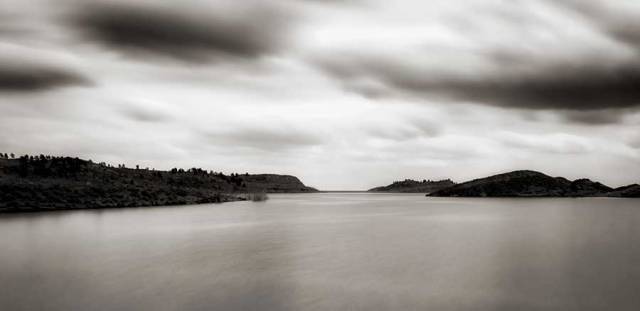

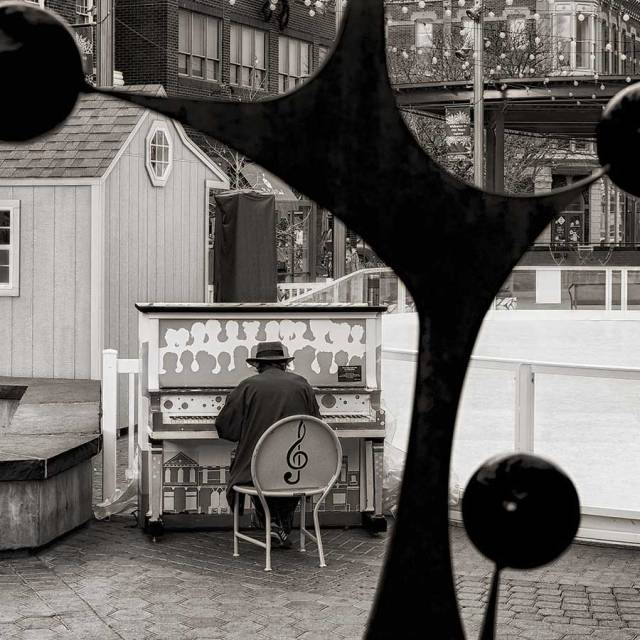

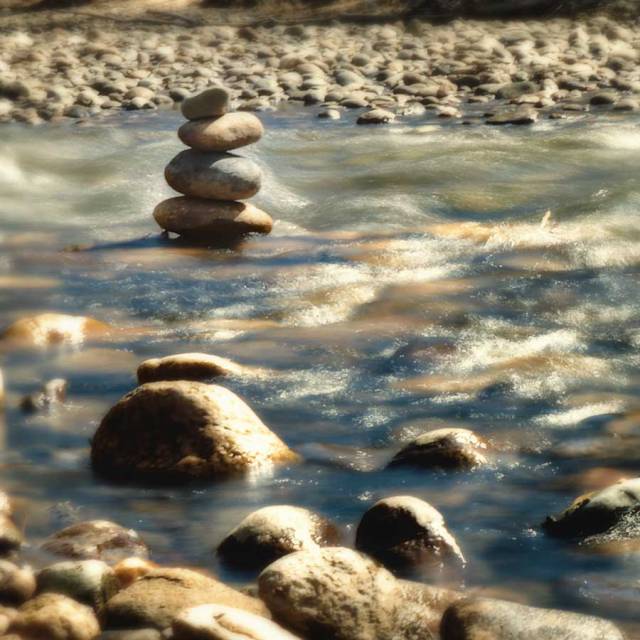

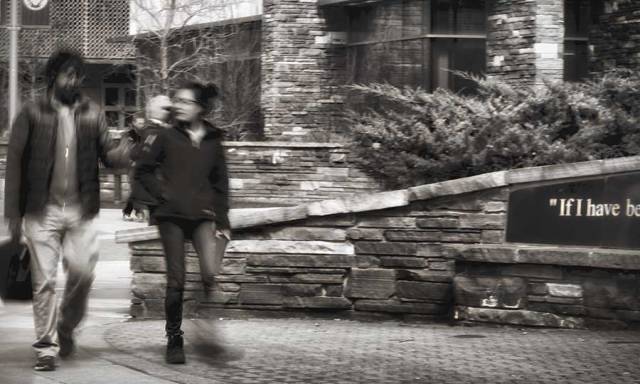

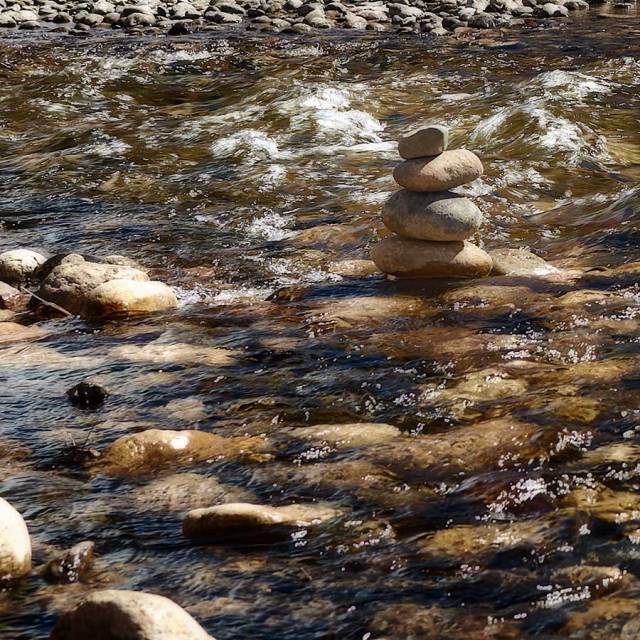
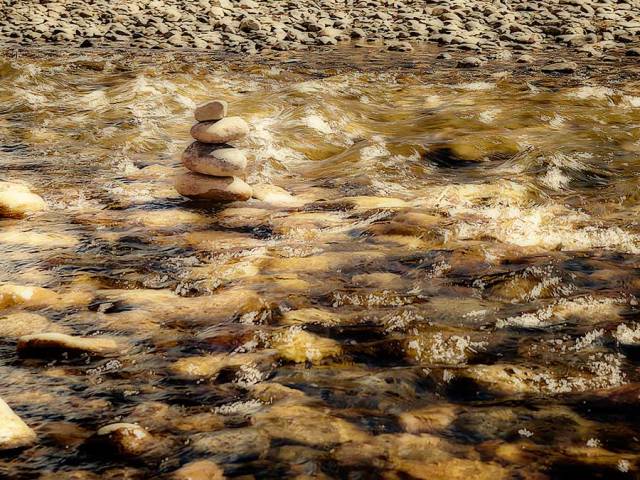
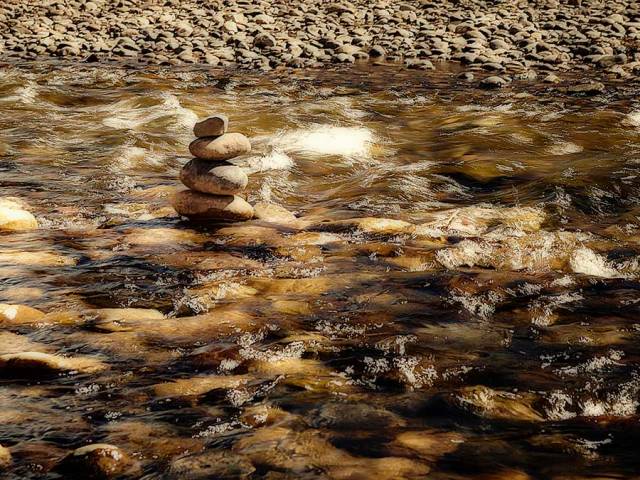


 a meditative journey
You must be logged in to post a comment.