a photo study: story photography

A series of photographs has the ability to convey a story through the inclusion of emotion, mood, ideas, and visual narrative.

Five basic elements of story photography are:

  1. Mood can be created by experimenting with blurring the background and ensuring the background has a relationship with the main subject(s).
  2. Illustrate an idea through abstraction, symbolism, or a close up of a particular detail.
  3. Emotions are conveyed through facial expressions or body language.
  4. Narrative begin with an established photograph of what occurs before the story begins.
  5. Message is created through an object, location, colors, style or a combination that leaves clues that encourages the viewer to formulate ideas.

The introduction – an image that identifies the important characters while giving information about the context of the story and introducing the theme.  The first image should also be compelling and invite curiosity so that your viewer is drawn into the story.
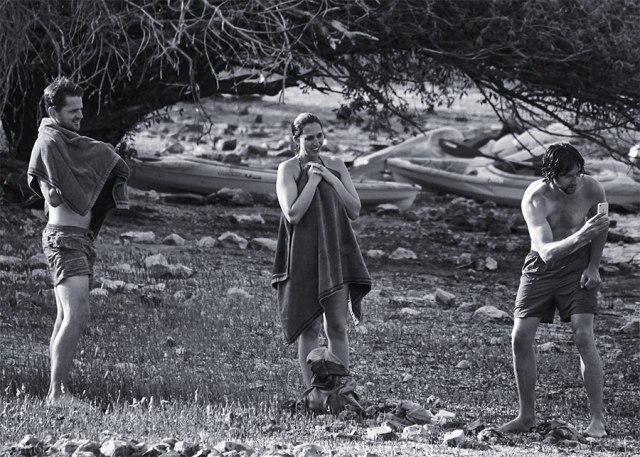
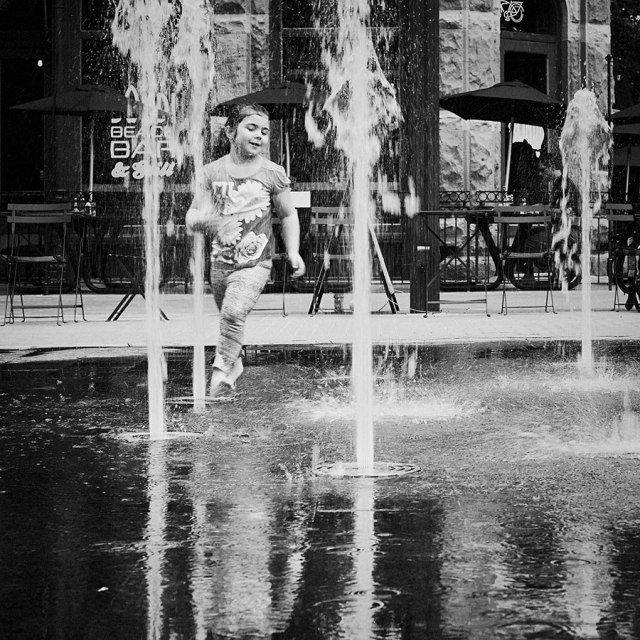
horsetooth-13story

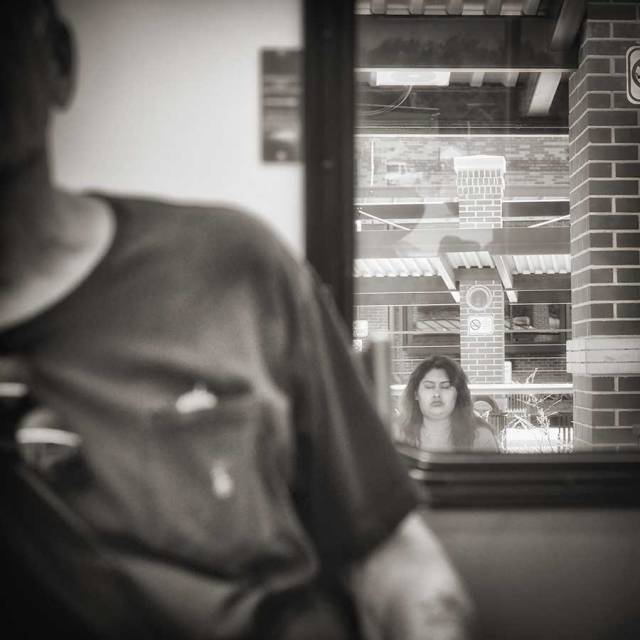
the gaze

The Plot – introduces ideas, feelings, experiences while exploring themes. Do not forget to  follow the “rule of thirds” as this will definitely isolate and immediately draw the viewer’s attention to your subject.

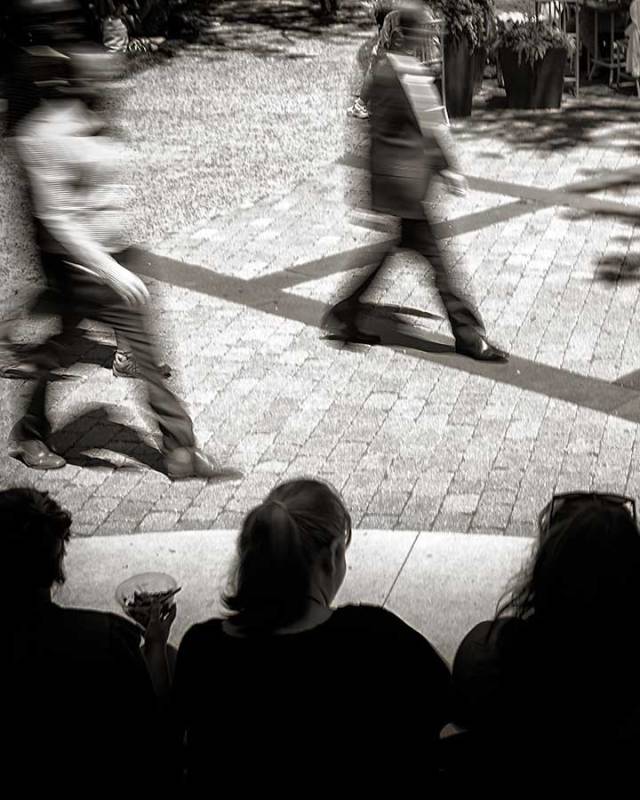
swimmerswebstory

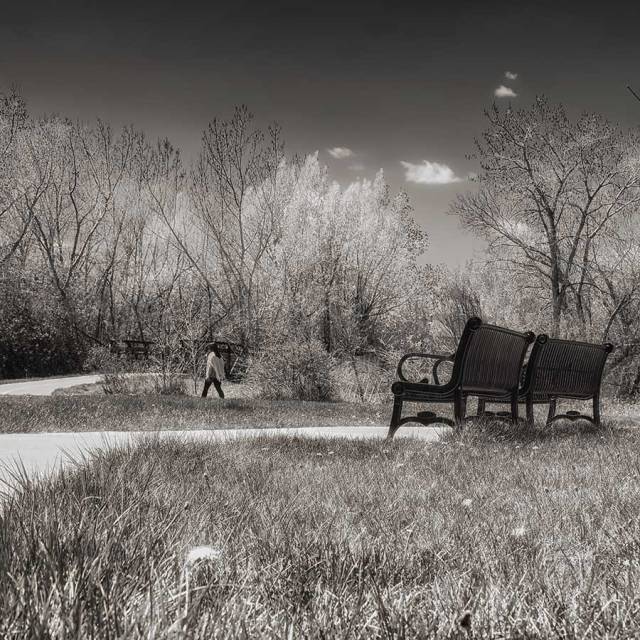
elsewhere

Varying characters’ perspective – photograph closer to your subject(s) or further away. Photograph from multiple angles to find which angle best communicates your story.

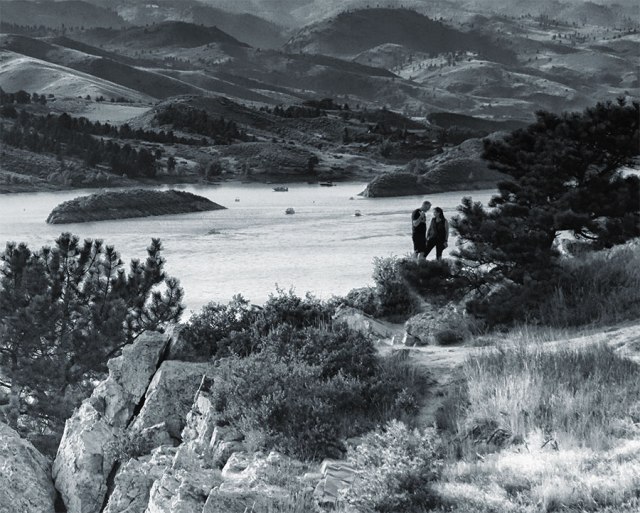
horsetooth-9story

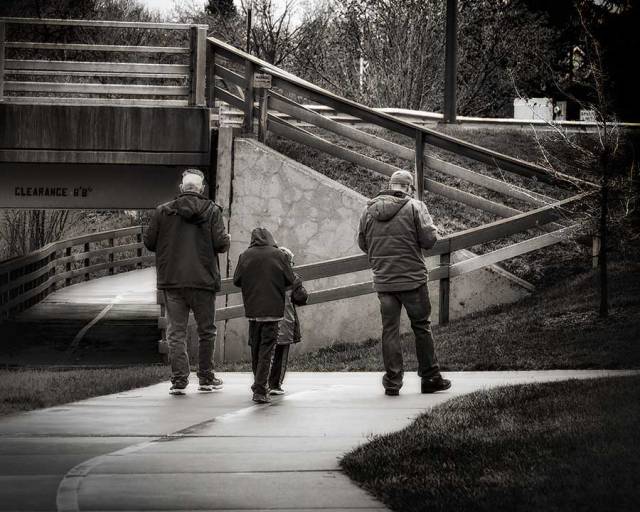
watching

Stages – show images taken at different times/stages of the photo session.  Explore which subject needs to be included or excluded in an image.

horsetoothstoryweb

connecting

horsetoothstoryweb2

looking away

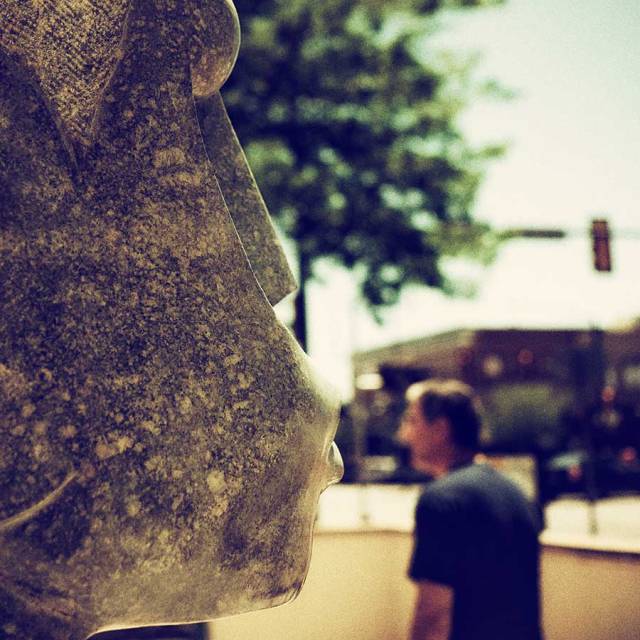
Focus on detail – you can also tell a story by paying attention to detail.  When photographing outdoors, make sure the sun is behind you or off to the side.

horsetooth-10photostory

disconnected

horsetoothstory4web

exclusion

Photo editing – ensure there is variety among the images to create interest while at the same time link them together by processing them in a similar manner (black and white, lightening).

horsetooth-storyweb3

distancing

If you chose to caption your photos be sure to take note of what the subject(s) are doing without giving it away.  Cations should be short, clear, and simple.

Projects such as story telling, variations, and photo series are excellent learning experiences because they help explore creativity, encourage you to compare your work with earlier photographs and allow you to see how your ideas and techniques evolve over time.

I love a great story…do you have one to share?  Let’s tag with #aphotostudy.
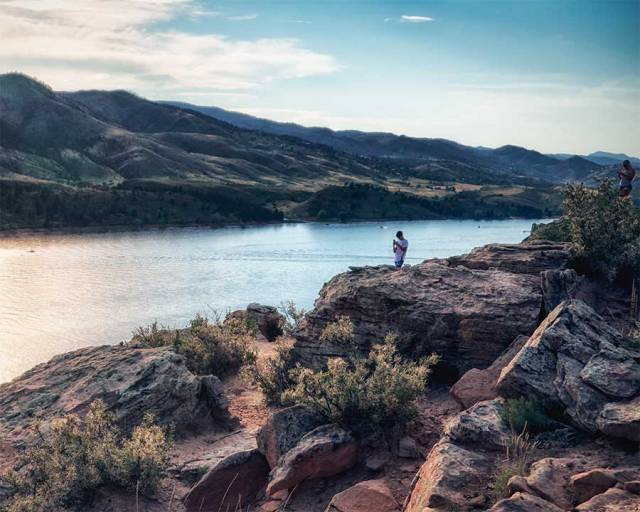
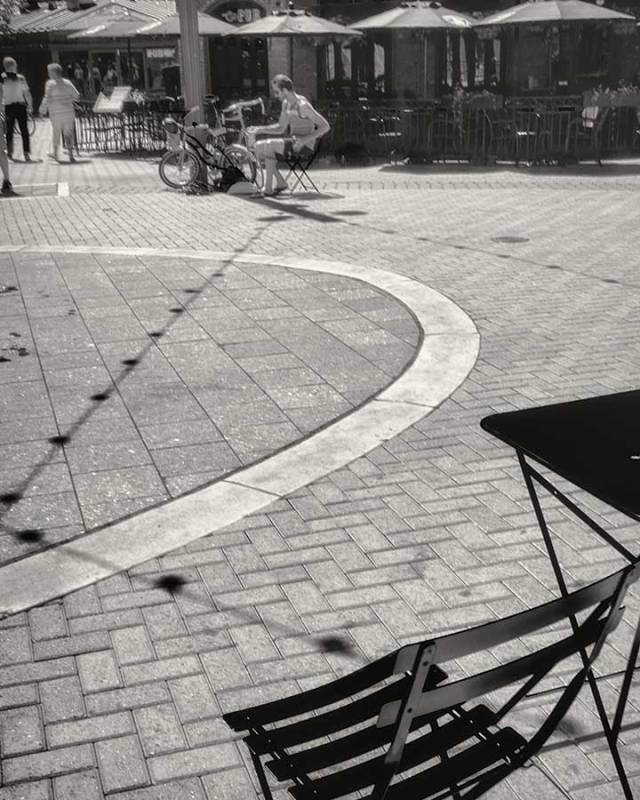
hidden inspiration: shadow dancing

streetnoontues-8 Richo GX100   f/5.1  1/320  5.1m  80 ISO[/caption]
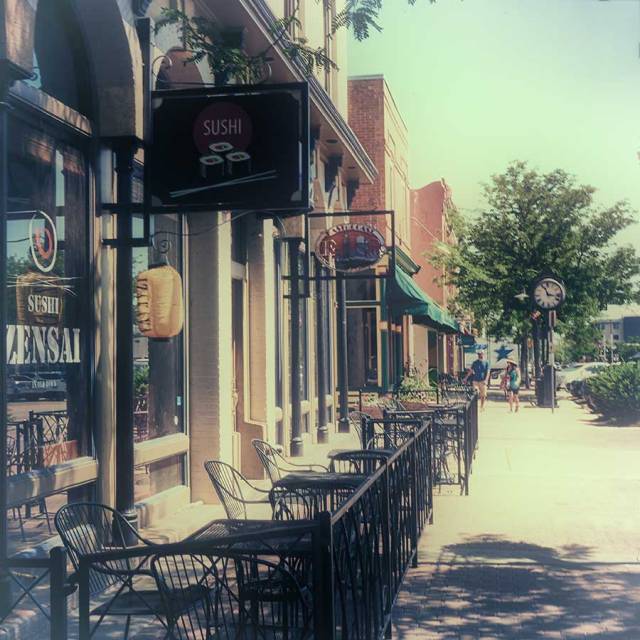
Marcus, Streets of Nuremberg, invites those who are interested in street photography to “try to shoot people who are engulfed in their every day business, unaware of the photographer aiming the camera at them. Obviously, using a longer lens (or zoom) does help not to get too close. But even with a wide angle lens, the camera up at the eye, you can wander through shops, bars or your local market, looking for interesting scenes, people, gestures, colors, patterns – and press the shutter when something catches your eye and gets your creative juices flowing. Move naturally, shoot, and trust me you will not be noticed.”

a photo study: street photography

What is street photography?

street-4-web

Nikon D750   f/22    1/25s    35mm    800 ISO

Nick Turpin writes that “…When a child picks up a camera and pushes the button that simple spontaneous image is a Street Photograph, it is, first of all, a raw reaction to the scene in front of it, a person, a car, a color. That primitive urge to react, to make a picture is at the heart of Street Photography beyond any other area of picture making, it comes before any other agenda.

“So we are all Street Photographers before we narrow our sights and impose conditions and rules on ourselves to become Portrait photographers, Fashion Photographers, Landscape Photographers, Art Photographers (whatever that really means) etc.”

street-12web

Nikon D750    f/20    1/25s    35mm    800 ISO

Eric Kim defines street photography as the “…candid photography of life and human nature. It is a way for us to show our surroundings, and how we as photographers relate to them. We are filtering what we see, to find the moments that intrigue us, and to then share them with others. It’s like daydreaming with a camera.”

irishdancers4web

Nikon D750    f/1.8    1/10s    35mm    800 ISO

Within “The Ultimate Guide to Street Photography” James Maher writes “…the best image of your life can pop right in front of you on the way to get your morning coffee. This spontaneity is what’s celebrated. That is why grainy images, slightly off-kilter framing a-la Garry Winogrand, or import focus will not alway ruin a street photography. Sometimes they will, and we must aim for technical mastery, but other times they can add to the realness of the moment. Sometimes these deficiencies may actually improve the image.”

street-5web

Nikon D750    f/2.5    1/2,500   35mm    800 ISO

Sometimes the best way to understand something is to put aside the book, silence the mind, and visually explore the creative works of others. With this in mind, I would like to introduce three of my favorite street photographers.

To journey through Salle de Shoot — Photographie’s blog is to inspired by his creative and unique examples of street photography.

The Streets of Nuremberg.com identifies street photography as “…a free creative design in which the artist’s impression…experiences are brought to life…the aim of street photography to depict reality unadulterated, whereby the specific artistic aspect is expressed in the conscious selection of the detail of reality and the design with photographic means.” To take the time to visit this blog is to view amazing street images as well as educational posts.

And finally,  Reinhold Staden Photography’s gifts us with inspiring photography as well as a super visual journey through Berlin.

How do you understand street photography? Do you have one or three street photographers that inspire you? I would love to see your street images and read your ideas about street photography.  Let’s tag with #aphotostudy.

toddler’s sun hat

street-9b-web

Nikon D750    f/22     1/25    35mm    800 ISO

“Playing with point of view, with the position of the figures and the wide palette of grays, he proved that photography, like painting, is–to borrow Maurice Denis’ famous dictum–‘essentially a surface plane covered with color in a certain assembled order.'”

cited: C Chérous, aperture masters of photography, Henri Cartier-Bresson, pg. 84

lines & shapes

street-3web

Nikon D750     f/22     1/25     35mm     800 ISO

“…after trying for so long to program computers to make drawings autonomously, I noticed one key factor that distinguished me from the machine: I wanted to make a good drawing. The first step in making a good drawing is recognizing and giving voice to the desire to create. The creative urge is the engine that will drive the great effort it takes to pursue art over the long term, and understanding the nature of this desire will be critical in staying motivated long enough to develop good work.

“…What makes a drawing good? It would be impossible to list all the qualities of a good drawing, and in any case the list would be different for each of us and each artwork we liked. Luckily, we don’t need a precise definition. We understand how to proceed with our creative work by developing our intuition and learning to pay attention to what we value and respond to.”

~J F Simon, Jr (Drawing Your Own Path)